Portrait of a Lady — History & Analysis
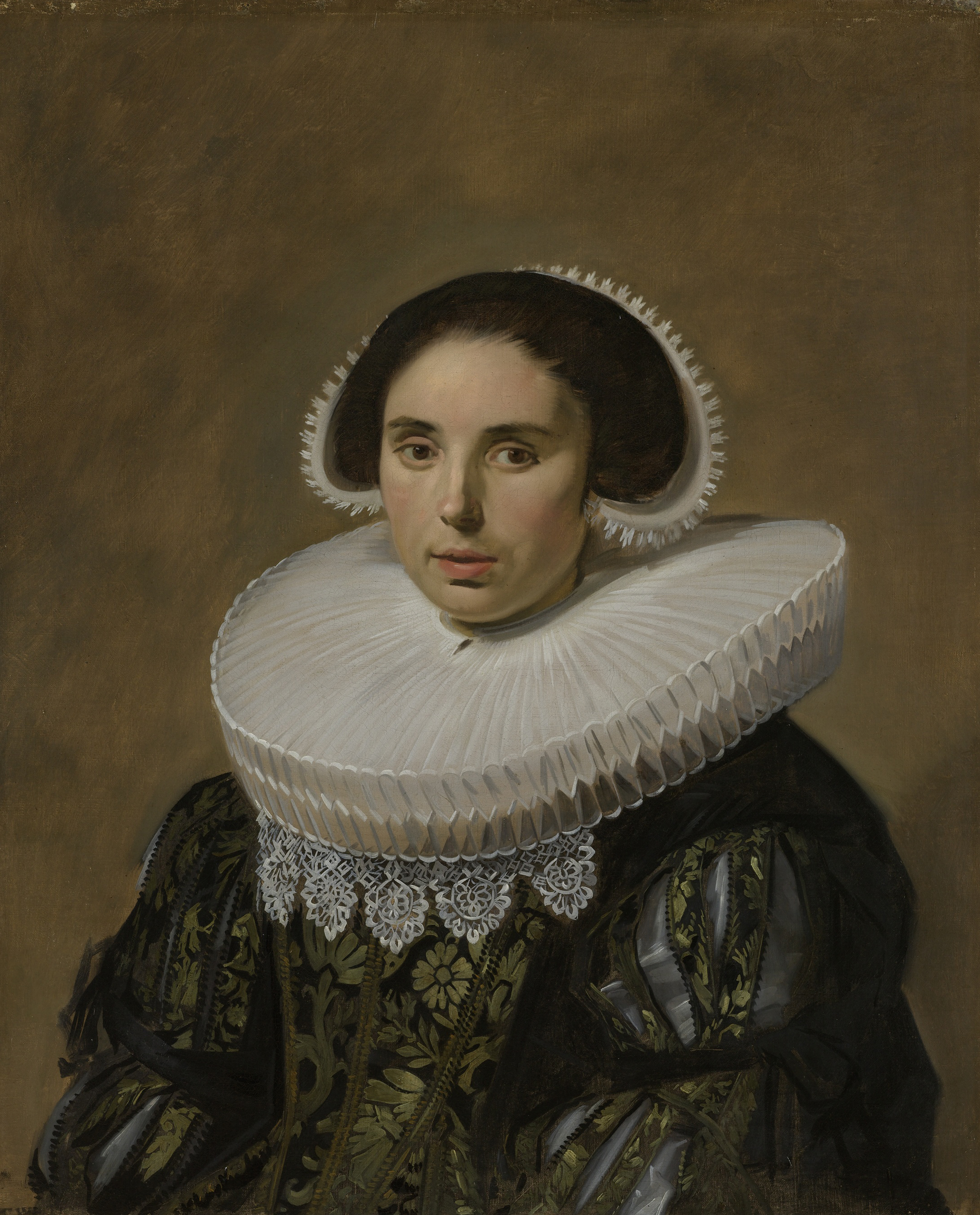
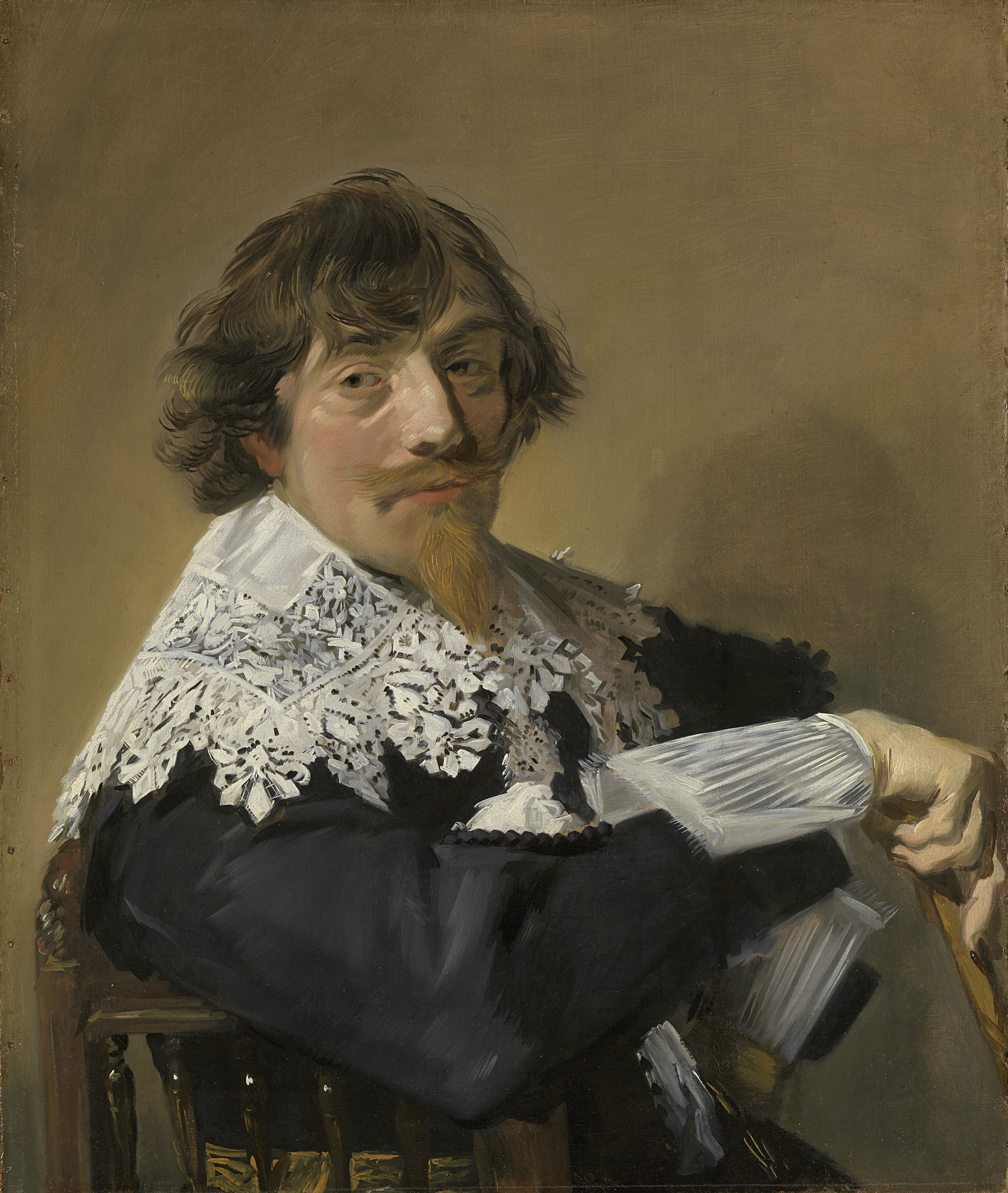
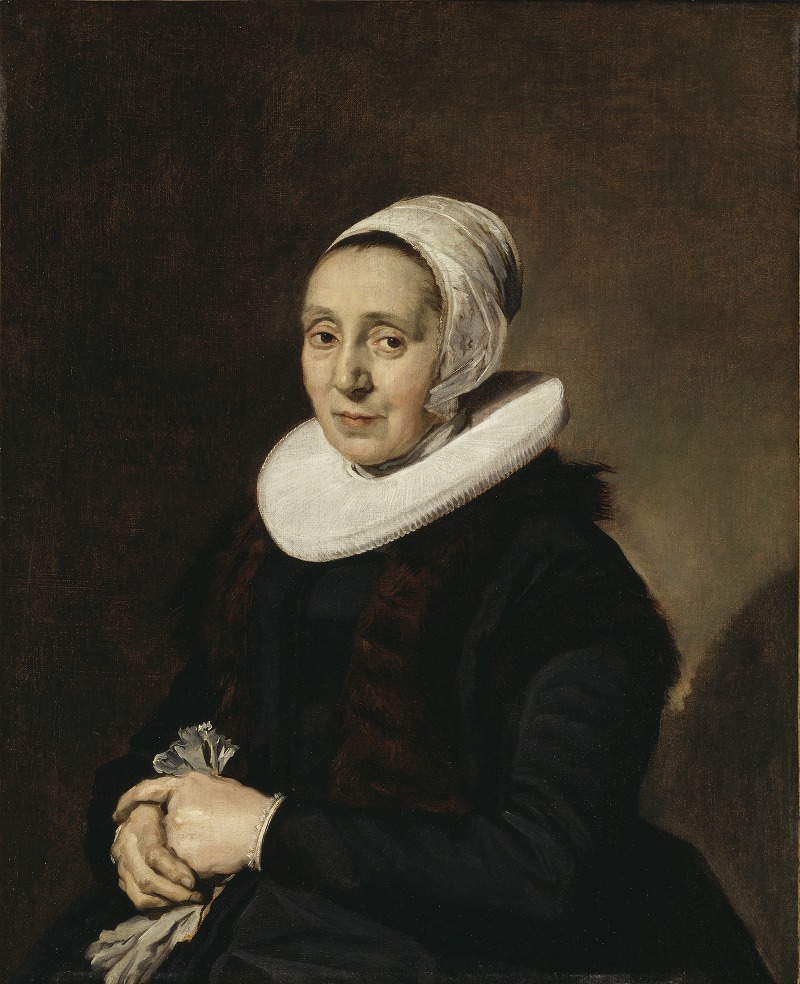
Can beauty exist without sorrow? In the finely captured expression of the woman before us, there lies an unresolved tension, an illusion that invites both admiration and contemplation. Look first at her gaze, a delicate balance of confidence and vulnerability that draws you in. Notice how the light caresses her features, accentuating the subtle curves of her cheek and the softness of her lips. The rich, dark background provides a striking contrast, making her vibrant attire shimmer in hues of ivory and gold.
The fluid brushstrokes define her attire and hair, revealing Hals' masterful technique in creating texture and movement, as though she might step out from the canvas at any moment. Yet, beneath the surface, there are whispers of deeper meanings. Her enigmatic smile suggests not just grace, but perhaps an inner struggle, hinting at the complexities of her life and the expectations of womanhood in the 17th century. The choice of her luxurious clothing juxtaposes the ephemeral nature of beauty, embodying both allure and a certain sadness, an awareness of the passing of time.
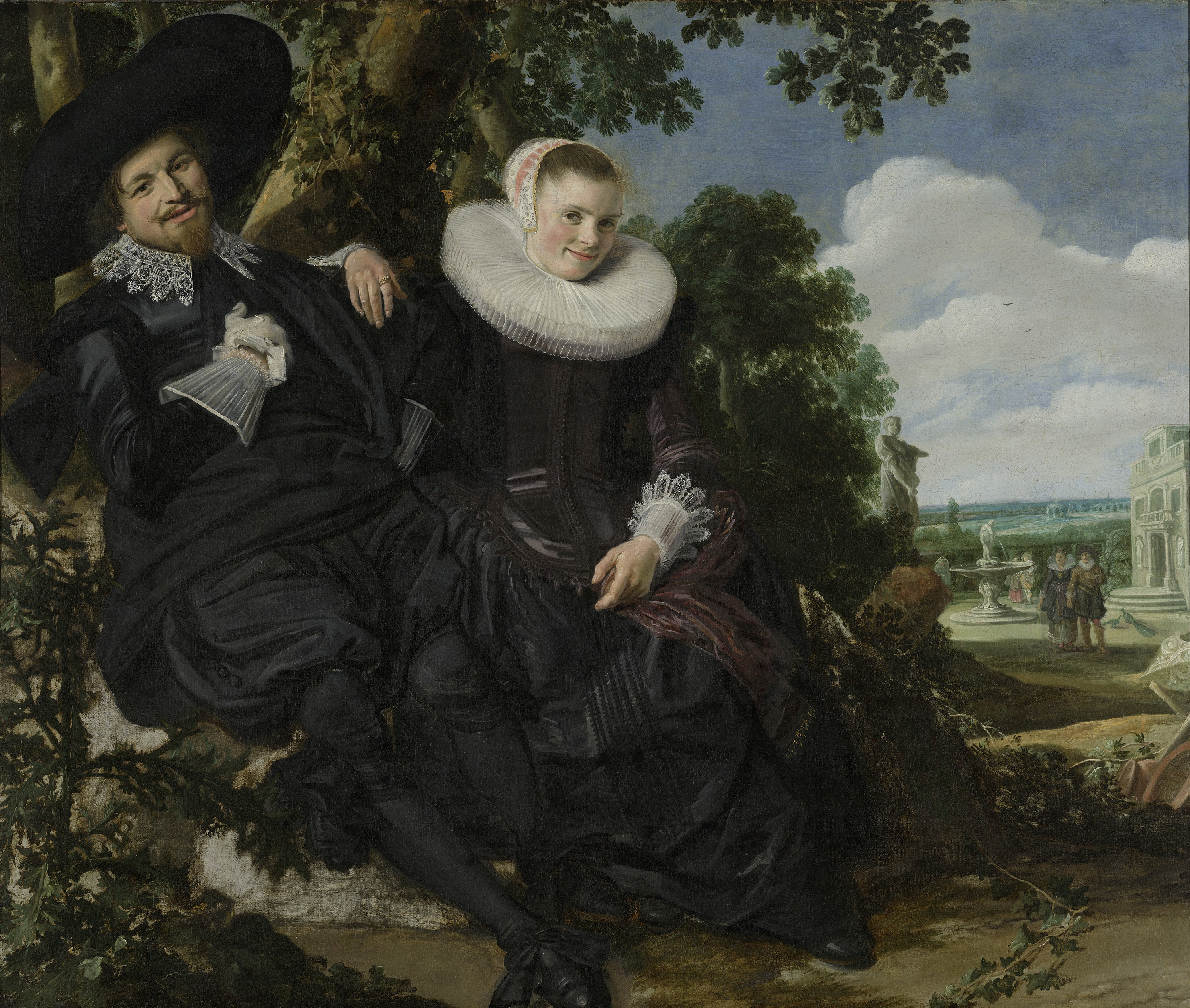
Each fold of her dress, each flick of hair encapsulates the illusion of perfection—a reminder of the transient state of human experience. Frans Hals painted this captivating portrait in 1627 during a period when he was firmly establishing himself in Haarlem, a city known for its vibrant art scene. At this time, Hals was gaining recognition for his innovative approach to portraiture, reflecting the burgeoning middle class and their desire for personal representation. This work represents both his technical prowess and an exploration of character that would influence future generations of artists.