Portrait of a Preacher — History & Analysis
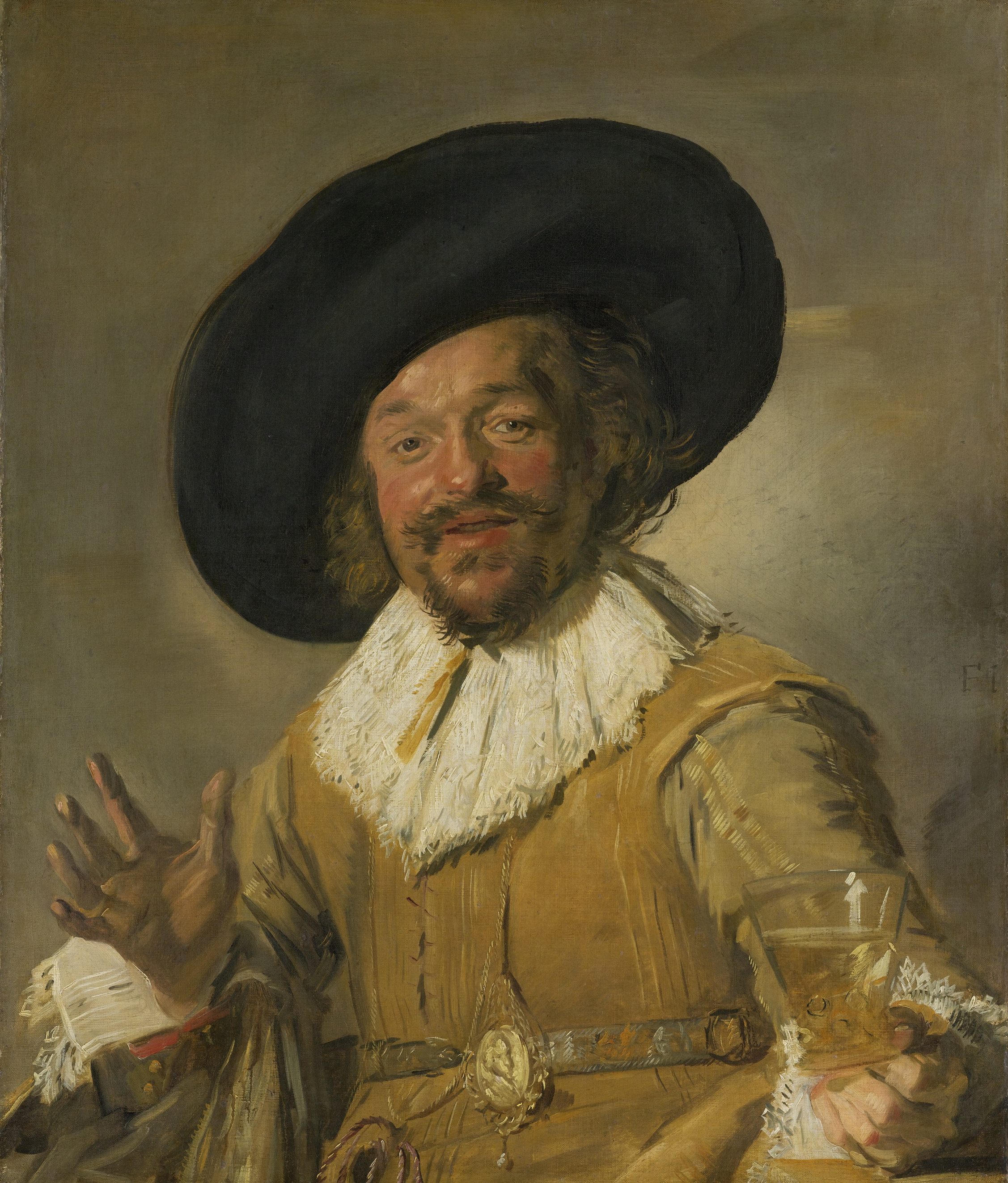
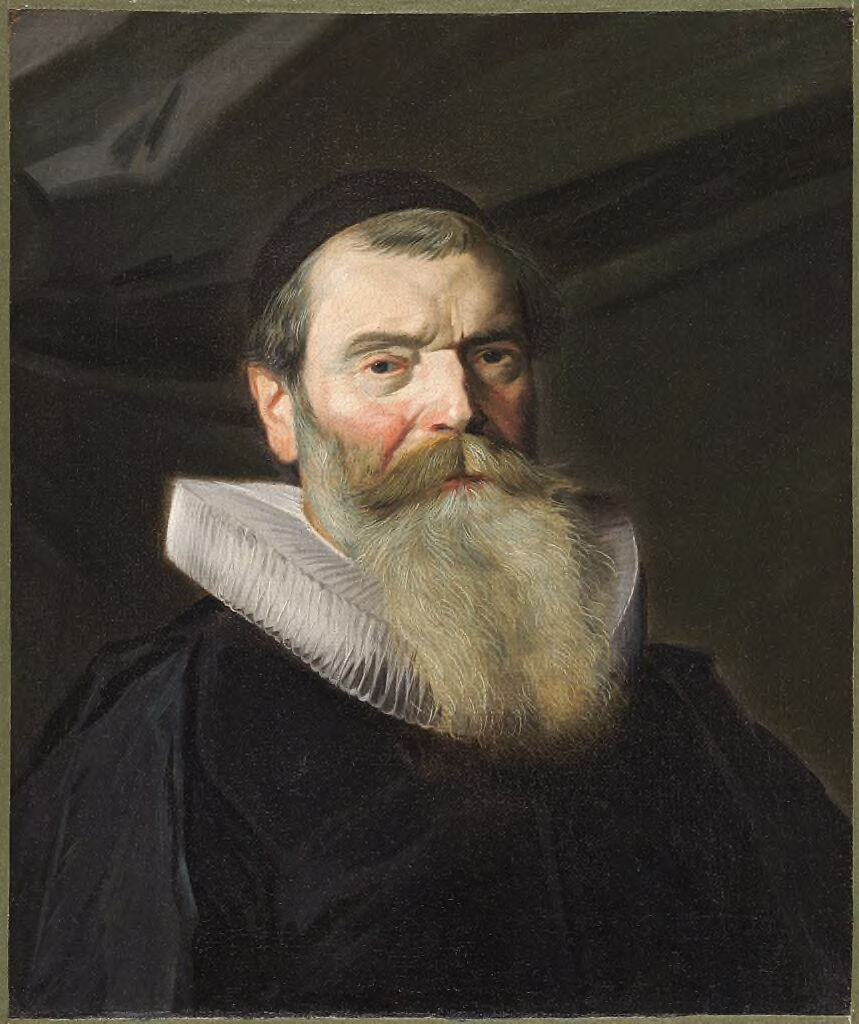
Can paint confess what words never could? In the hands of Frans Hals, the answer emerges as a silent yet powerful proclamation, a testament to the essence of a man captured in stillness. Look to the left at the preacher's finely detailed face, where light dances across his features, illuminating a deep furrow of thought. Notice the rich, dark hues surrounding him, contrasting the brilliance of his white collar, which draws the eye and emphasizes his solemnity.
The brushstrokes are lively, adding a sense of immediacy and depth that invites the viewer to engage closely, as if his thoughts are palpable, swirling in the air like incense. Beneath the surface of this striking portrayal lies a complexity of emotions. The preacher's gaze, both penetrating and contemplative, suggests an inner conflict between duty and desire, faith and doubt. The unassuming background, with its muted tones, enhances the preacher's presence, allowing us to ponder the weight of his convictions in a world seeking clarity.
There’s a palpable tension in the air, evoking questions about the spirituality that defines him, and the burdens he carries. Created around 1625 in Haarlem, Hals was at the forefront of the Dutch Golden Age, a time when portraiture flourished. Emerging from the shadows of more rigid forms of representation, he embraced a lively, spontaneous style that captured the spirit of his subjects. The artist sought to convey humanity in his work, marking a shift toward emotional authenticity that would resonate profoundly in the evolving landscape of art.