Prater Landscape — History & Analysis
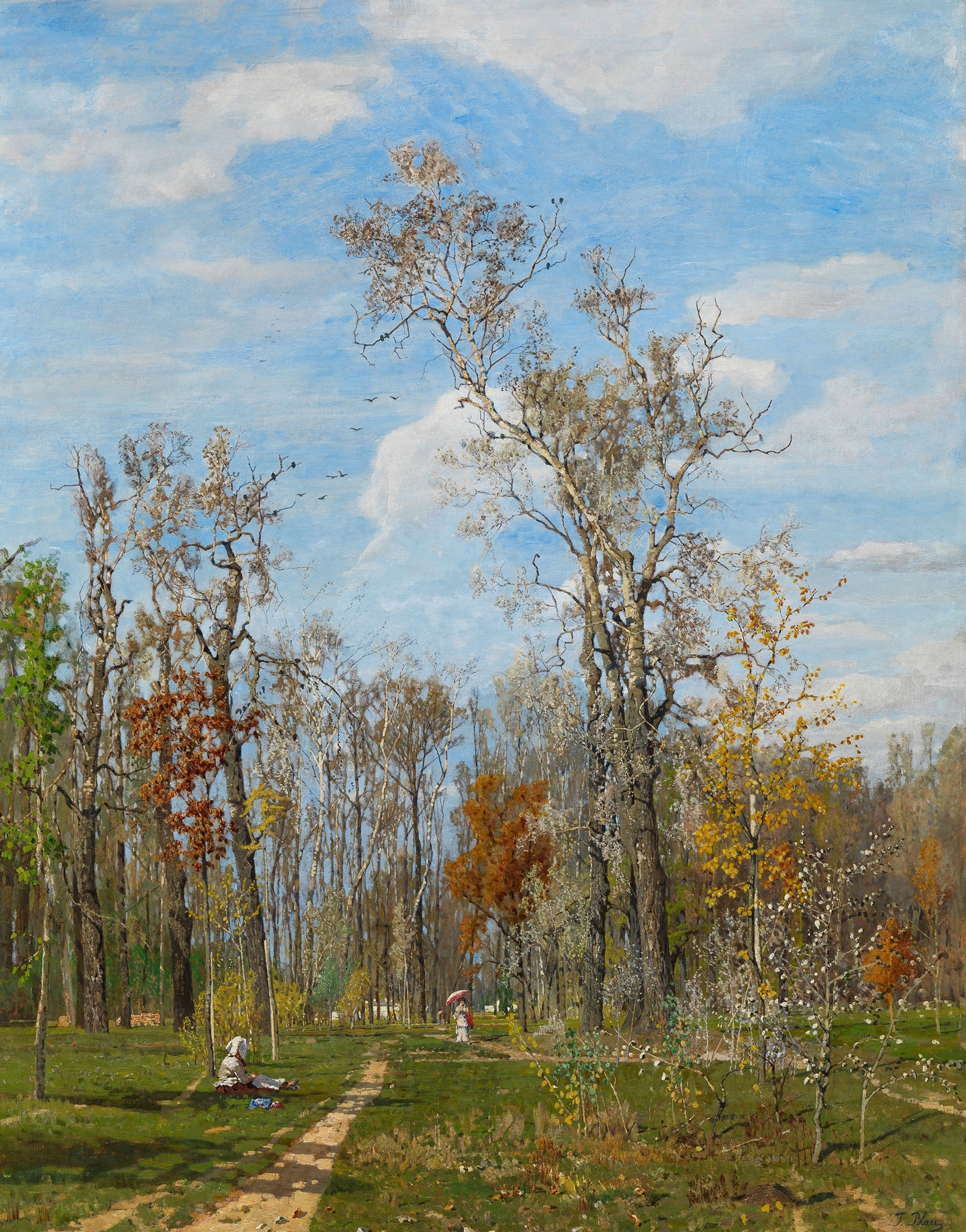
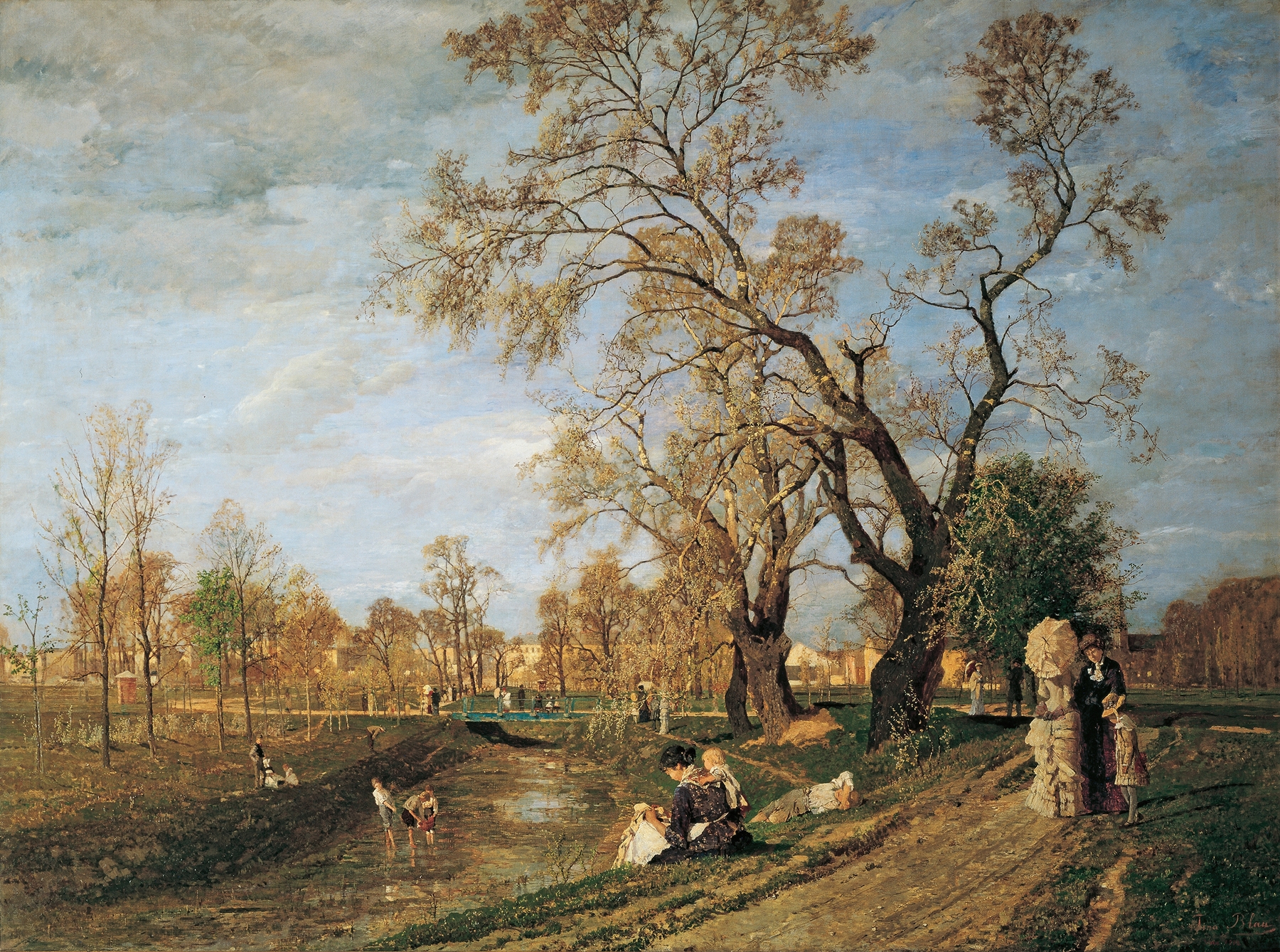
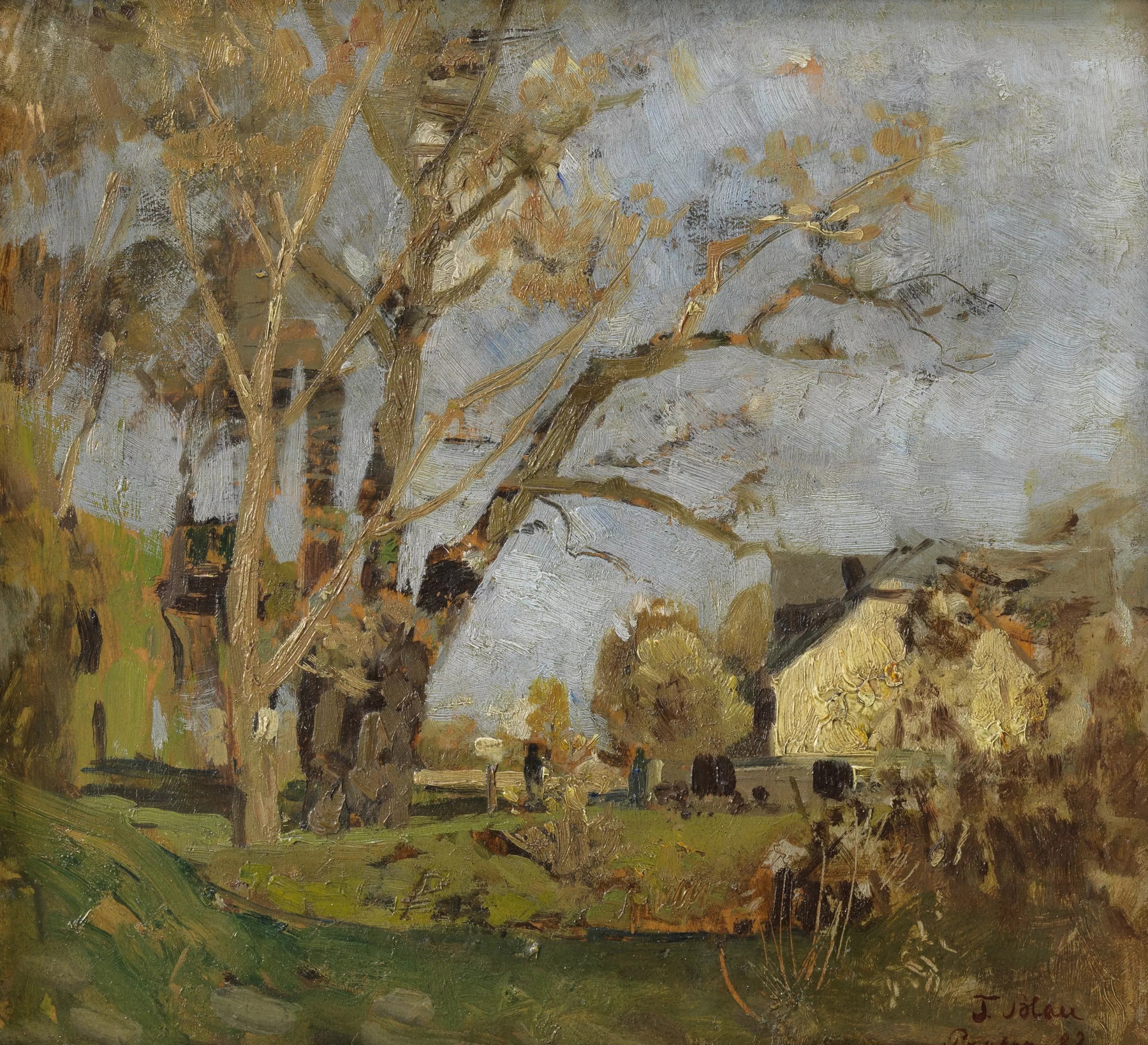
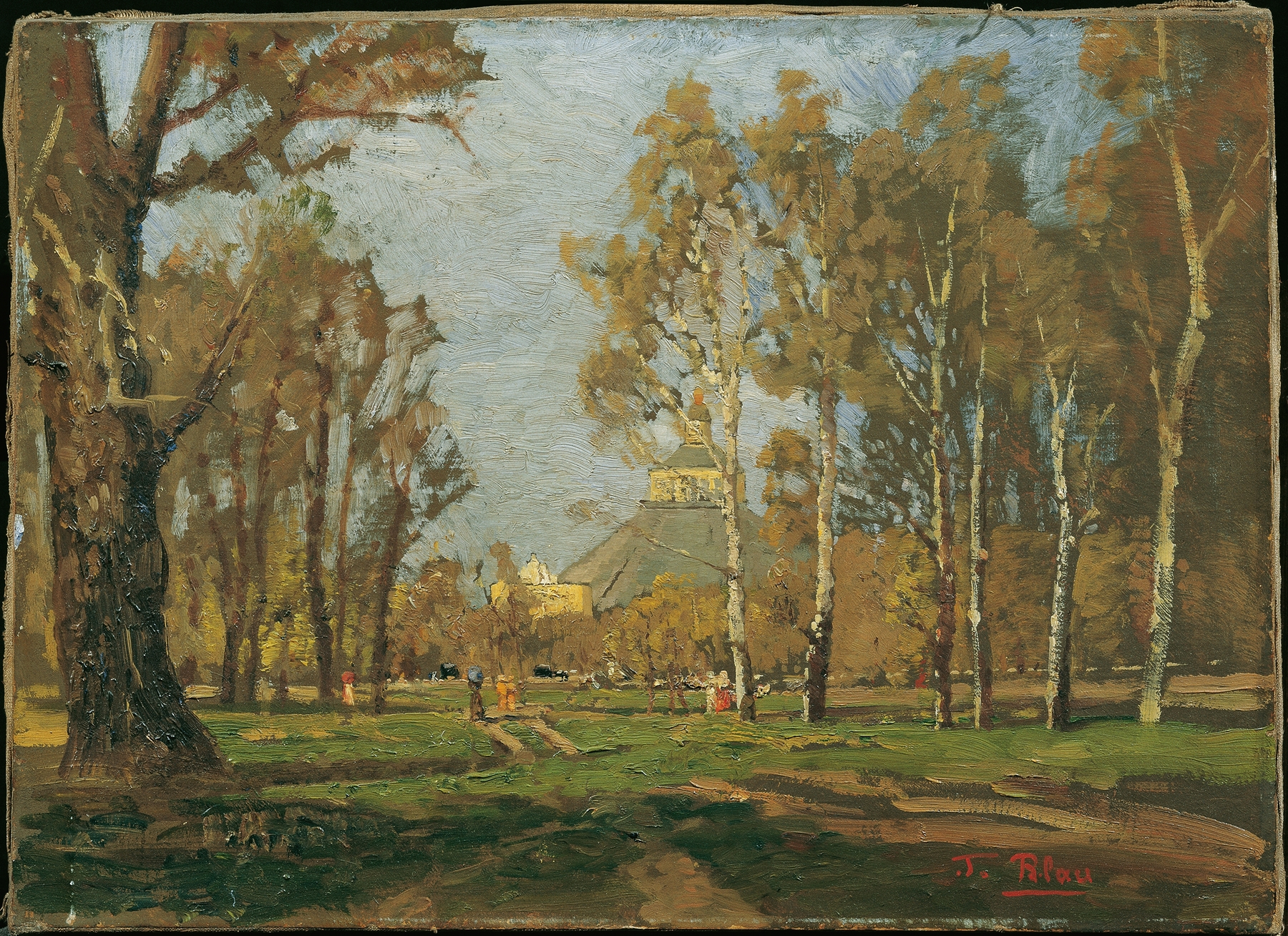
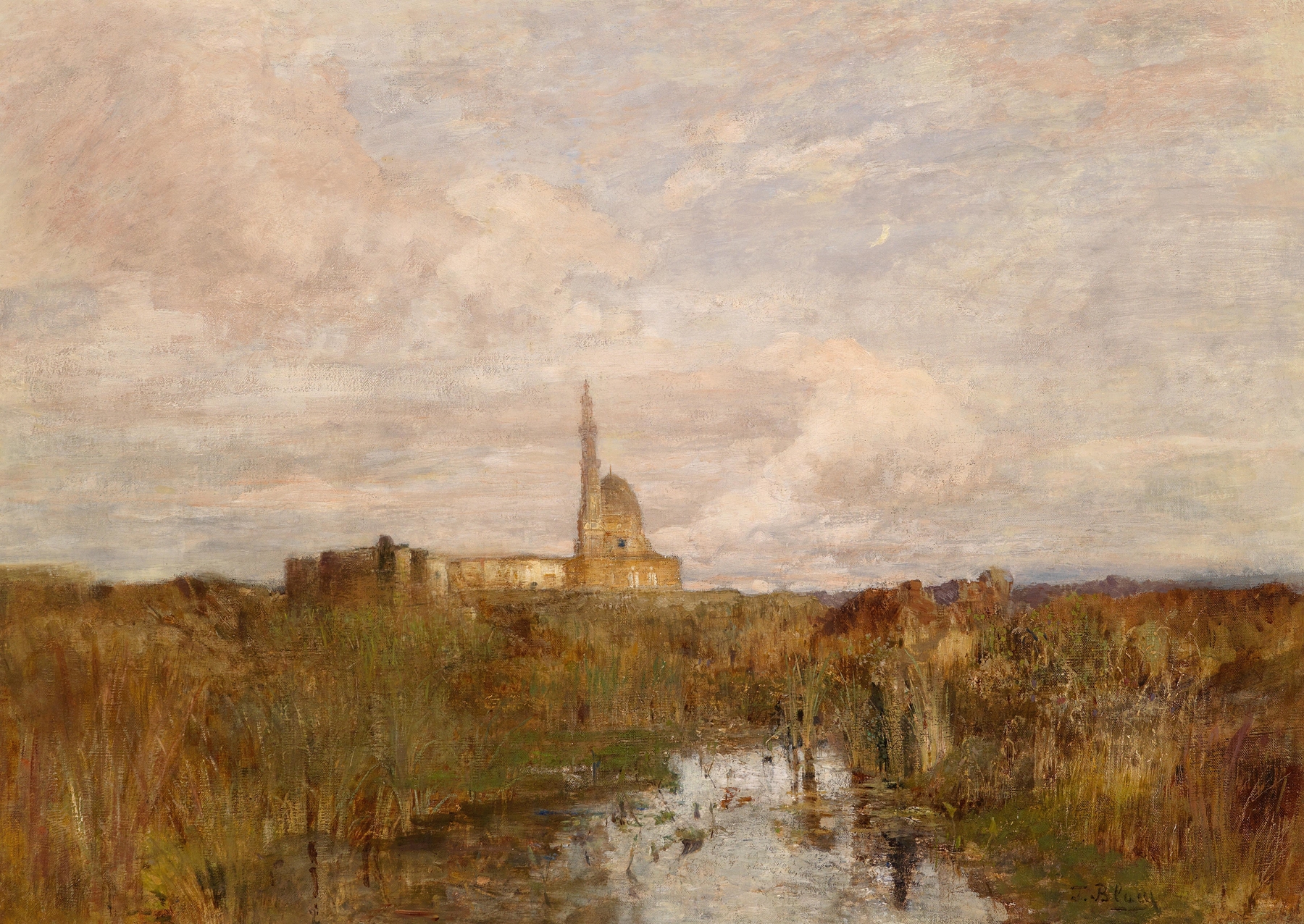
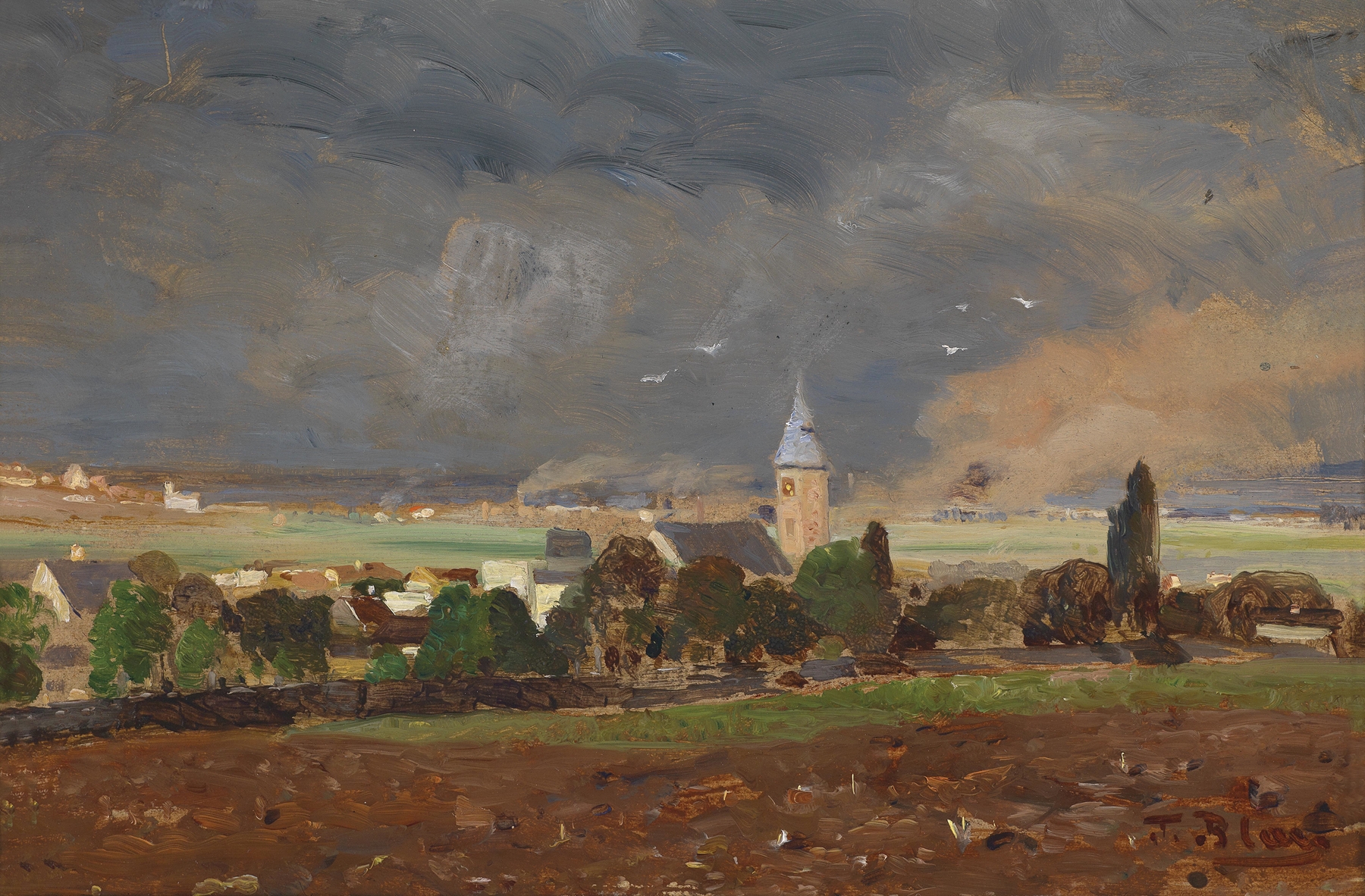
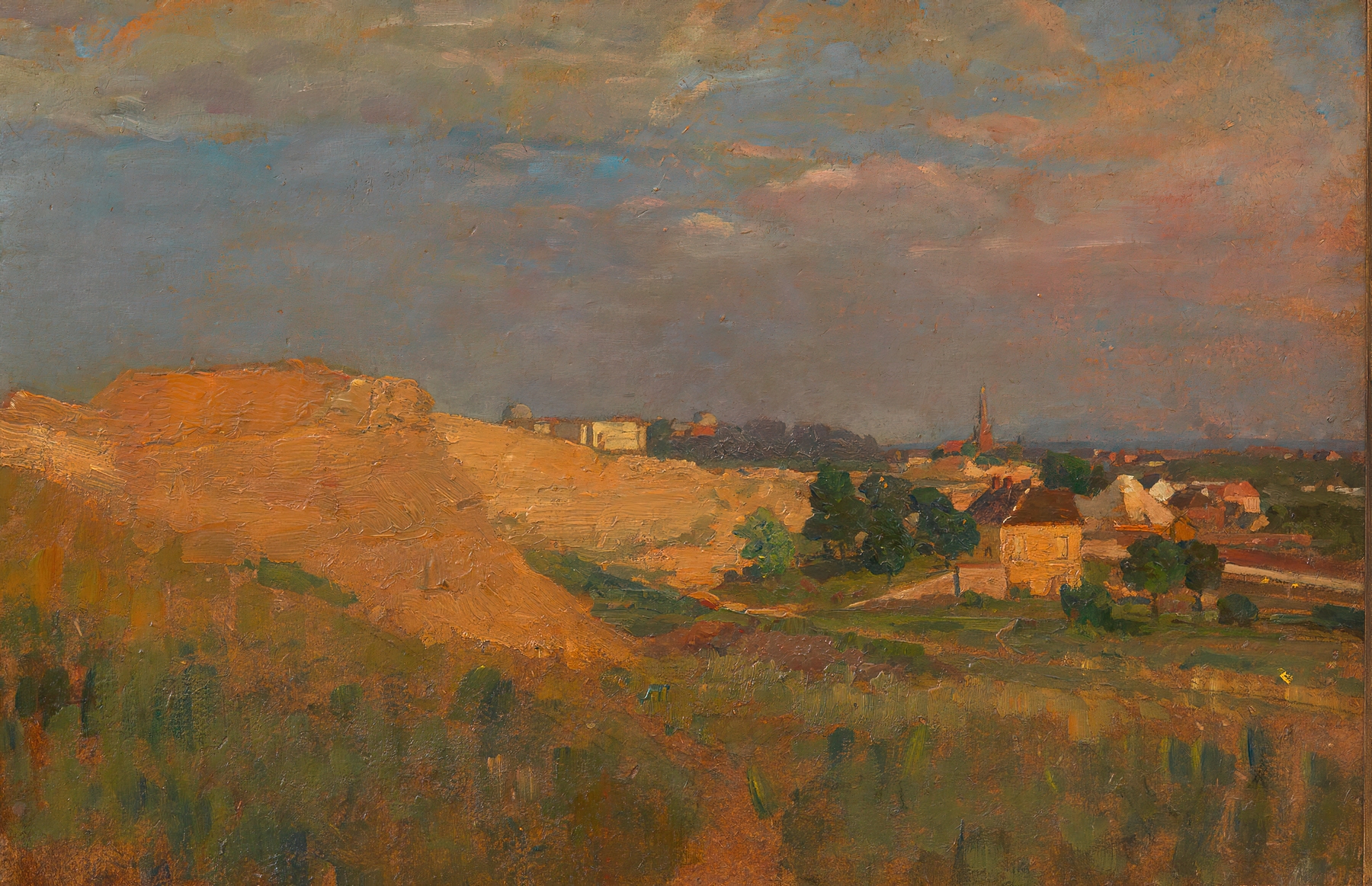
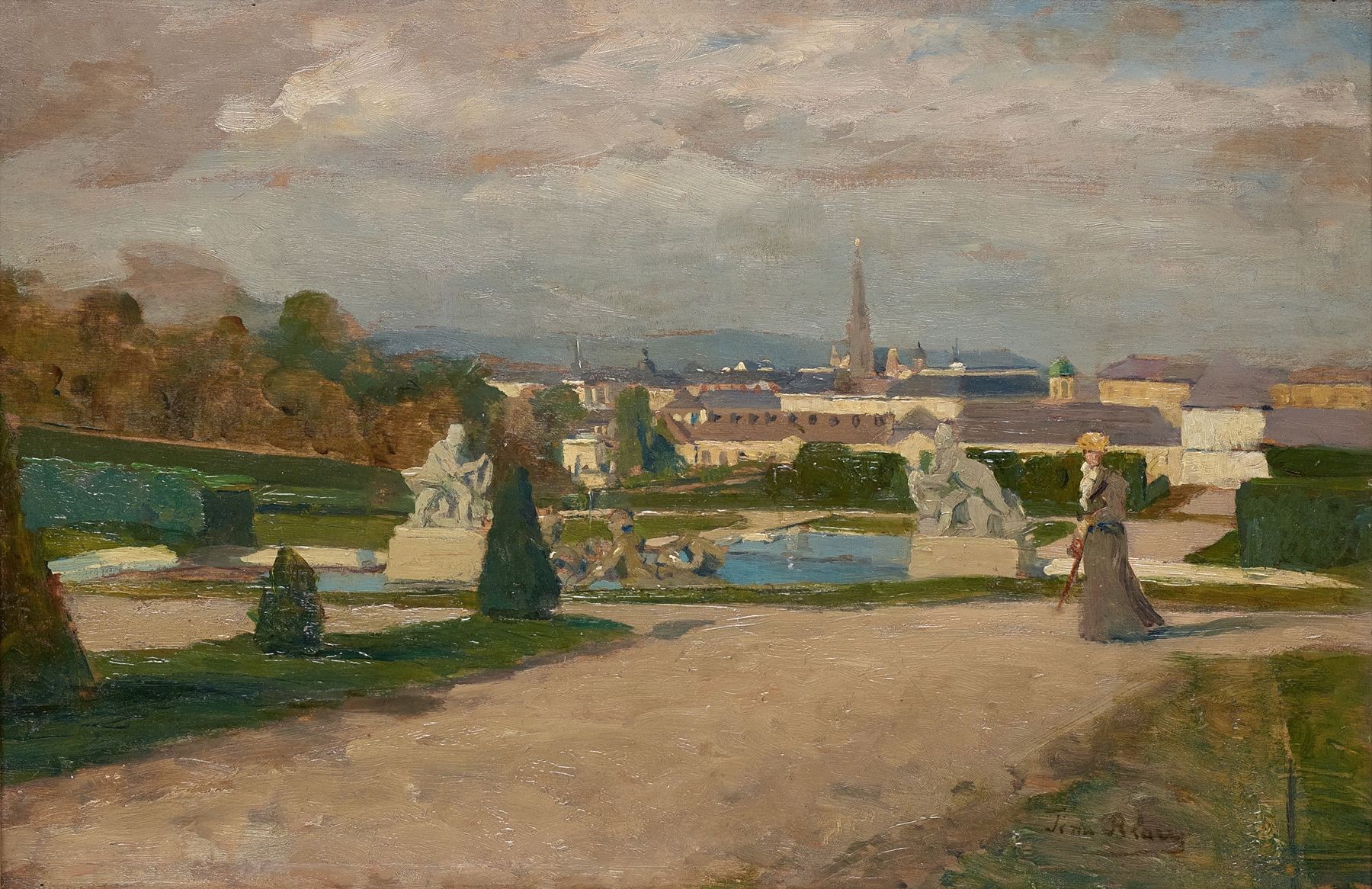
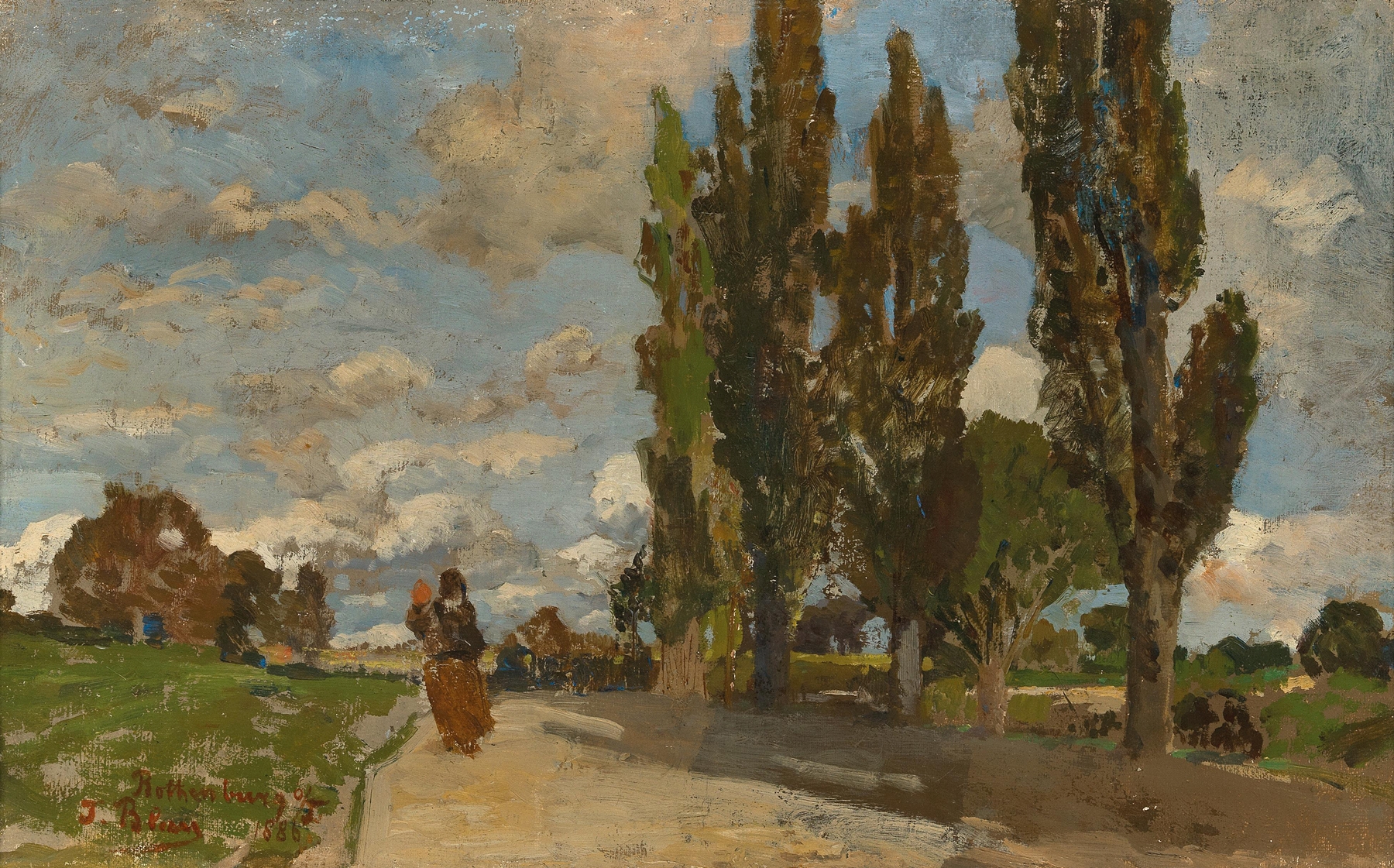
“Art reveals the soul when the world turns away.” In the vastness of a landscape, one can confront the silence of existence and the weight of solitude. Here, emptiness is not a void but a rich expanse, inviting contemplation and introspection. Look to the horizon, where the sky melds with the earth in a symphony of muted greens and delicate blues. Tina Blau's brushstrokes create an impression of gentle undulations, leading your gaze to the distant trees, their forms softened by atmospheric perspective.
The artist’s deft use of light captures the essence of the day, illuminating patches of grass while allowing shadows to linger, evoking a serene yet melancholic ambiance. Each stroke breathes life into the scene, balancing between the vibrant and the subdued. Within this landscape, contrasting elements emerge: the stillness of nature juxtaposed with the subtle movement of the clouds, suggesting the passage of time. The spaciousness, though tranquil, also exudes a sense of longing; it beckons viewers to reflect on what lies beyond the canvas.
Emptiness here is more than absence; it evokes a contemplation of the untold stories that reside in these silent spaces, prompting questions about presence and absence in our own lives. In 1888, while embracing the plein air movement, Blau painted this work amidst her journeys in and around Vienna. At this time, she was establishing her voice in a predominantly male art world, navigating both personal aspirations and the evolving landscape of Impressionism. Her dedication to capturing the nuances of light and atmosphere marked a significant development in the representation of landscape, linking her work to the broader currents of her time.