Quiet night — History & Analysis
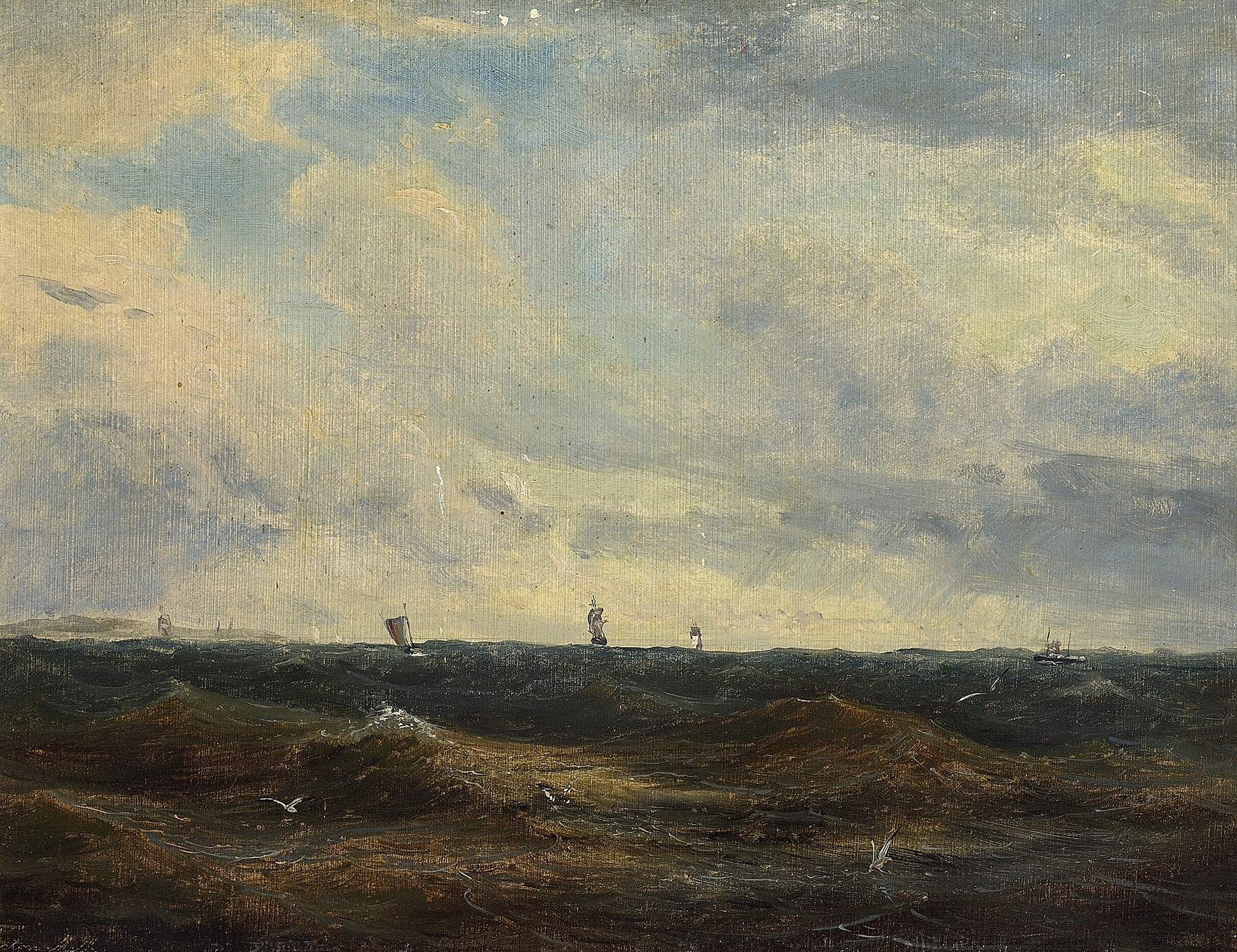
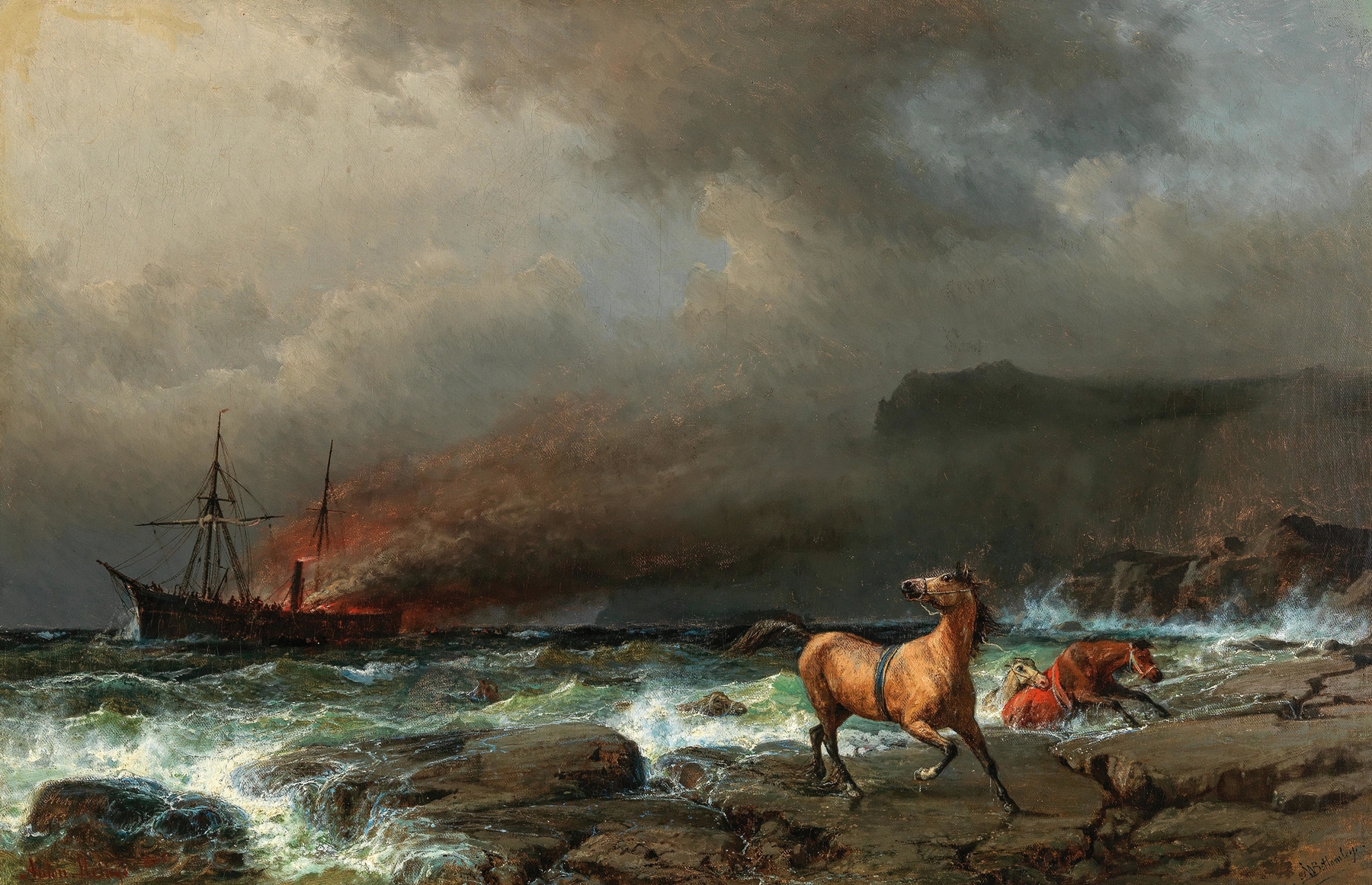
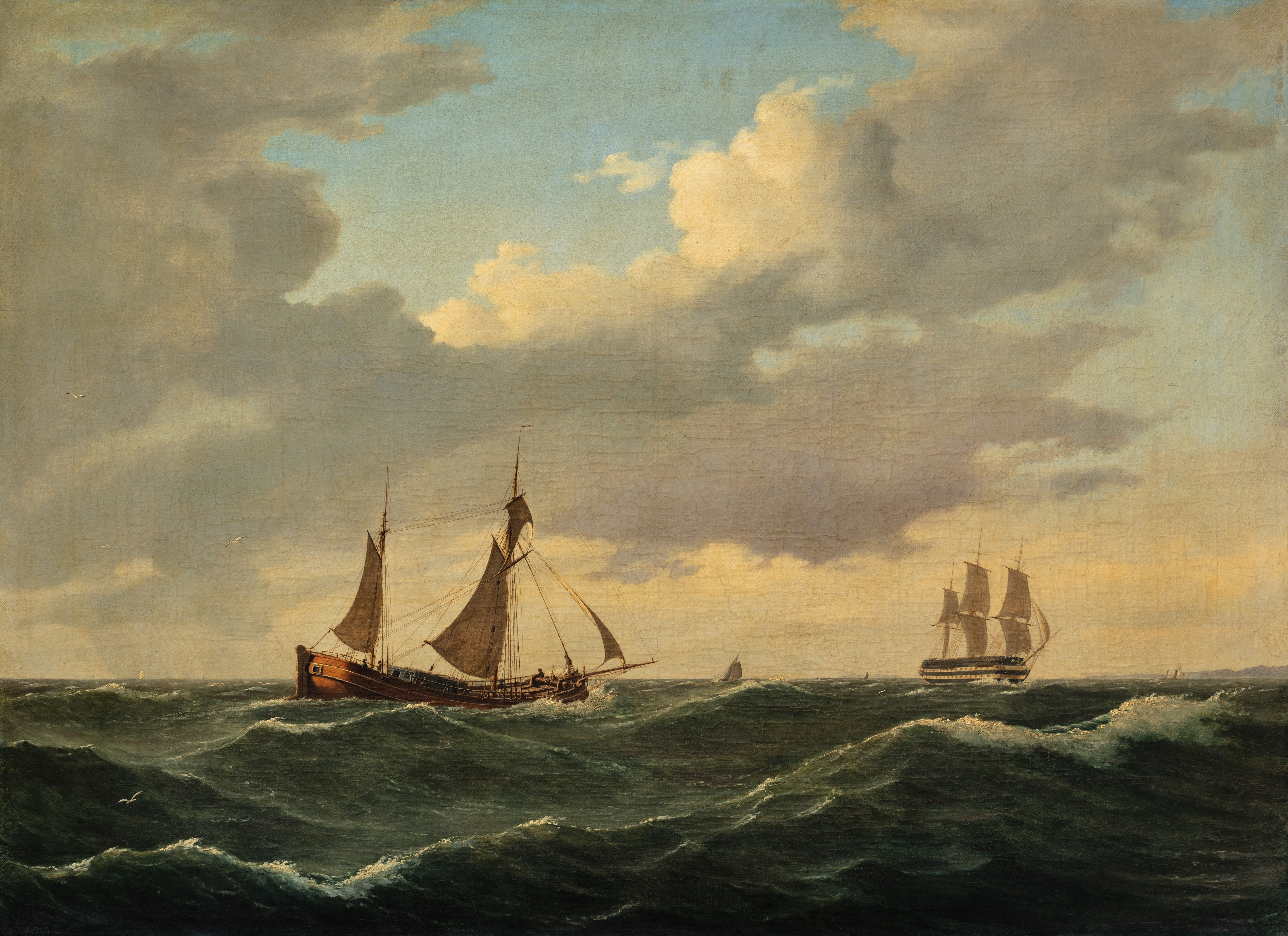
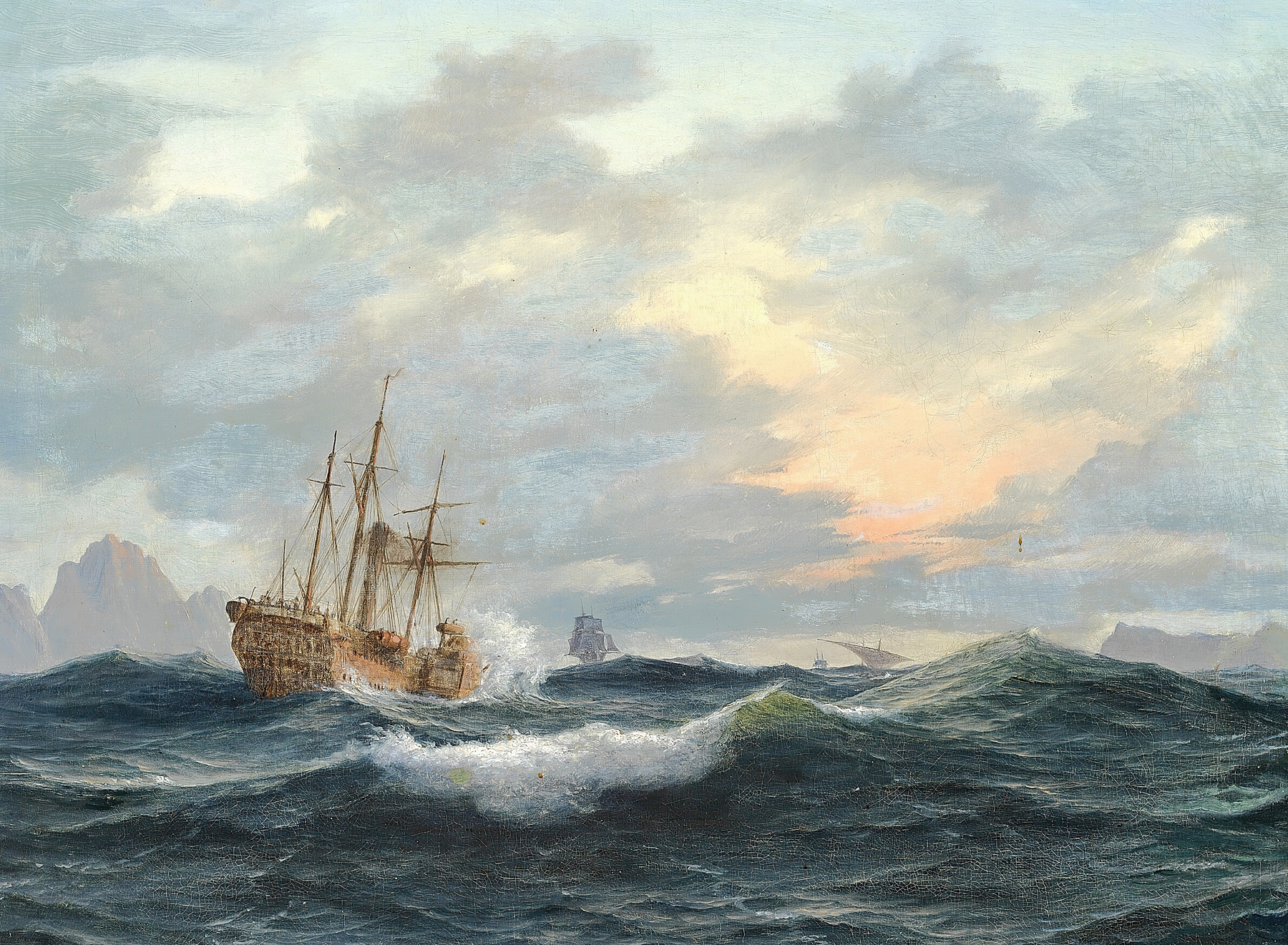
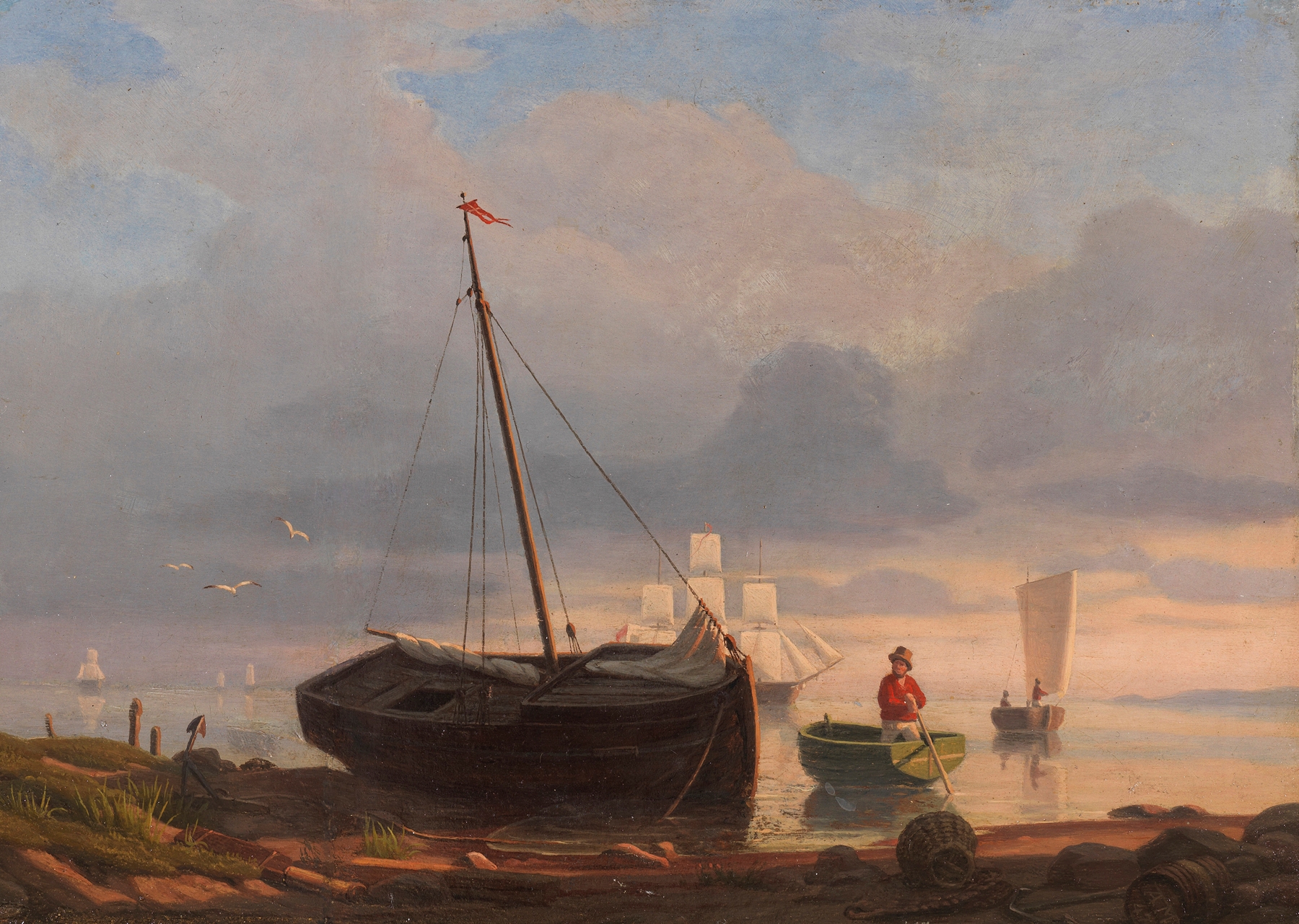
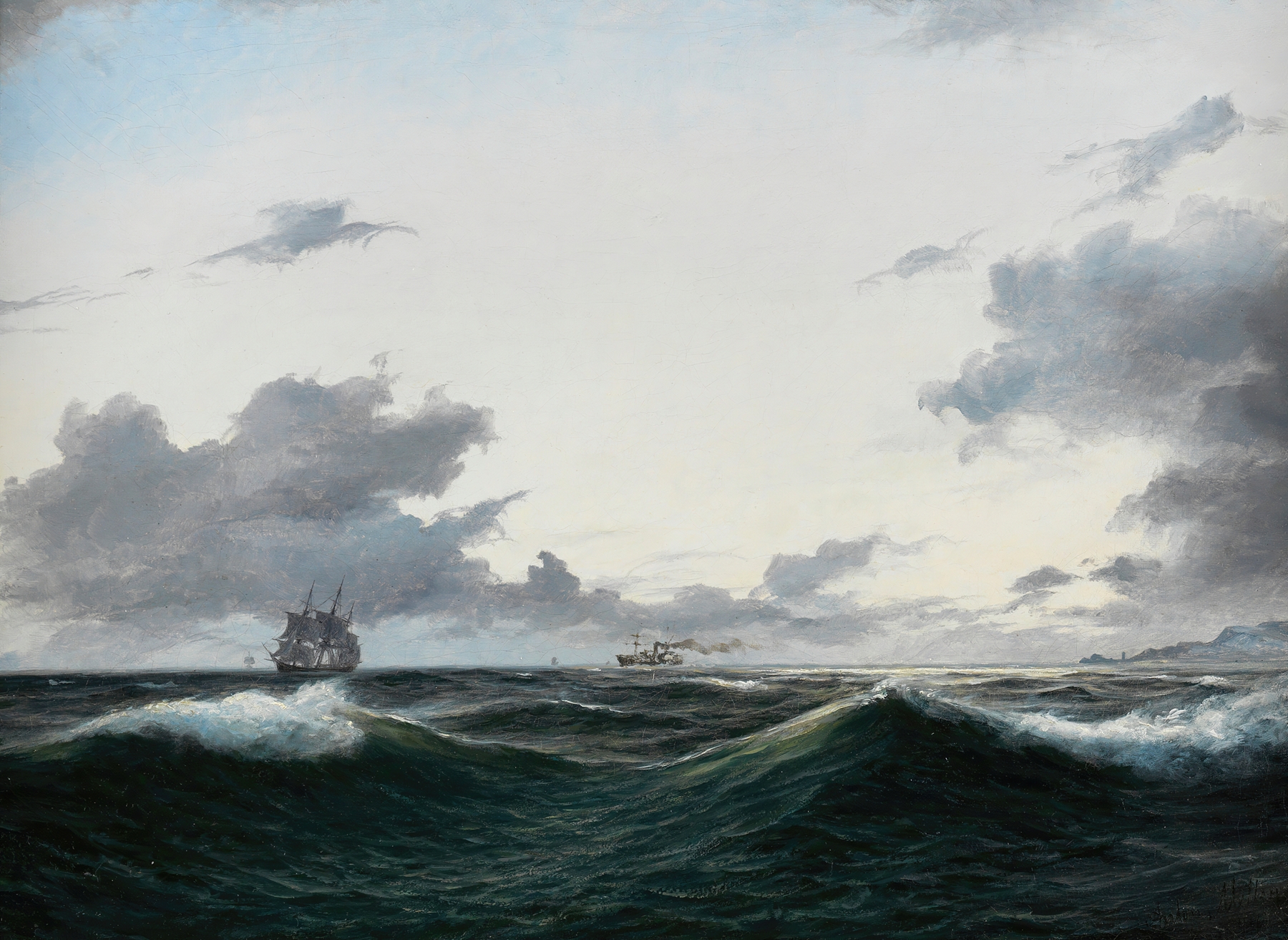
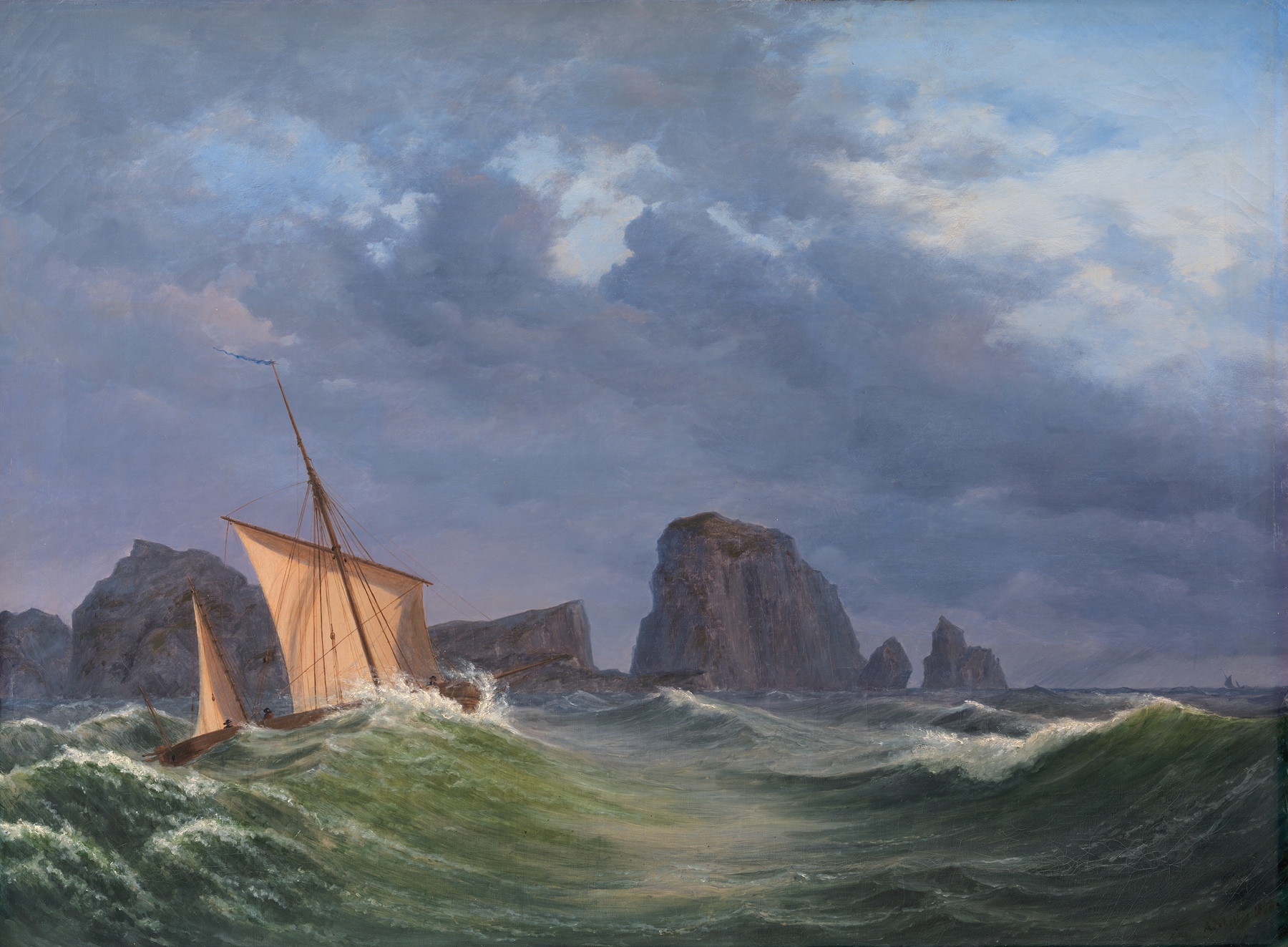
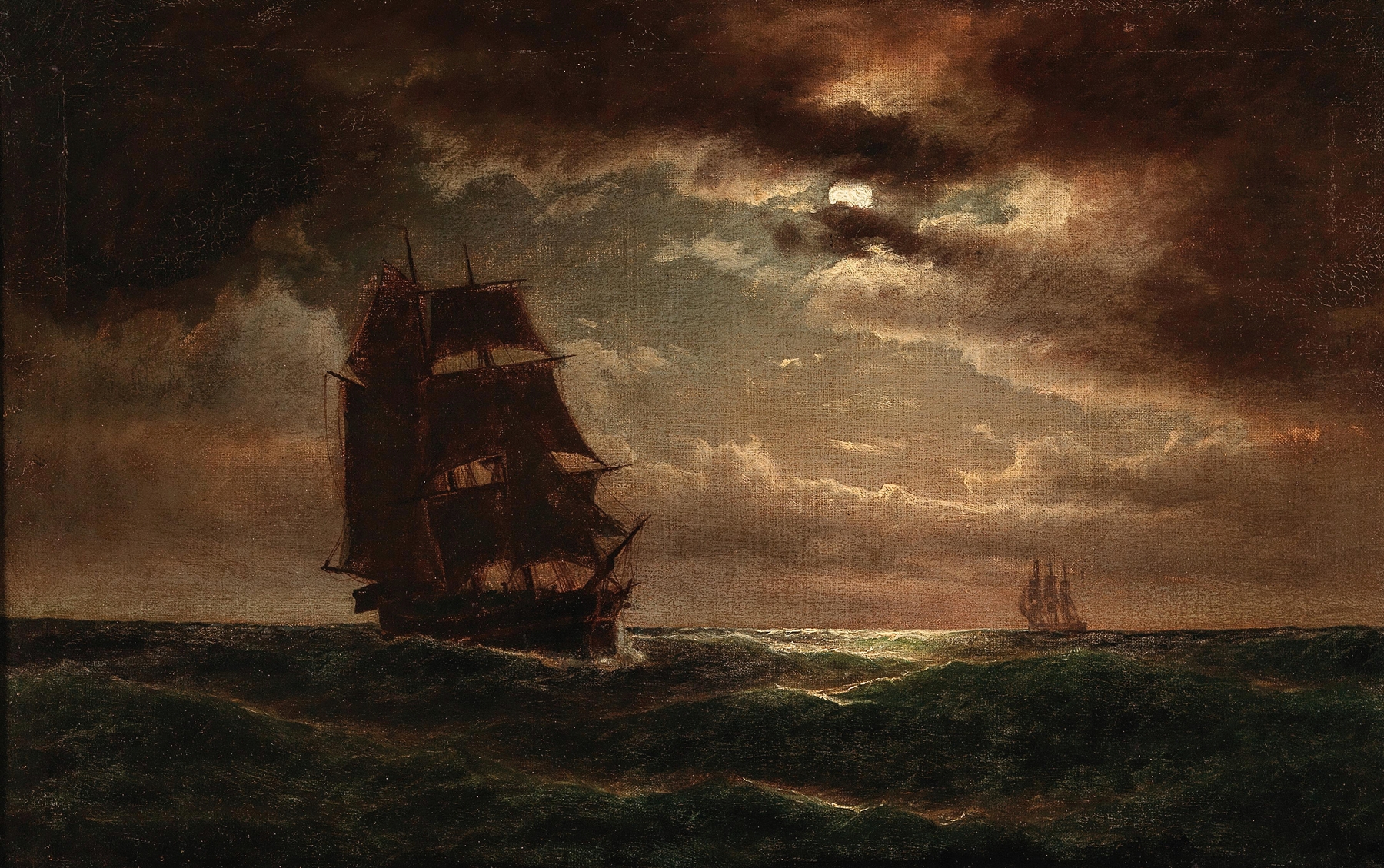
“Every silence here is a confession.” In the stillness of a night scene, where shadows blend with the indigo canvas of the sky, awe envelops the observer like a warm embrace. The serene ambiance invites reflection and contemplation, drawing us into the profound tranquility that only night can offer. Look to the left, where the delicate moonlight bathes a calm coastal landscape, illuminating the gentle ripples of the water. Notice how the artist employs soft brushstrokes to create a velvety texture, enhancing the sense of stillness. The palette of deep blues and muted browns evokes a sense of serenity, while the faint glimmers of light hint at hidden depths in the dark.
Here, each element is meticulously placed, guiding your gaze toward the horizon where the night meets the sea. As you absorb the scene, consider the emotional contrasts at play. The stillness of the water reflects not only the beauty of the night but also the quietude of the human spirit—the hidden depths of thoughts and dreams. In the distance, a solitary boat rests, symbolizing both isolation and freedom, inviting the viewer to ponder their own journey.
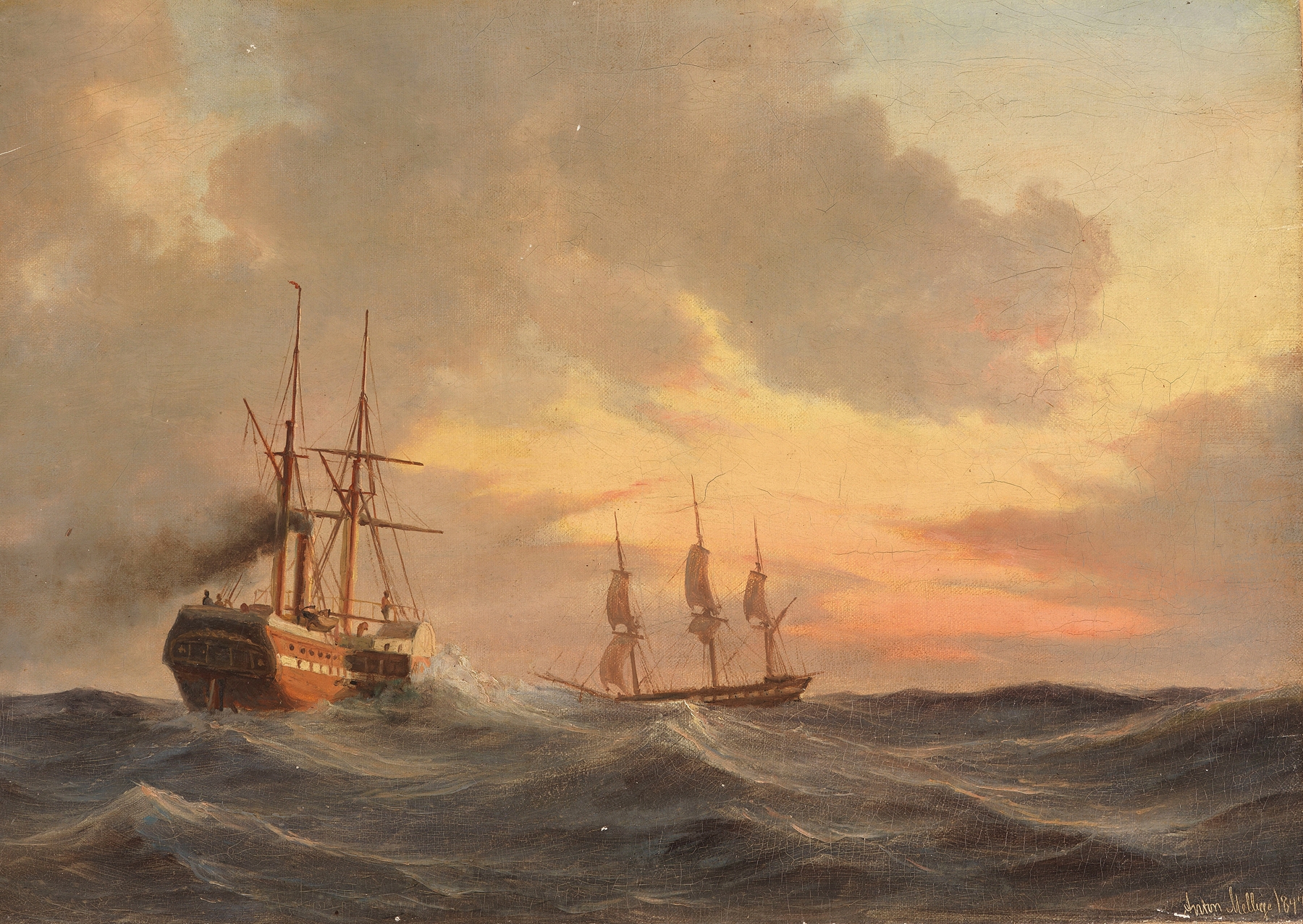
The interplay of light and shadow echoes the tension between solitude and connection, a delicate balance artfully captured in this nocturnal moment. In 1847, Anton Melbye painted this piece while living in Denmark, immersed in the Romantic movement that sought to evoke emotion through nature. During this period, he was influenced by the awe-inspiring landscapes of his homeland, navigating both personal and artistic growth. The world was changing rapidly, yet Melbye remained grounded in his quest to capture the sublime beauty of the natural world, an endeavor vividly evident in this work.