River Landscape — History & Analysis
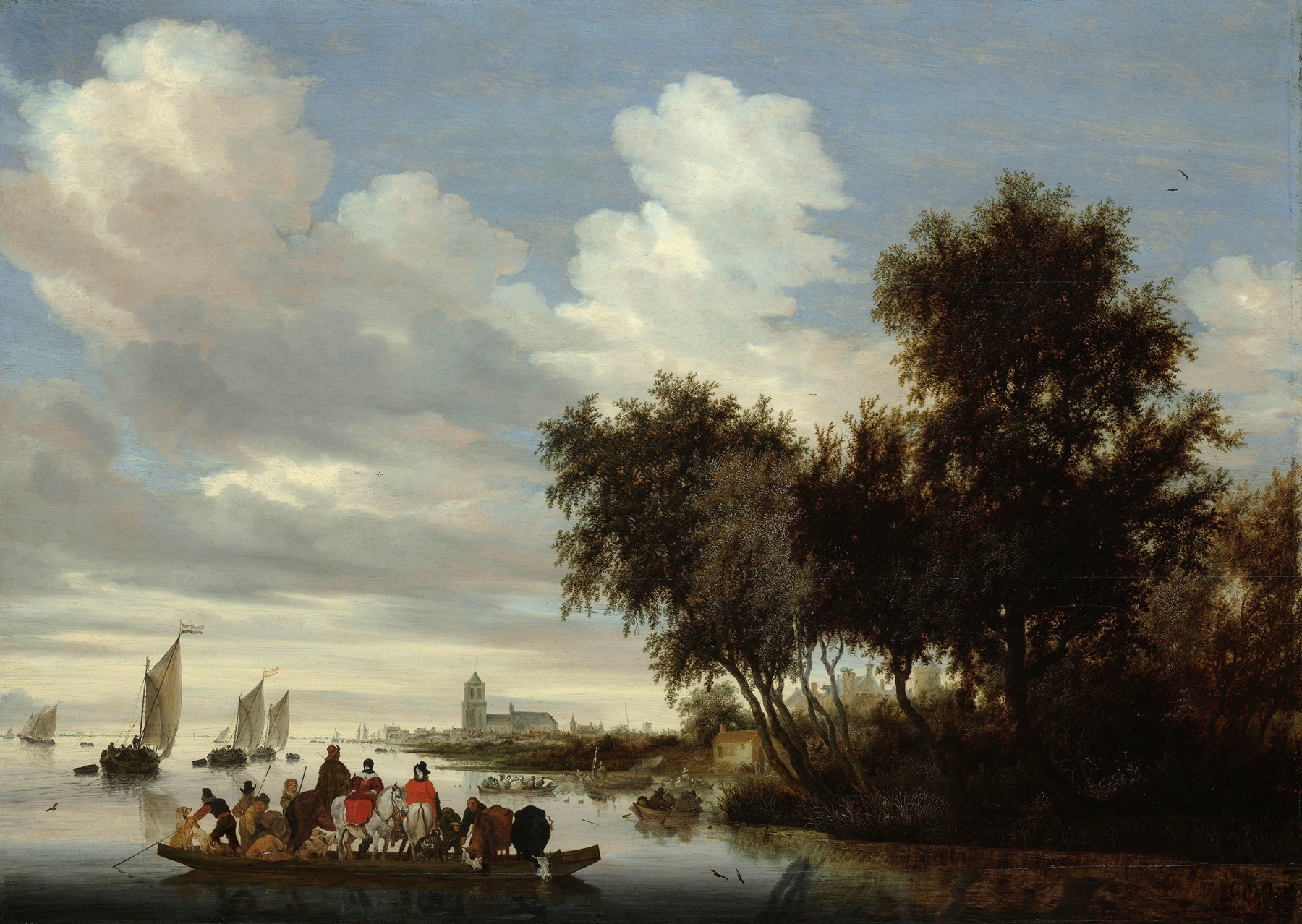
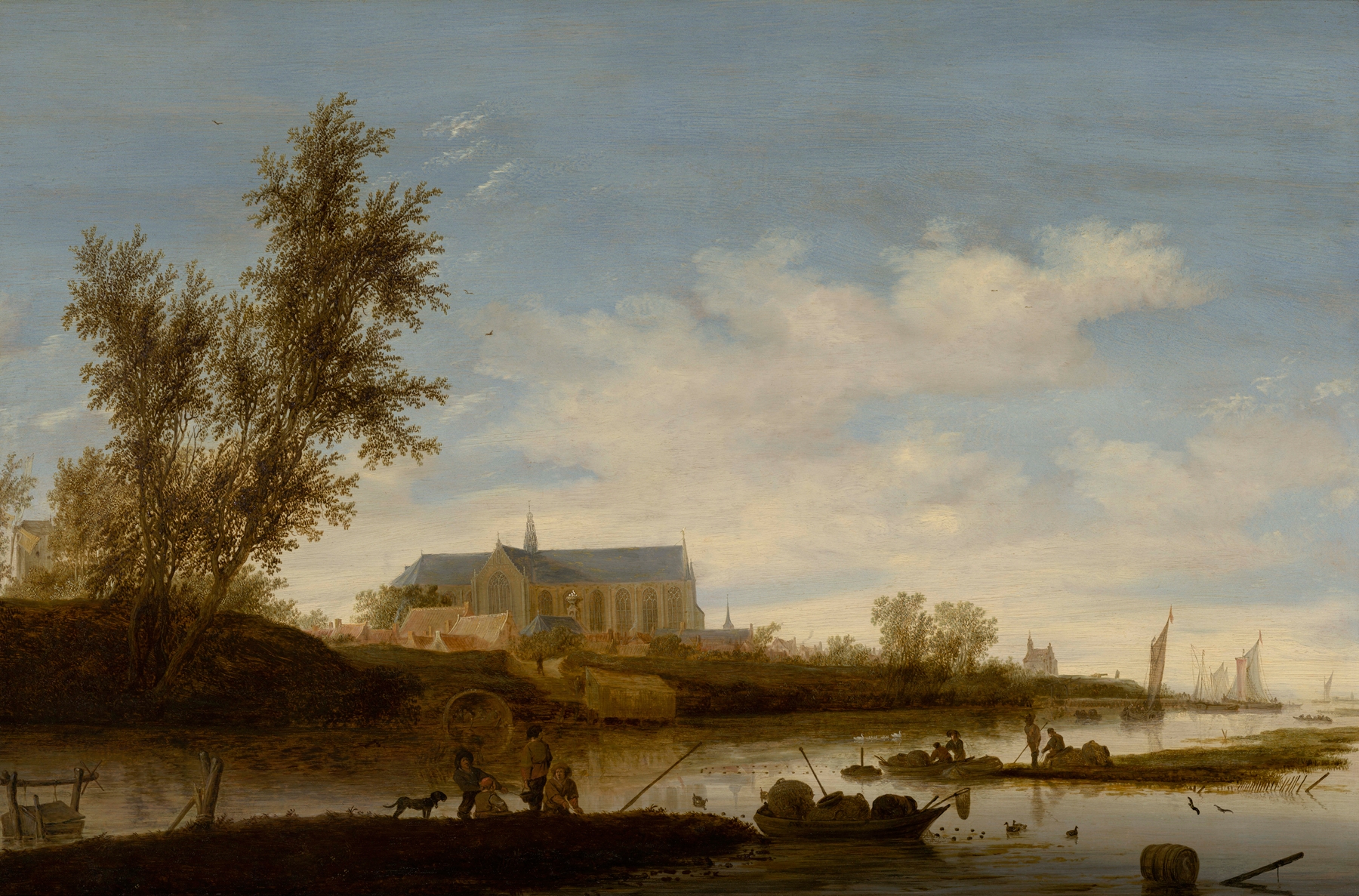
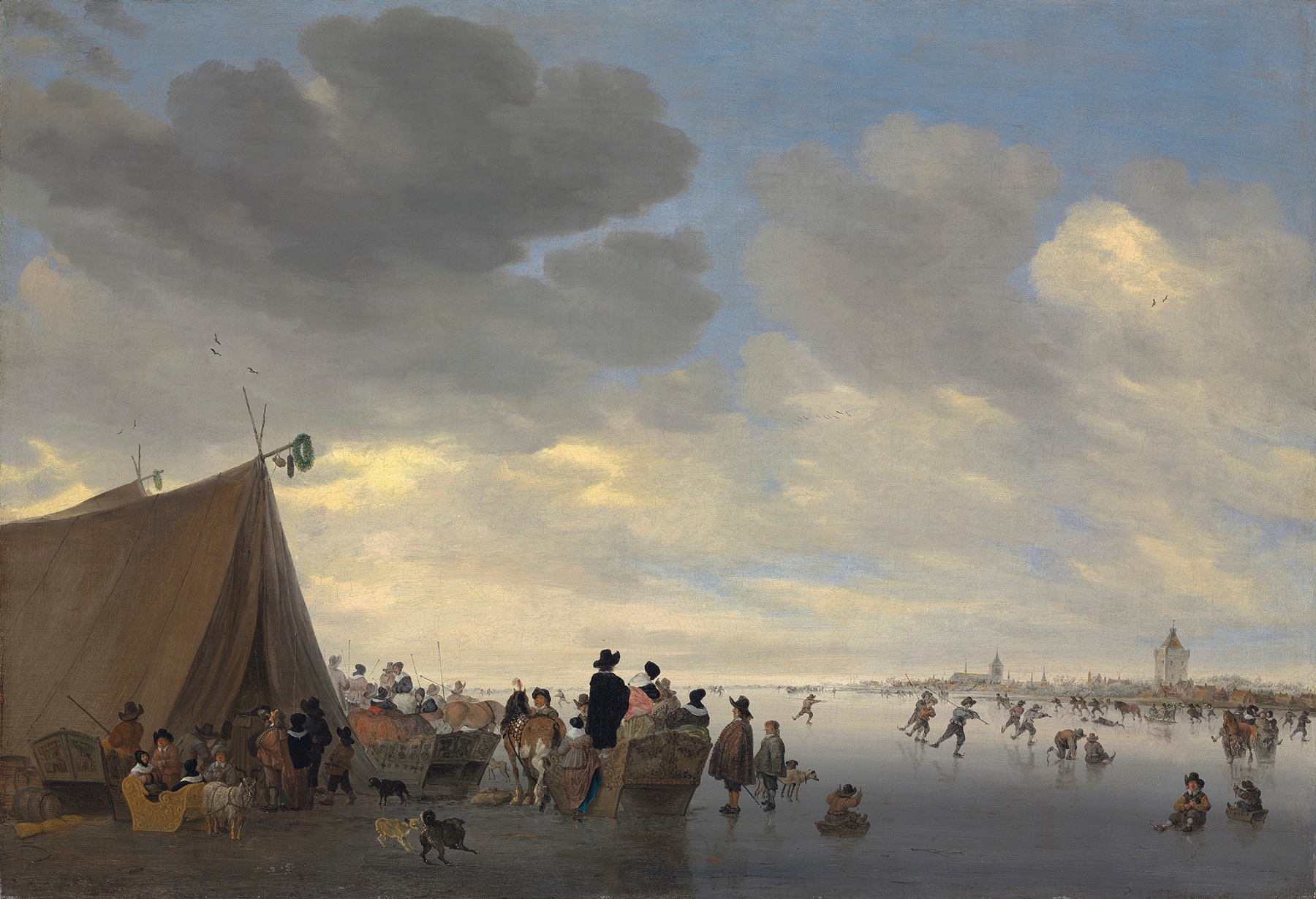
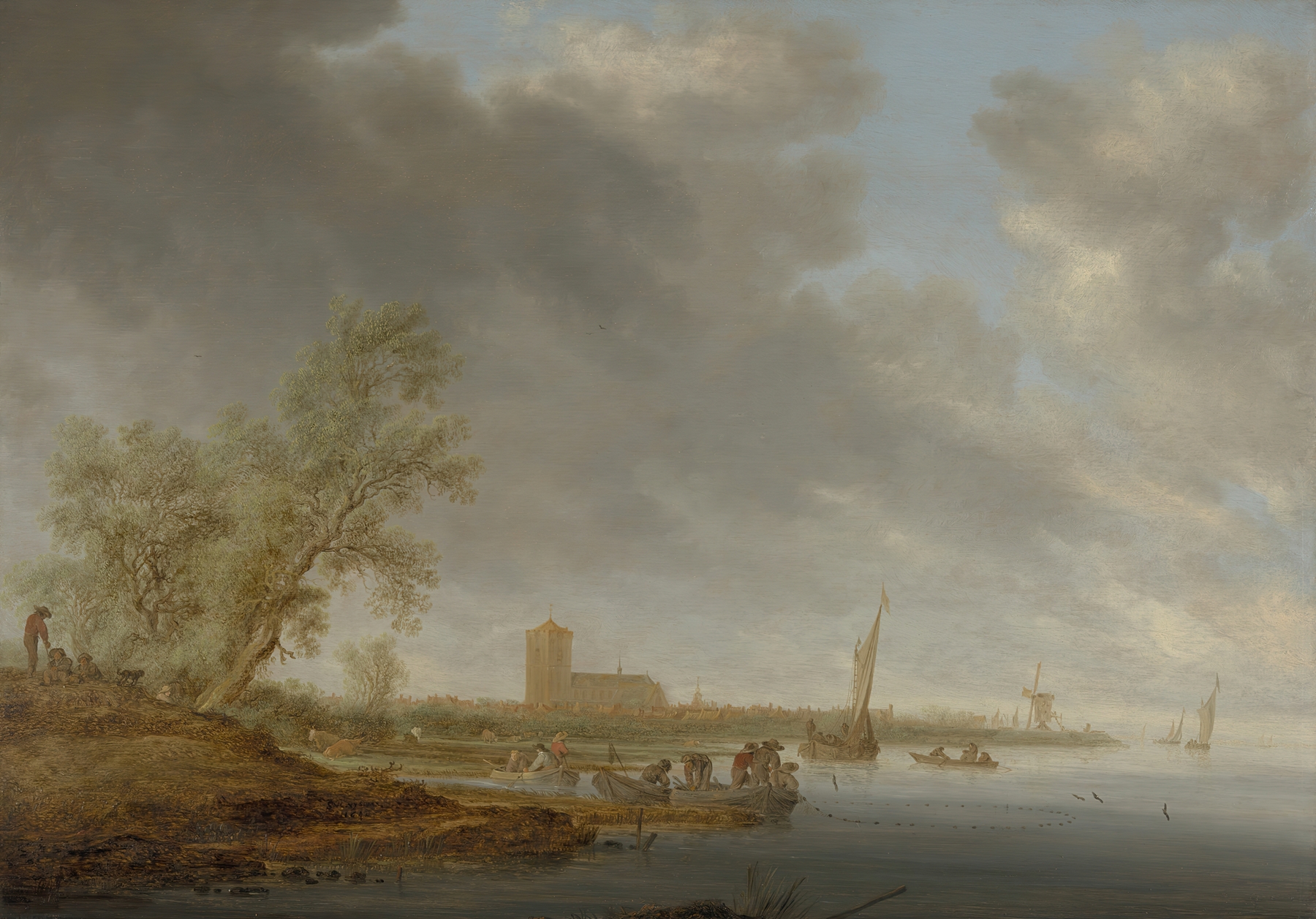
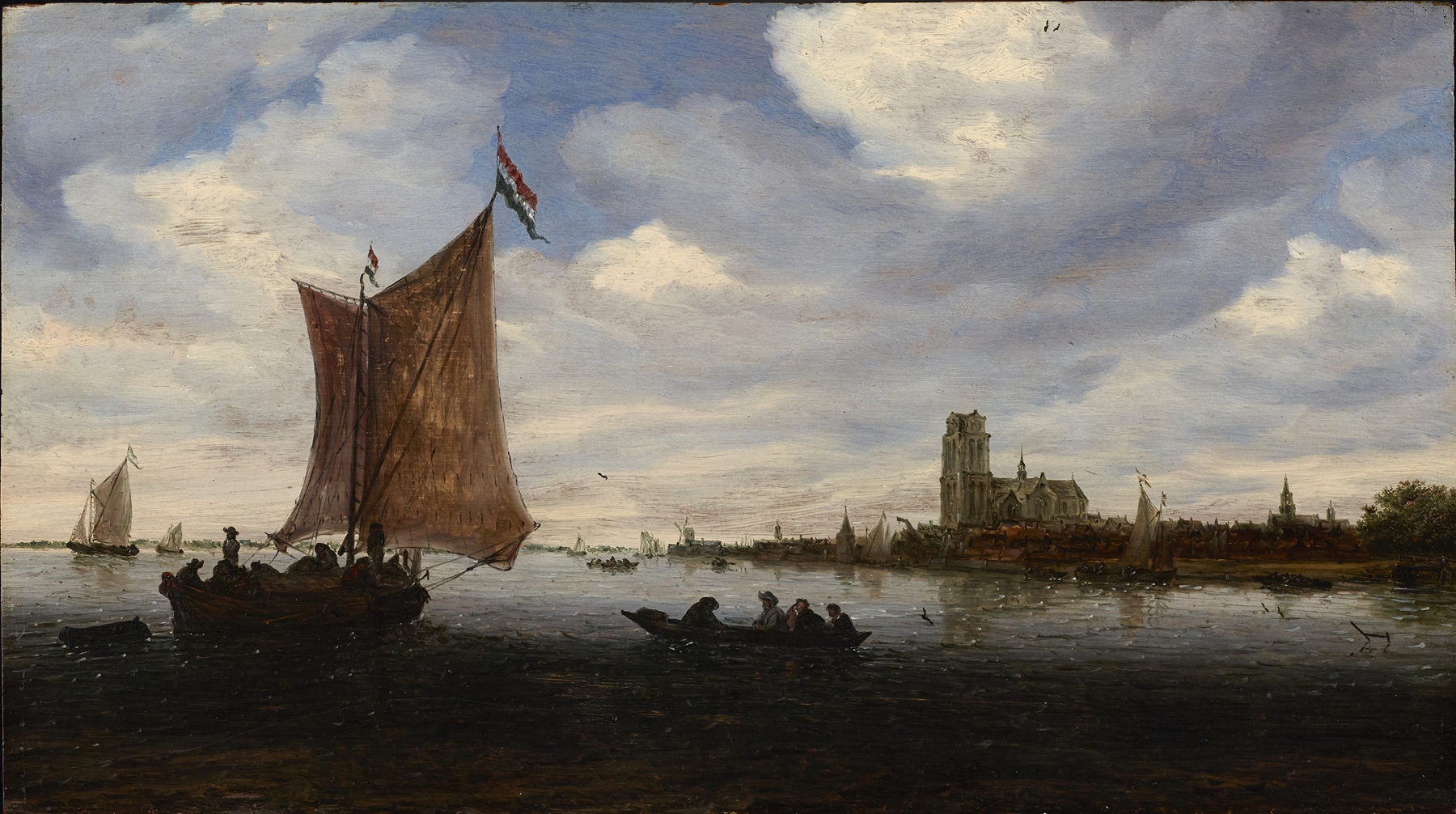
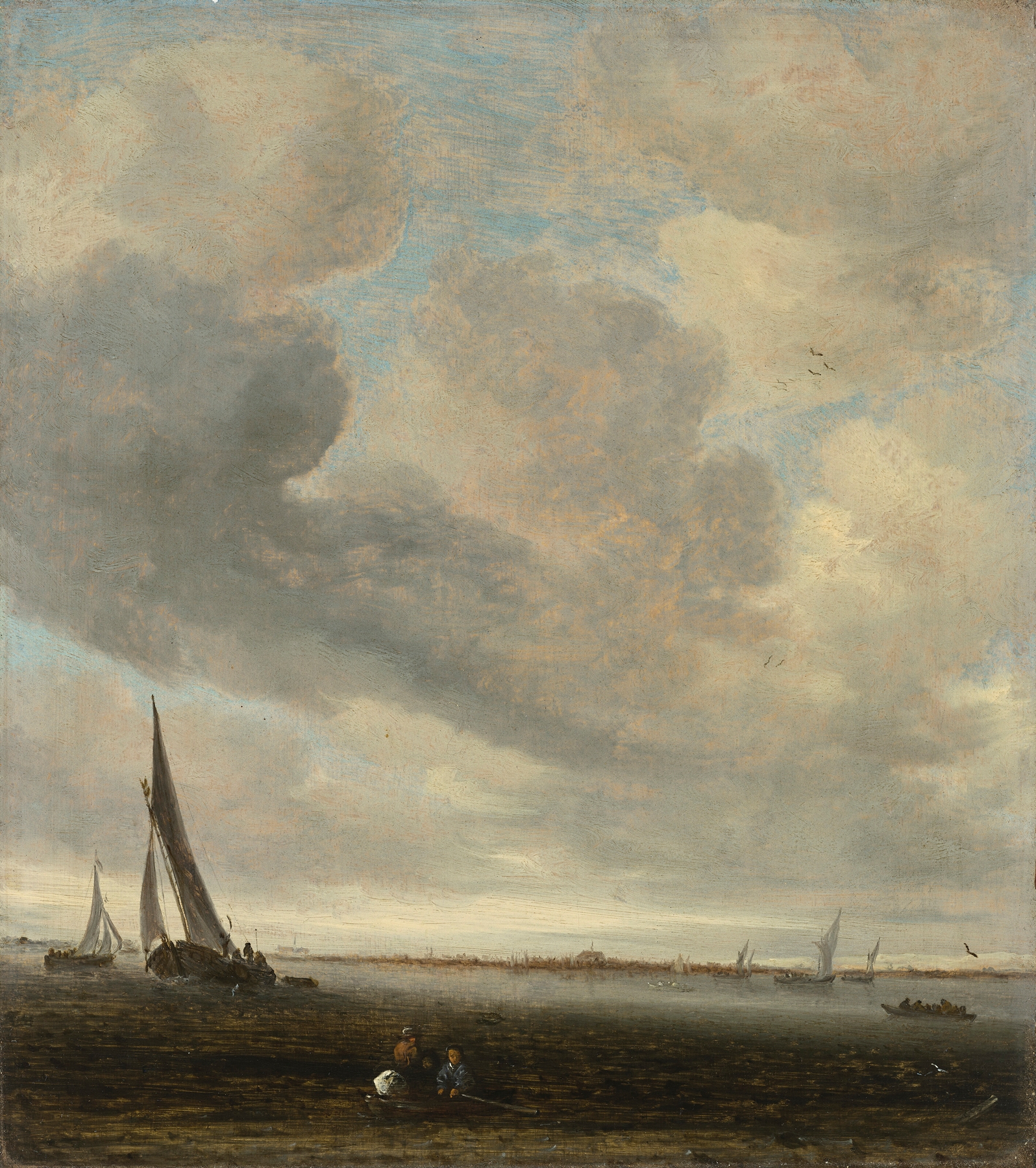
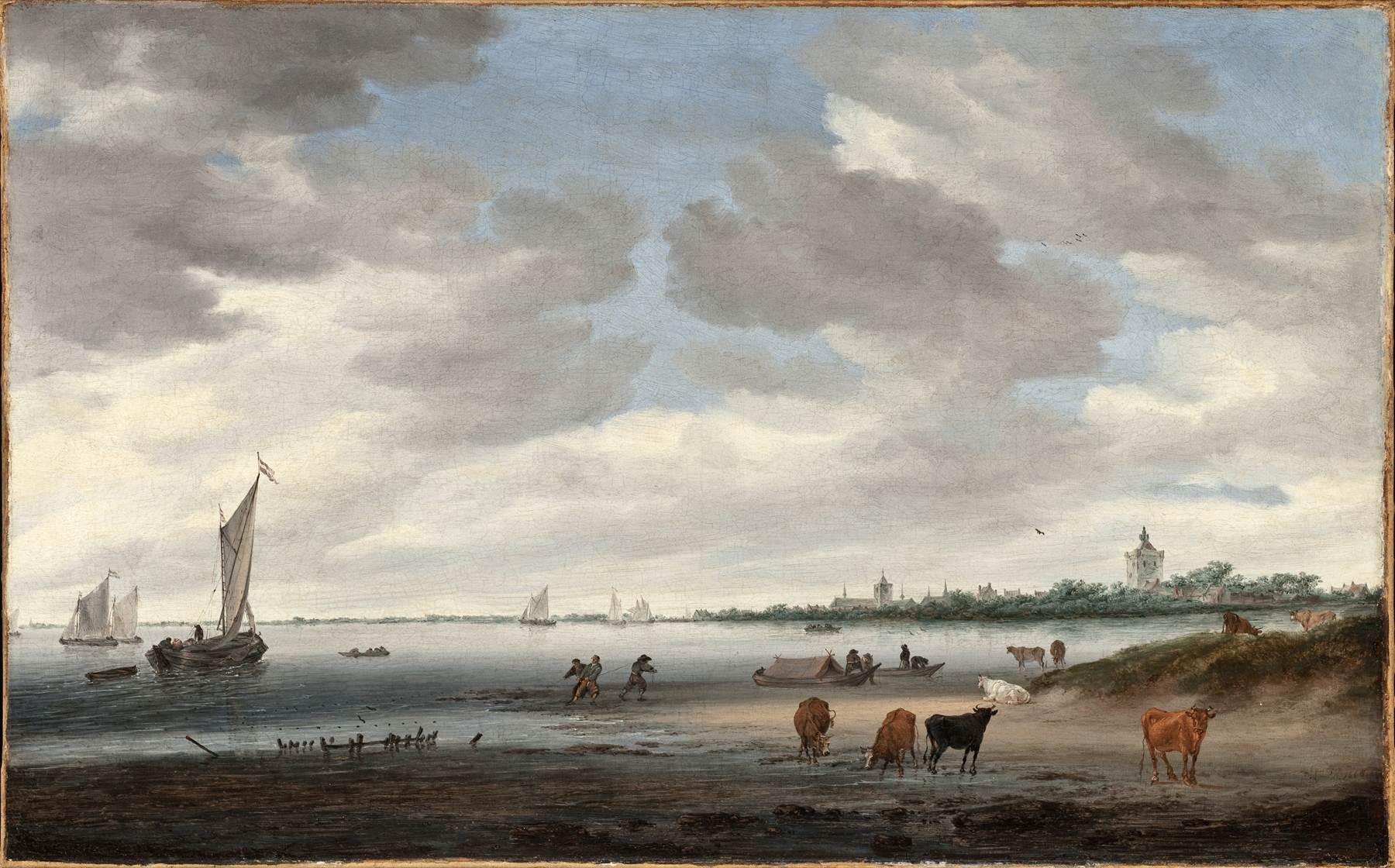
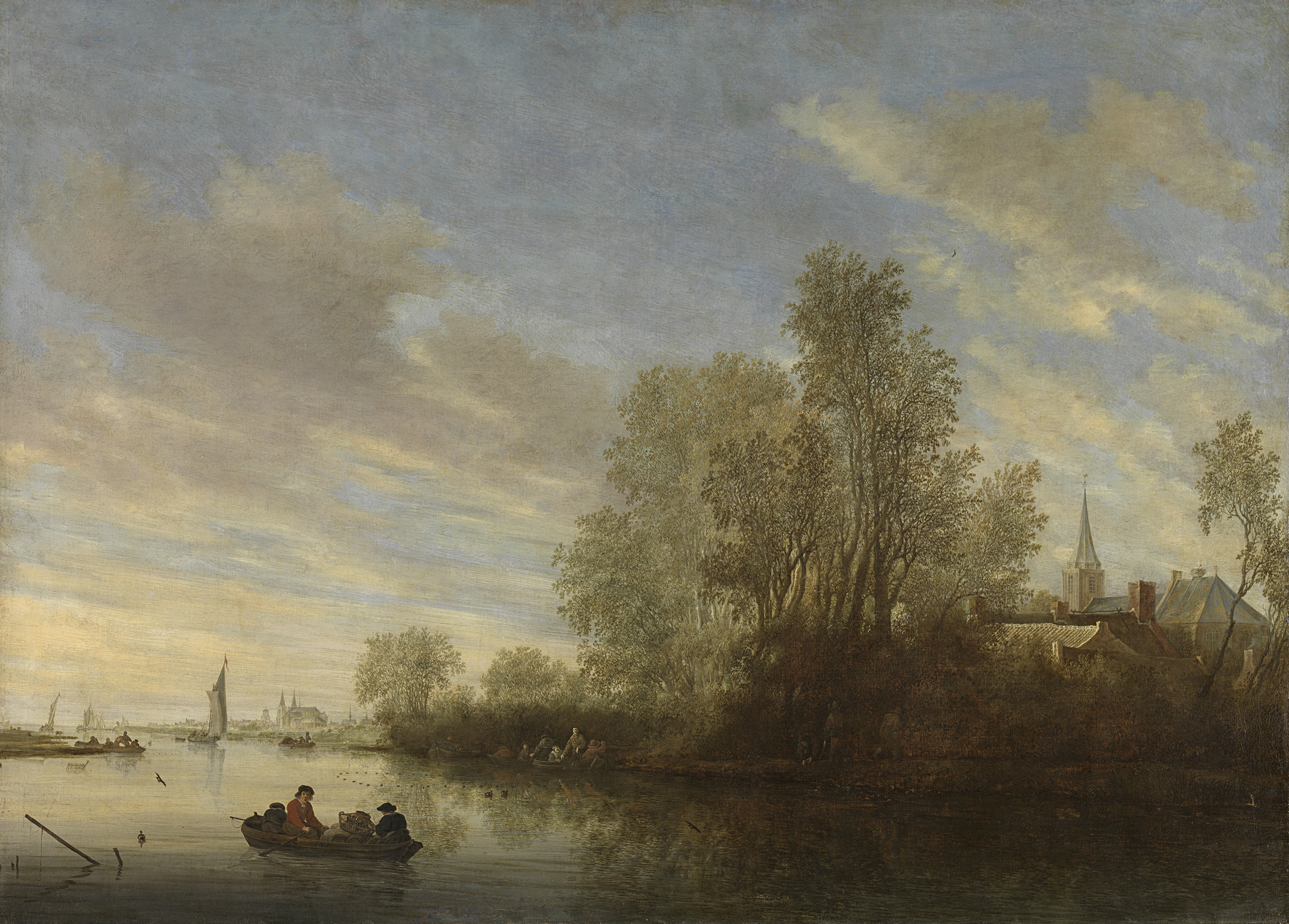
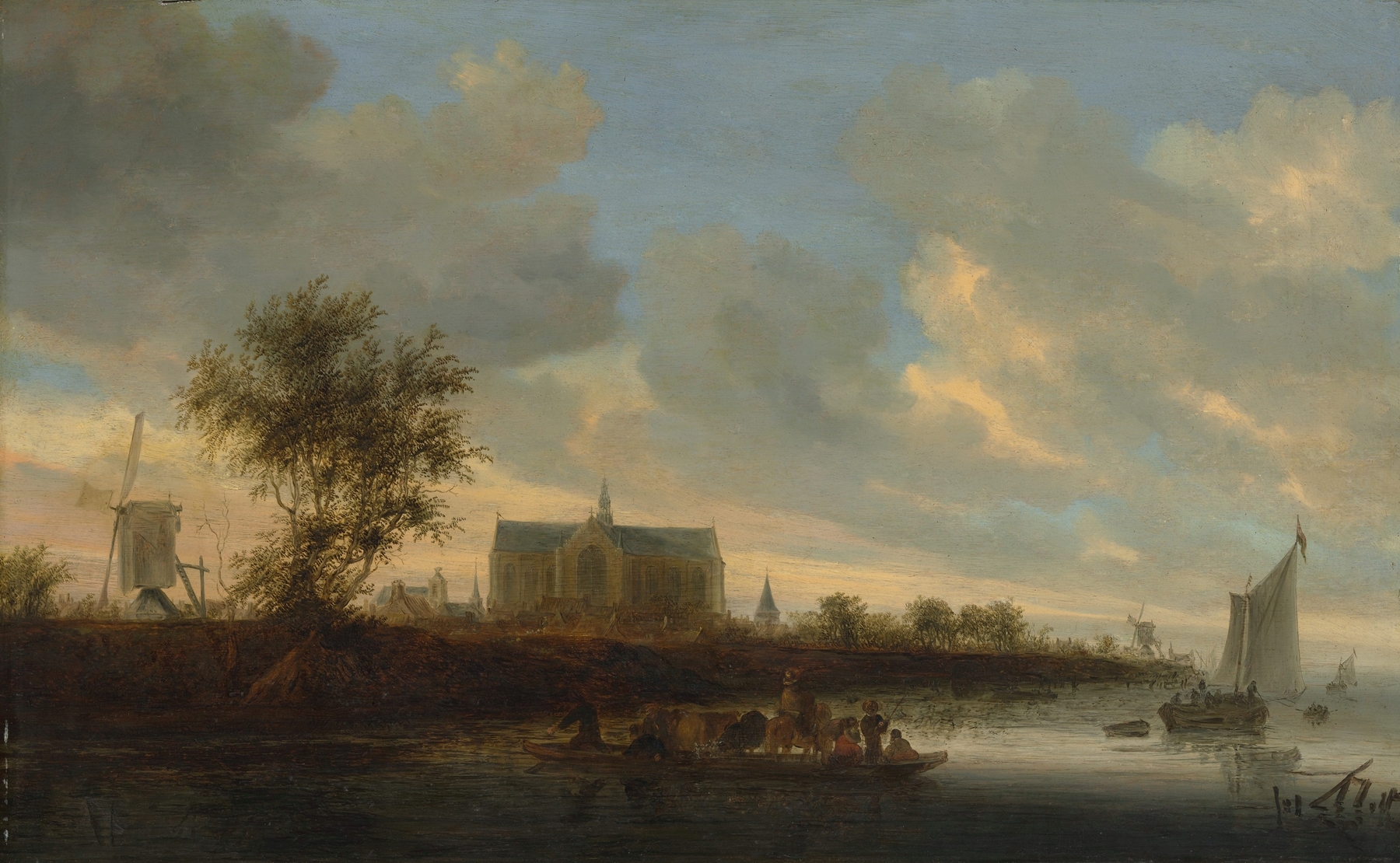
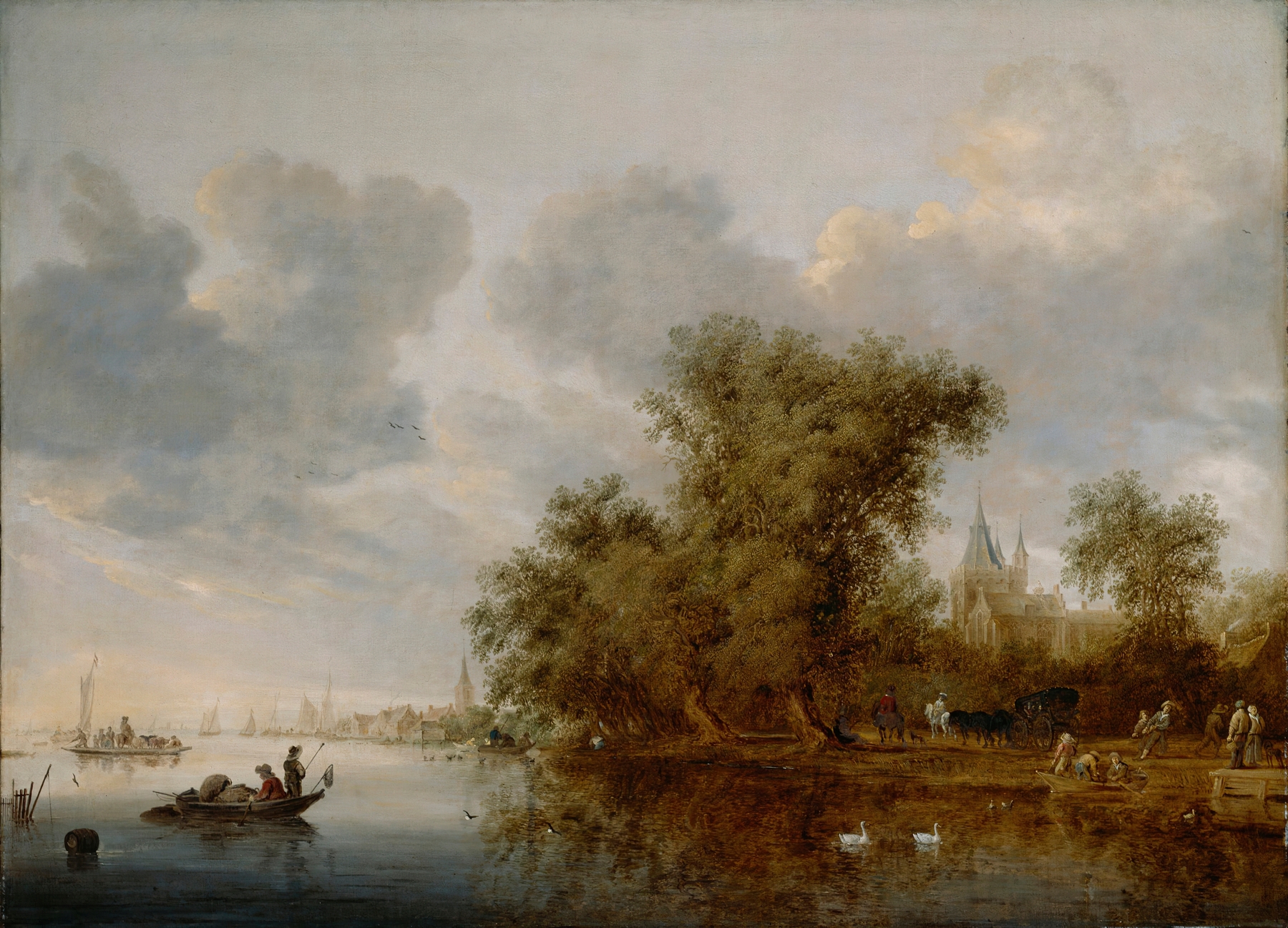
Could beauty survive in a century of chaos? In River Landscape, the artist captures nature’s serene resilience amid the turbulence of 17th-century Europe, where revolution brewed just beyond the horizon. First, look to the left at the gently flowing river, where the water mirrors the soft hues of a dusky sky. The delicate brushwork and subtle gradations of blue and gray evoke tranquility, inviting your gaze to explore the banks dotted with lush greenery. Notice how the tall trees frame the scene, their leafy canopies contrasting with the dark, looming clouds, while a small boat drifts lazily, hinting at humanity's fragile presence in this majestic landscape.
The composition balances light and shadow, allowing you to feel the gentle embrace of dusk settling in. Digging deeper, the painting's contrasts unfold like the layers of its own history. The calmness of the river belies the tumult of political upheaval; the idyllic setting offers a stark juxtaposition to the chaos of war that ravaged the continent. The solitary boat could symbolize isolation or resilience, a representation of humanity’s struggle to find peace amid uncertainty.
Every brushstroke whispers of a world caught between beauty and the impending storm of revolution. In 1643, during a time of civil unrest in the Netherlands, the artist found solace in landscapes, reflecting the harmony he longed for in a fractured world. Van Ruysdael painted this piece amidst a flourishing Dutch Golden Age, where art mirrored the complexity of society, revealing the duality of nature's tranquility against a backdrop of human strife. His work stands as a testament to the enduring power of beauty in turbulent times.