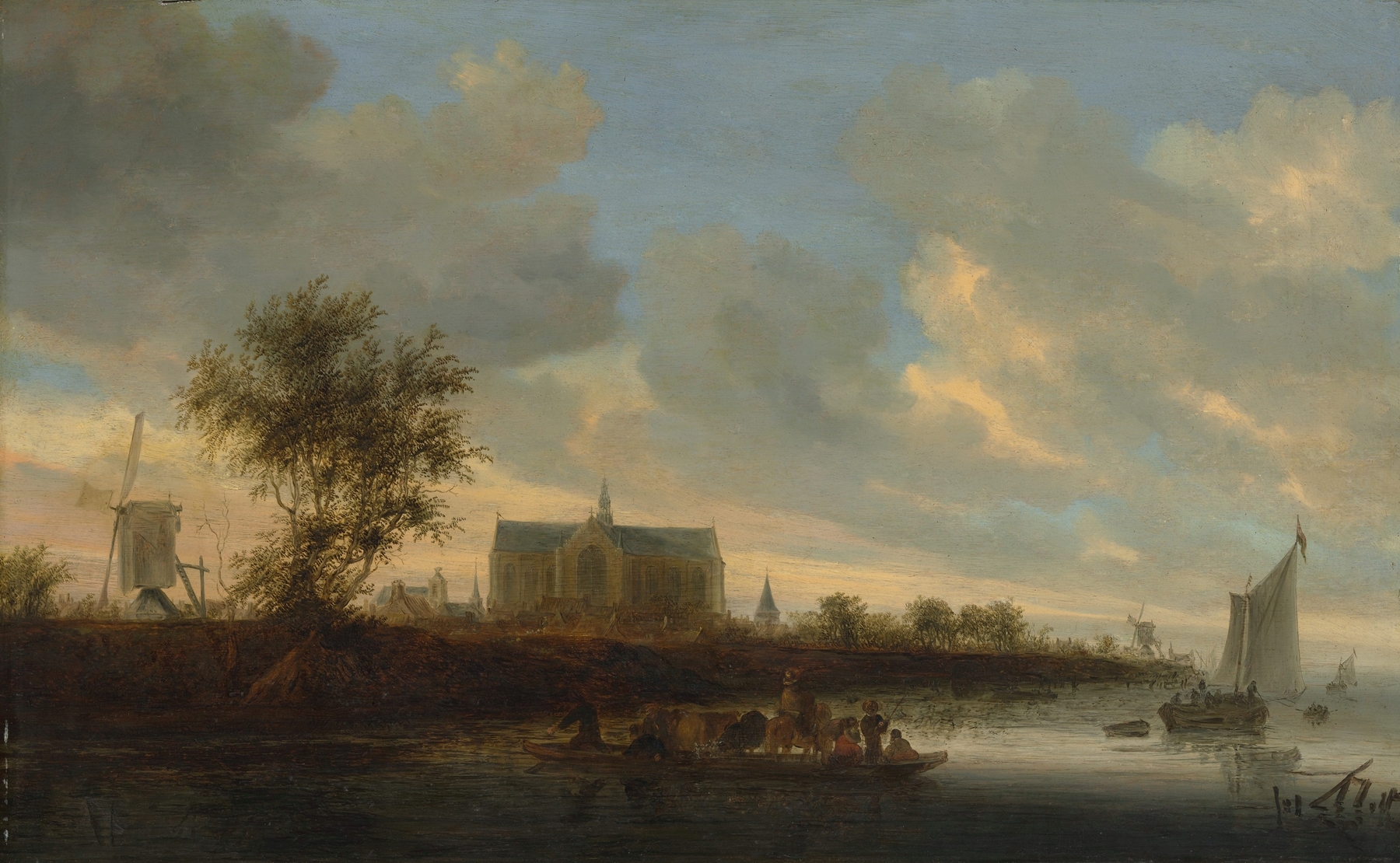
An estuary scene with a distant view of Haarlem — History & Analysis
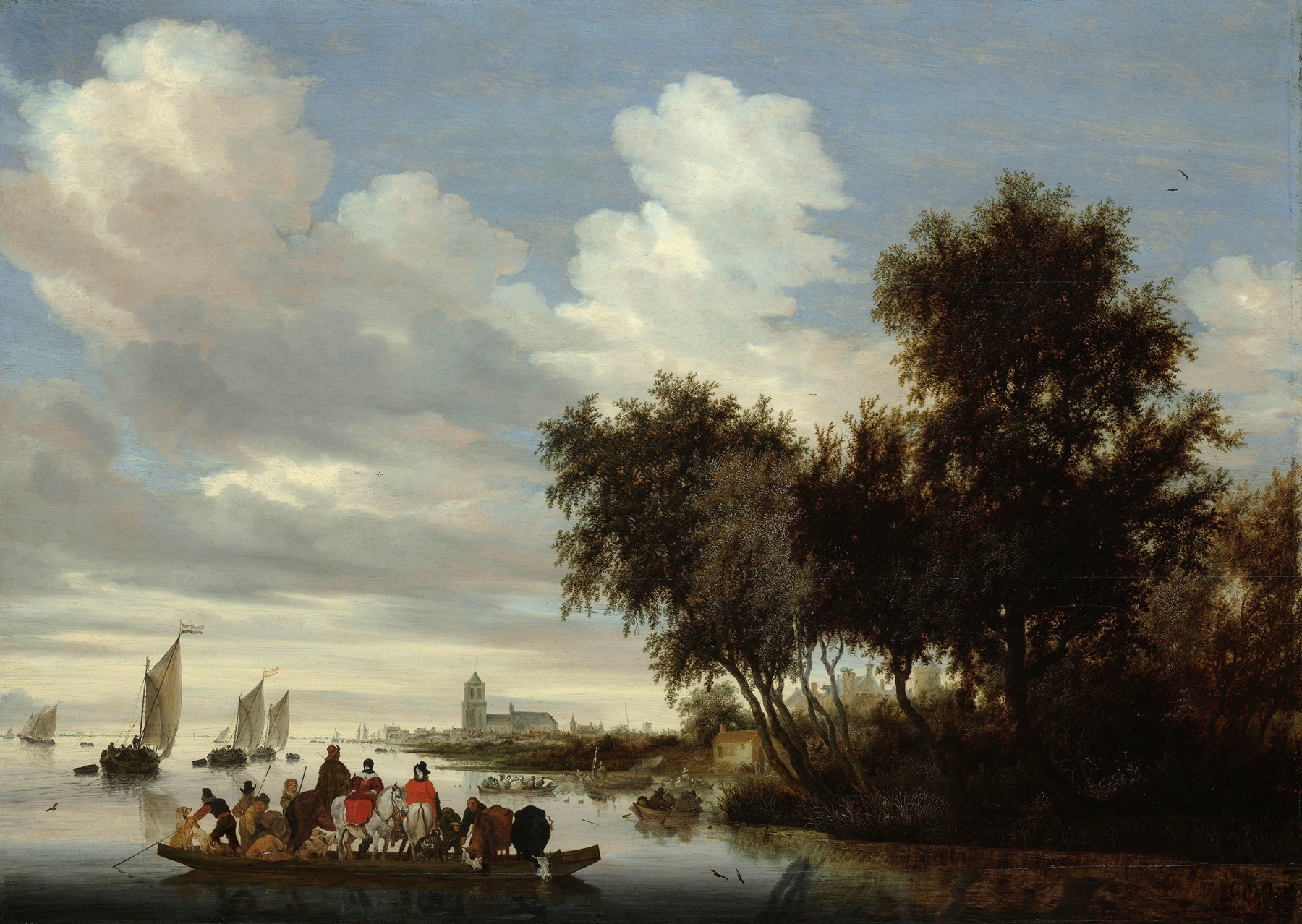
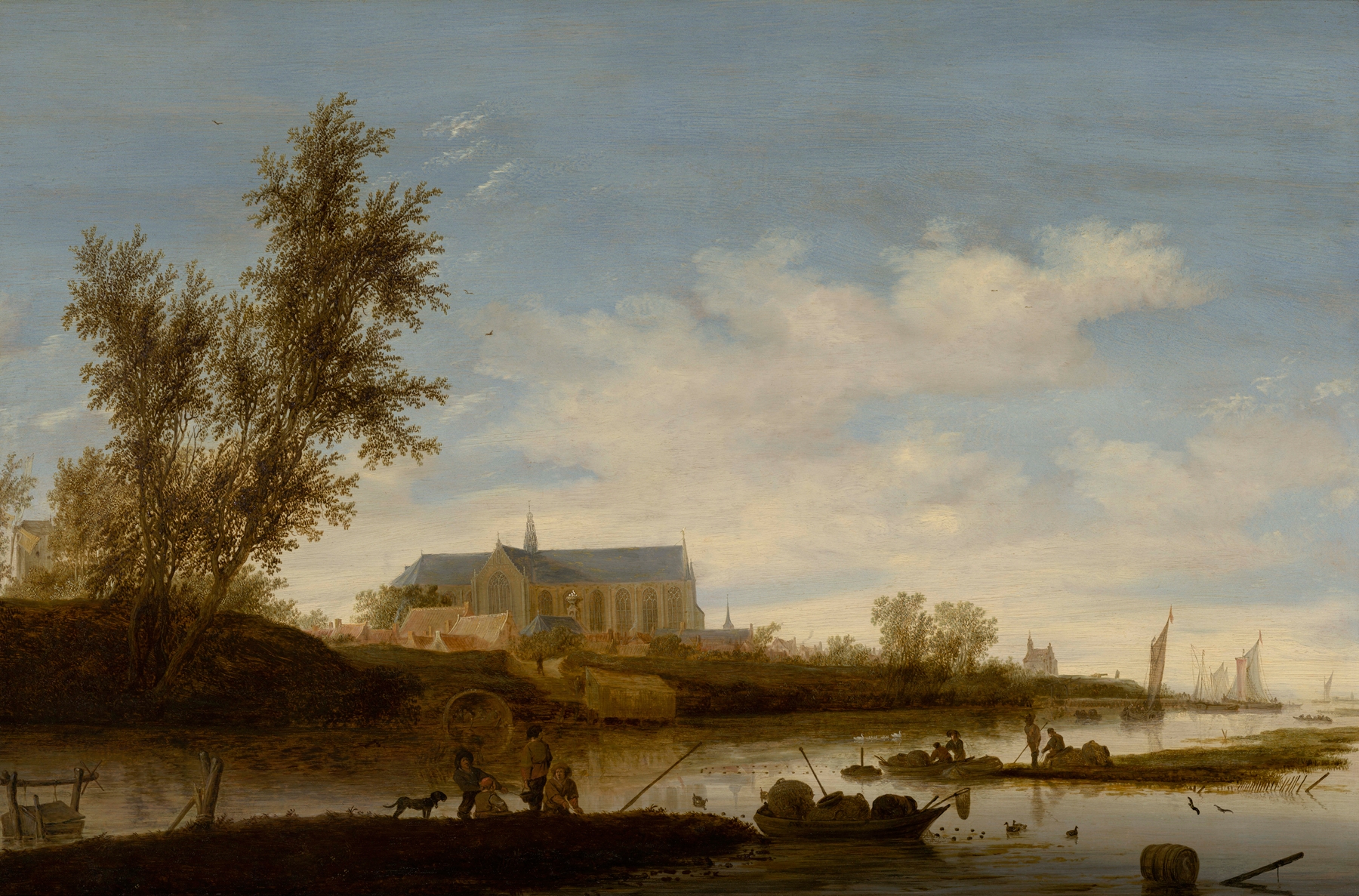
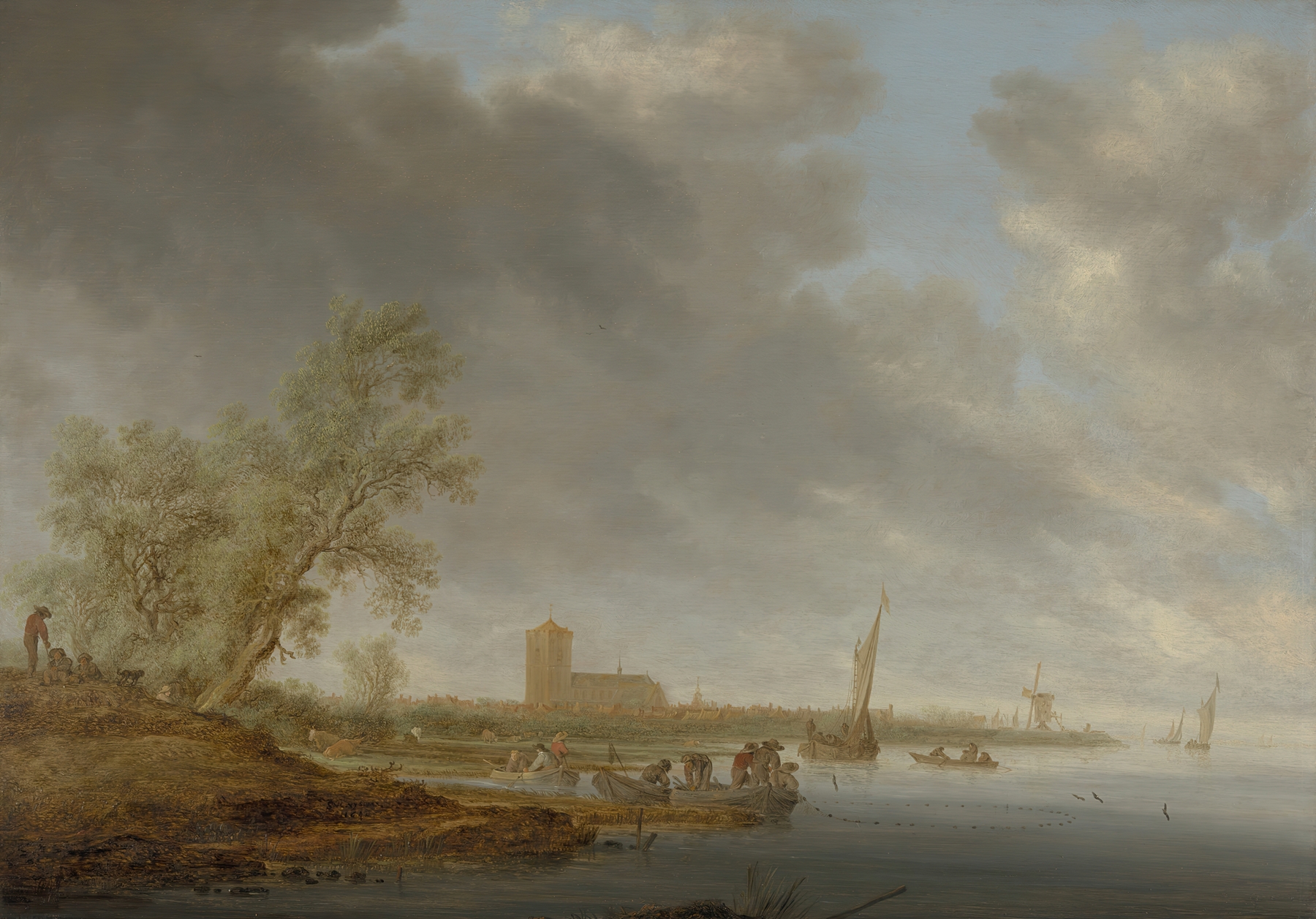
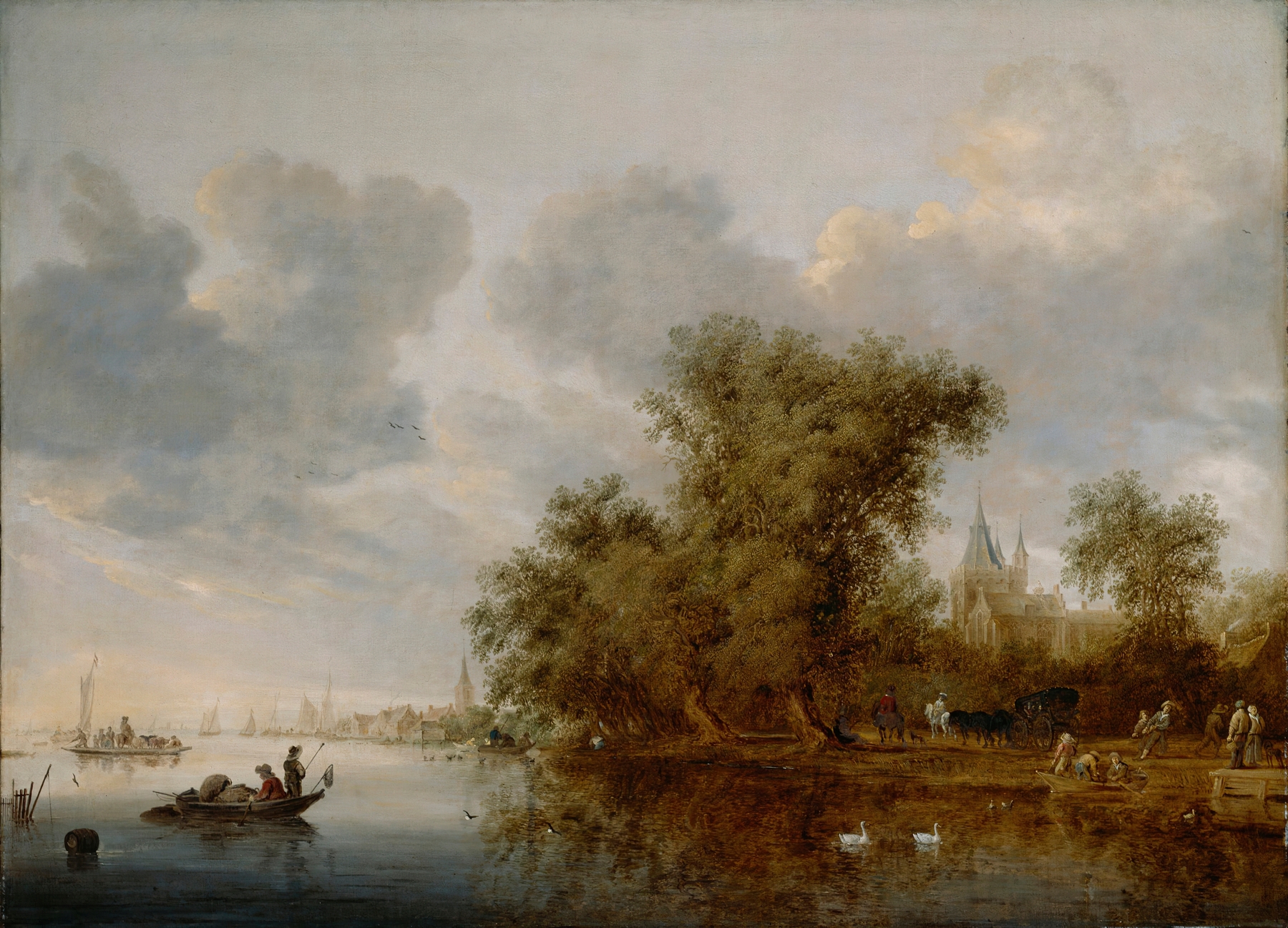
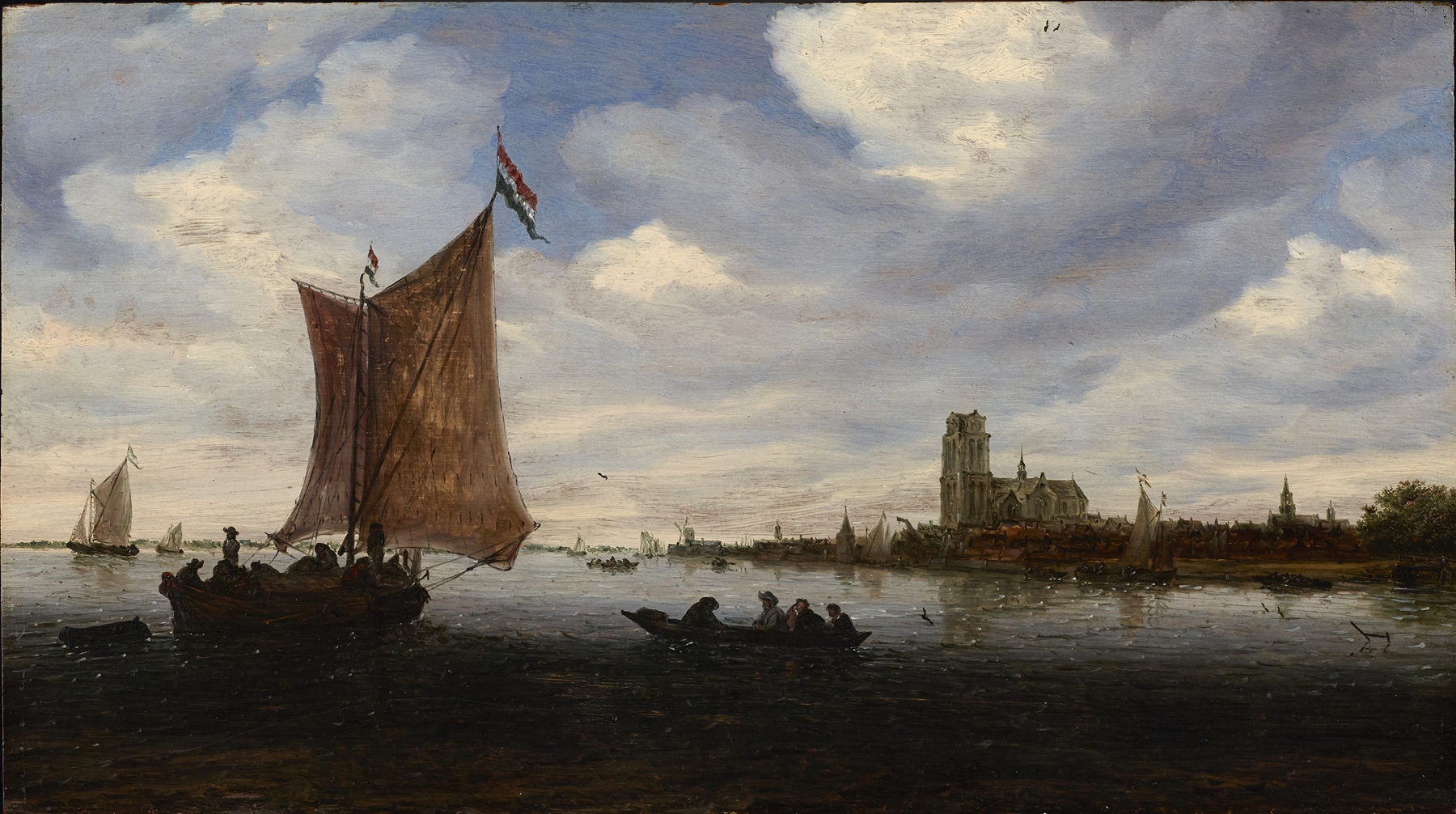
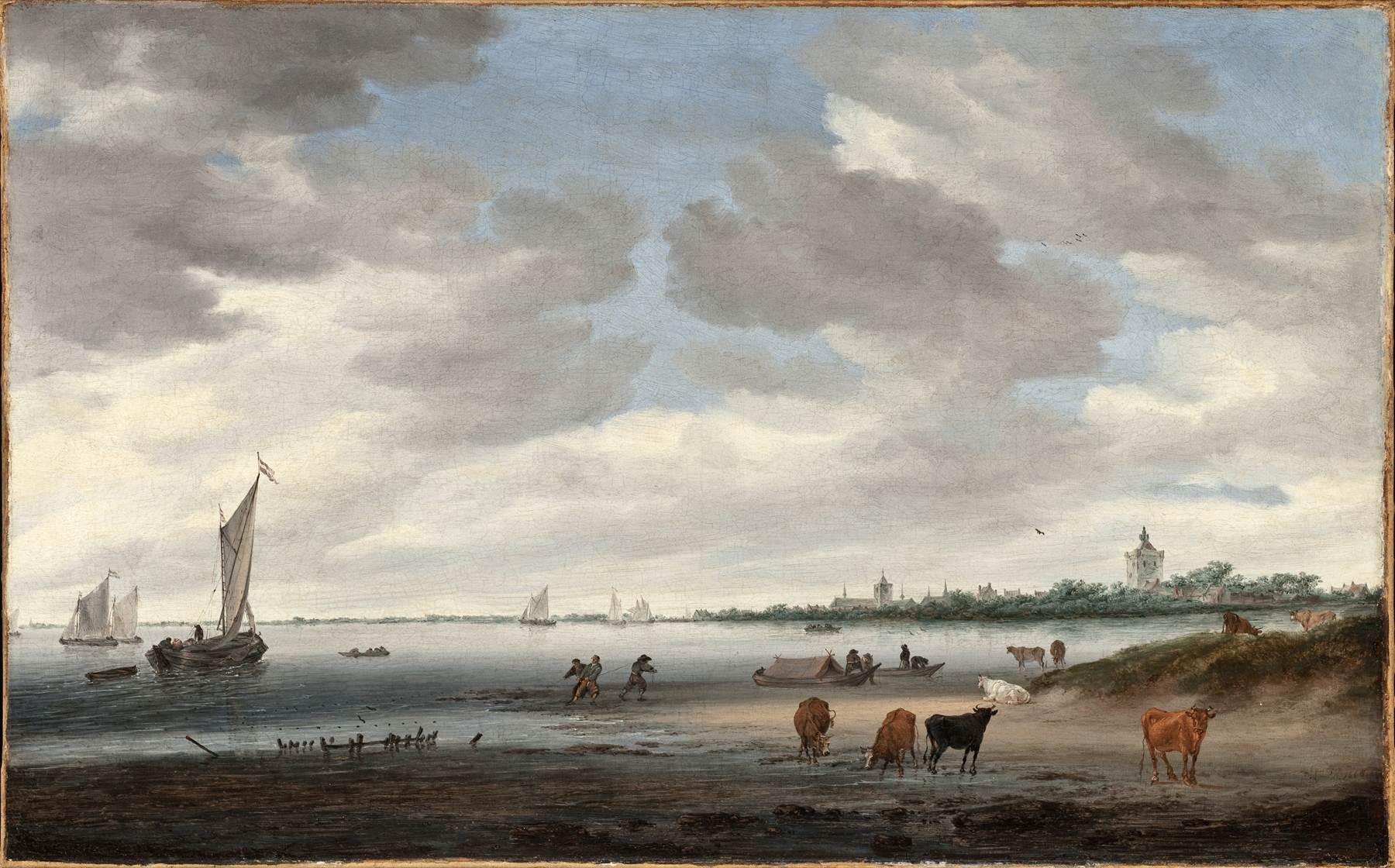
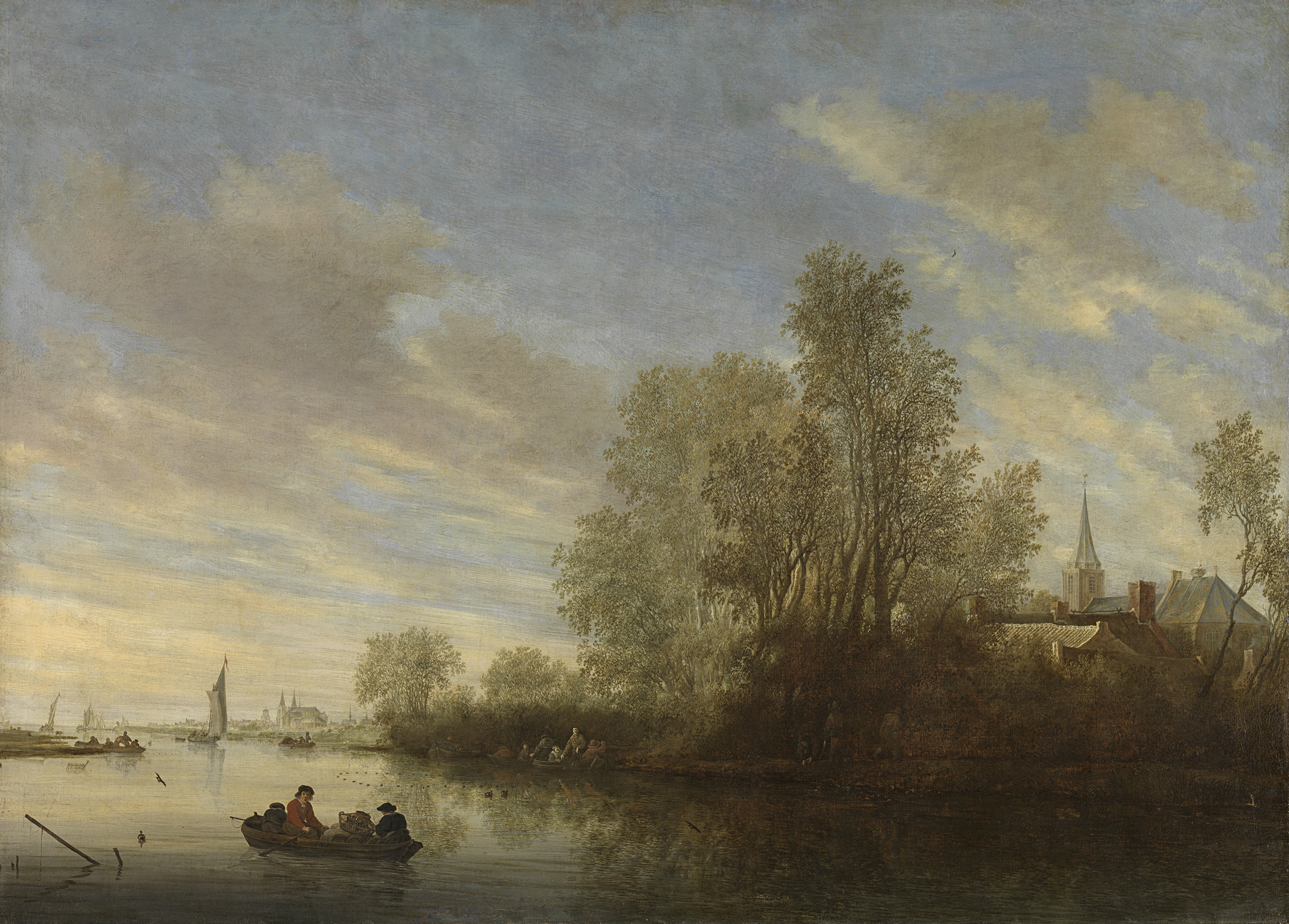
“Under the brush, chaos becomes grace.” In the quiet awakening of dawn, the world stirs softly, the sky blushing with the first light of day, while water glimmers like a mirror, reflecting both the heavens and the land. An estuary unfolds, inviting curious gazes toward the distant outlines of Haarlem, as if the city itself is just beginning to breathe. The horizon hums with potential, urging viewers to lose themselves in the tranquility and promise of a new day. Focus on the midsection of the canvas, where gently rippling waters embrace the shoreline, kissed by a wash of soft blues and greens. Notice how the artist’s brushstrokes vary in texture, conveying the fluidity of the water while contrasting it with the sturdy forms of distant buildings.
The tranquil hues of the sky blend seamlessly with the reflections in the estuary, creating a seamless connection between land and water. As your eyes travel over the scene, the gentle play of light and shadow invites contemplation, revealing the harmonious relationship between nature and civilization. Delve deeper into the contrasts present in the work; the serene calm of the water juxtaposes the bustling life of Haarlem on the horizon, symbolizing the delicate balance between tranquility and urban vitality. Small details, like the subtle hints of fishing boats or distant figures, speak to the fleeting nature of human presence against the permanence of the landscape.
This interplay evokes a sense of awakening—a reminder of the cycles of life that continue to unfold amidst the beauty of nature. Salomon van Ruysdael painted this piece in the 17th century, a time when Dutch art was flourishing with its emphasis on landscapes and the natural world. Living in a period marked by economic growth and scientific exploration, he found inspiration in the serene waterways and towns of his homeland. His works reflected not only the beauty of the Dutch landscape but also the deeper connection between humankind and nature, an exploration that resonated widely within the art community of his time.