River View near Deventer — History & Analysis
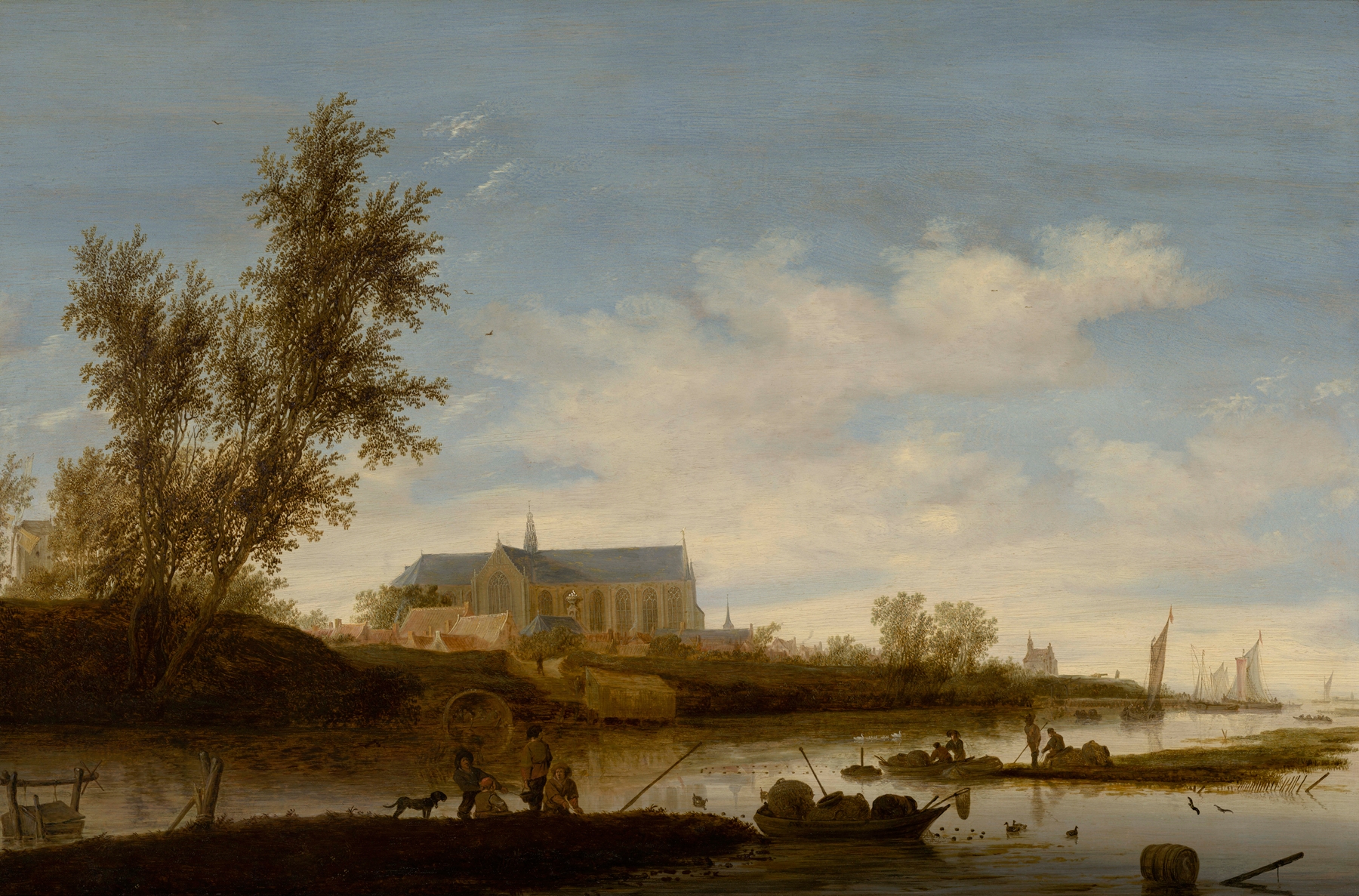
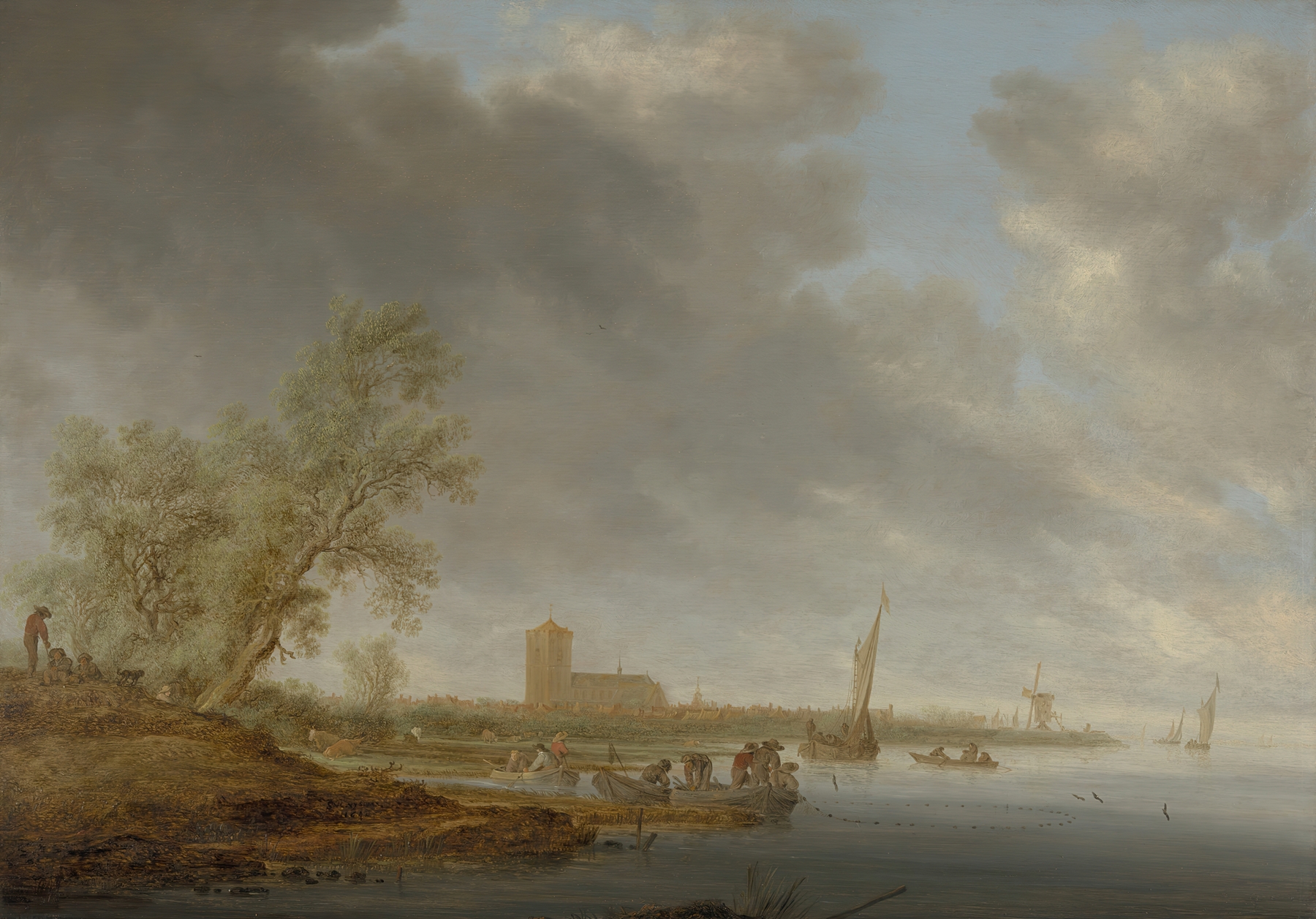
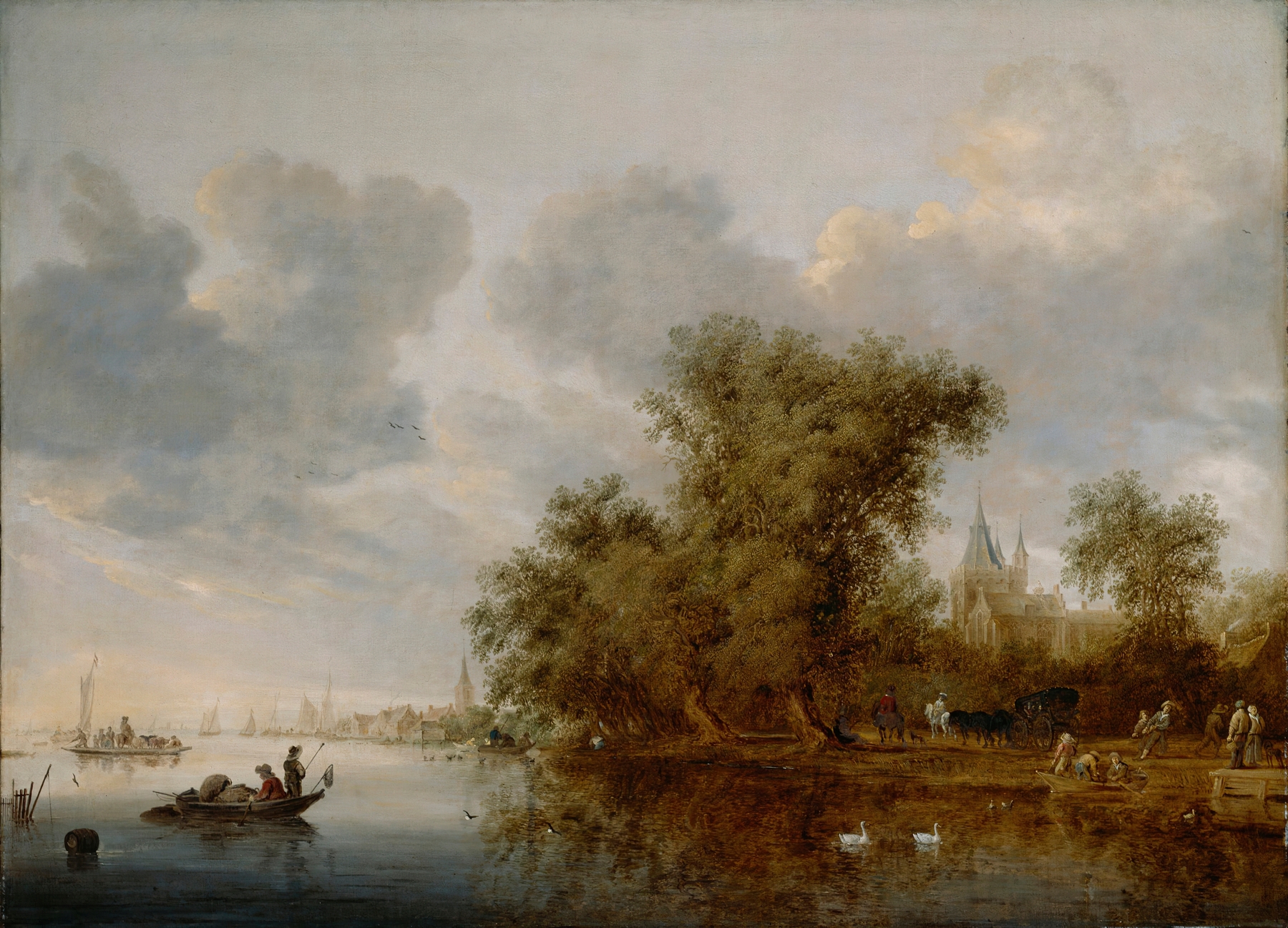
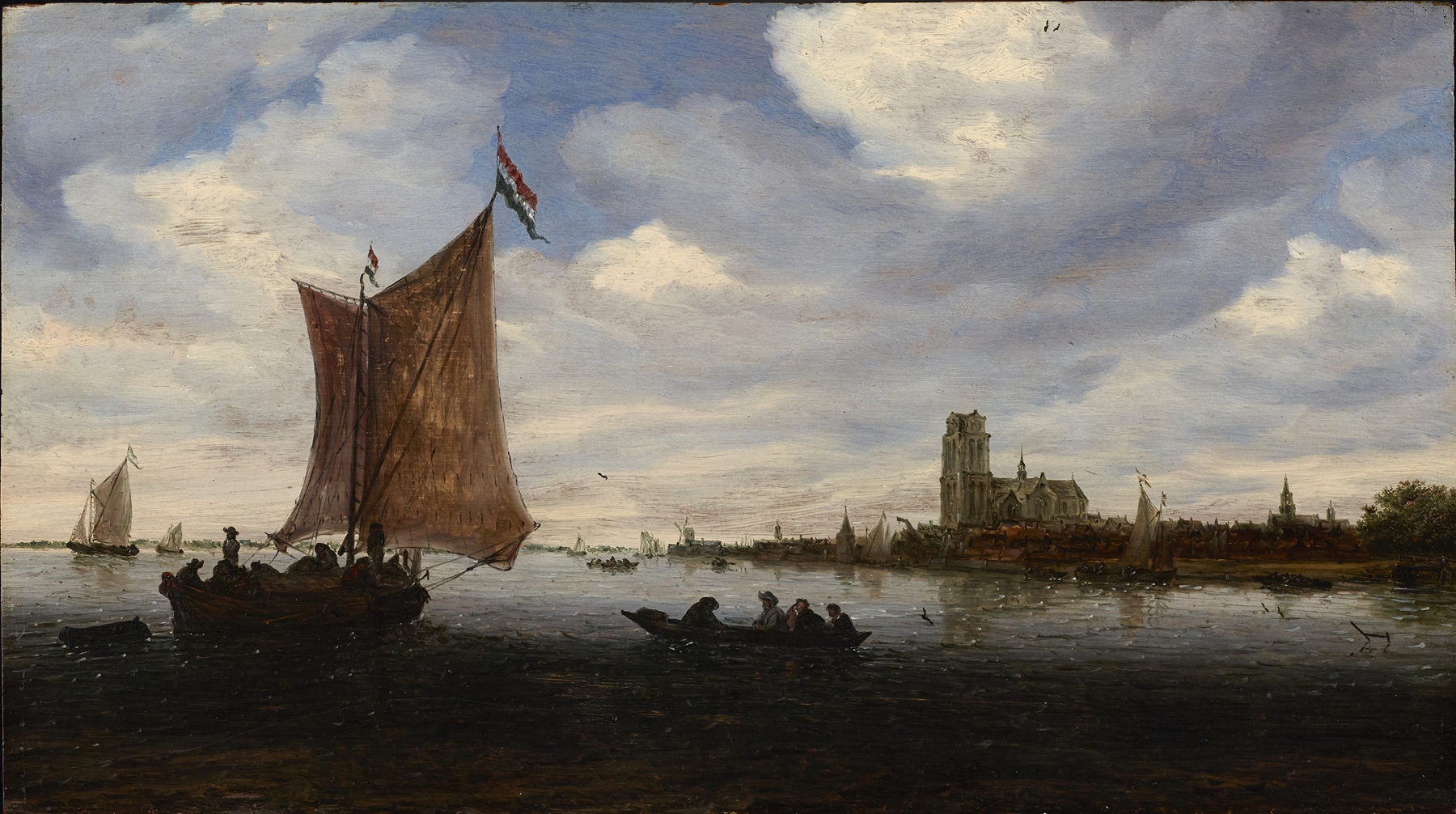
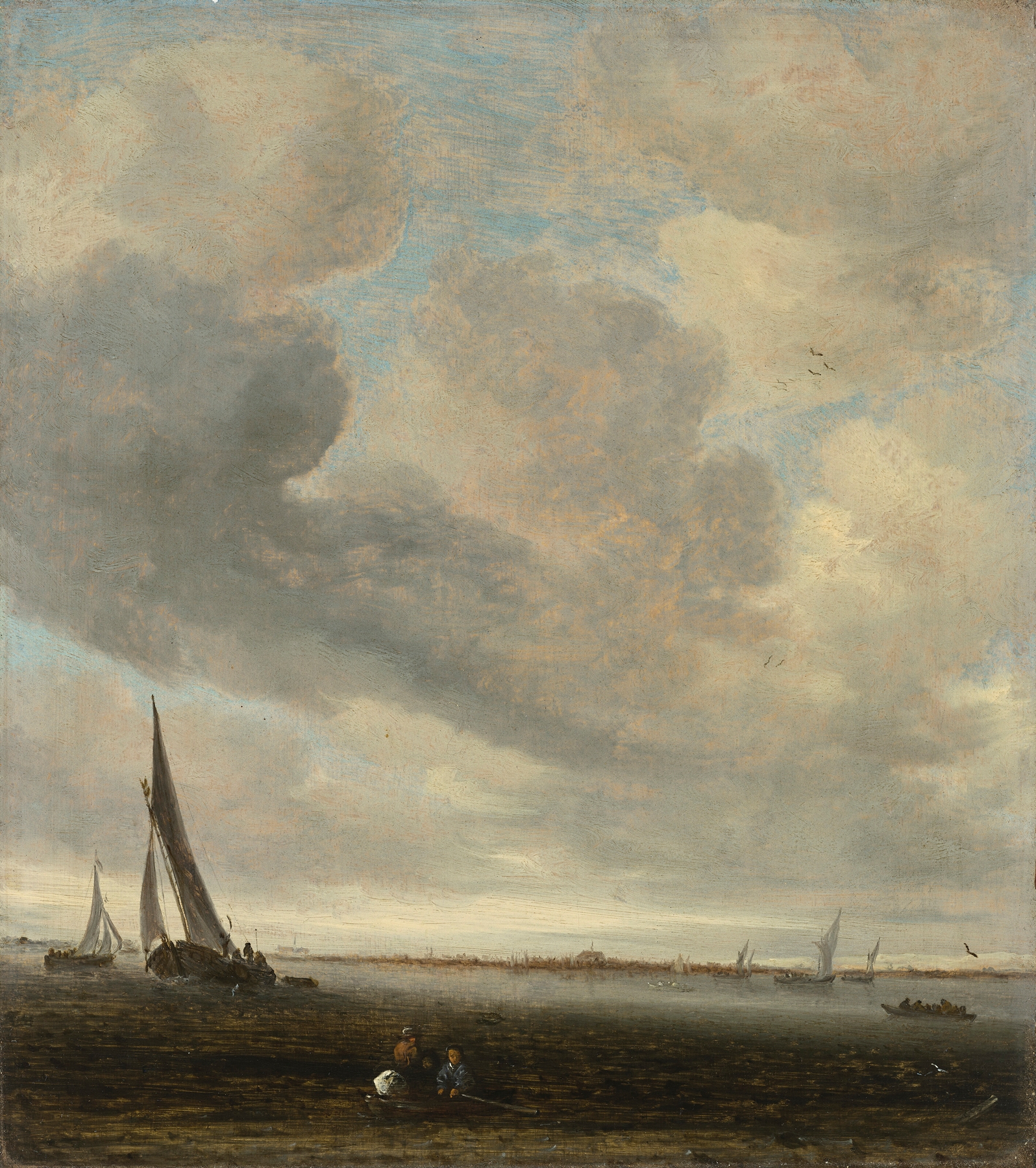
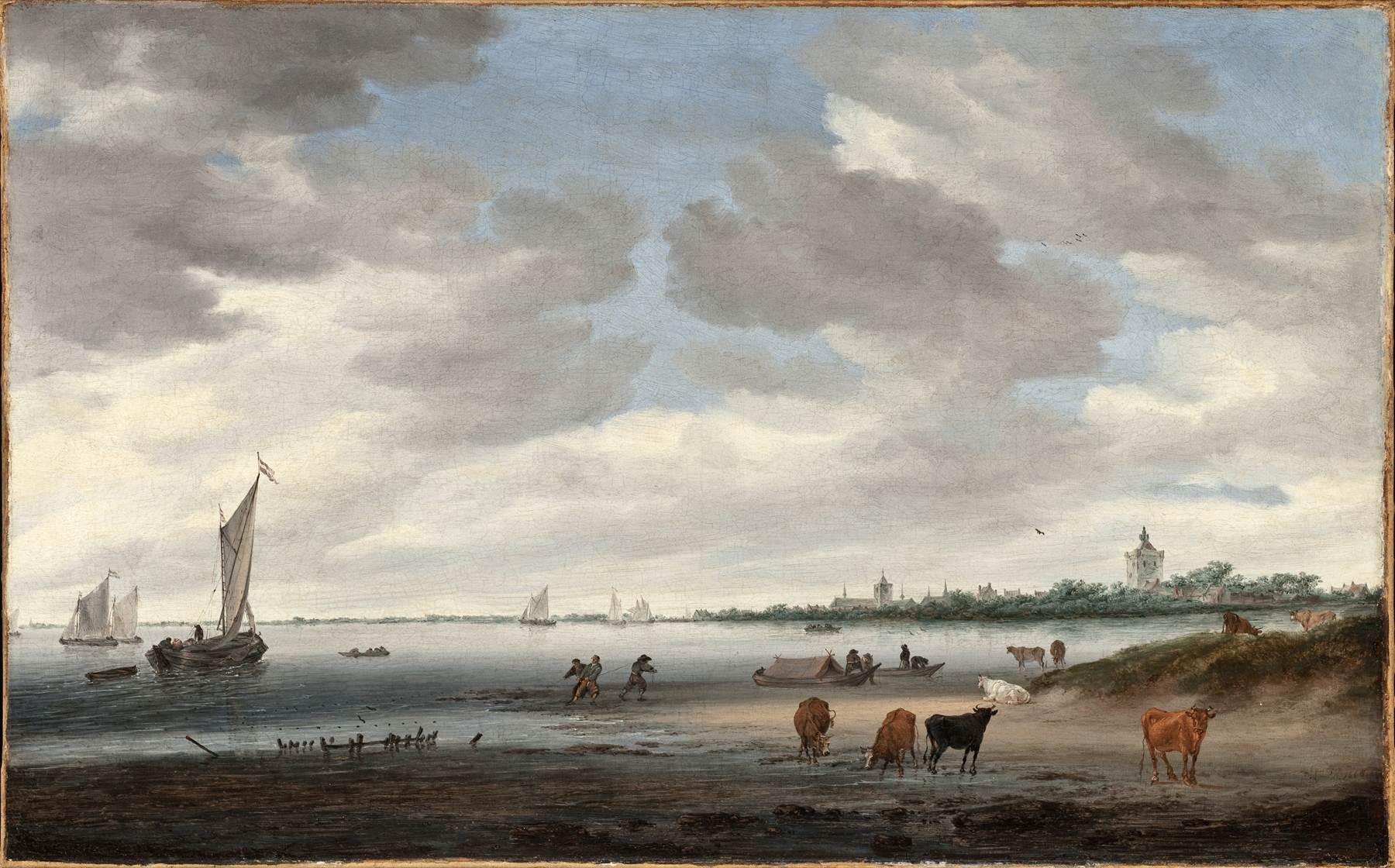
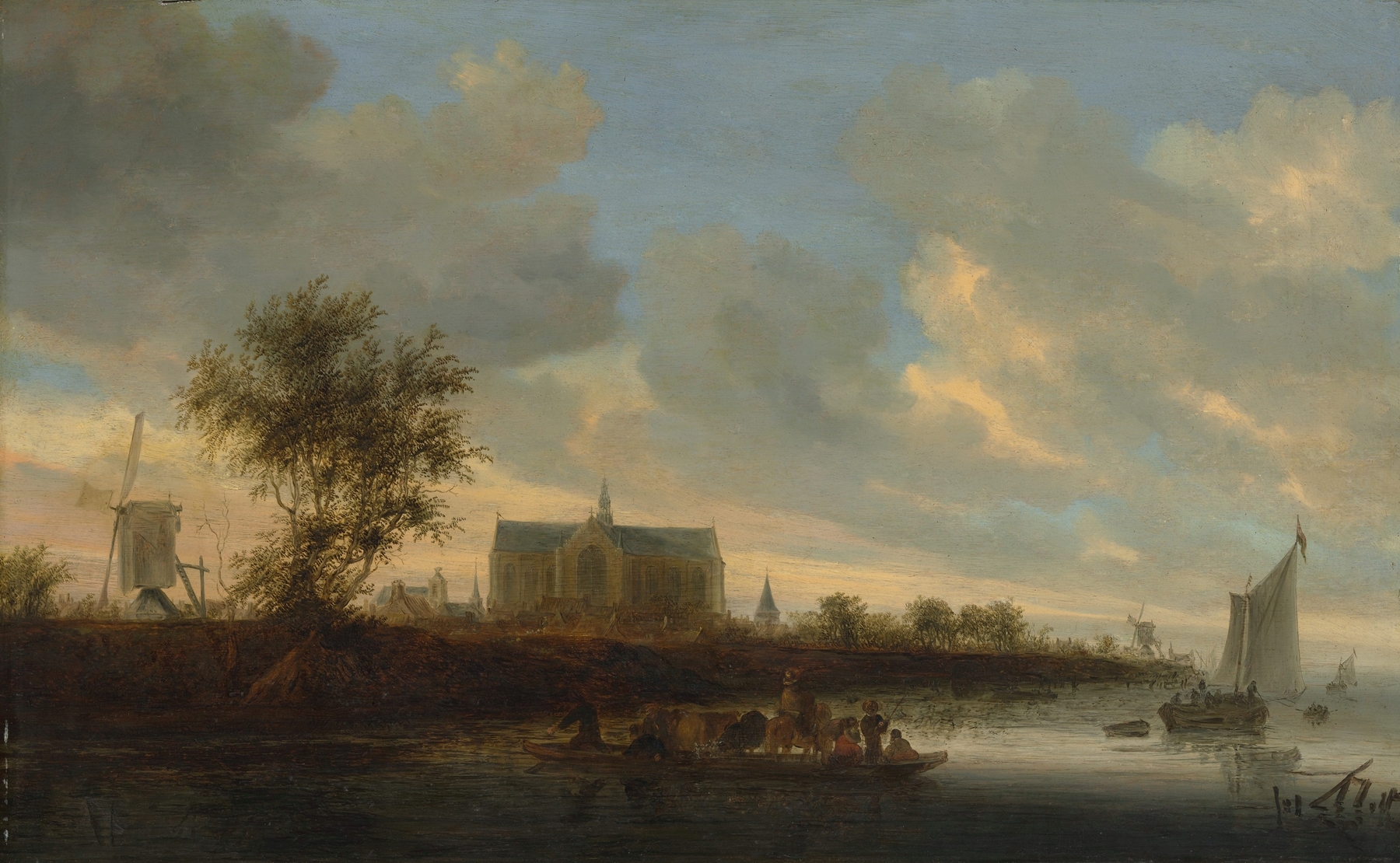
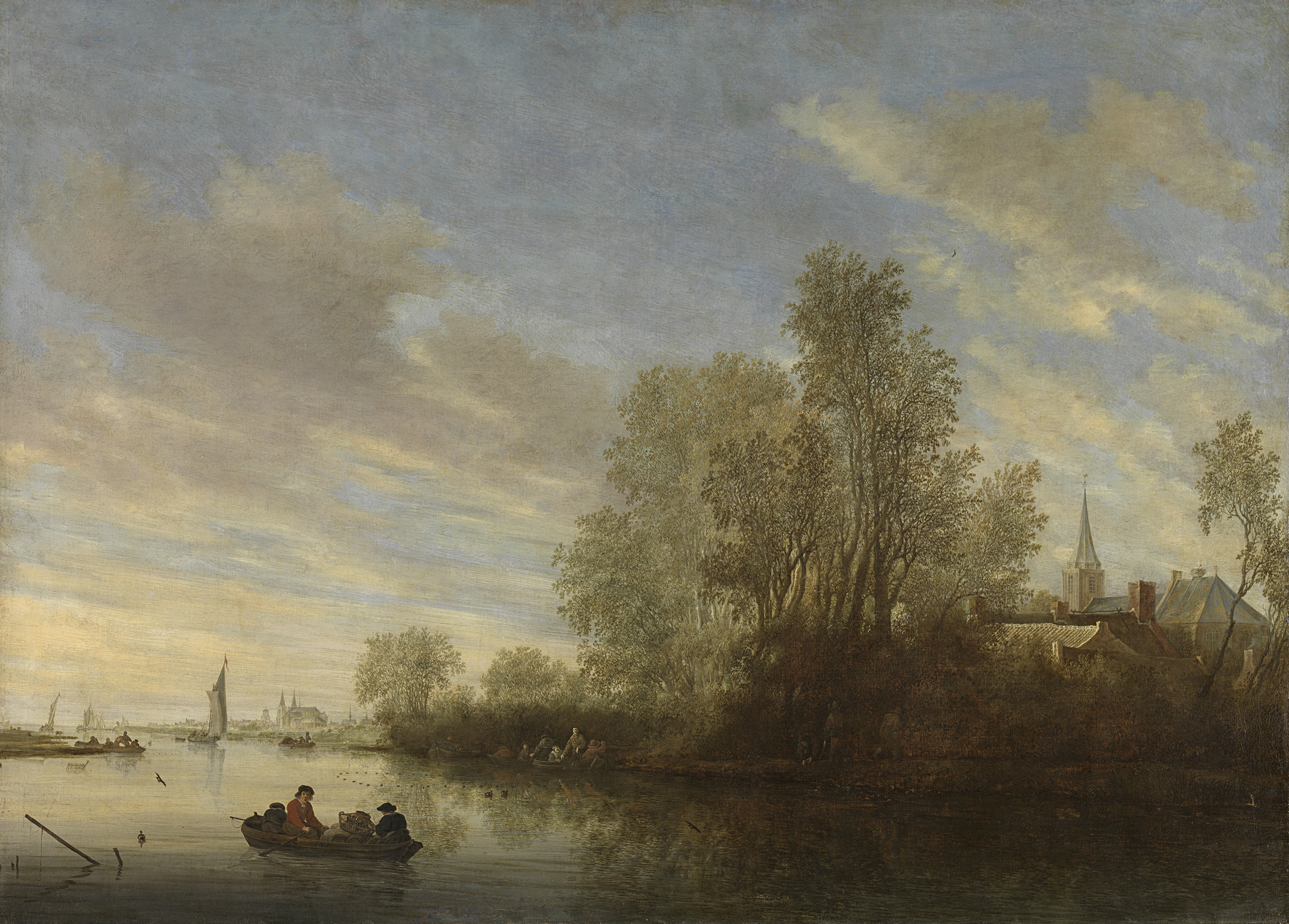
“Under the brush, chaos becomes grace.” In the serene embrace of nature, life finds its way to renewal. A river, glistening like a mirror, reflects not just the sky but the promise of rebirth. Focus on the sweeping expanse of the river, where the water meets the horizon. Look closely at the gentle ripples that dance upon the surface, hinting at the breeze that stirs the air. The trees flanking the riverbank—lush and vibrant—draw your gaze toward their intricate branches, painted in varying shades of green and gold, suggesting the richness of life.
Van Ruysdael’s deft brushwork brings forth a sense of movement and tranquility, where each stroke seems to breathe. Delve into the contrasts that pulse through the painting. The bright sky, radiating with soft clouds, juxtaposes the darker foliage, symbolizing the coexistence of hope and shadow. The river’s winding path invites contemplation, as it reflects both the calm of its surface and the depths below—a metaphor for the hidden layers of existence.
Every detail, from the distant windmill to the modest boats, speaks of labor and harmony, echoing the cycle of life and nature’s unyielding resilience. In 1645, Van Ruysdael painted this work amidst a thriving Dutch Golden Age, where landscapes flourished as a genre. He was deeply engaged with the natural world, drawing inspiration from the rural beauty surrounding Deventer. This period marked a shift in art, as painters sought to capture not just scenes but emotions, and through these landscapes, Van Ruysdael found his voice, reflecting personal and collective rebirth.