River with Castle Ruin and Boat II — History & Analysis
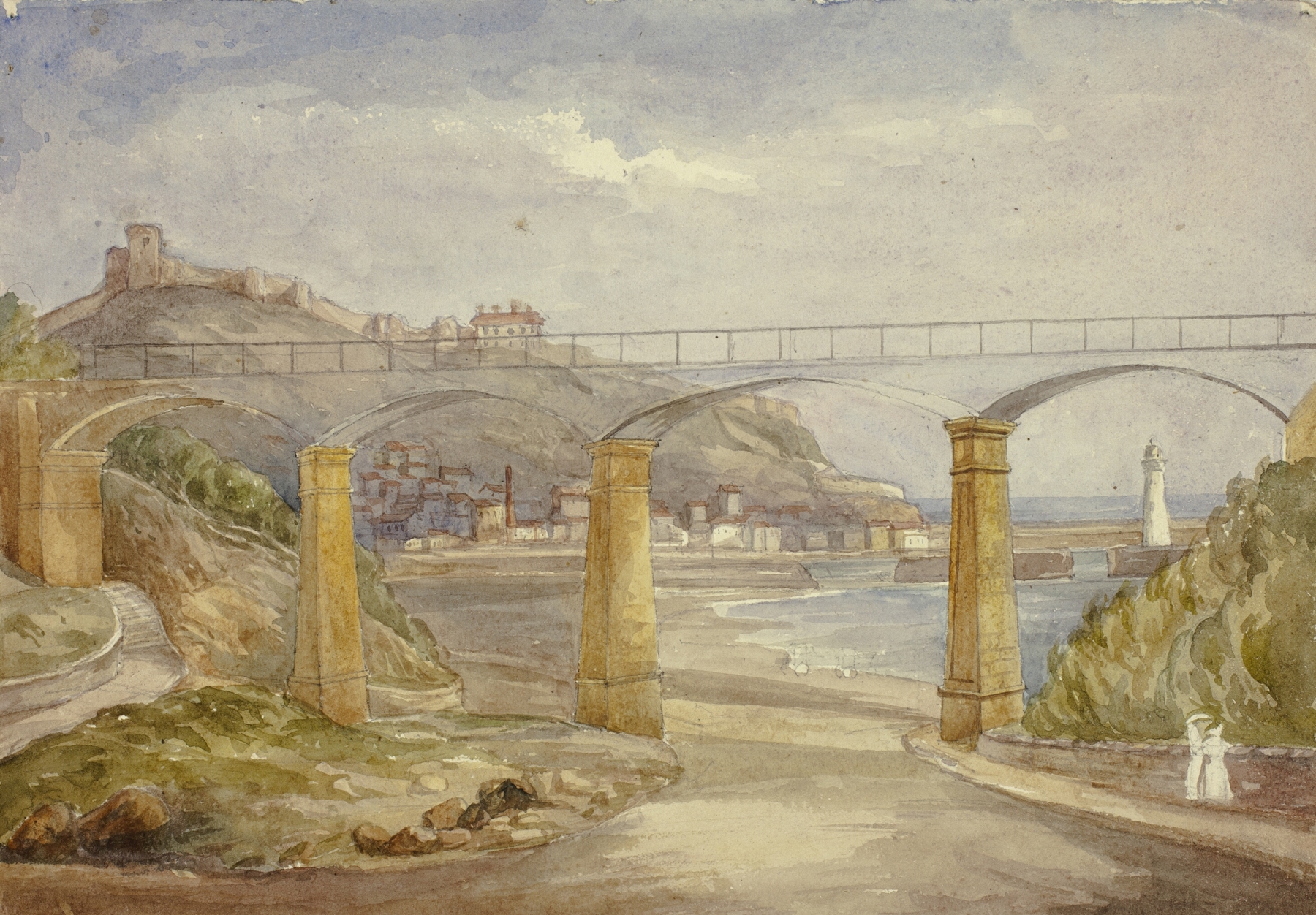
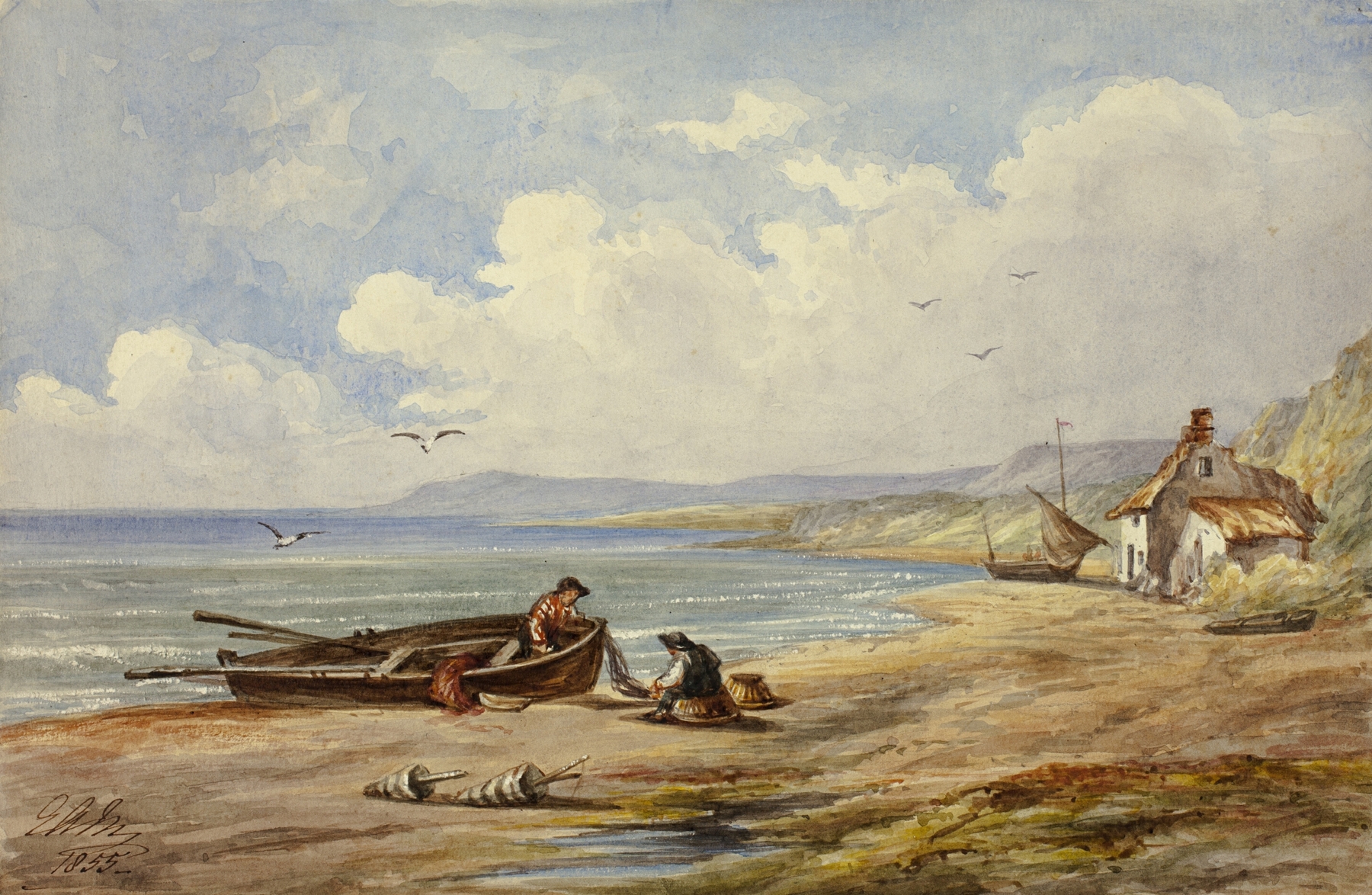
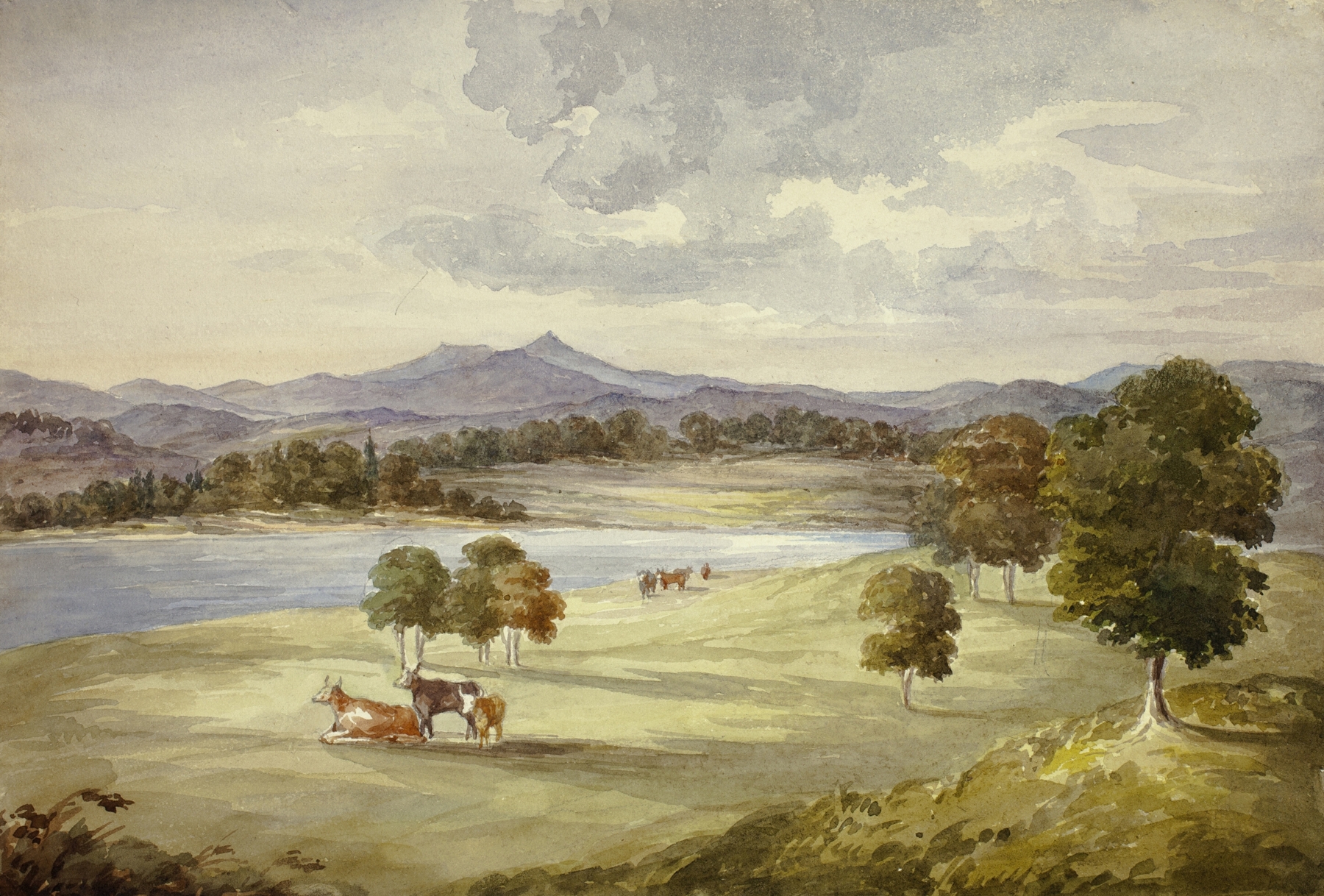
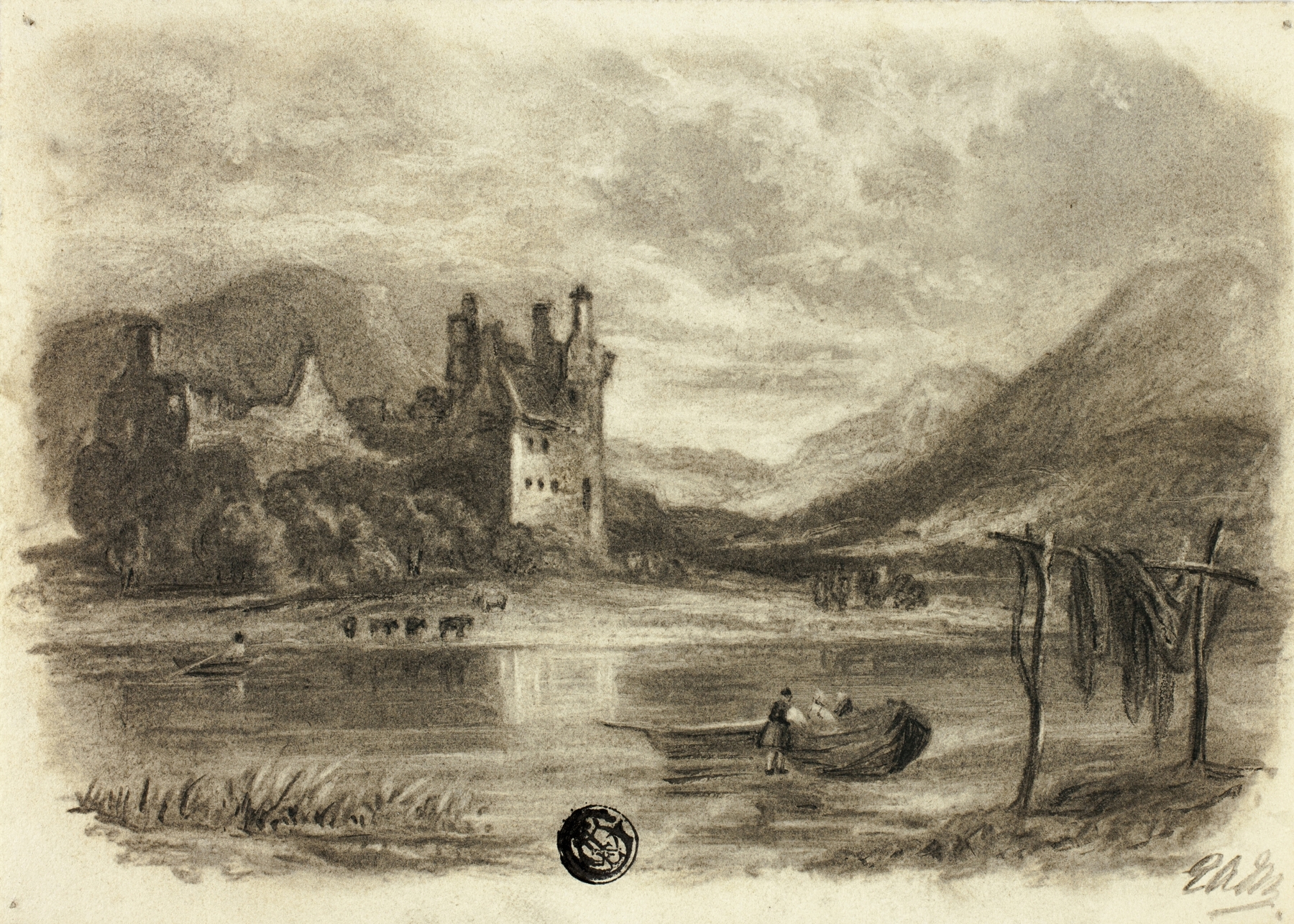
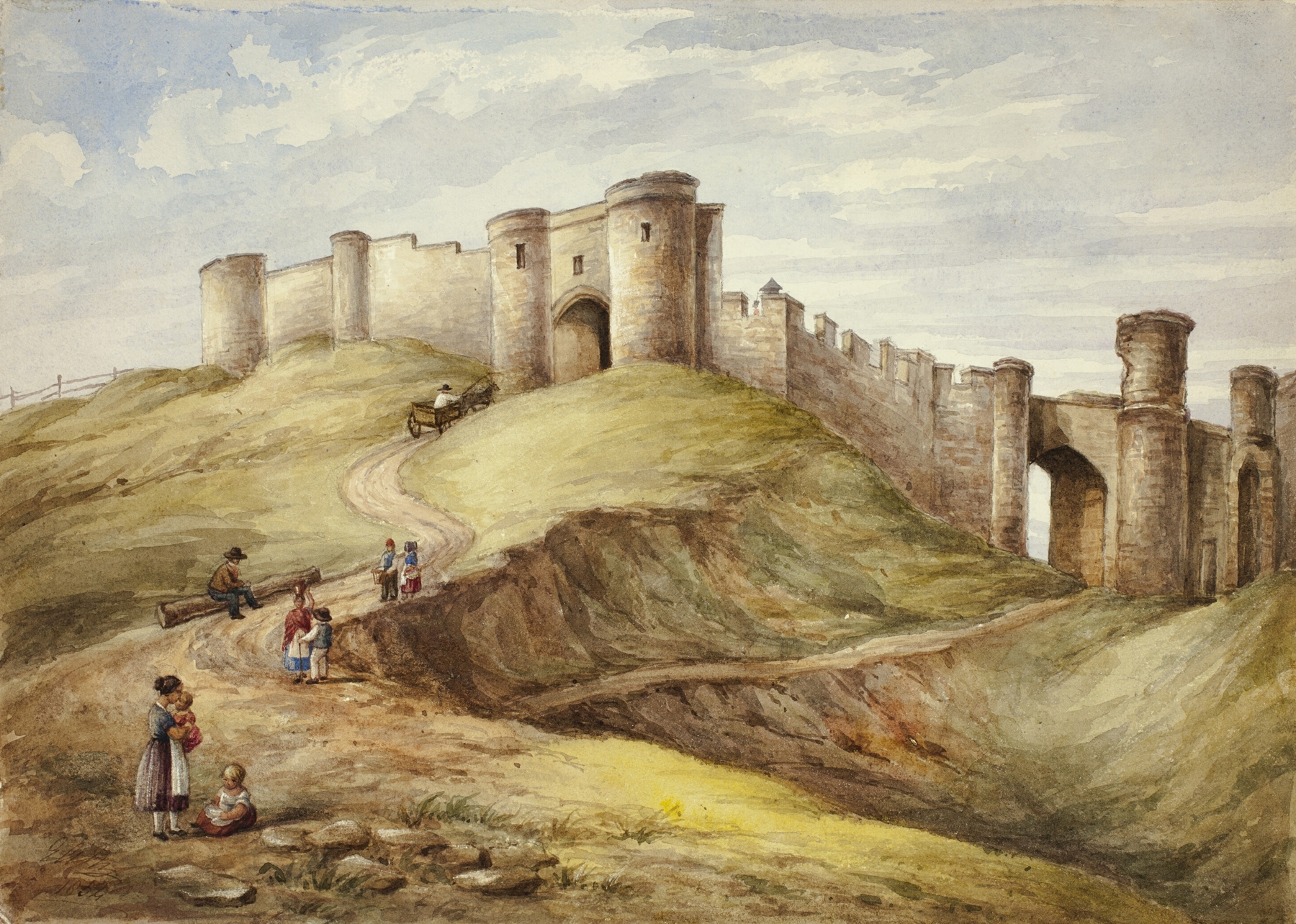
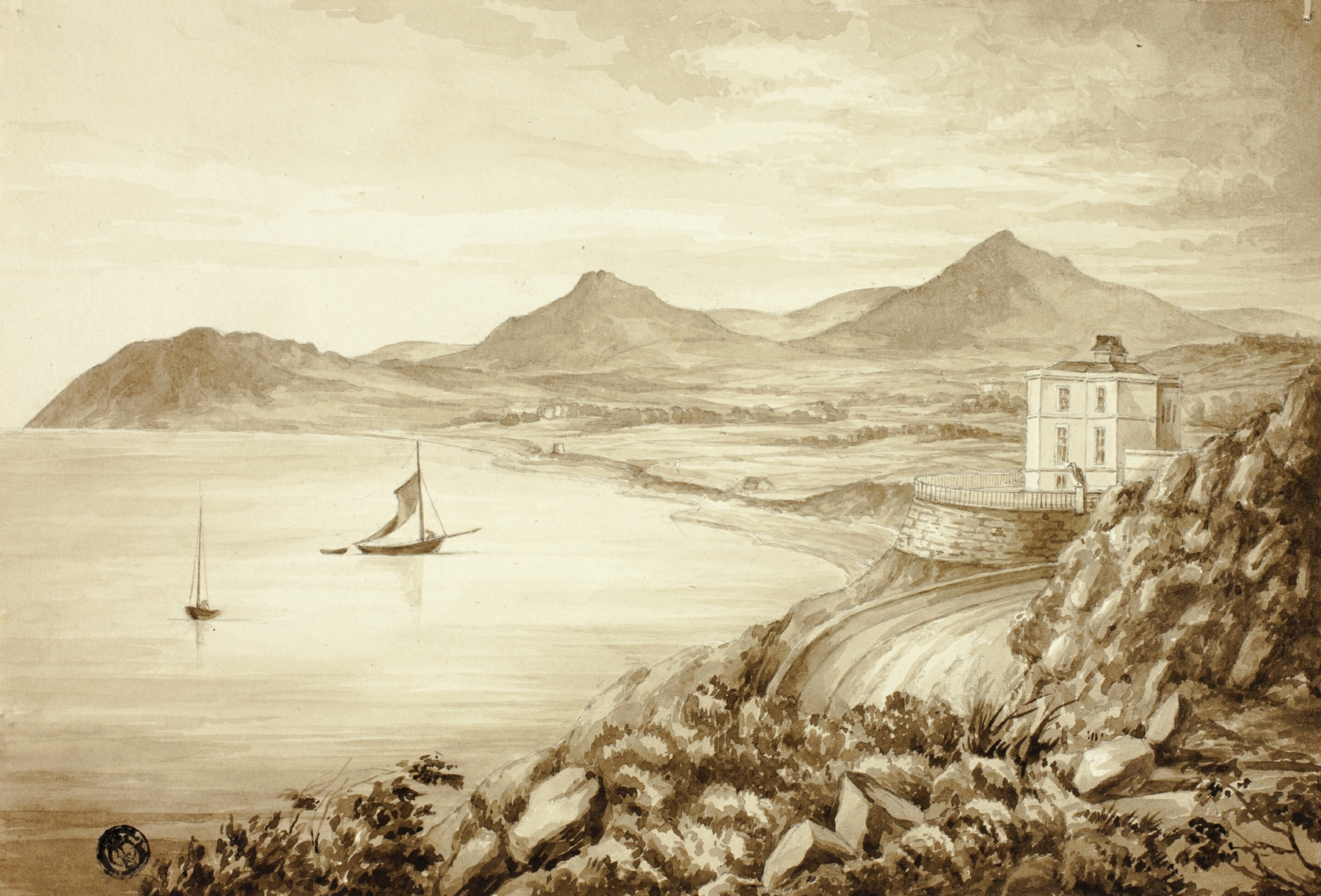
“Every silence here is a confession.” In the stillness of an idyllic landscape, innocence whispers through the undulating forms of nature, inviting contemplation and introspection. The canvas holds a depth that transcends mere representation, where simplicity carries the weight of unspoken narratives. Begin your exploration by focusing on the left side of the painting, where a silvery river meanders gracefully, reflecting the soft hues of the sky. Notice how the artist employs delicate brushwork to convey the texture of the water, each stroke a testament to the fluidity of life.
As your gaze travels upward, you’ll find the castle ruins standing sentinel, their crumbling stones rendering a poignant contrast against the vibrant greens and blues that envelop them. Hidden within the serene beauty are tensions that speak to fragility and resilience. The juxtaposition of the ephemeral river and the steadfast ruins alludes to the passage of time, the fleeting nature of innocence juxtaposed with the enduring remnants of history.
Each element invites the viewer to contemplate not just what is seen, but what lies beneath the surface — the stories of those who have gazed upon this landscape before. In the mid-1850s, while working on River with Castle Ruin and Boat II, the artist found herself in a world grappling with the aftermath of industrialization and the romantic ideals of nature. Living in a period marked by both innovation and nostalgia, she sought to capture the essence of landscapes untouched by modernity, reflecting her own yearning for purity and connection to the past.