Road Scene, Trowse Hall, near Norwich — History & Analysis
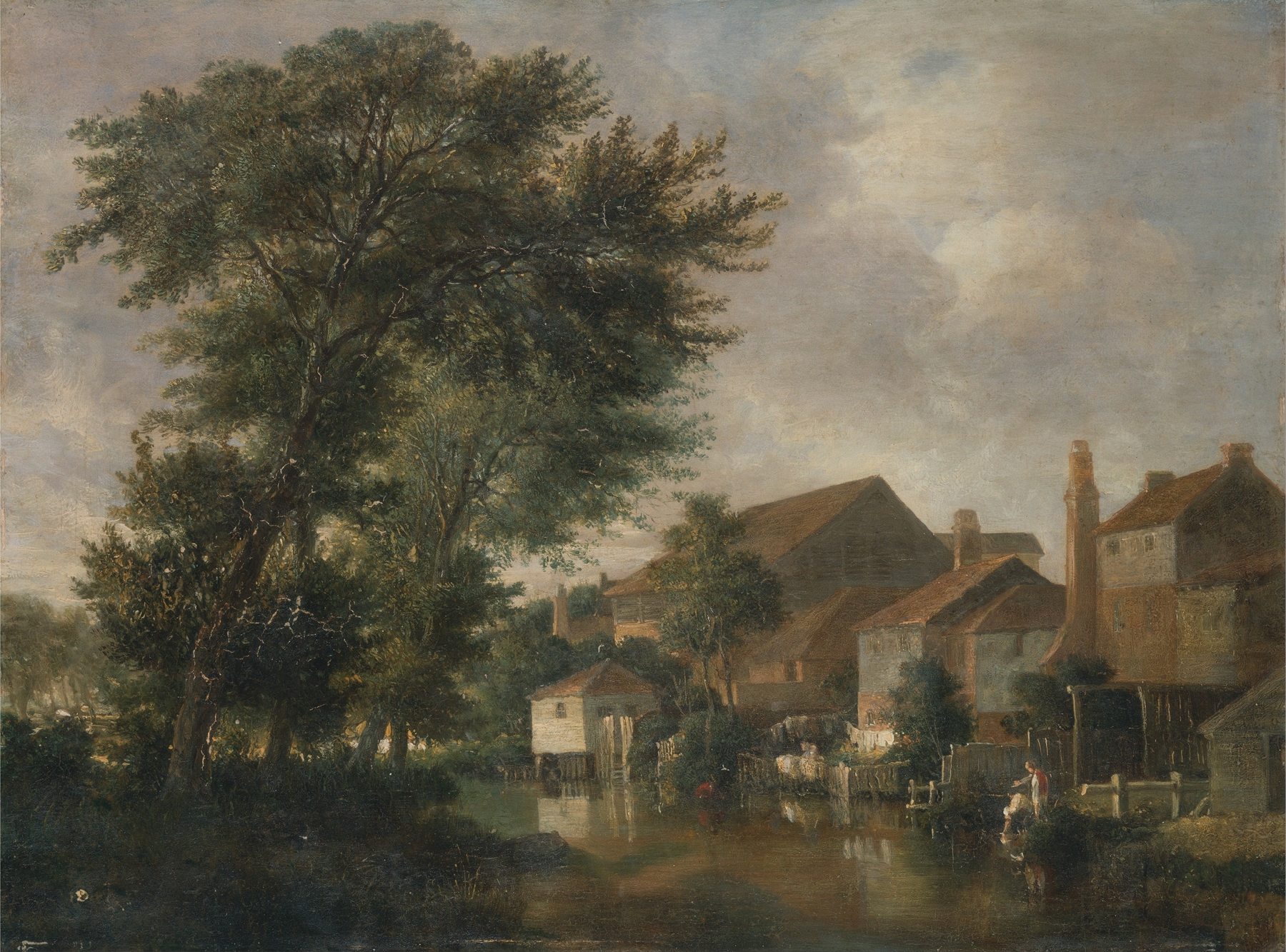
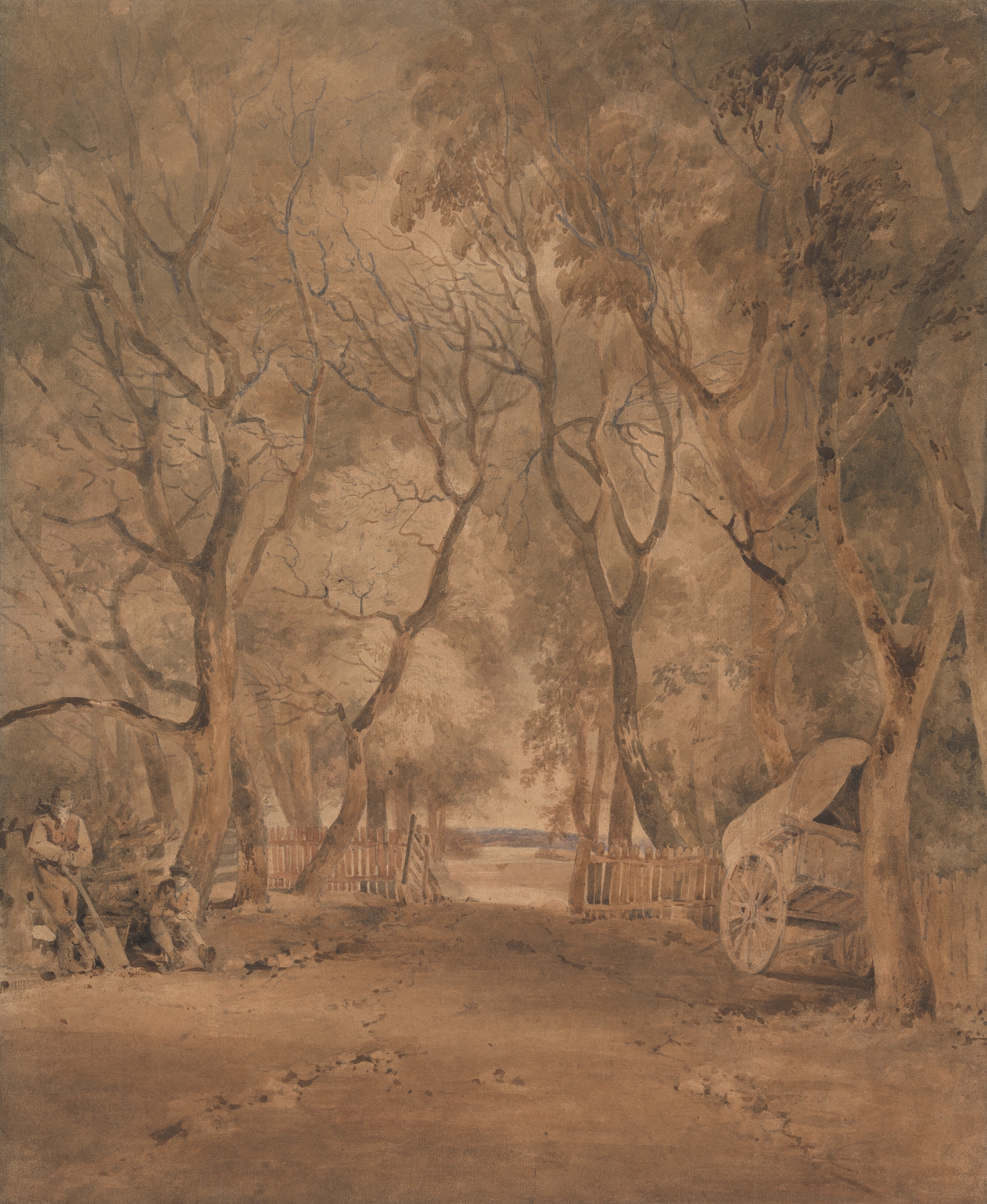
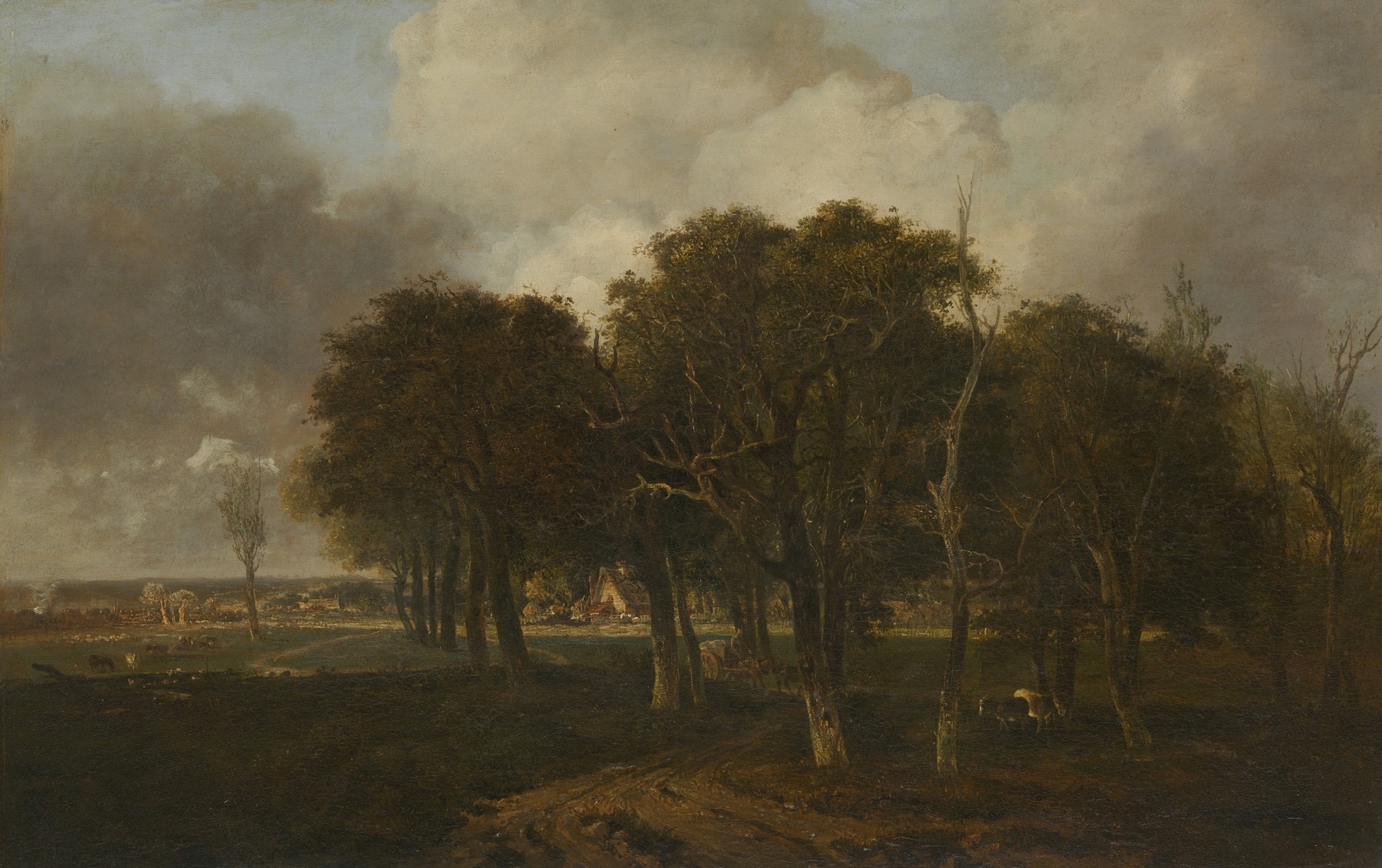
“Between color and silence, truth hides.” A delicate balance teeters on the edge of madness, where the mundane dances with the extraordinary. Focus your gaze on the road that leads through the lush landscape, where the eye is drawn to the winding path and the figures that traverse it. Vibrant greens and earthy browns dominate the canvas, evoking a sense of tranquility that contrasts with the swirling undercurrents of tension. Crome deftly employs brushstrokes that ripple like whispers, giving life to the subtle details of foliage and sky, while light filters through the trees, casting gentle patterns that suggest both clarity and confusion.
Hidden within this serene pastoral scene lies a deeper narrative, one where the everyday meets an underlying chaos. The juxtaposition of the serene figures against the wildness of nature hints at the madness that lies beneath the surface of normal life. Each element, from the horses to the sky, seems to hold its breath, caught between the familiar and the uncanny, inviting viewers to ponder the fragility of sanity amidst the beauty of the natural world.
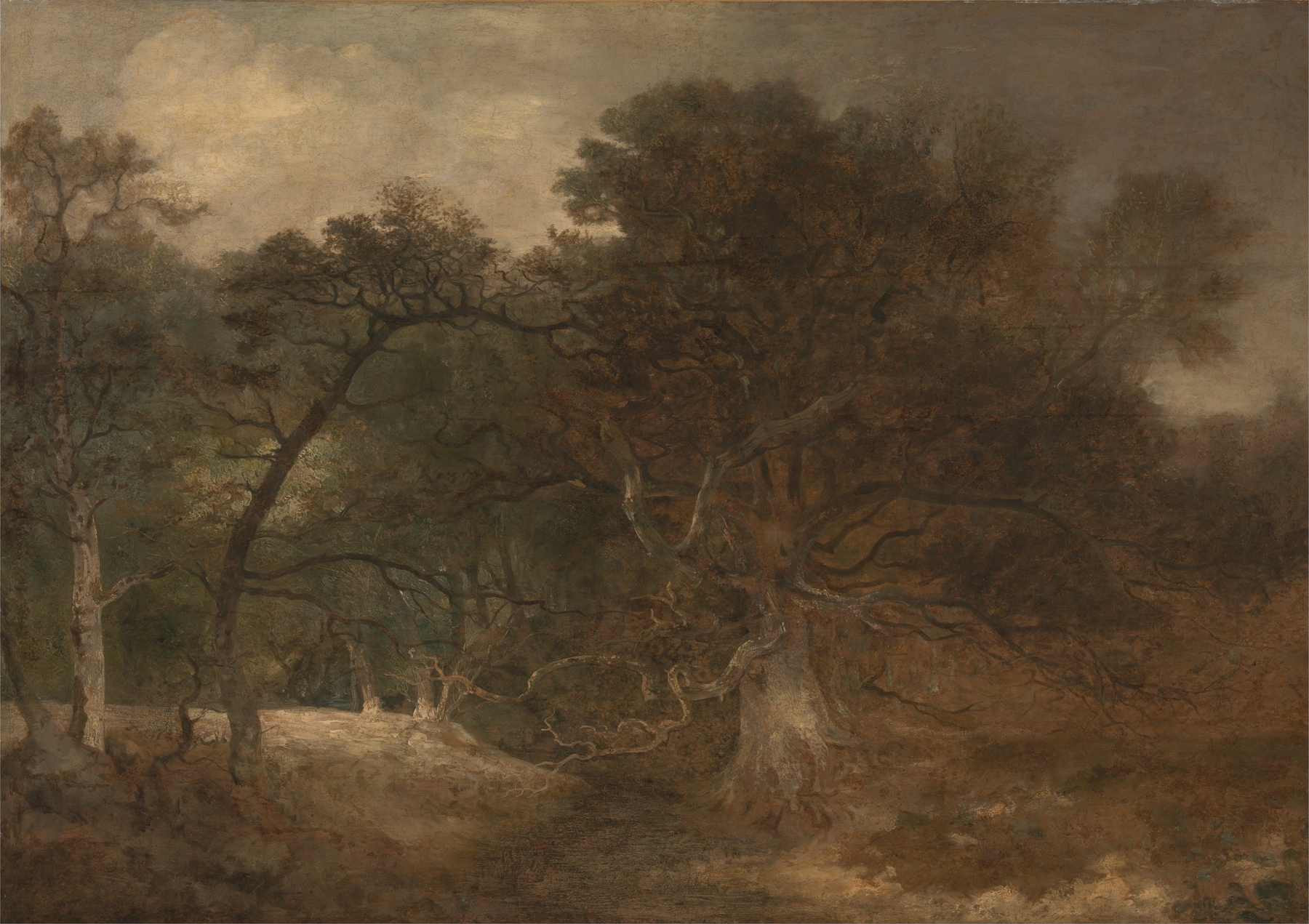
In 1813, John Crome painted this piece in the English countryside, a time when the Romantic movement was blossoming. He was a pivotal figure in the Norwich School, which sought to elevate landscape painting in Britain. The world around him was shifting, with industrialization on the horizon, yet Crome remained deeply connected to the pastoral traditions, revealing the tensions of his time through the interplay of light and form in works like this one.