Rye, from Camber — History & Analysis
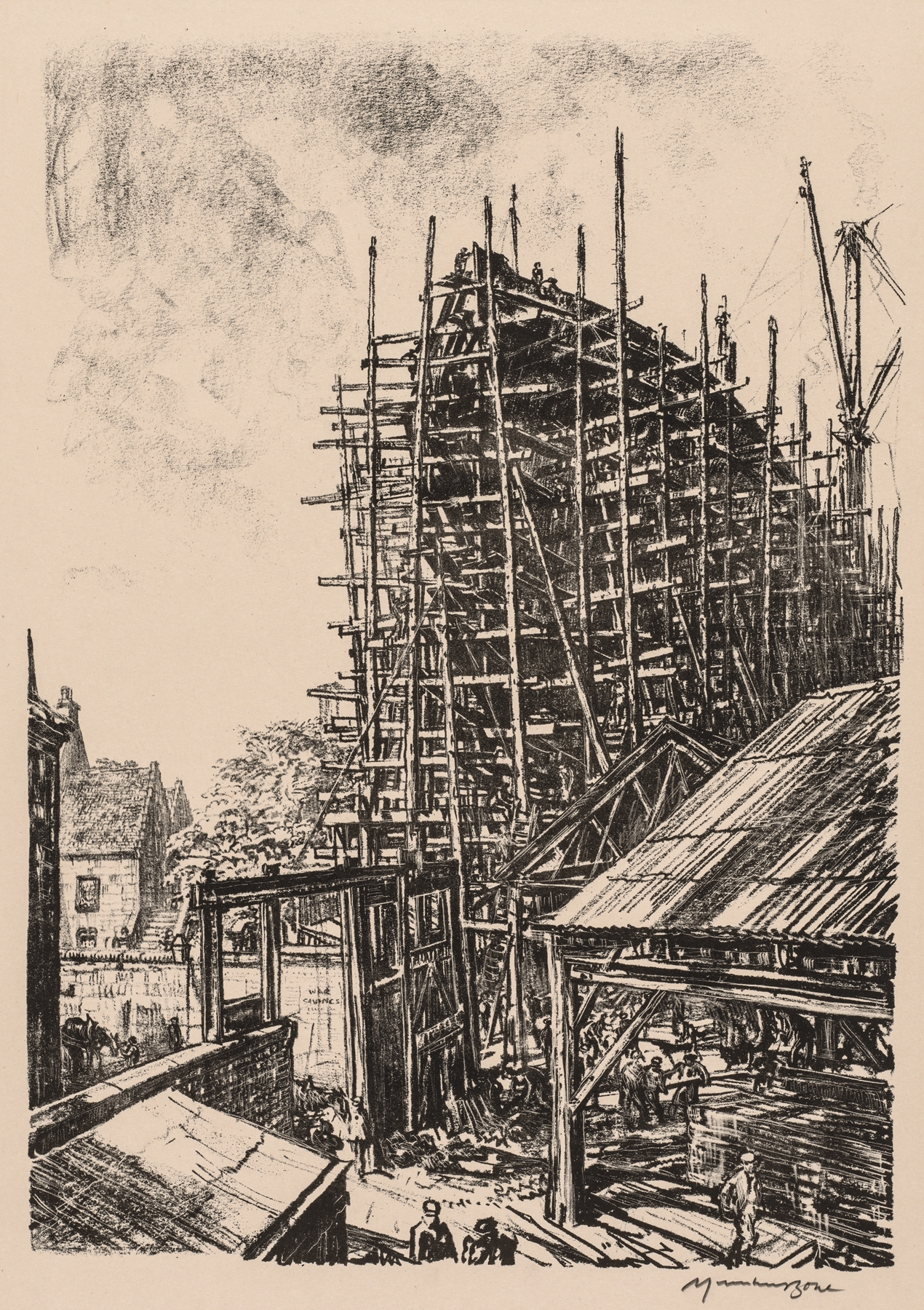
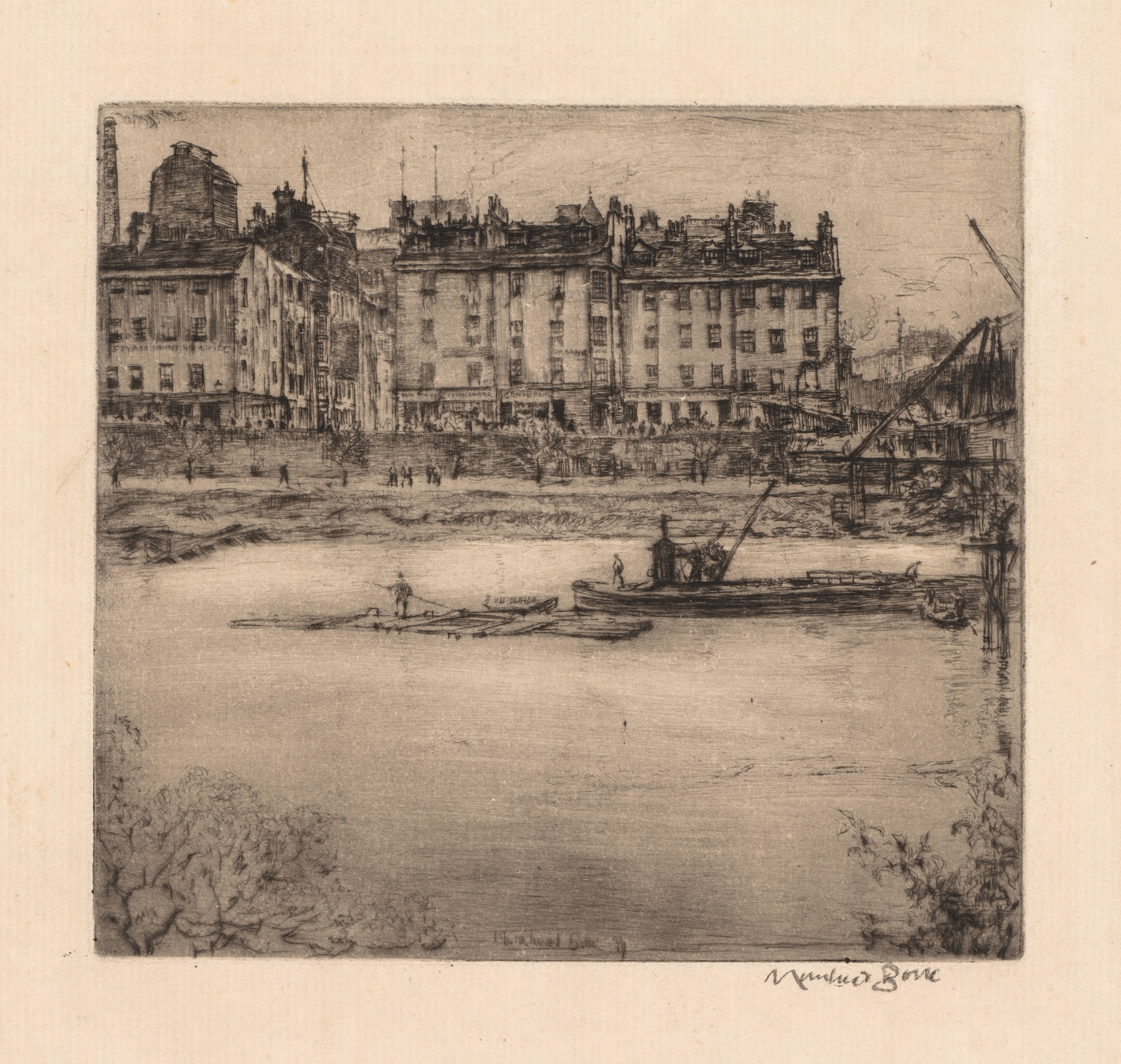
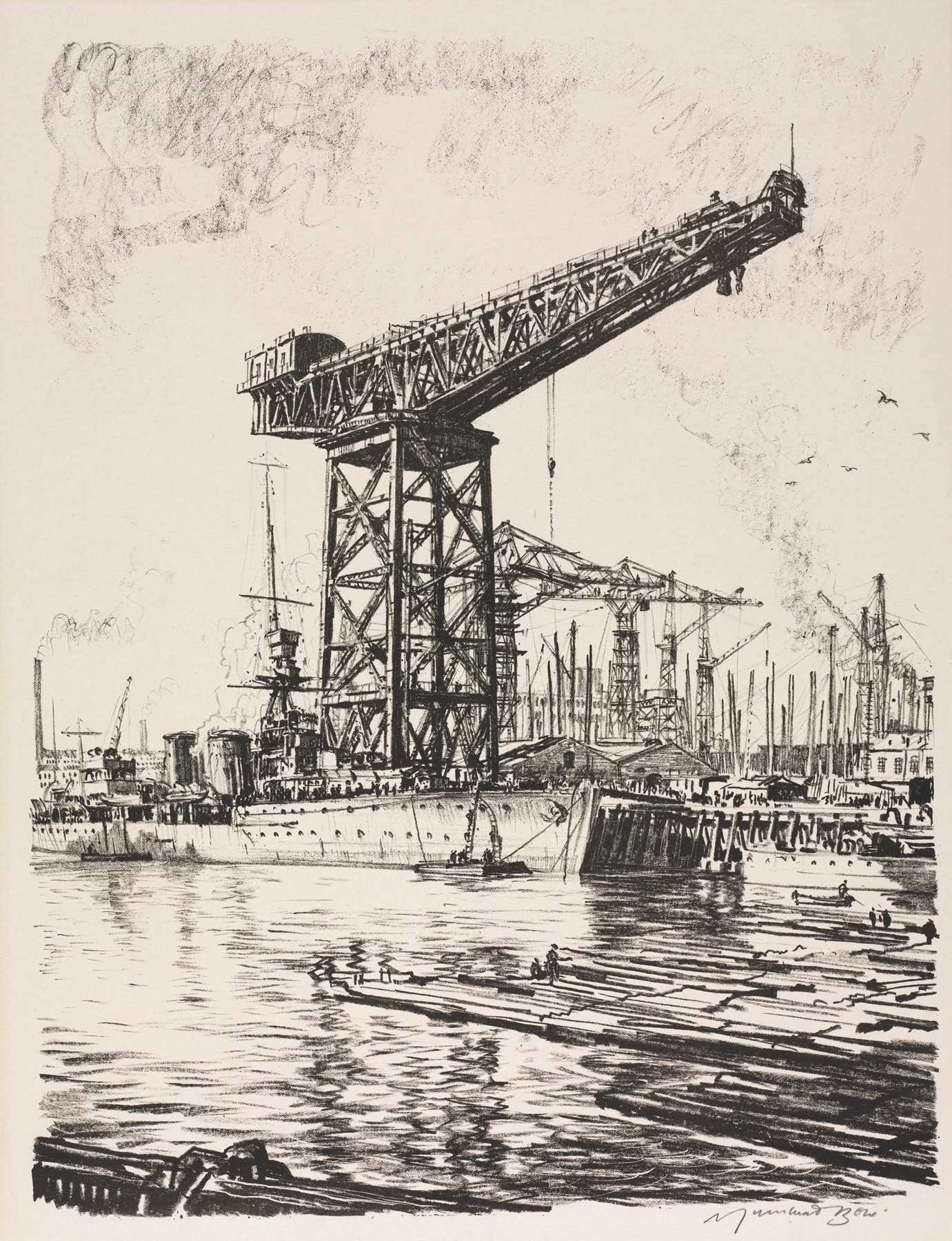
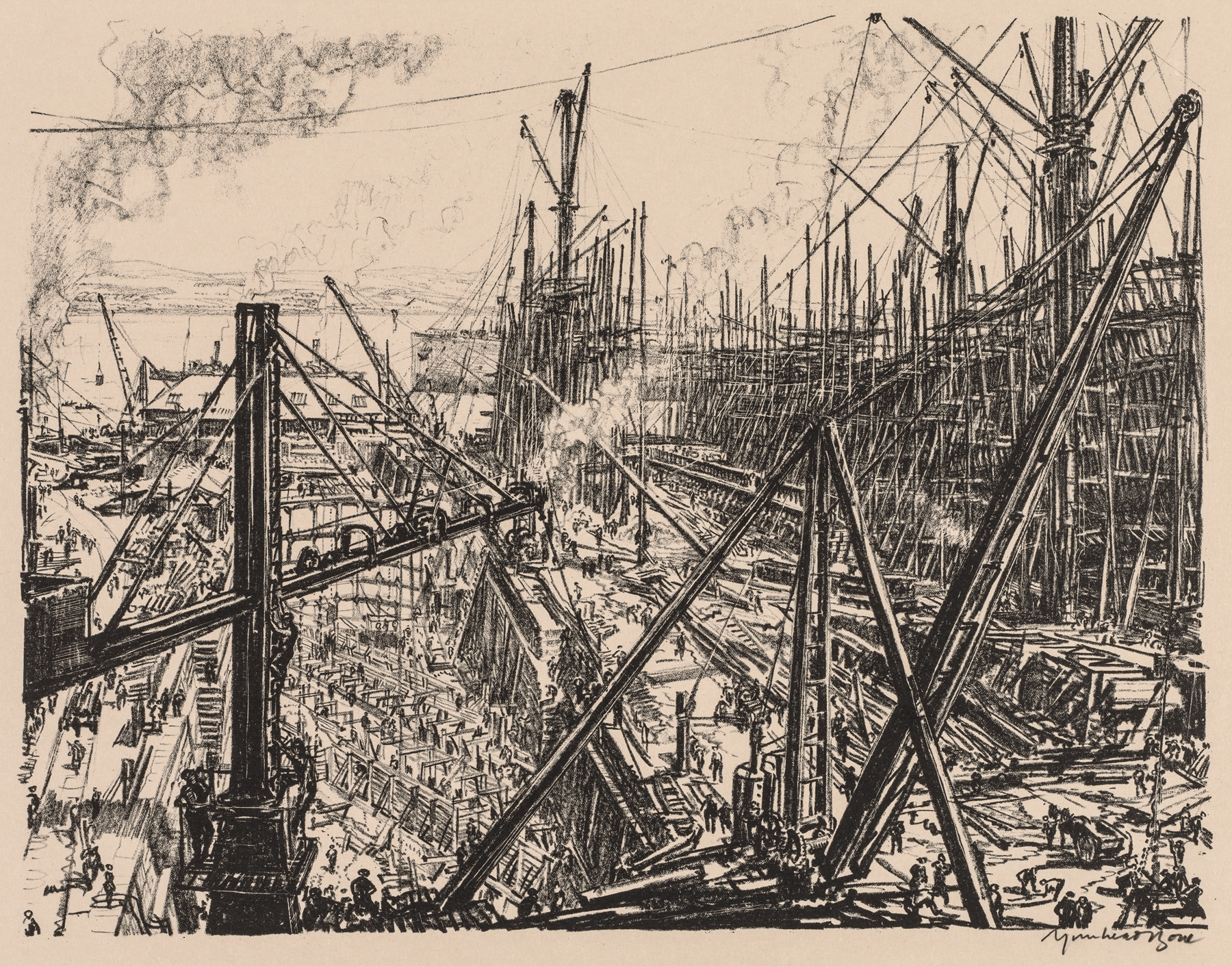
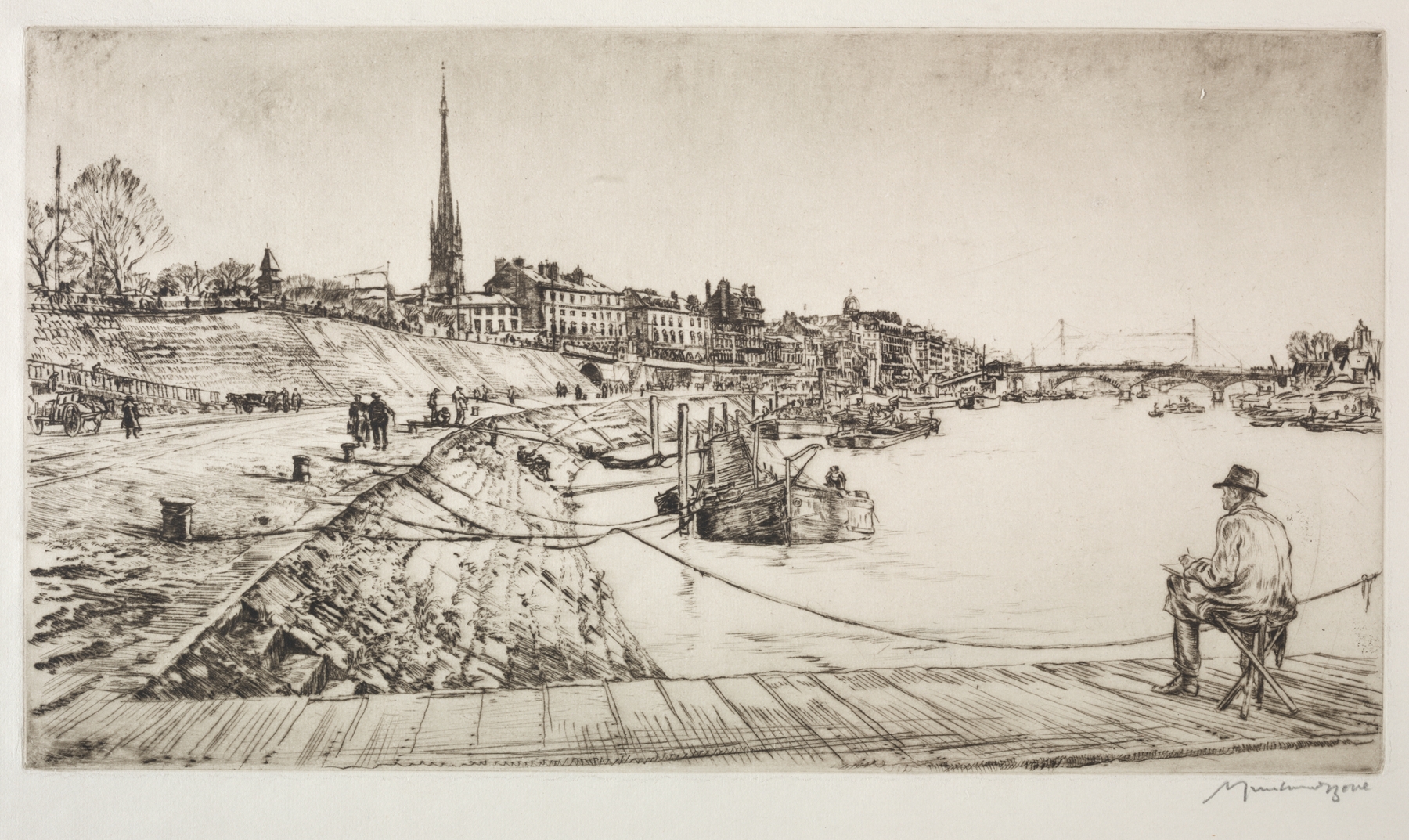
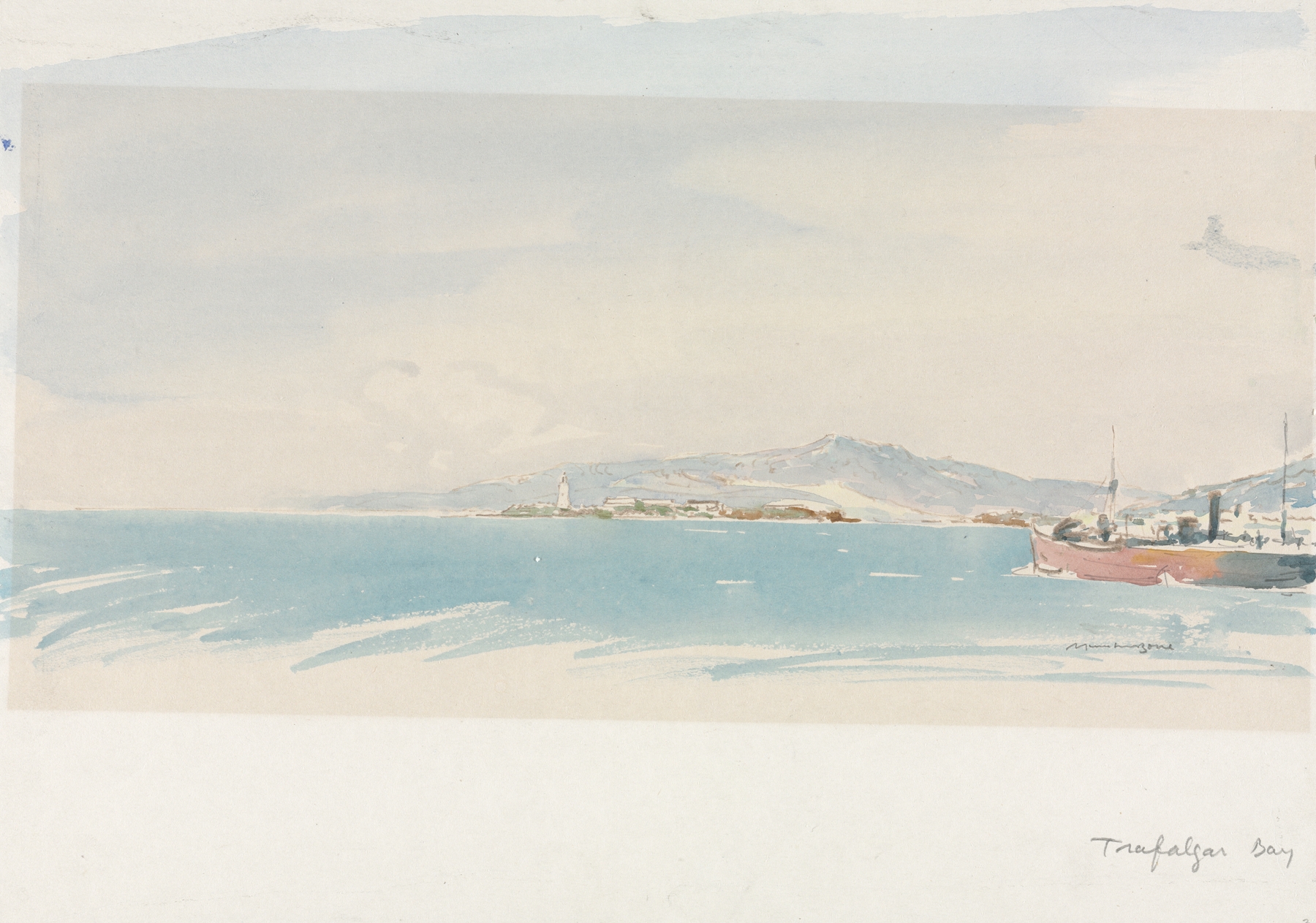
Can paint confess what words never could? In Rye, from Camber, the brushstrokes echo the silent whispers of a landscape reborn, inviting us to explore the delicate interplay of nature and human presence. Look to the center, where the winding river carves its way through the verdant fields, captured in sweeping curves that suggest movement and life. The artist employs a soft palette of greens and blues, punctuated by hints of warm earth tones, creating a harmonious balance that draws the eye deeper into the scene.
The gentle brushwork conveys a sense of tranquility, while the dappled light filtering through the clouds paints a quiet reassurance—nature is resilient, and life persists. As you explore the edges, notice the figures in the distance, seemingly dwarfed by the vastness of their surroundings. They represent humanity's intimate relationship with the land, hinting at the cycles of growth and decay that resonate throughout the natural world. The juxtaposition of the serene water and the lively texture of the grass suggests a moment of stillness before change—an embrace of rebirth that transcends mere representation.
Muirhead Bone created this piece in 1907, during a time of personal and artistic transition. Living in London, he was deeply influenced by the Impressionist movement yet sought to capture the essence of his Scottish heritage in his work. This painting reflects a desire to connect with the pastoral beauty and the enduring spirit of the countryside, revealing the tension between the encroaching modern world and the timeless landscapes that nurture the soul.