Sailboat at Sea — History & Analysis
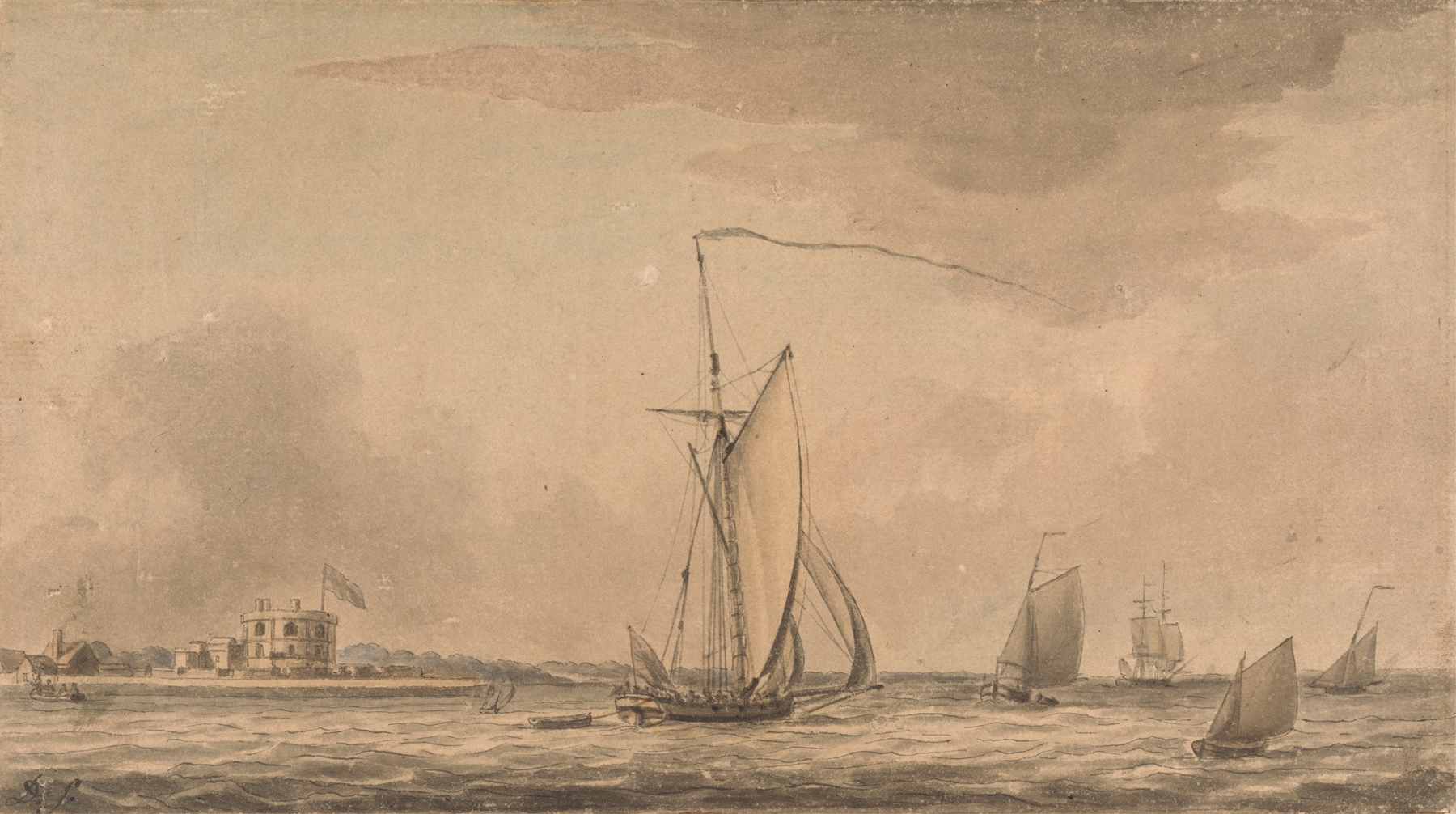
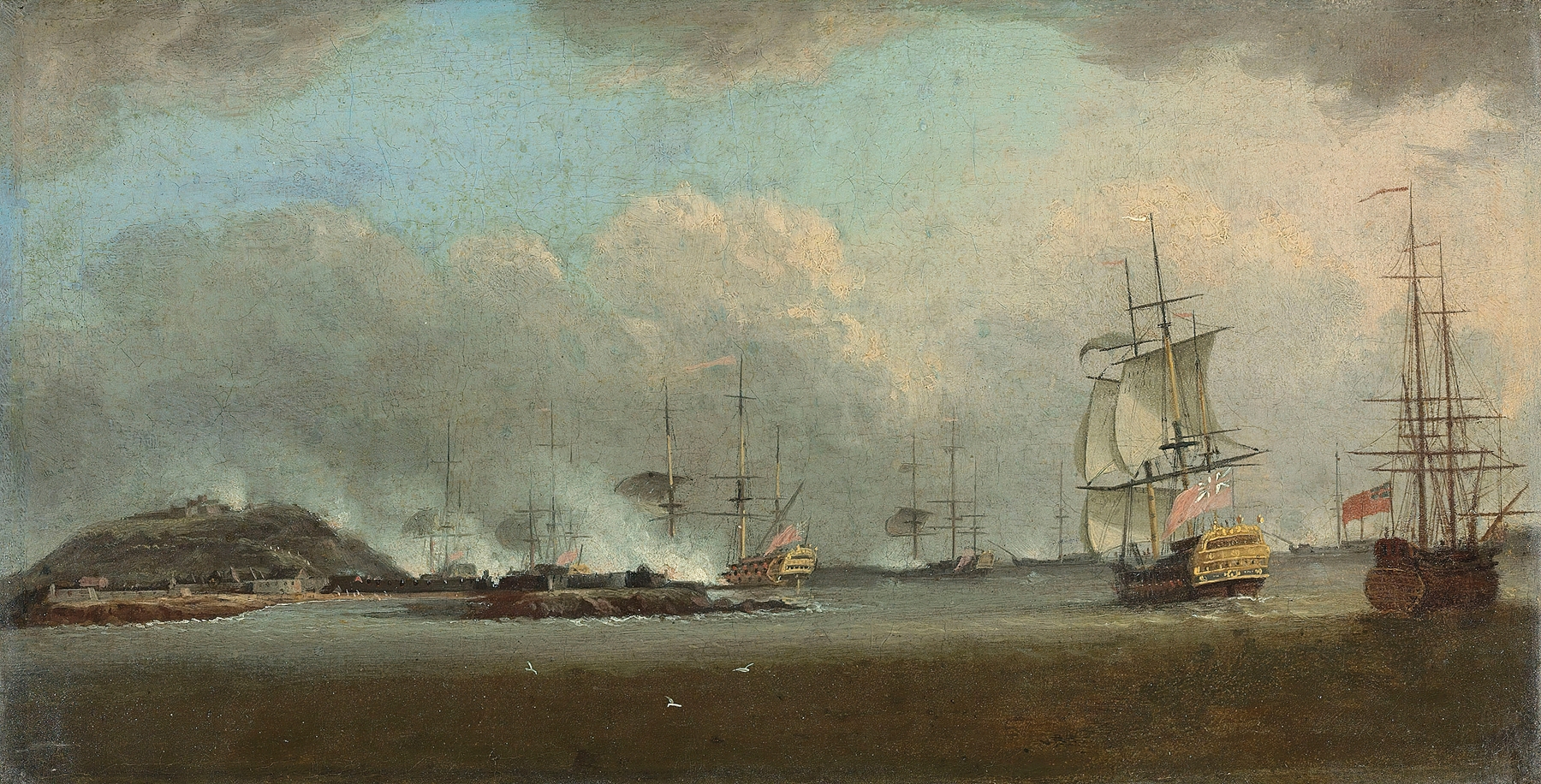
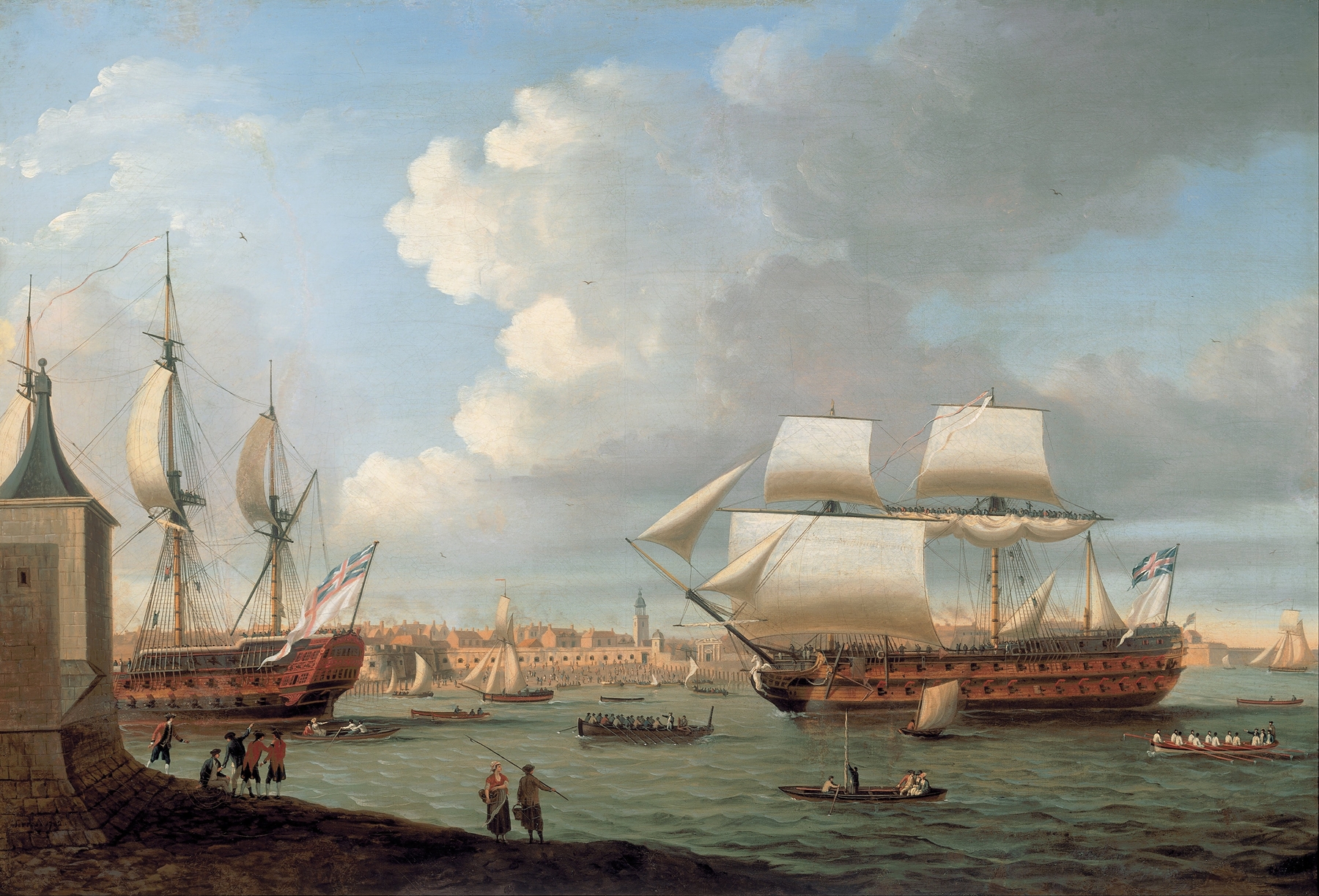
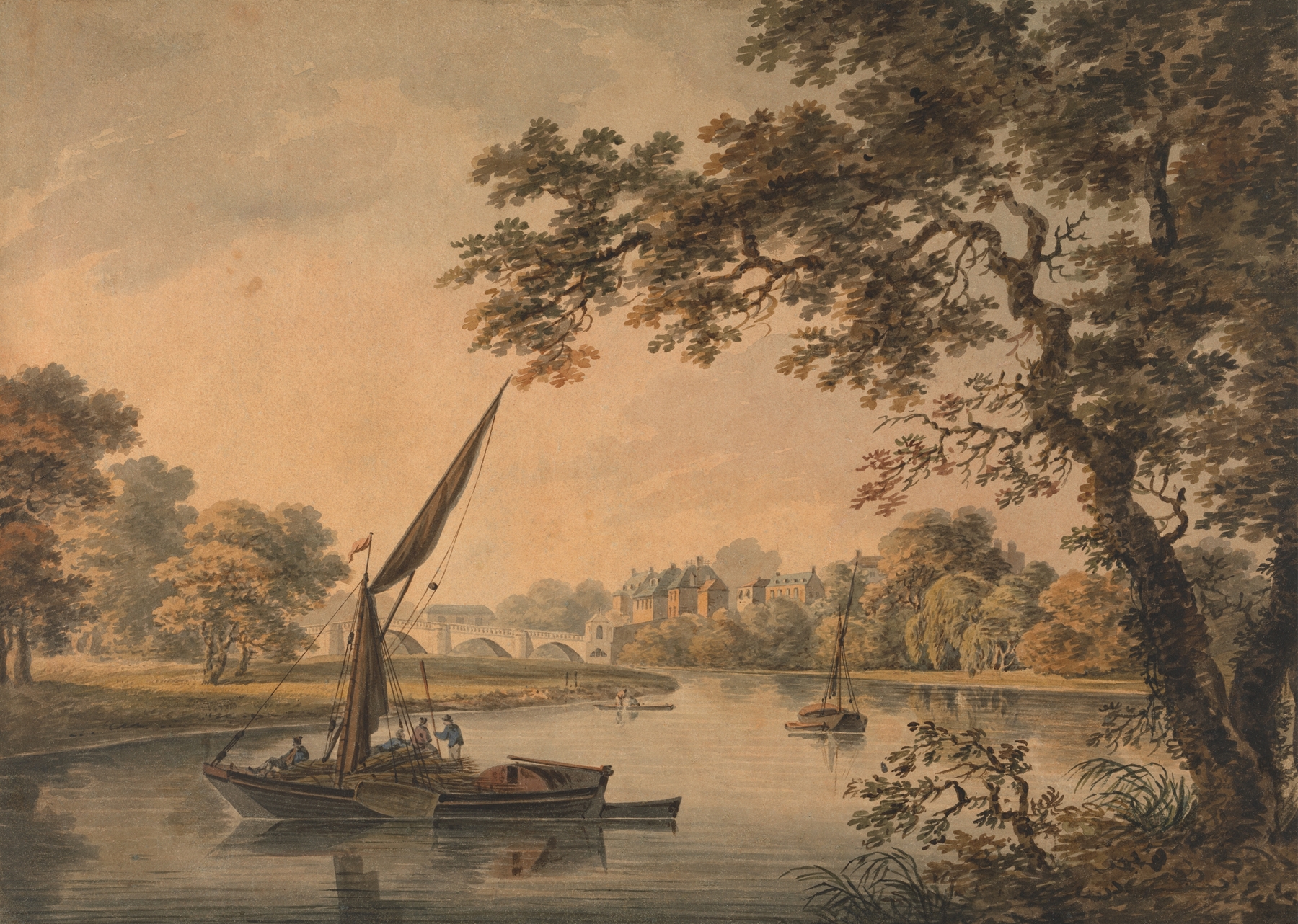
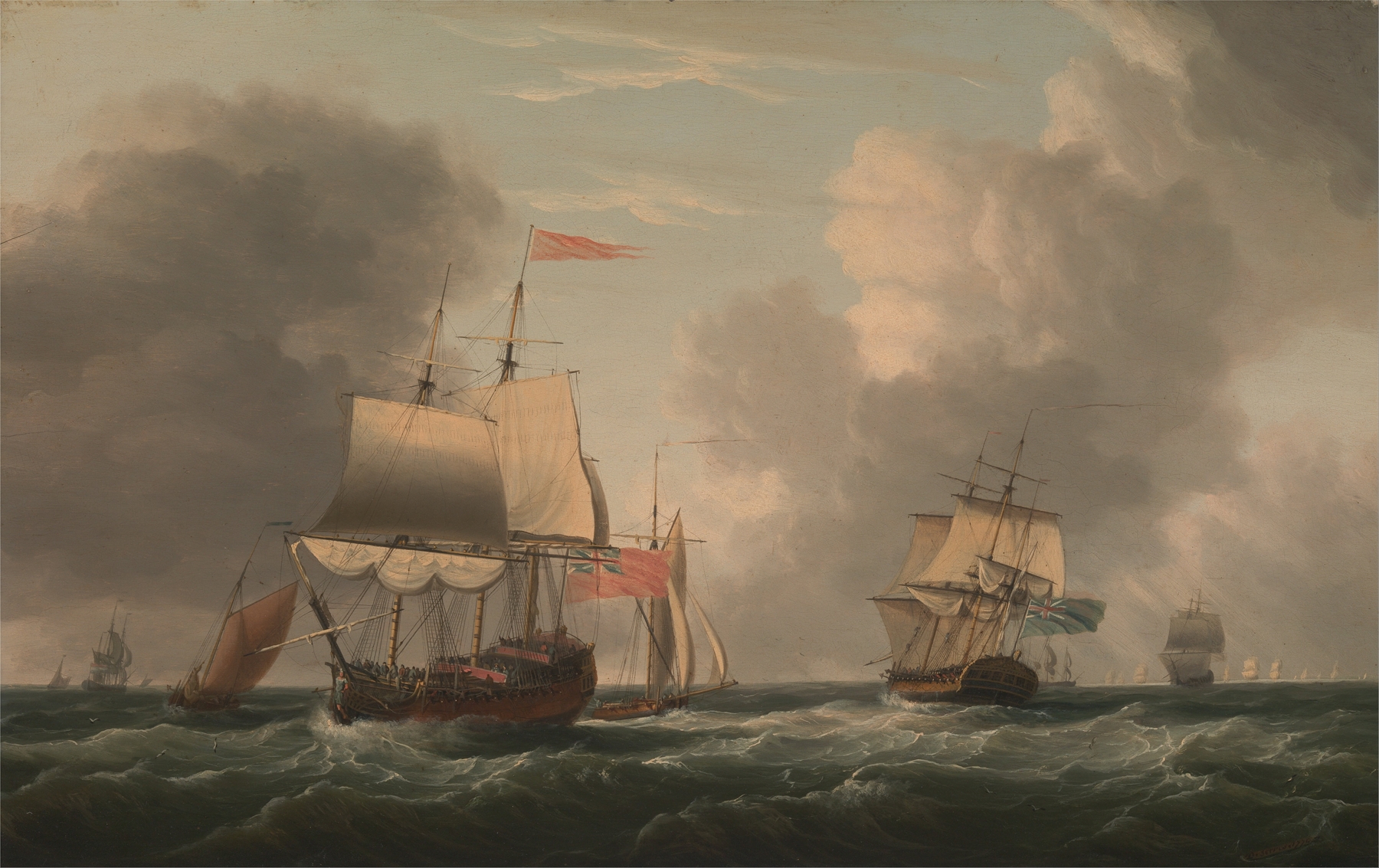
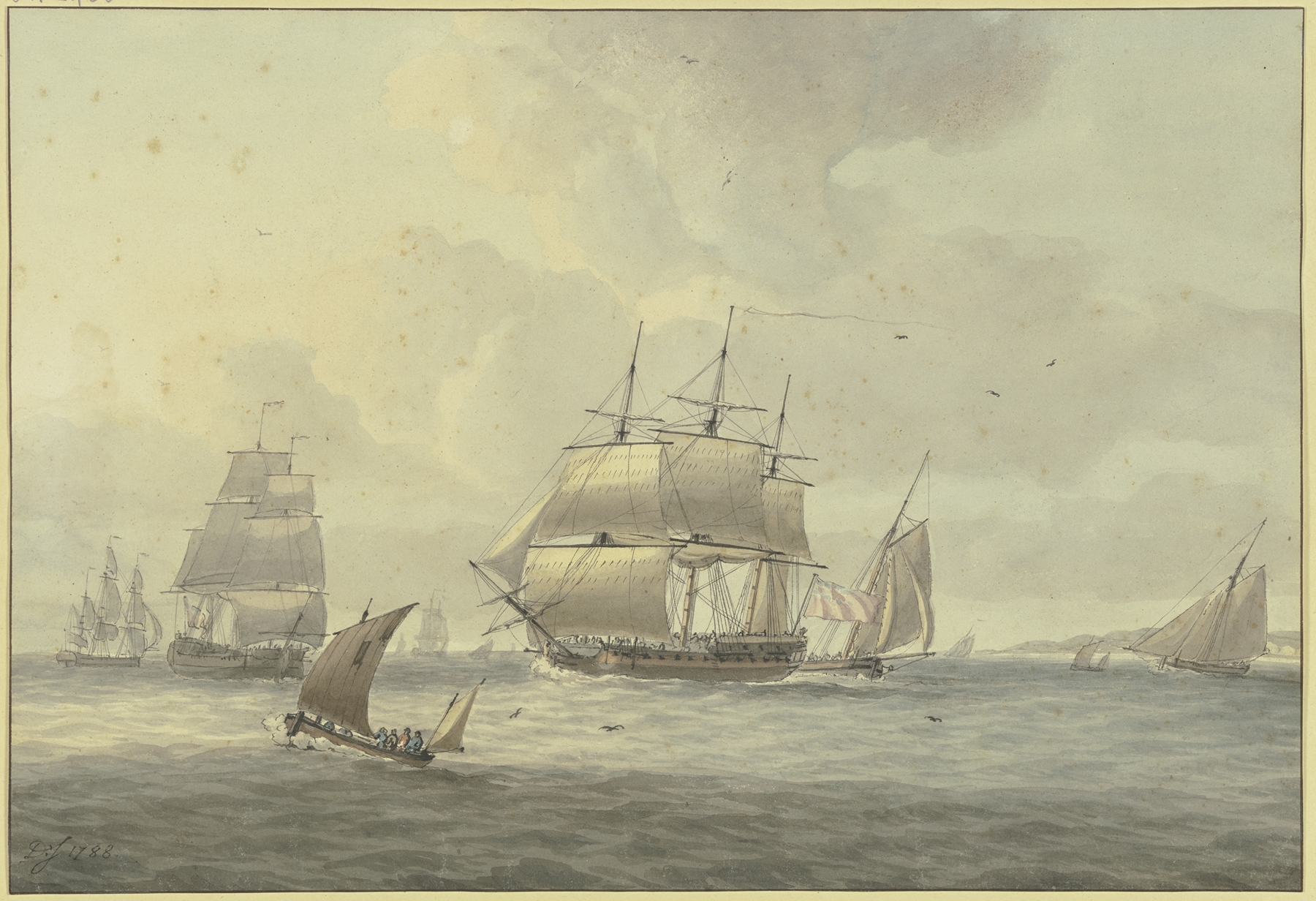
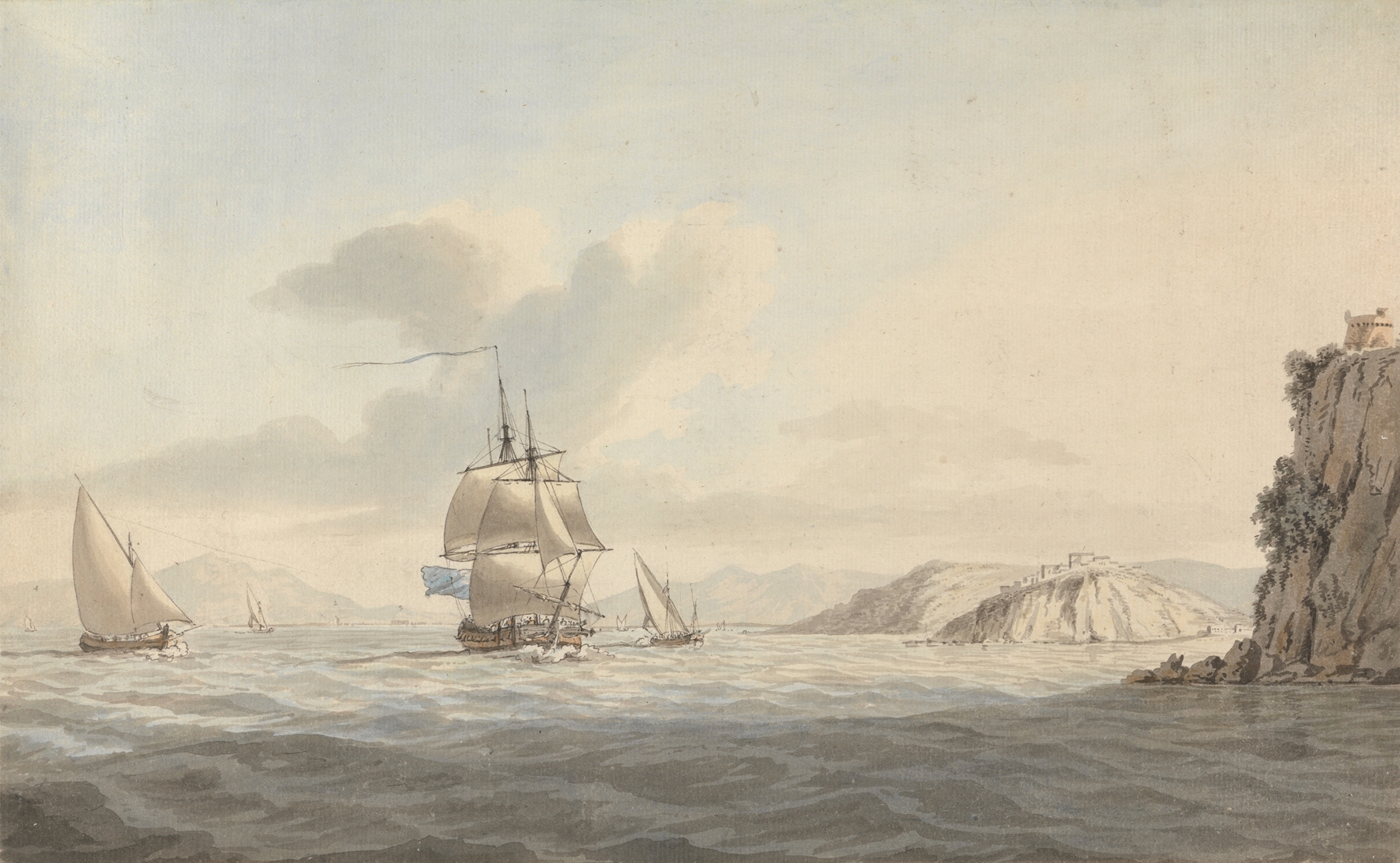
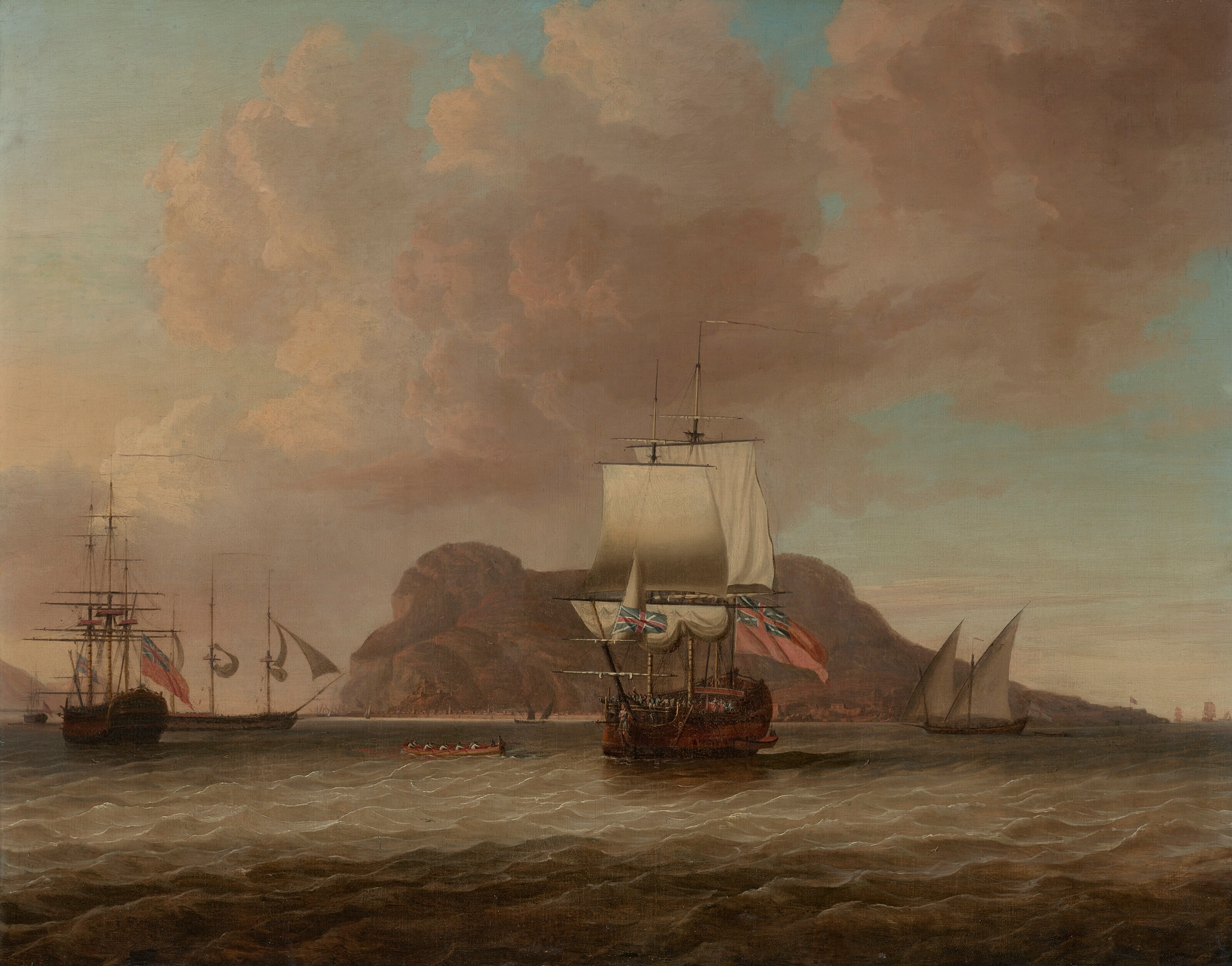
“Sometimes beauty is just pain, disguised in gold.” This thought lingers like a whisper amidst the crashing waves and billowing sails that entwine faith and longing in Sailboat at Sea. Look to the center of the canvas, where the sailboat, a slender silhouette against the horizon, navigates the deep cerulean expanse. Notice how the sunlight dances on the water’s surface, creating a shimmering pathway that beckons the eye further into the composition. The artist employs a palette rich with blues and whites, contrasting the vibrancy of the sea against the muted tones of the sail, inviting a sense of serenity intertwined with the unknown.
The painting evokes a profound tension between freedom and vulnerability. The boat, while seemingly at ease on the endless sea, also embodies a sense of isolation, floating in an expansive void. Each brushstroke captures the tumultuous dance of nature, hinting at the invisible forces of wind and tide that threaten to sway the vessel off course.
As viewers, we are drawn into this delicate balance, confronting our own relationship with faith amid life’s unpredictable currents. Dominic Serres painted Sailboat at Sea during a period marked by his growing reputation in maritime art, particularly in 18th century England. While he became known for his depictions of naval battles and serene seascapes, this work reflects a personal exploration of faith and resilience against a backdrop of advancing industrial change and shifting societal norms.