Saint-Briac. La Pomelière — History & Analysis
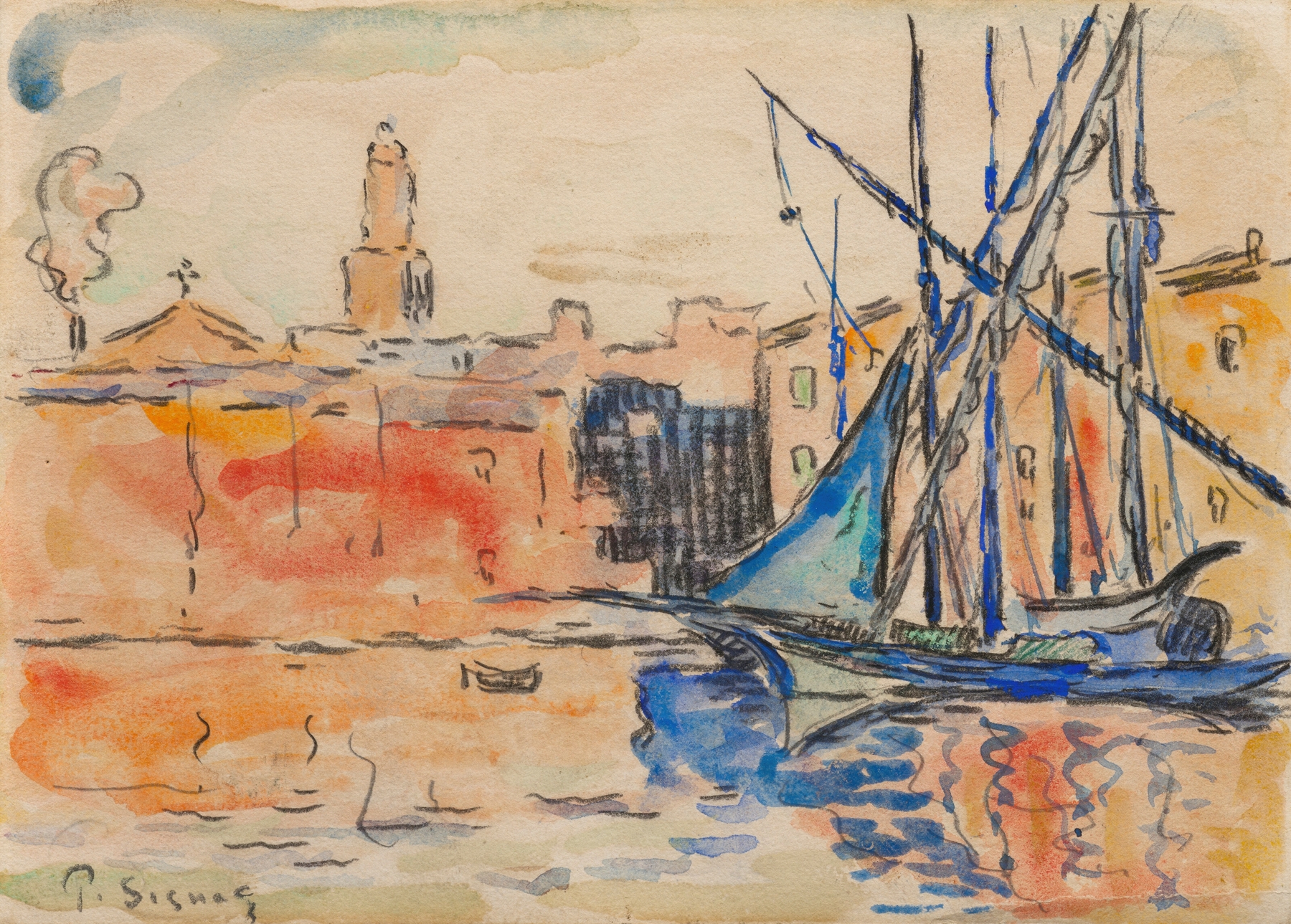
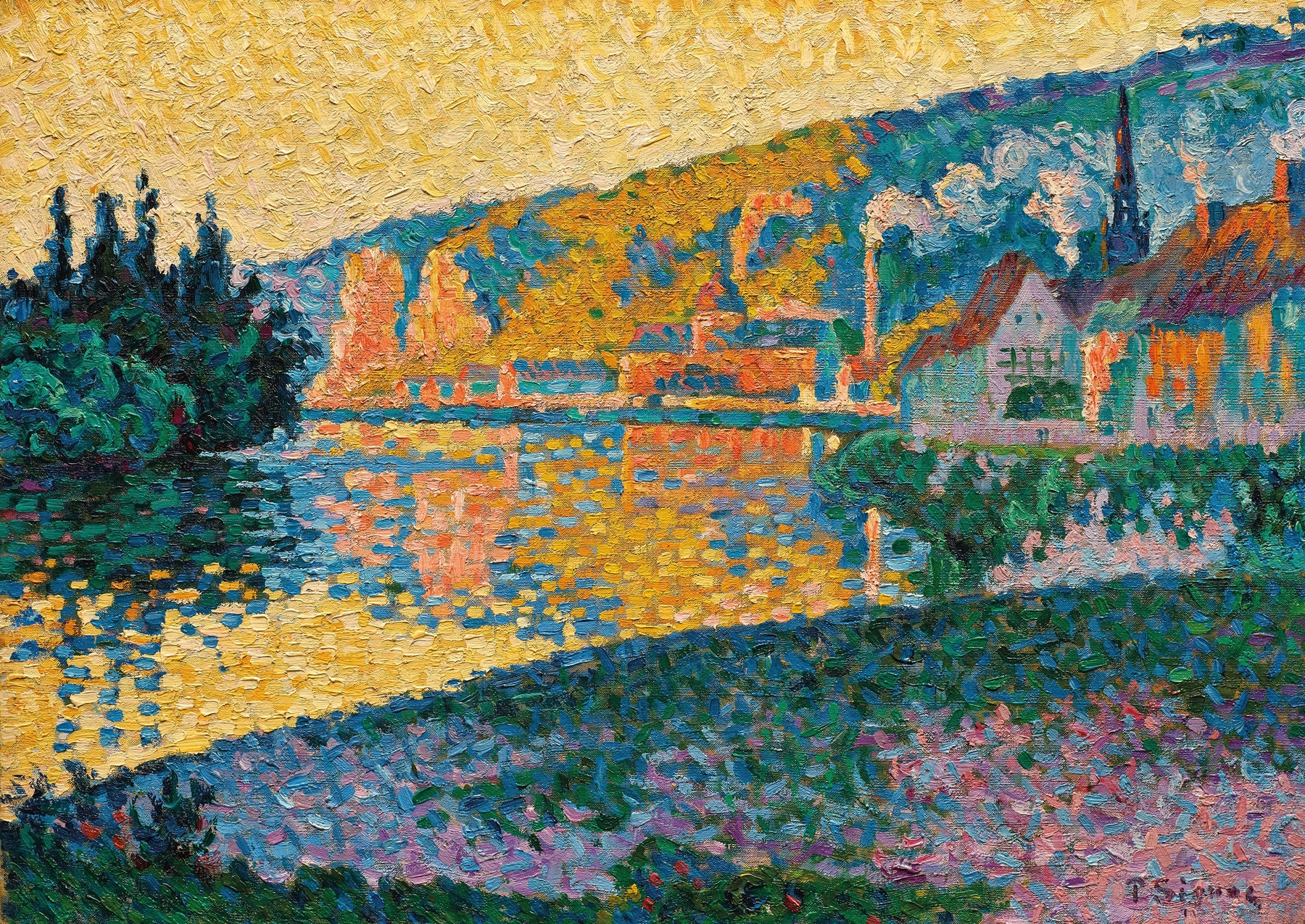
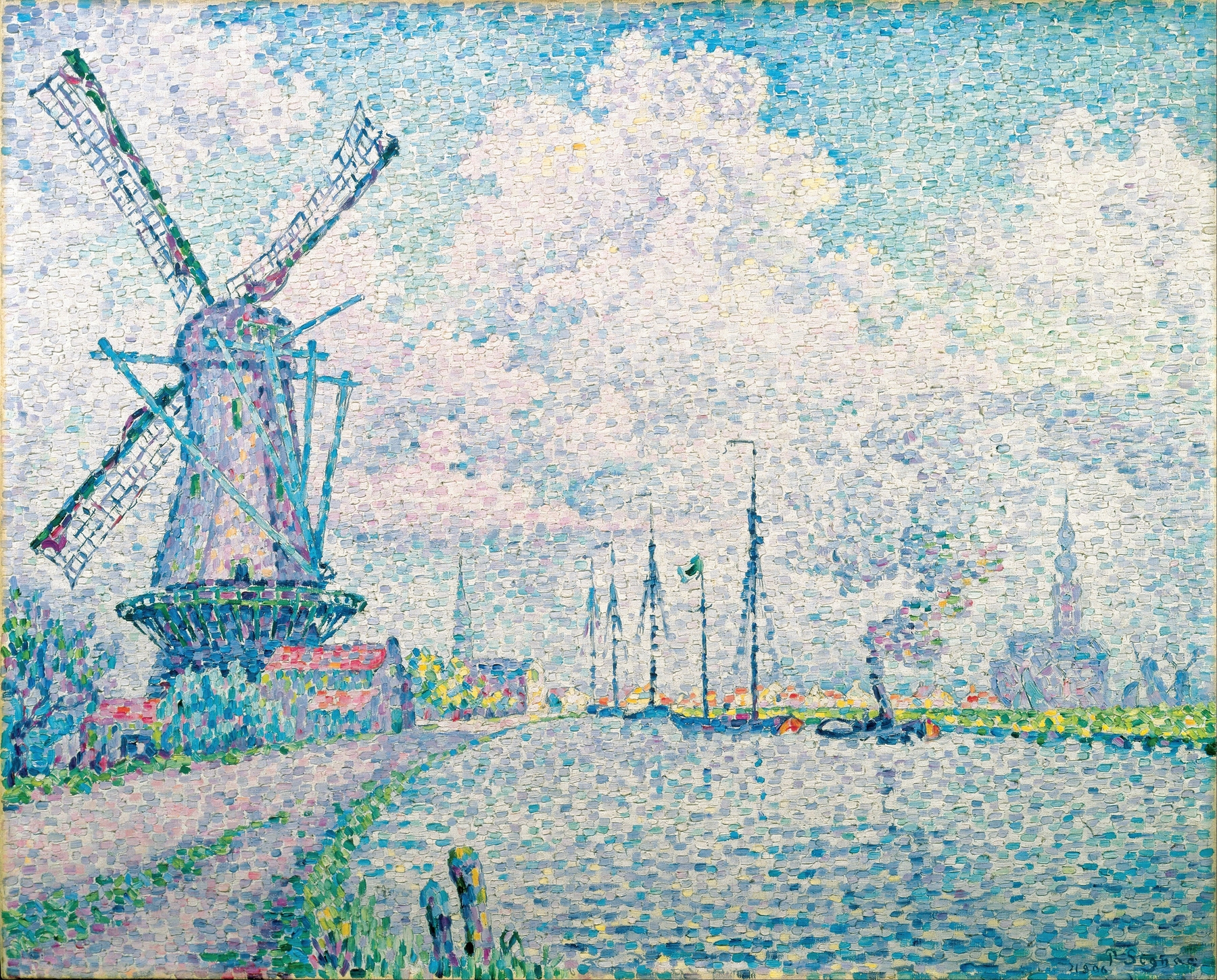
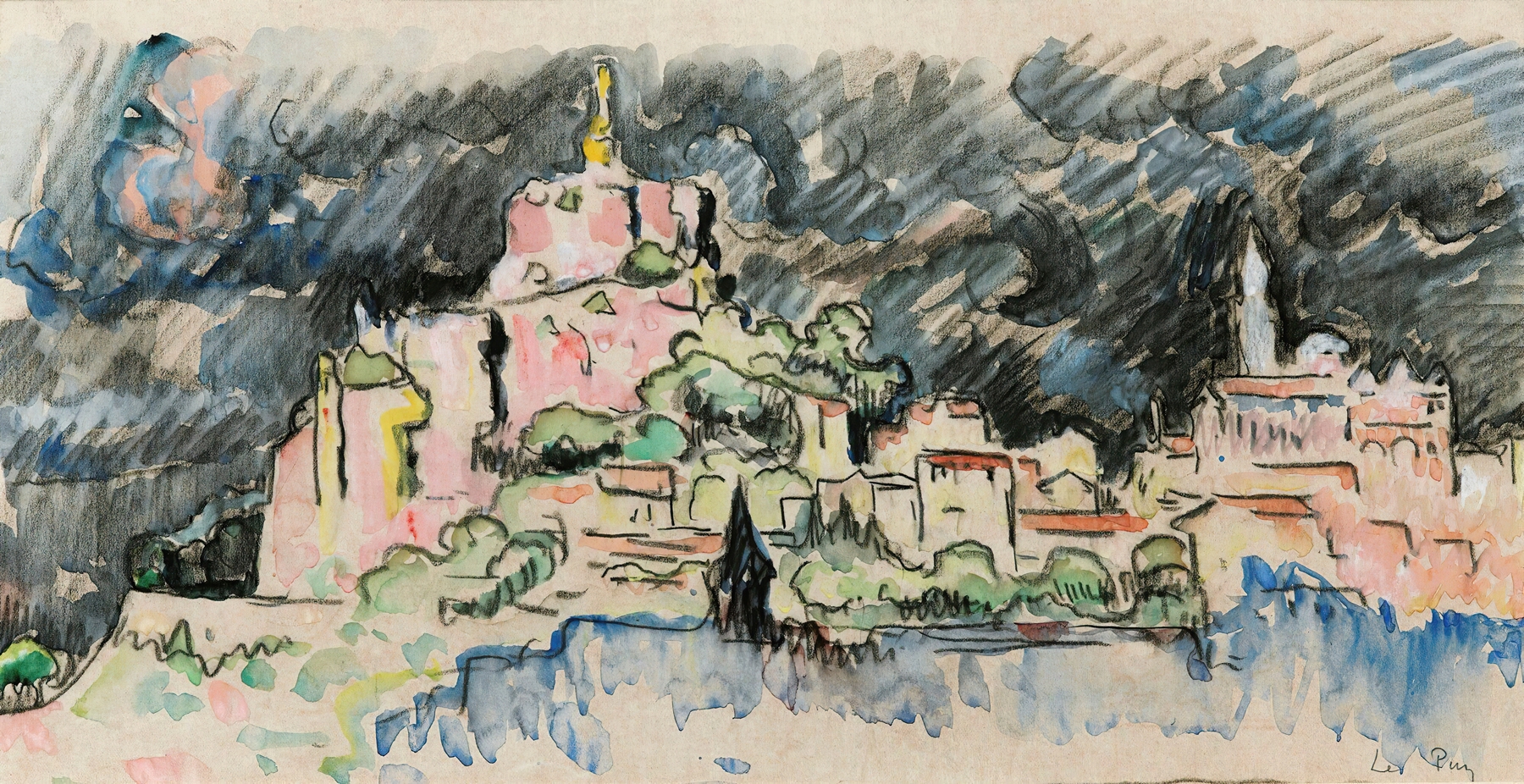
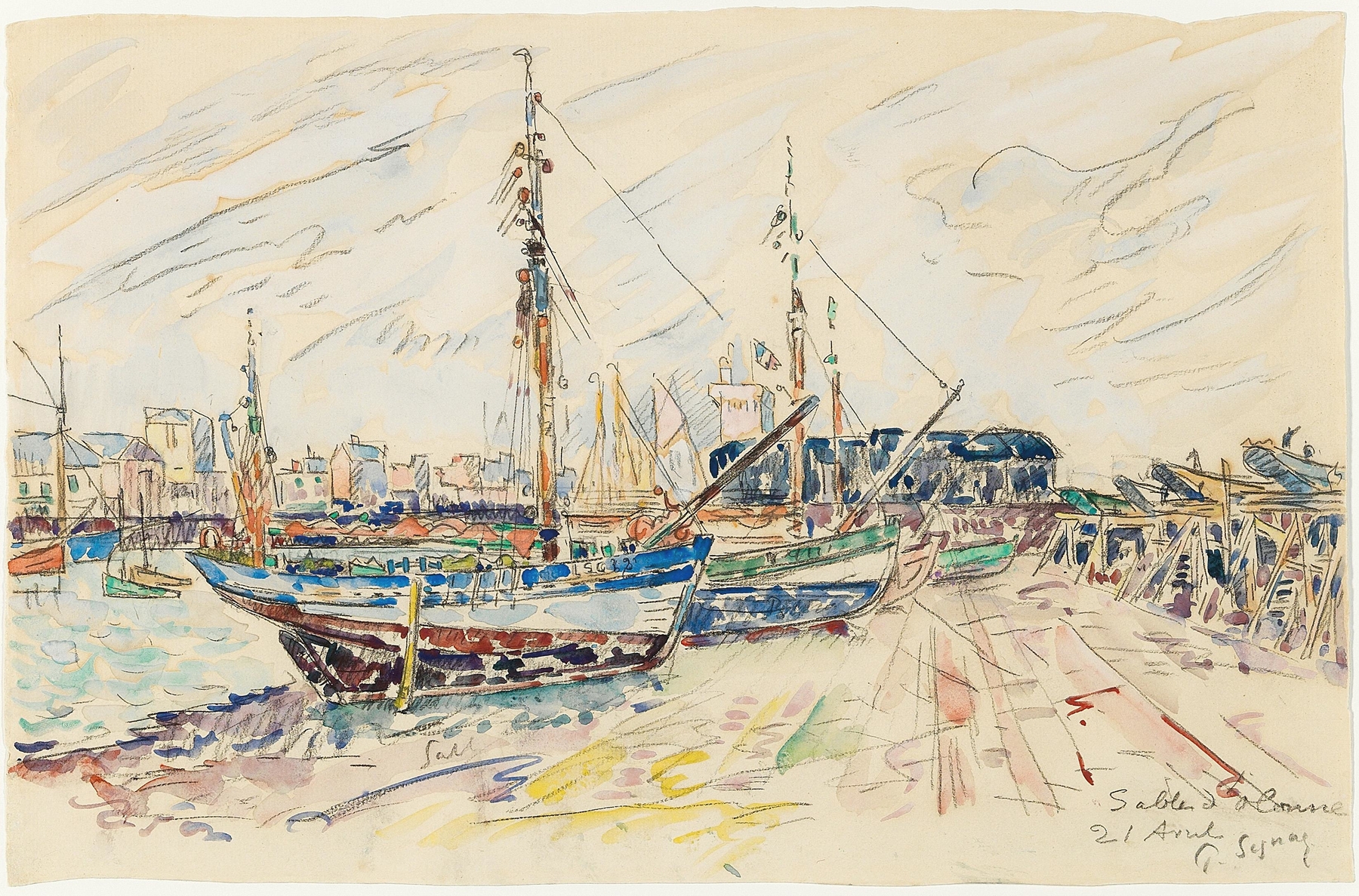
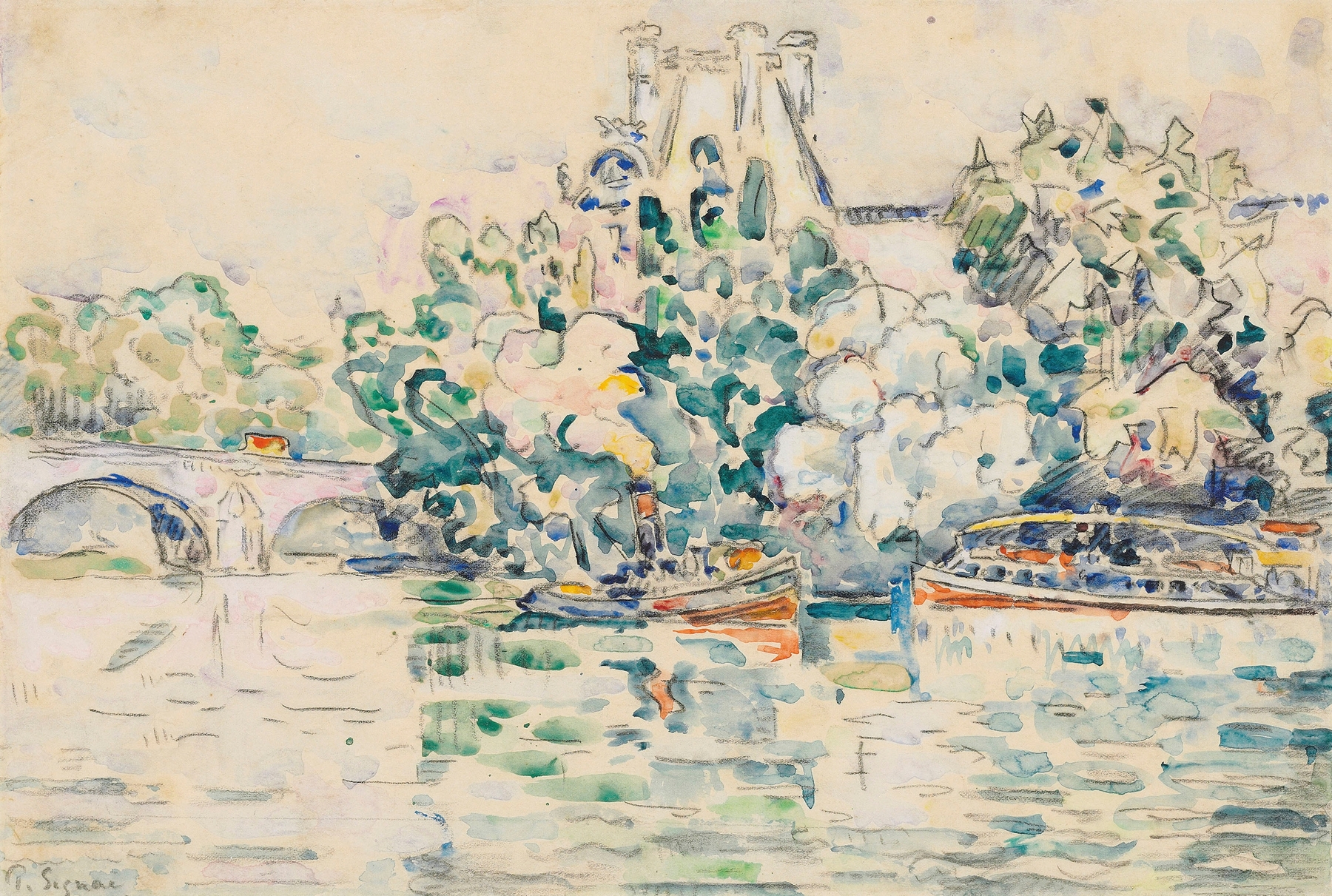
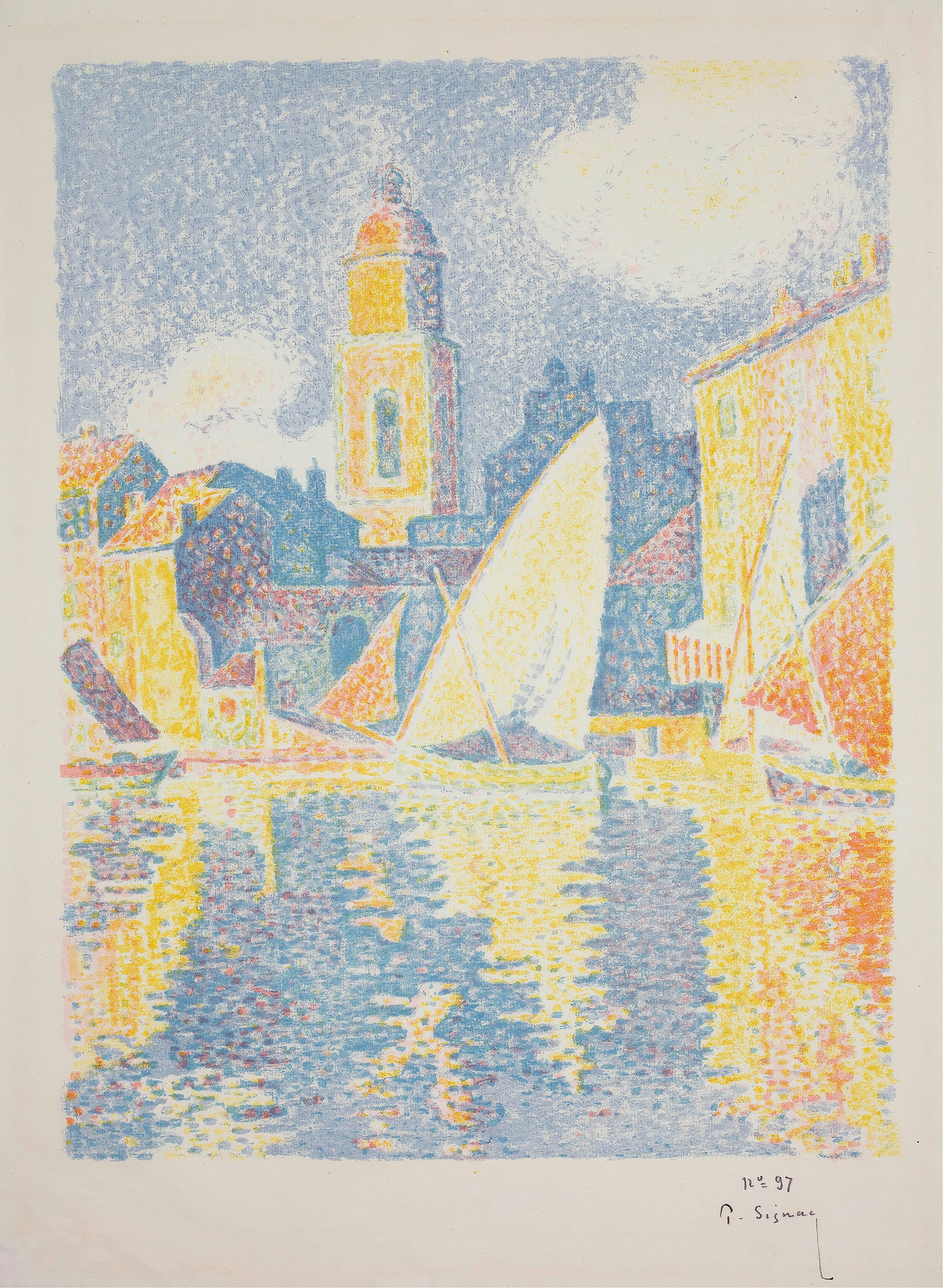
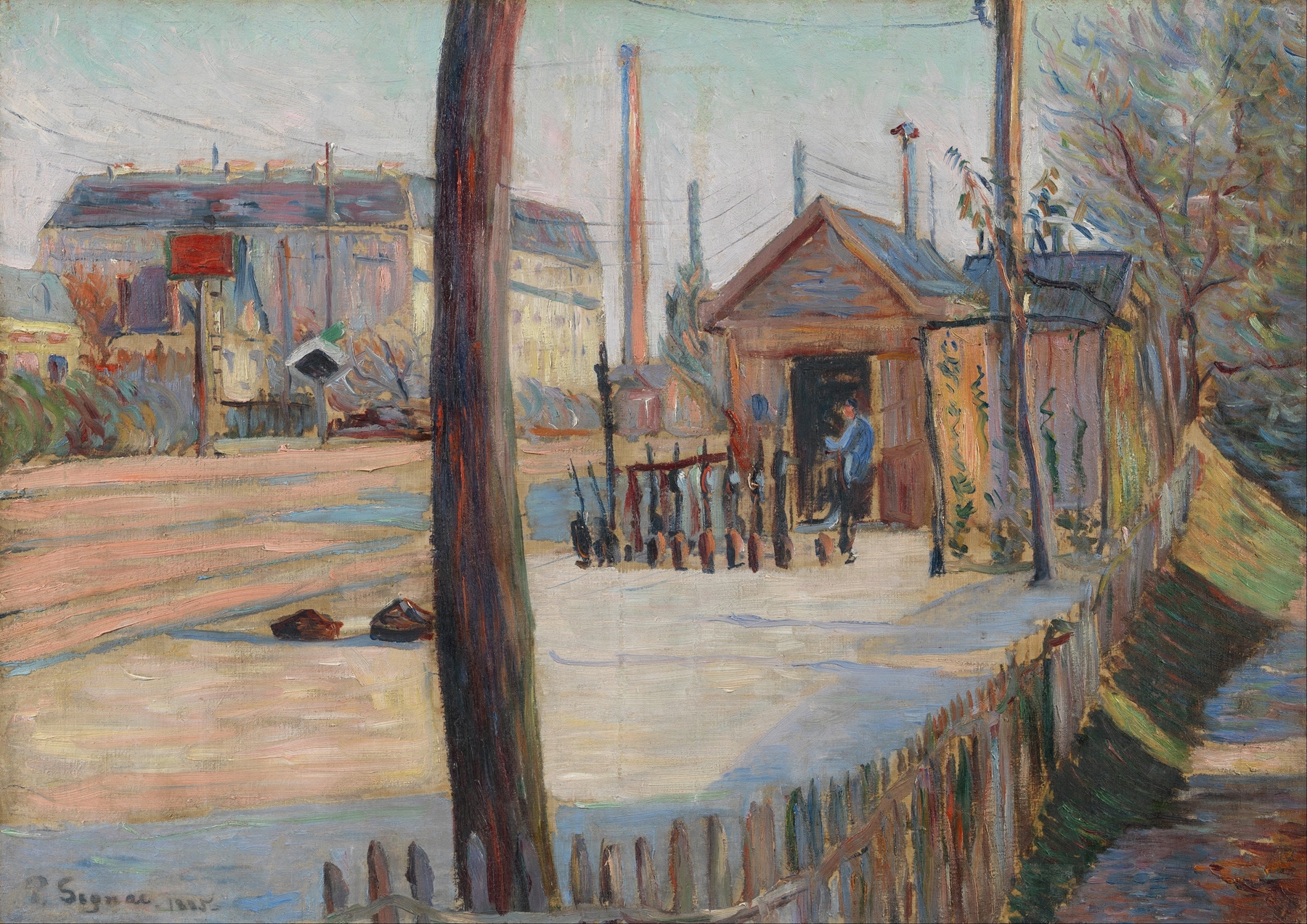
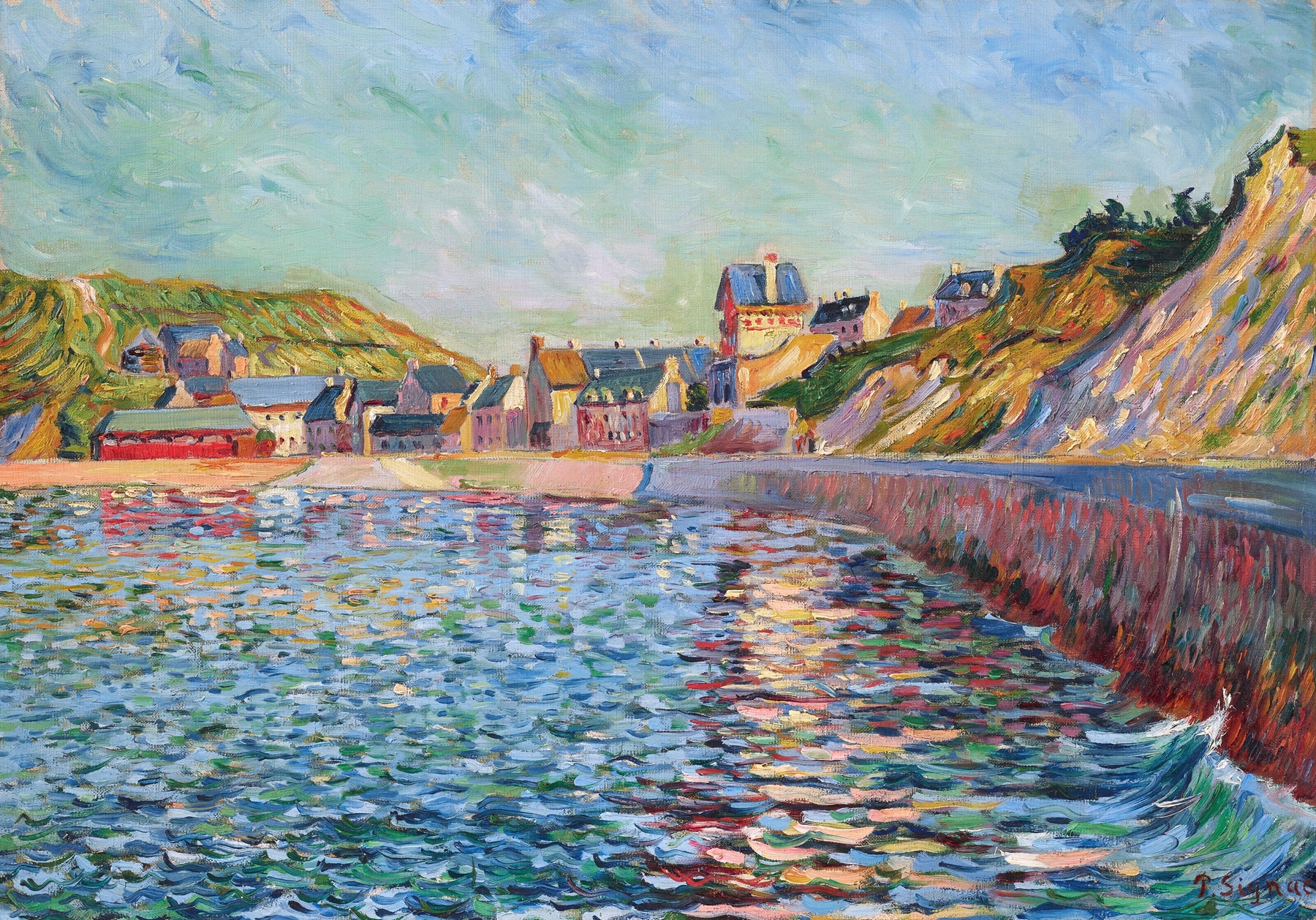
Can paint confess what words never could? In Saint-Briac. La Pomelière, vibrant brushstrokes weave a vivid narrative of legacy and emotion, capturing the spirit of a coastal retreat infused with sunlight and serenity. Look to the left at the radiant house, where soft pastels blend seamlessly into an azure sky. The strokes pulse with life, each dot a whisper of color that dances along the landscape.
Notice how the light falls upon the rooftops, illuminating the scene with a tenderness that beckons the viewer closer, while the dappled shadows suggest a gentle breeze moving through the summer air. The composition invites exploration, as the eye is drawn from the serene architecture to the lush greenery that embraces it, revealing the harmony between man and nature. Beneath the outward tranquility, contrasts emerge: the stillness of the house against the lively brushwork of the foliage, a testament to the passage of time. The vibrant hues evoke a sense of nostalgia, tinged perhaps with the bittersweet awareness of change.
Each detail, from the rippling water to the distant horizon, speaks to the artist's contemplation of legacy—the fleeting moments of beauty that define our existence and the places we hold dear. Paul Signac painted this work in 1885 during a pivotal period in his career, as he was developing his pointillist technique, which would come to define his style. At this time, he was immersed in the vibrant art community of Paris, engaging with fellow post-impressionists who sought to redefine color and form. The painting reflects not only his personal artistic journey but also the broader movement toward modernism, capturing a moment that would resonate for generations.