Saint-Paul-de-Vence — History & Analysis
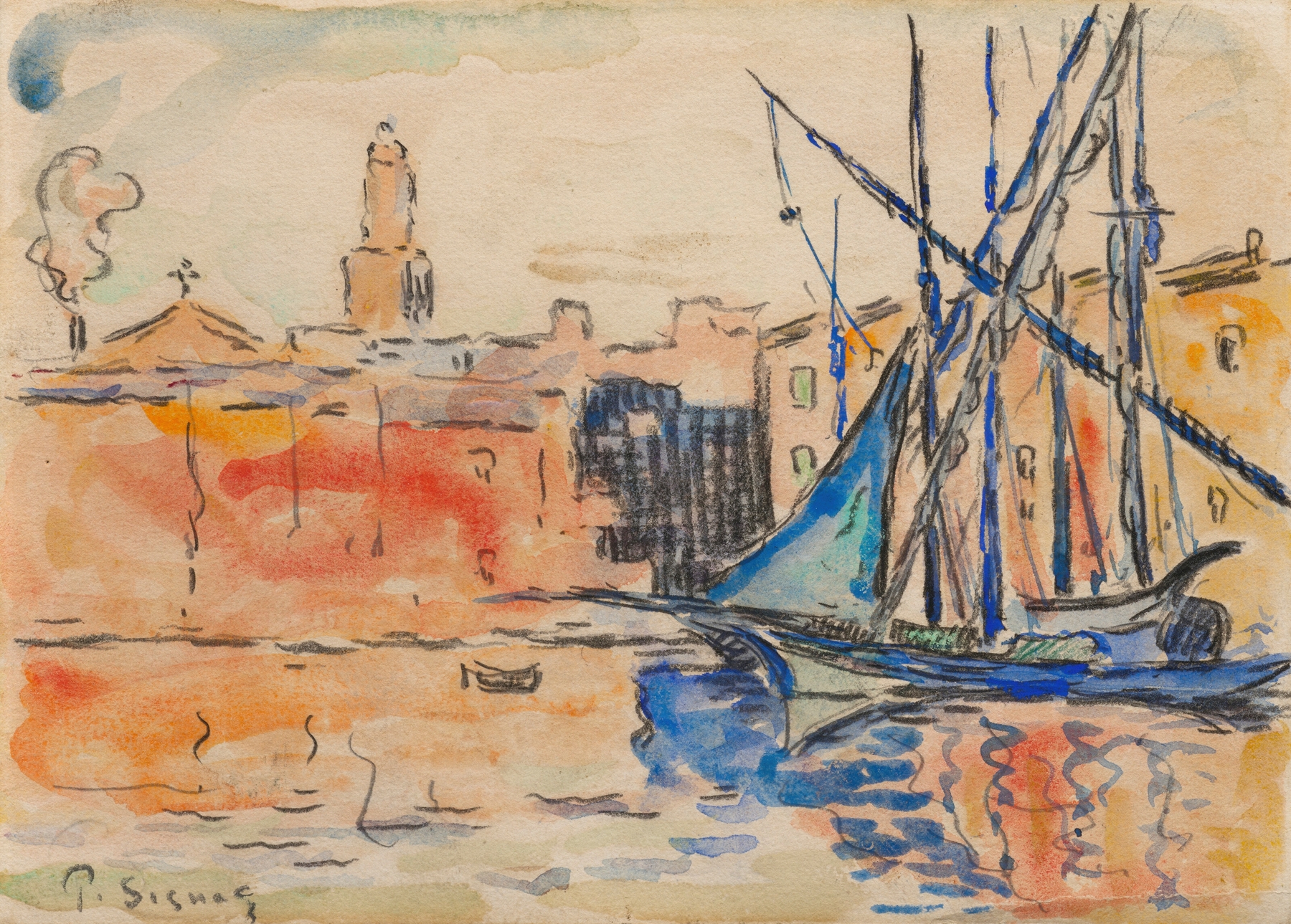
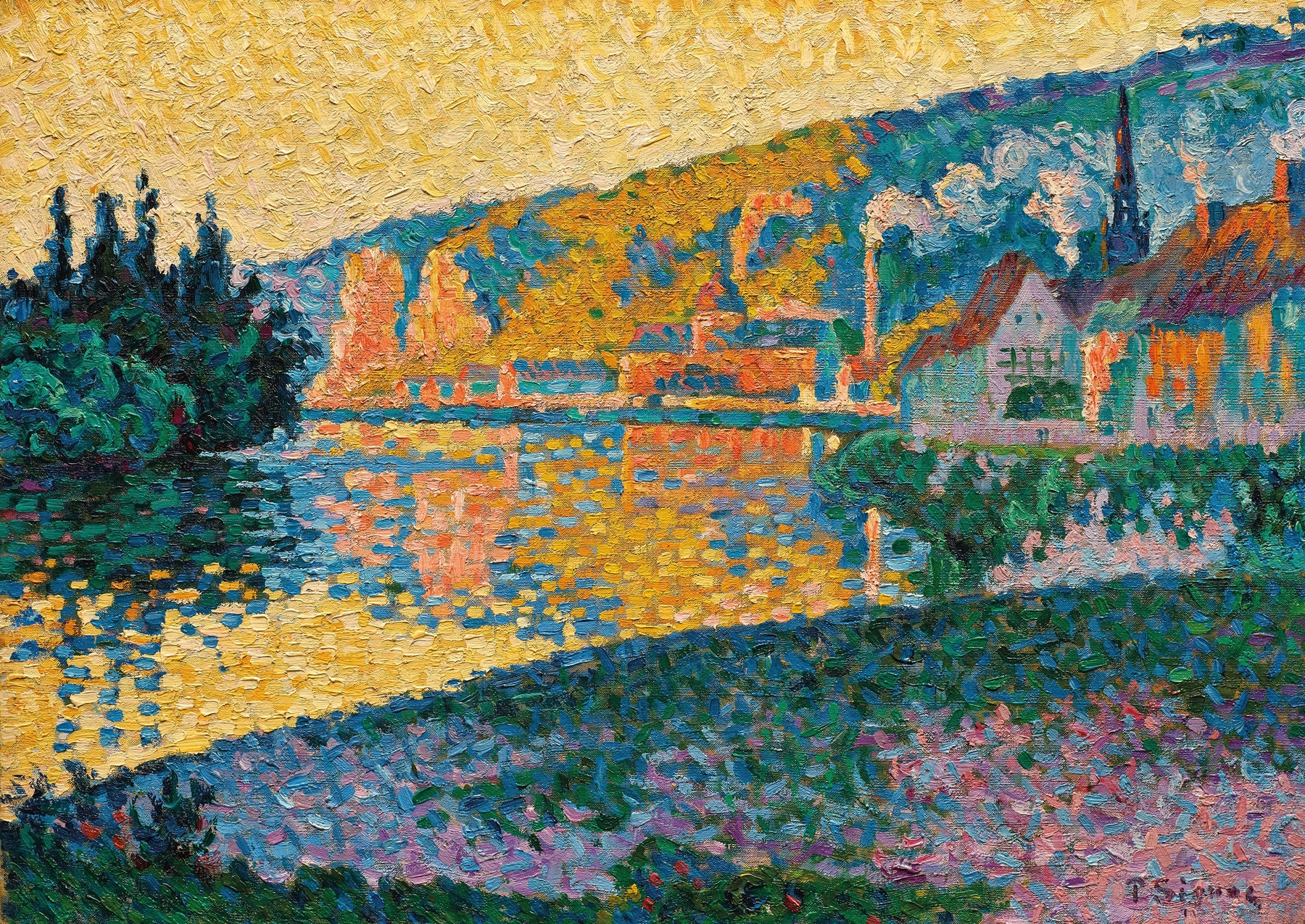
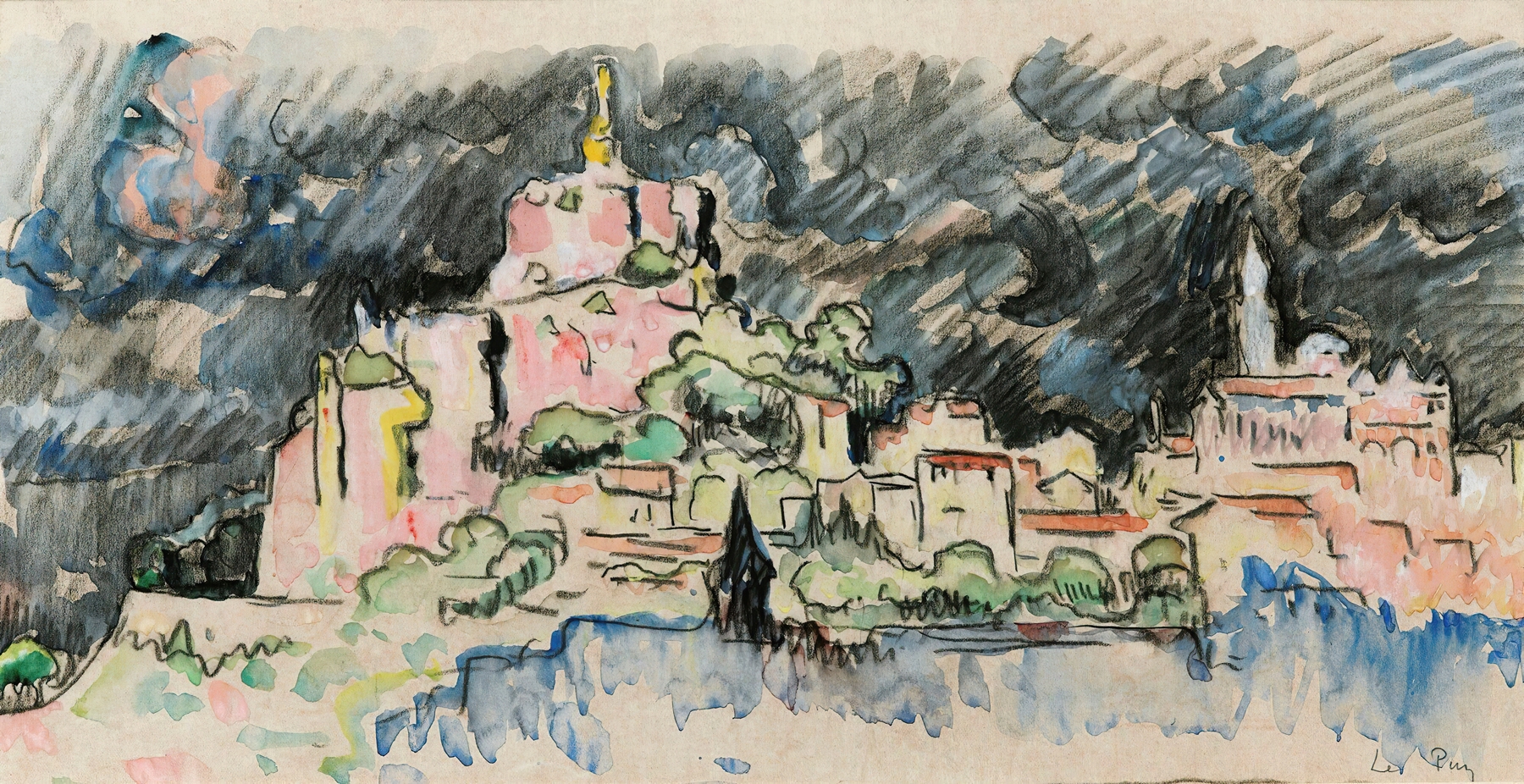
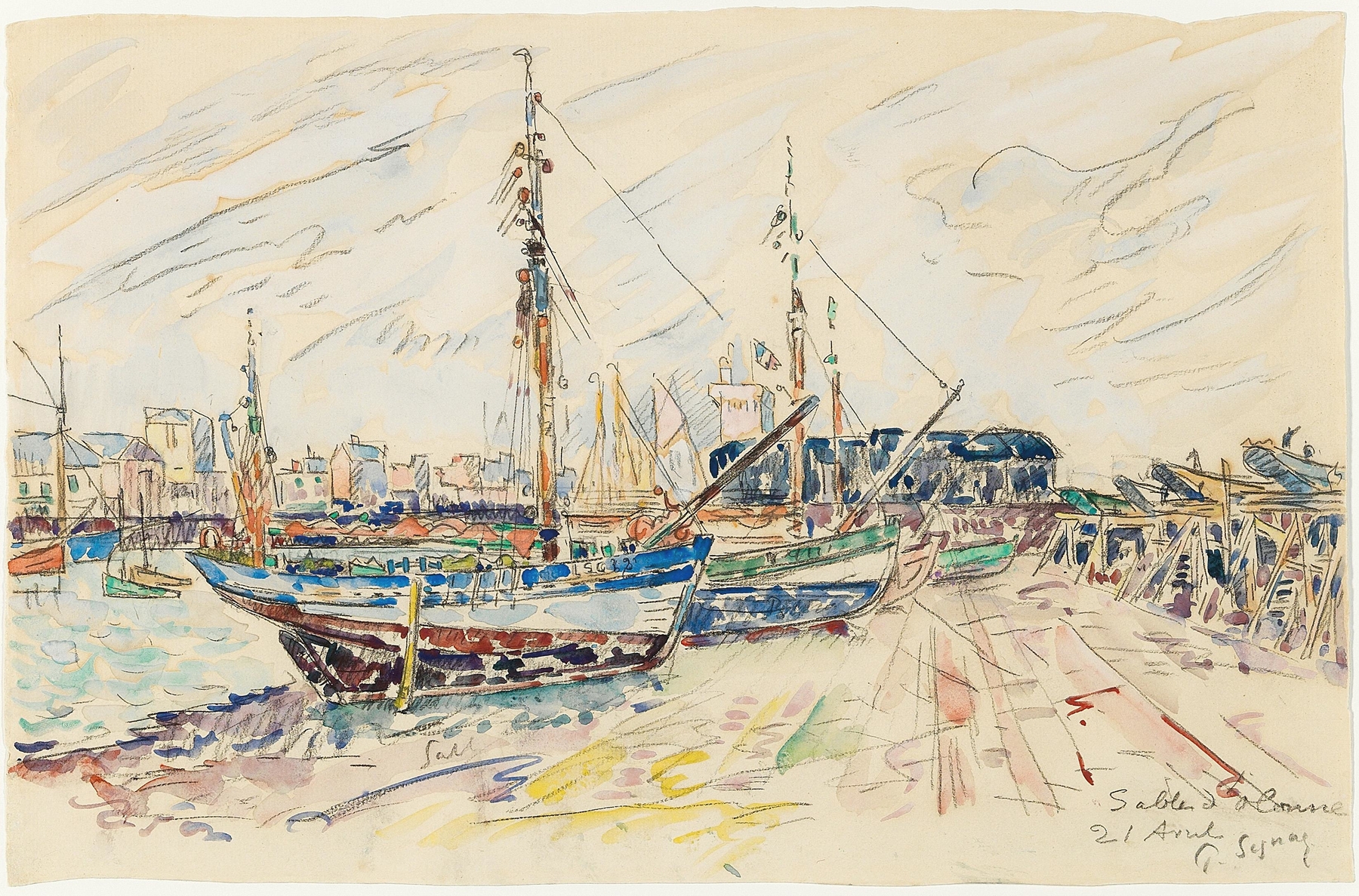
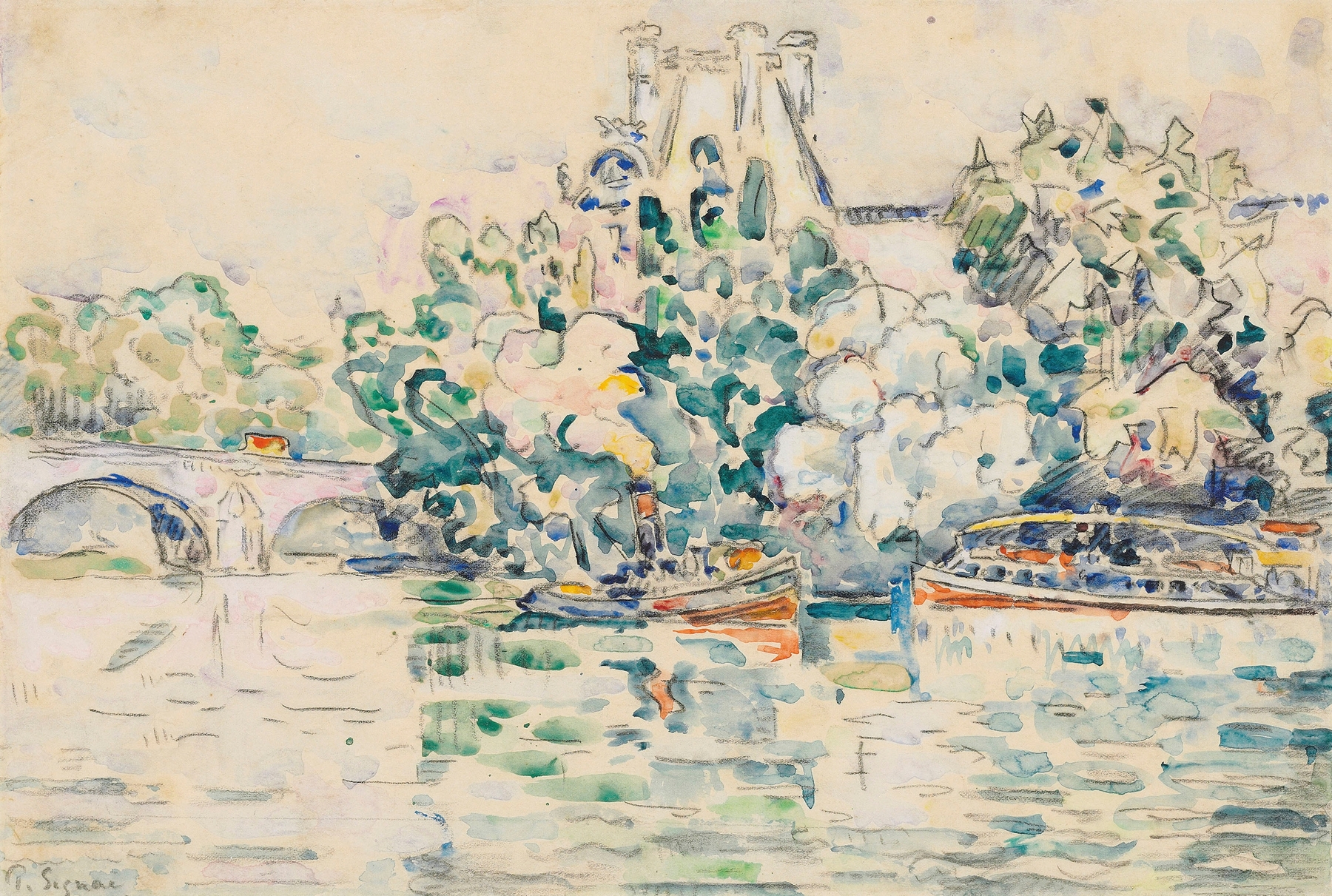
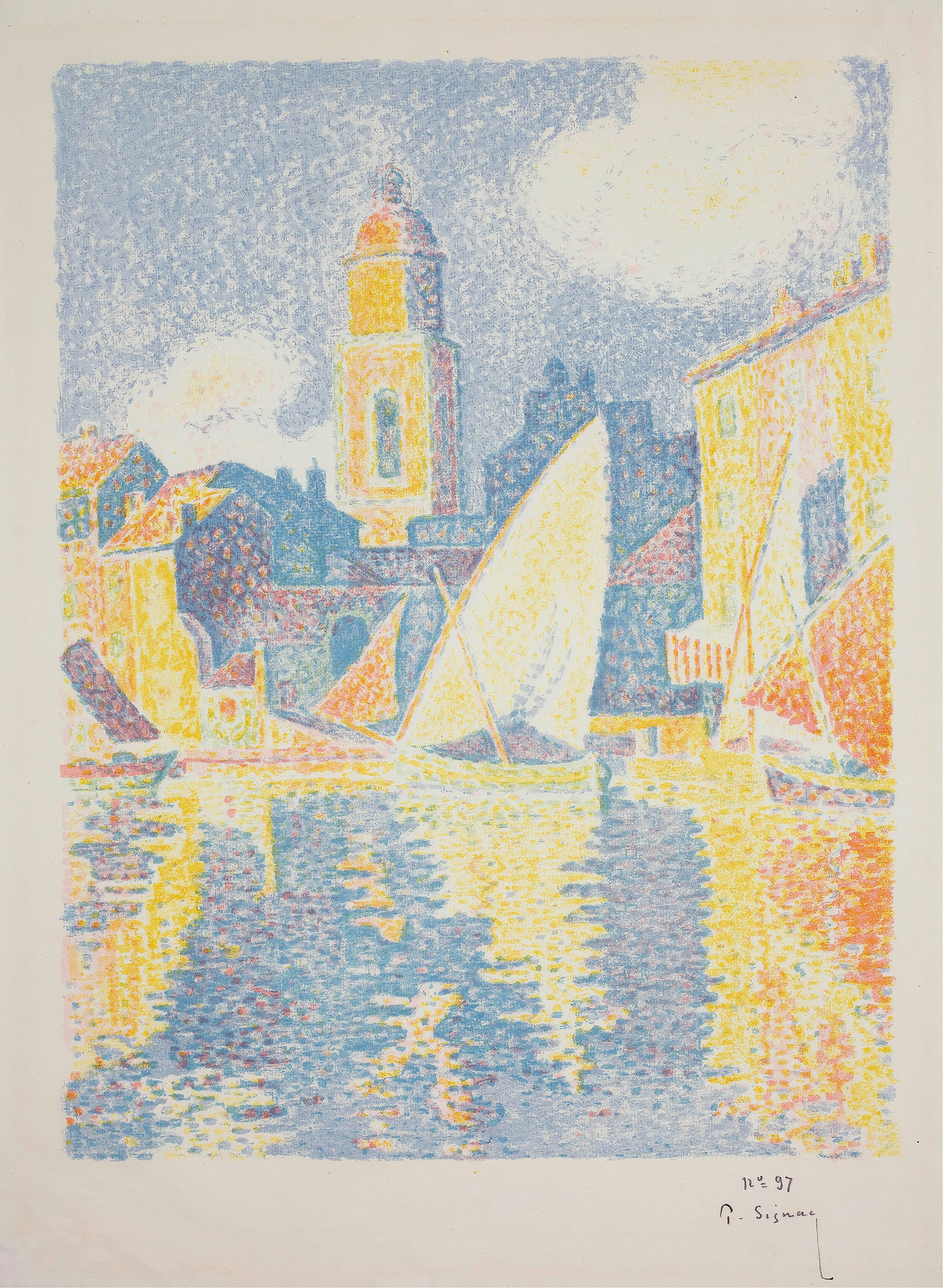
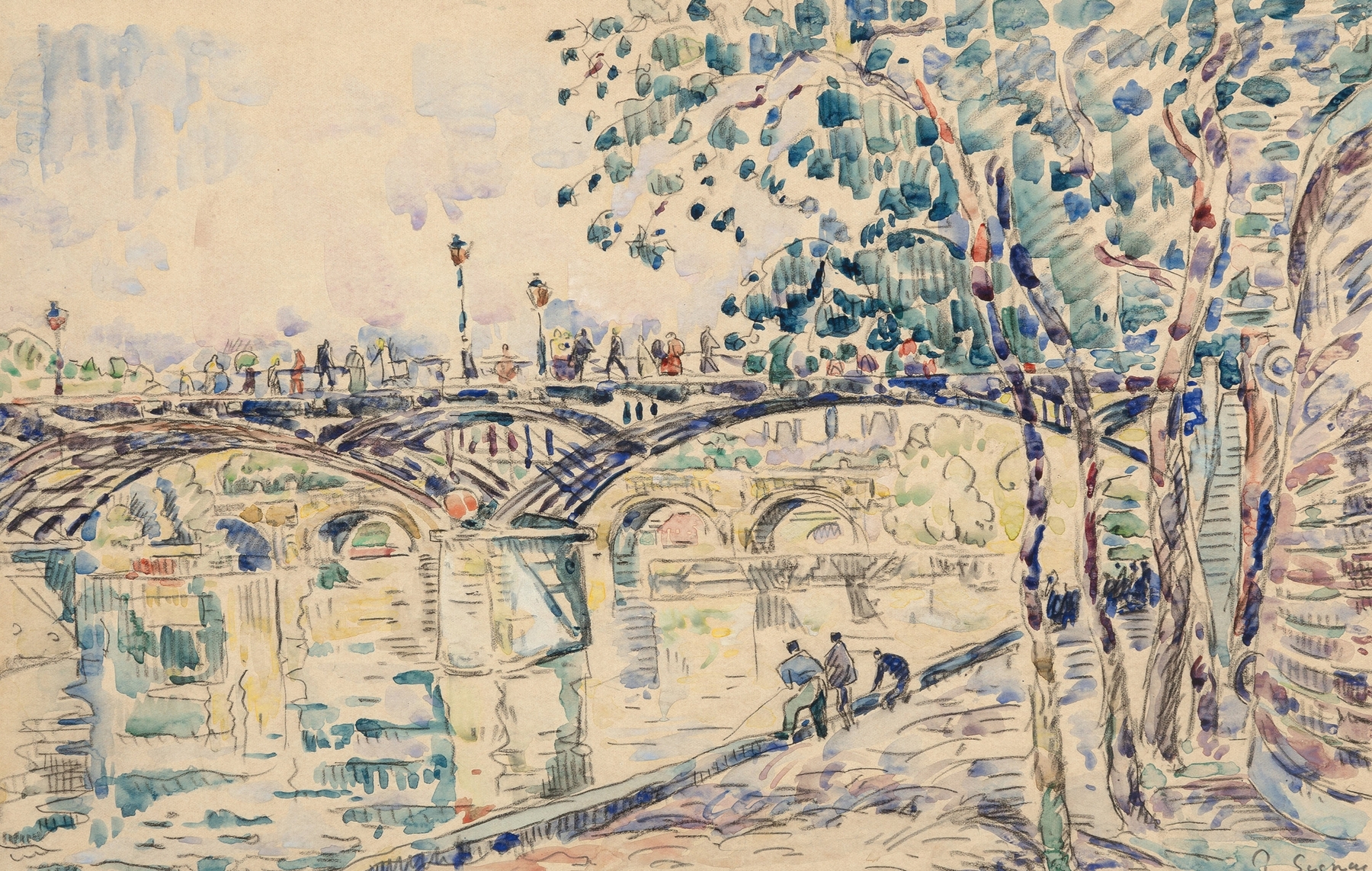
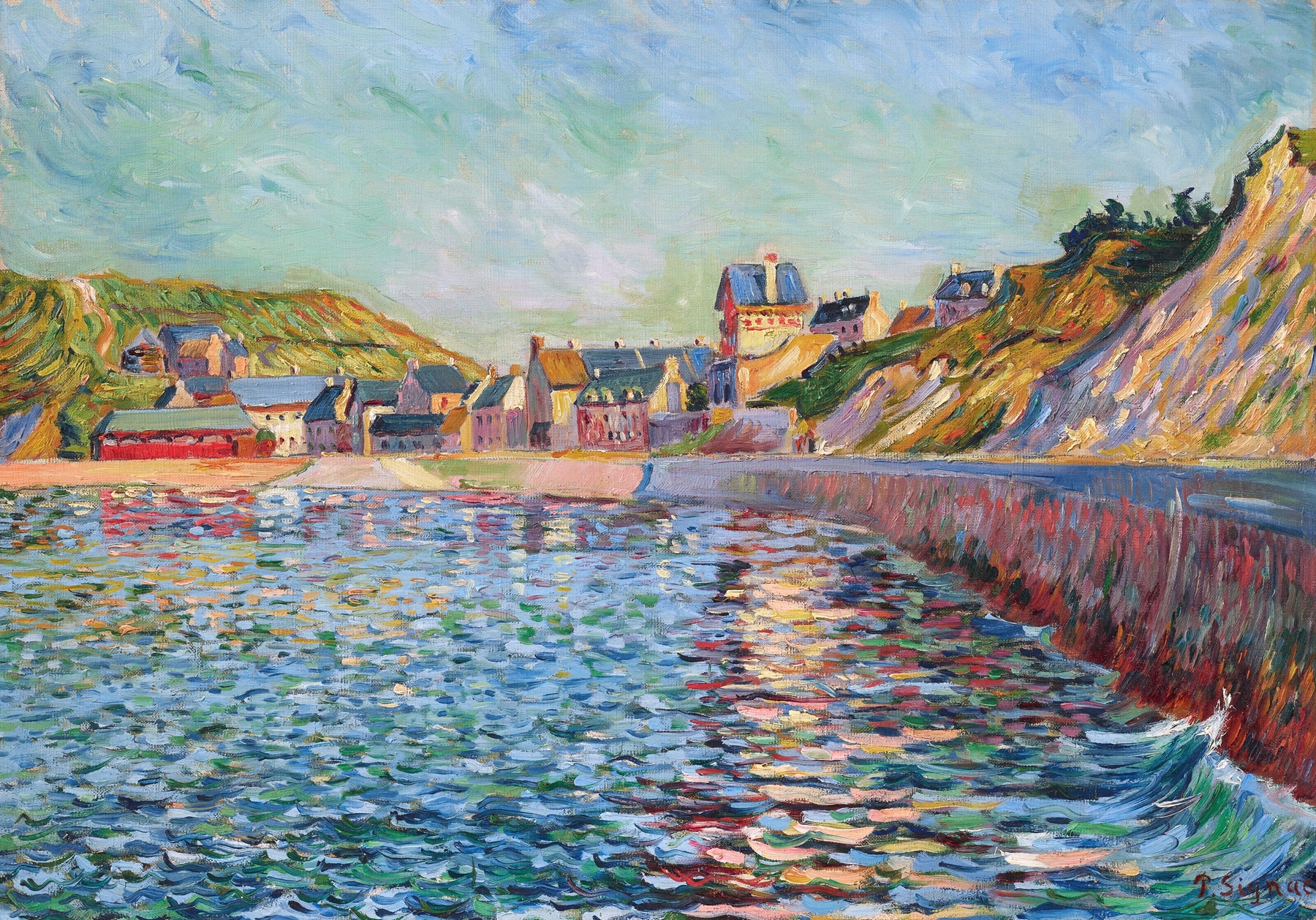
What if silence could speak through light? In the hands of an artist, the interplay of color and form can become a voice, revealing obsession in its vibrant essence. Look to the left at the radiant strokes of blue and green, where the rooftops of Saint-Paul-de-Vence are encapsulated in a shimmering embrace. Notice how the dappled sunlight breaks through the canvas, each brushstroke capturing the fleeting moments of day.
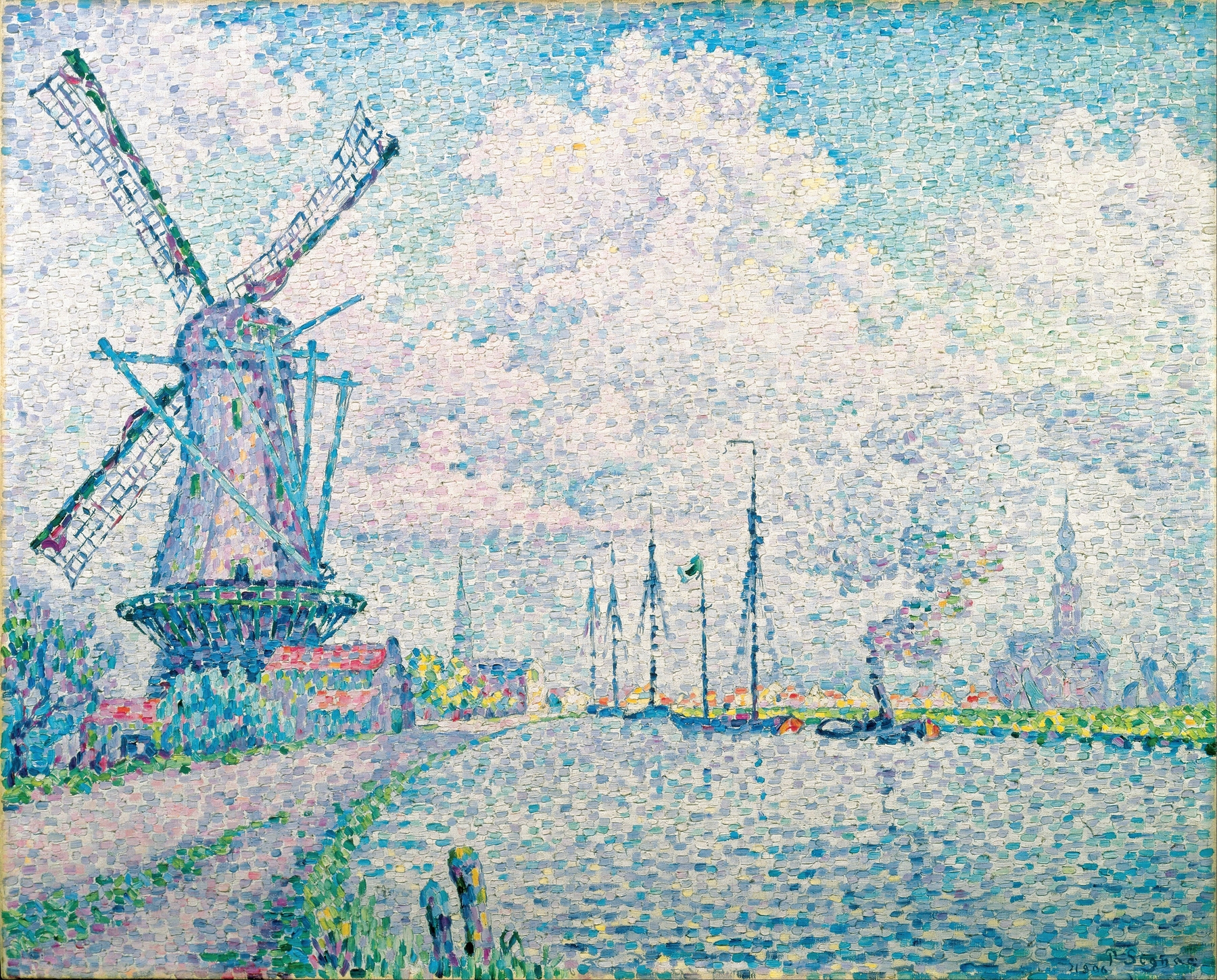
The composition is framed by trees, their leaves rendered in a riot of color, almost pulsating with life, guiding the eye across the scene and inviting an exploration of the intimate relationship between the man-made and the natural world. Delve deeper into the radiant palette, where every hue whispers of an artist's dedication to the pointillist technique. The juxtaposition of cool and warm tones creates a dance of movement and stillness, emphasizing the artist's obsession with capturing a moment in time. The vibrant energy of the village contrasts with the serene sky, hinting at the emotional turmoil beneath the surface—a longing for permanence in the transient beauty of life.
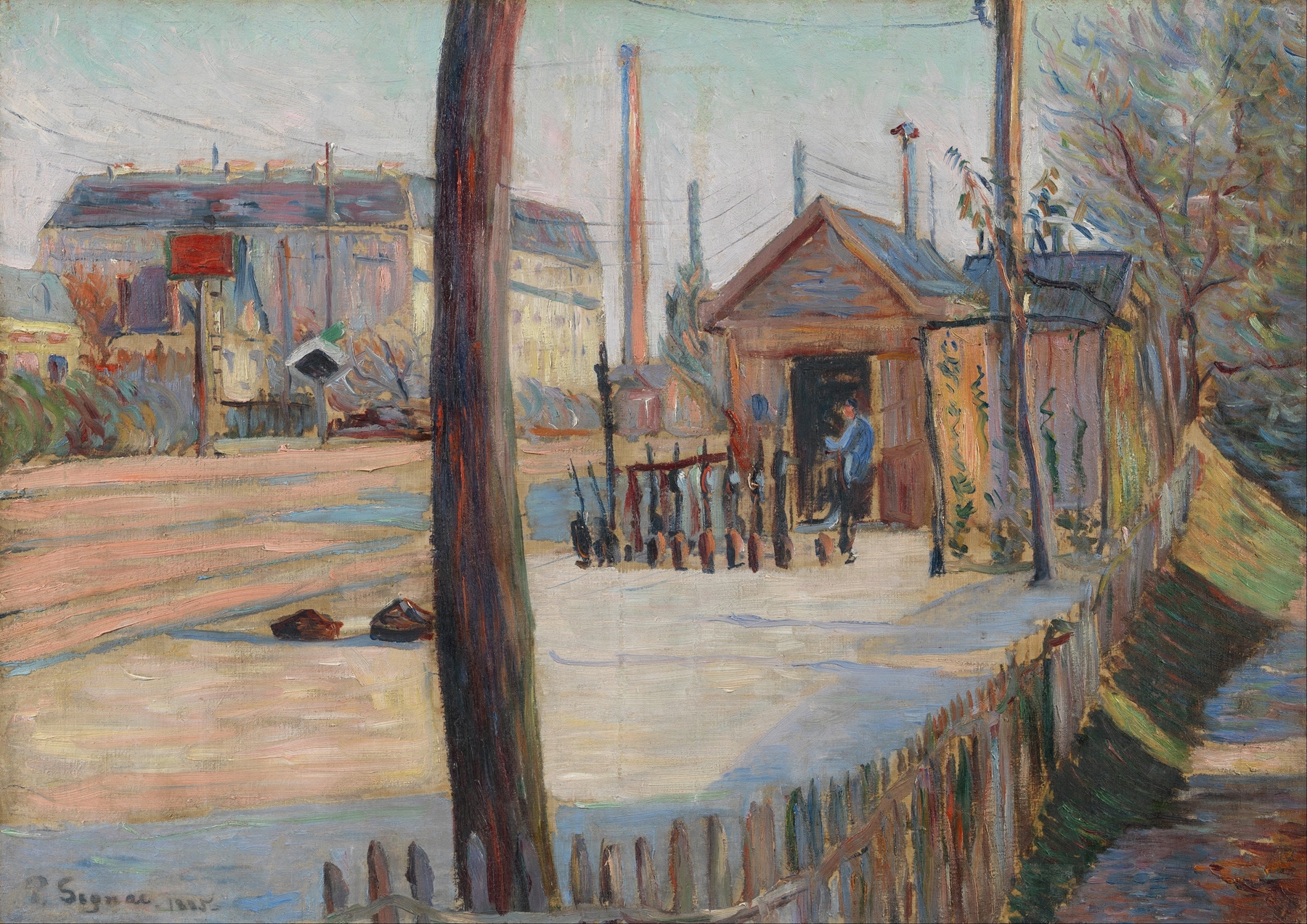
During the late 19th century, Signac was navigating the vibrant yet turbulent waters of the post-Impressionist movement, often painting in the South of France. This period was marked by his commitment to color theory and the meticulous application of paint, reflective of his search for artistic truth. The landscape of Saint-Paul-de-Vence became a significant source of inspiration, as he sought to convey not just a scene, but the very essence of a place he had grown to love.