Saint-Tropez La jetée — History & Analysis
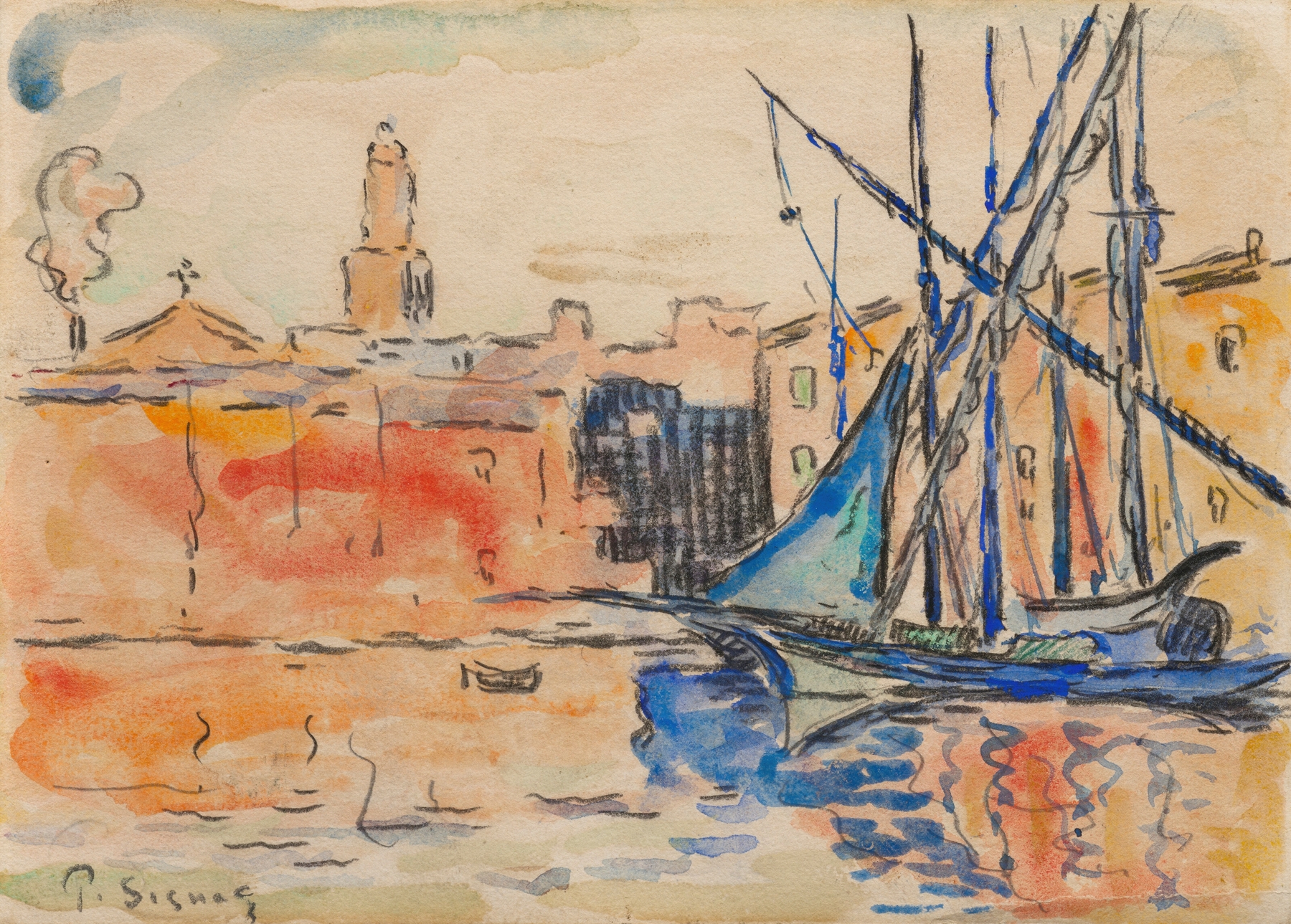
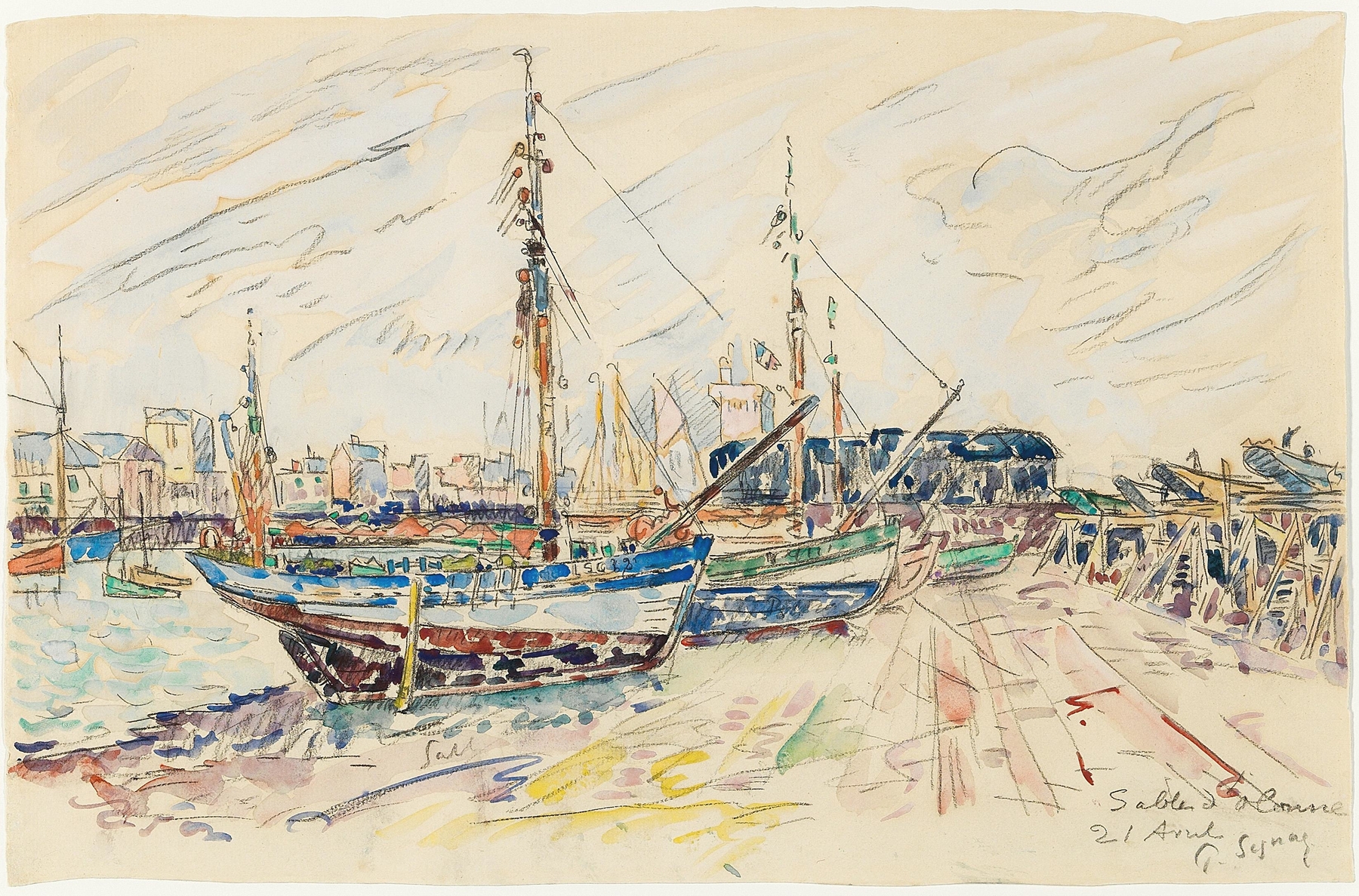
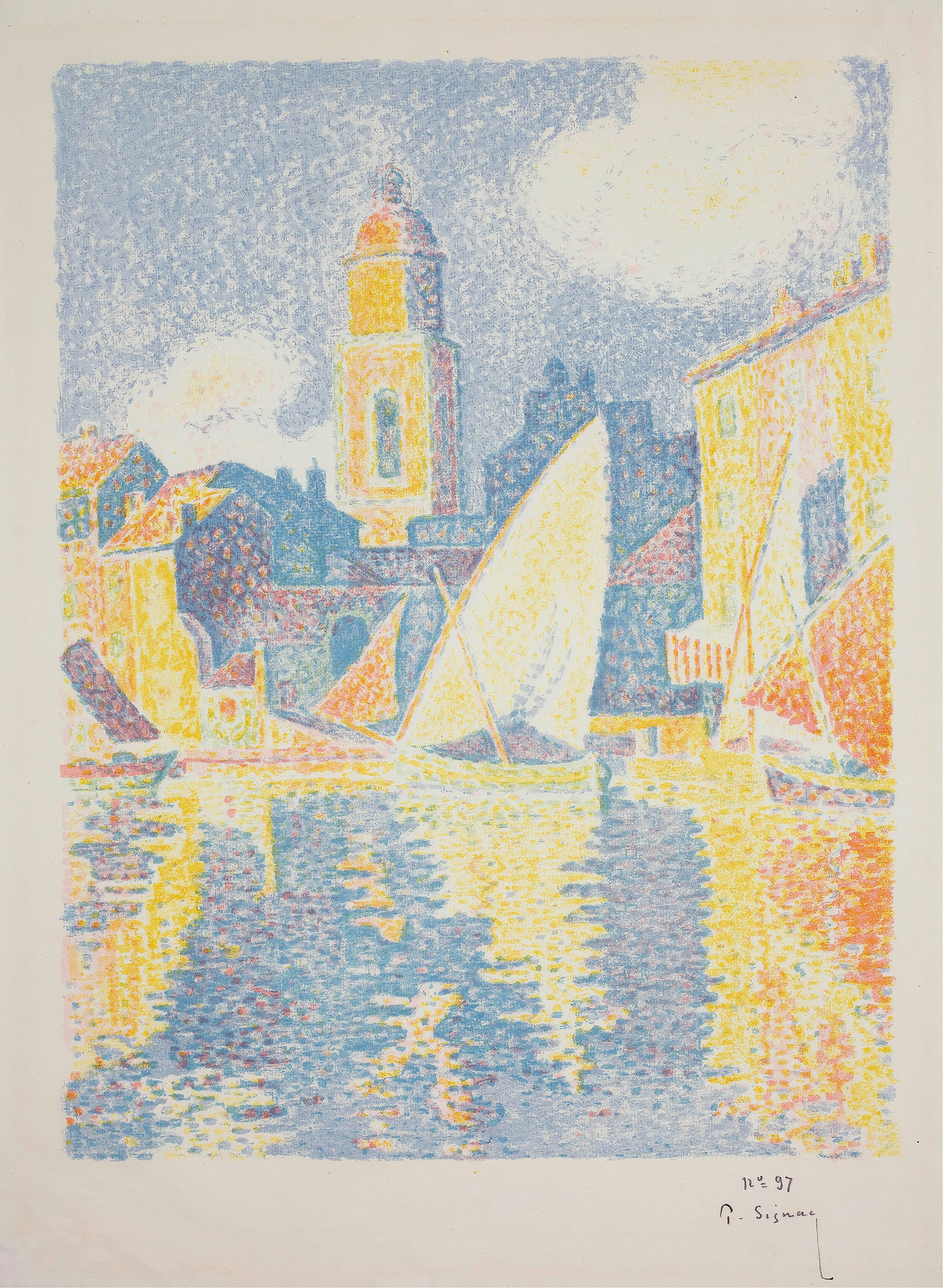
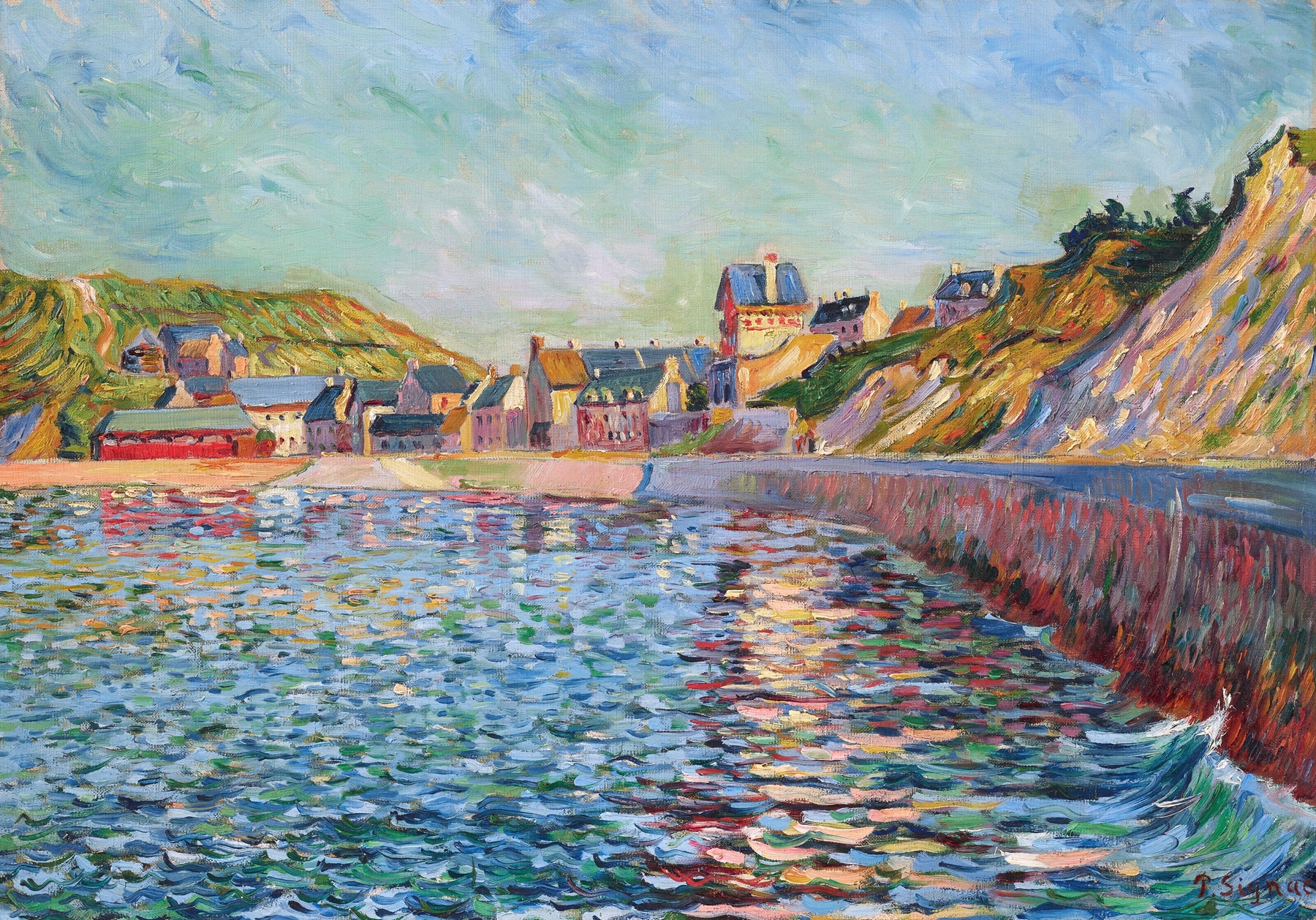
Did the painter know this moment would outlive them? A fleeting glimpse of tranquility juxtaposed against the undercurrents of violence lurking beneath the surface of life. Look to the vibrant foreground where boats, rendered with bold strokes of blues and greens, sway gently along the jetty. Notice how the sunlight spills across the canvas, illuminating the shimmering water and casting playful reflections that dance in harmony with the colors.
The rhythmic arrangement of the boats leads your eye toward the horizon, where a warm sunset merges with the sky, a palette of oranges and yellows that imbues the scene with a sense of ephemeral beauty. Yet, hidden within this idyllic tableau lies a tension, a stark contrast between the serene surface and the potential storms of human existence. The boats may appear peaceful, but their anchored plight hints at their vulnerability to unseen threats. The violent undertones of nature and humanity coexist here, suggesting a world where tranquility is always poised to be interrupted, reminding viewers of the fragility that underpins our lives.
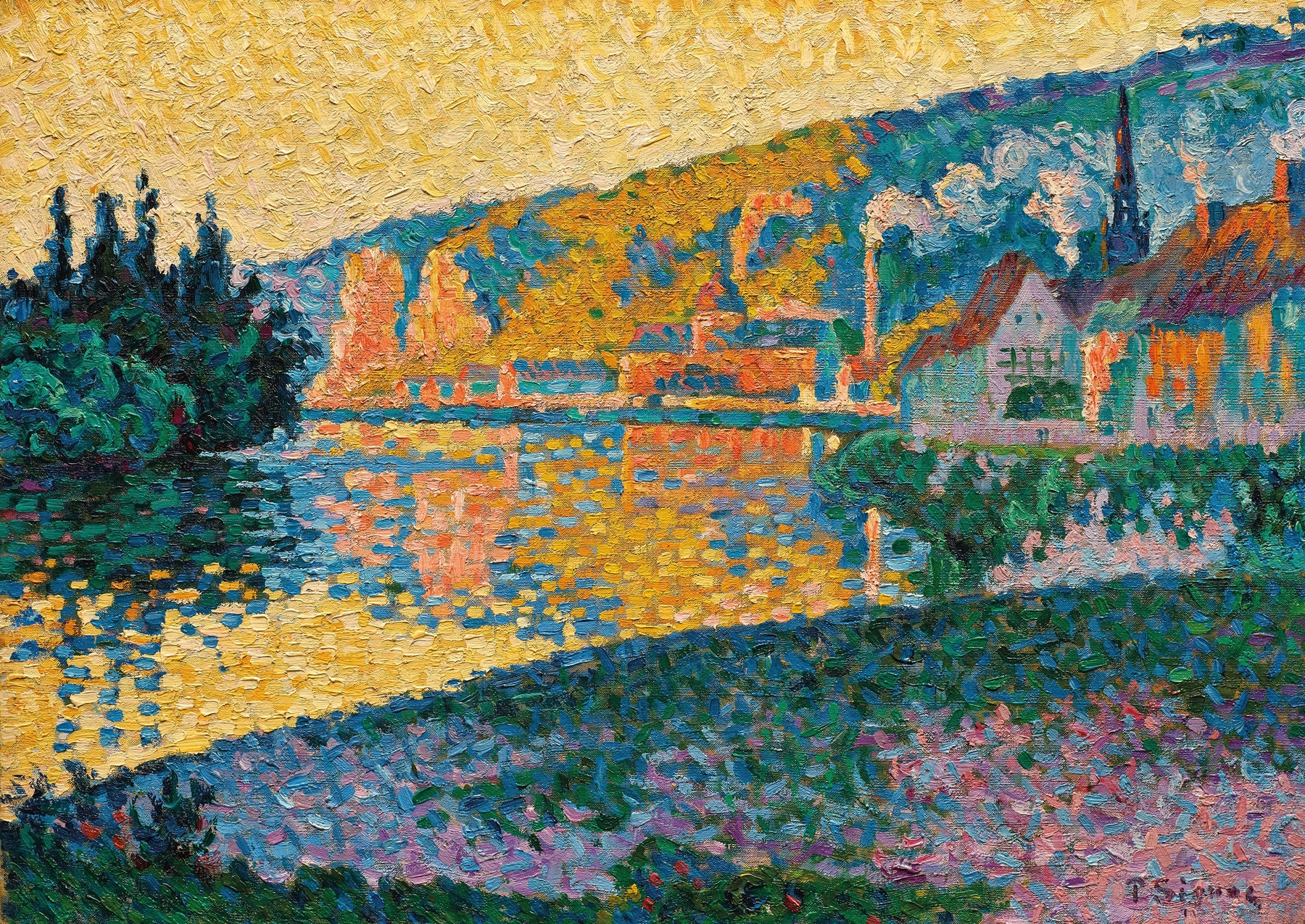
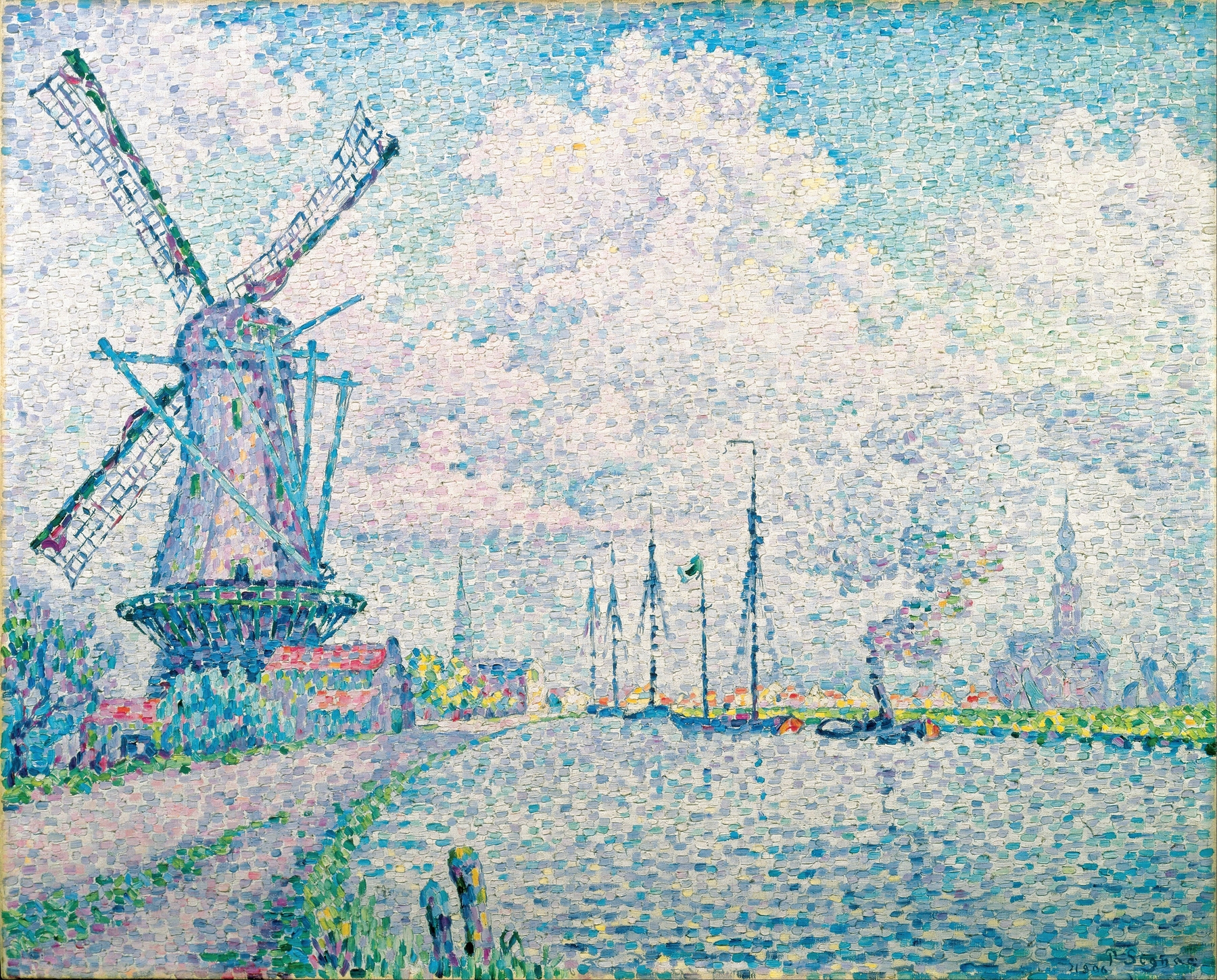
In this period of creation, Signac was deeply immersed in the development of the pointillism technique, painting this work in the height of his career around the turn of the 20th century. Living in the vibrant coastal village of Saint-Tropez, he captured the essence of the lively scenes around him. This was a time of experimentation and innovation in the art world, with the artist straddling the line between tradition and modernity, reflecting the complexity of his own emotional landscape against the backdrop of a rapidly changing society.