Saint-Tropez, Trois-mâts à quai — History & Analysis
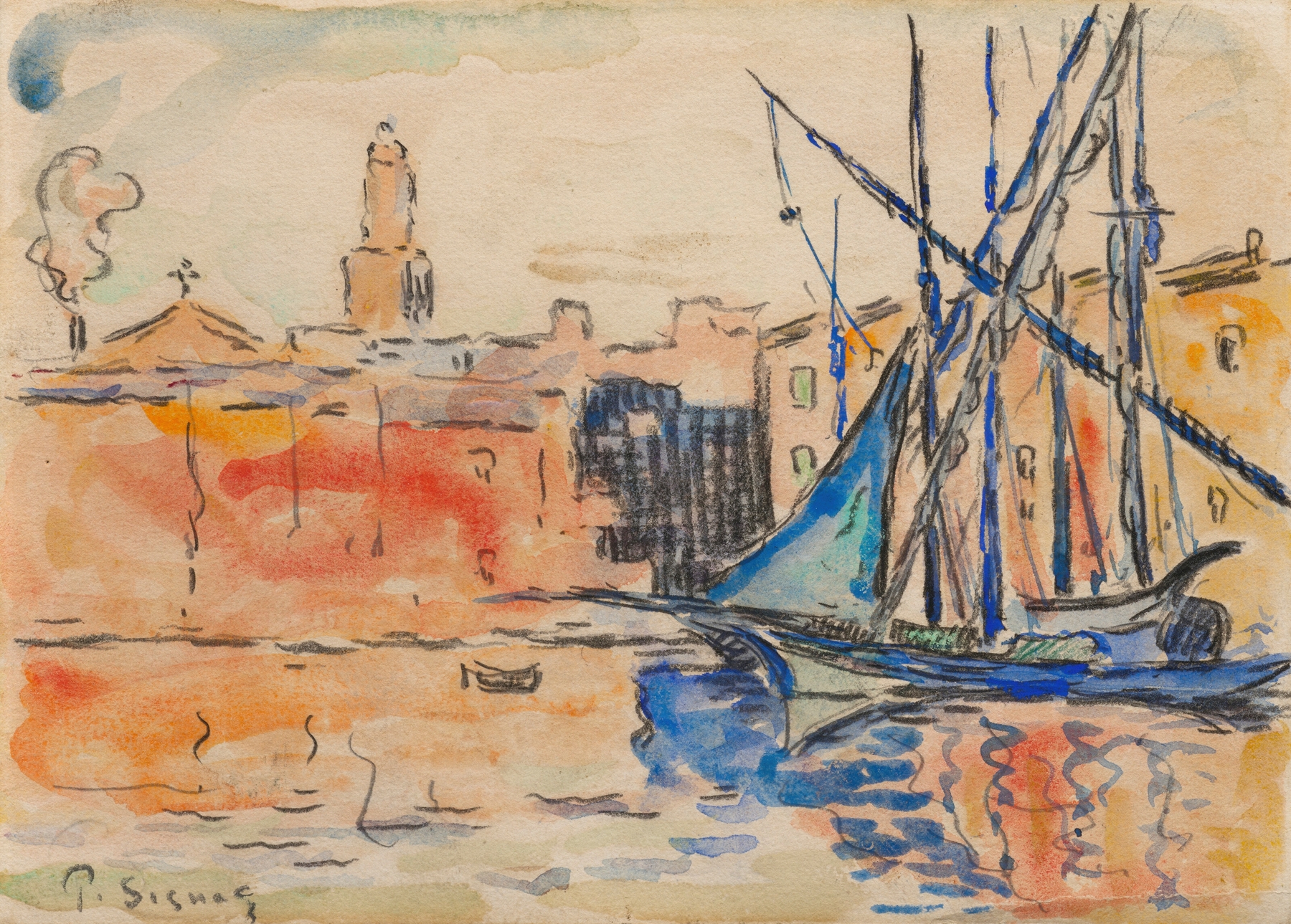
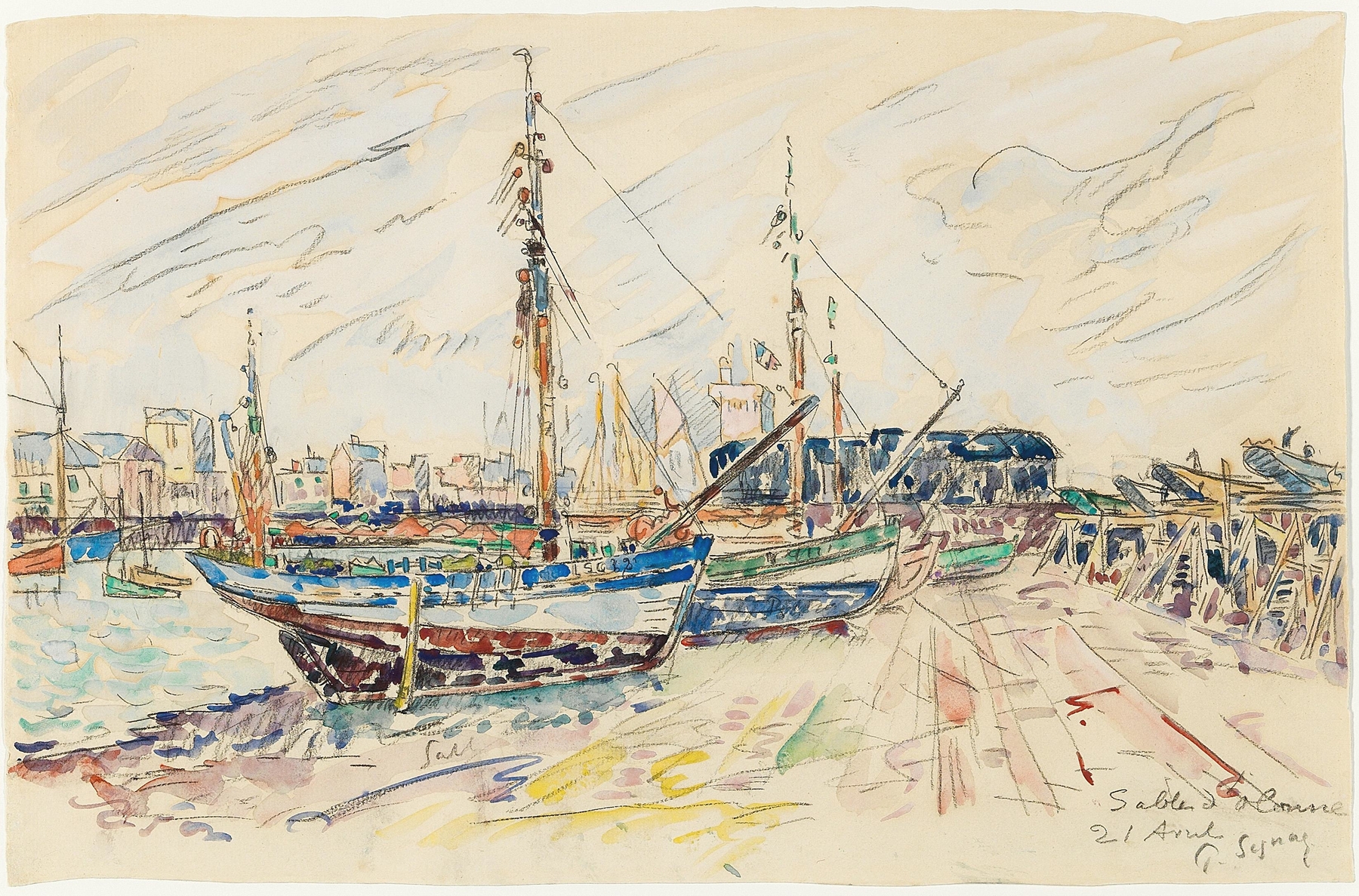
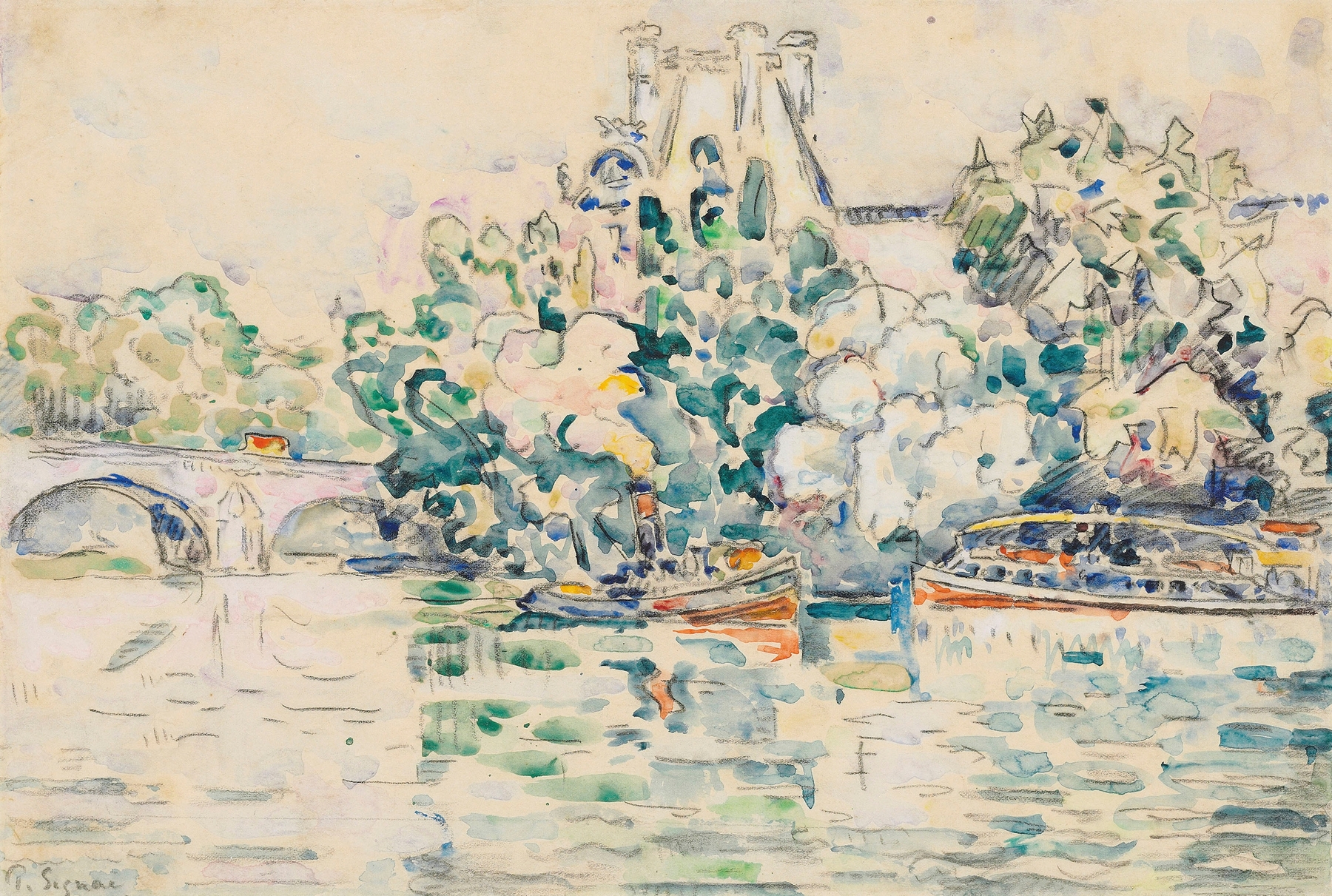
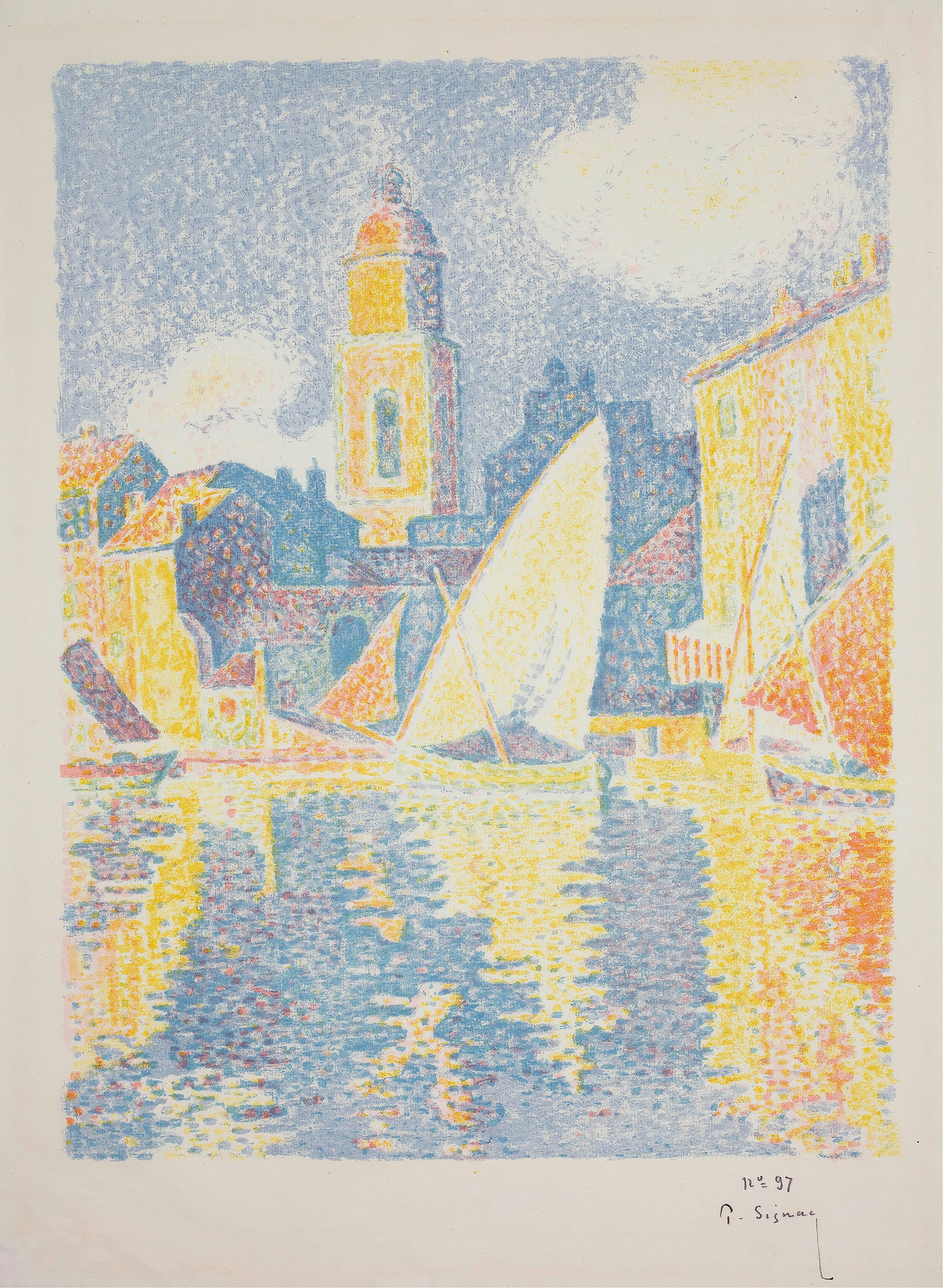
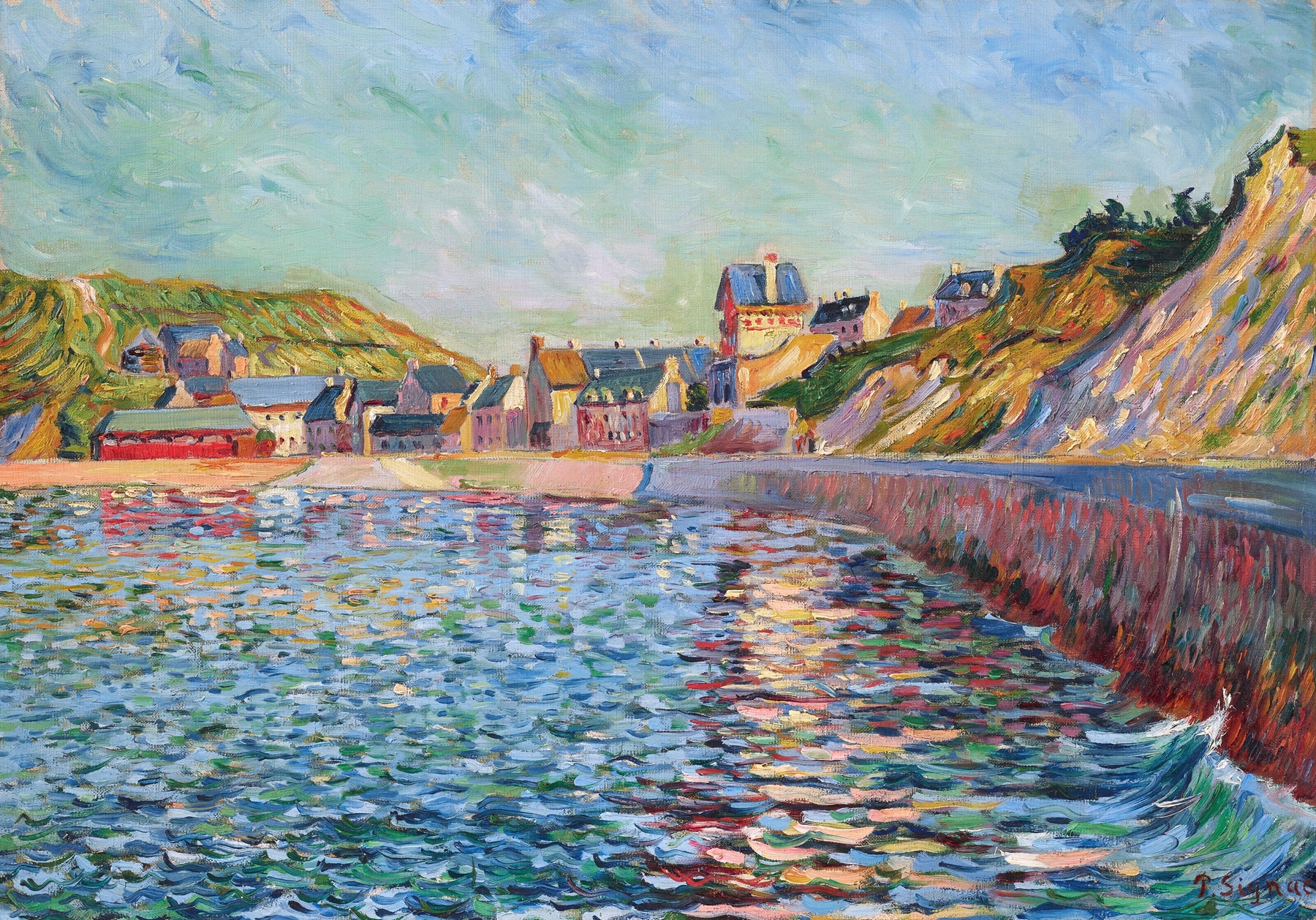
“To paint is to remember what time wants us to forget.” In an ever-shifting world, how does one capture the ephemeral beauty of a moment? Look to the lower left corner of the canvas, where three majestic sailboats rest quietly at dock, their hulls reflecting the warm, golden hues of a fading sun. The vibrant palette of blues and yellows dances across the surface, inviting the viewer to wander through the scene. Notice how the brushstrokes are both meticulous and spontaneous, creating a shimmering effect on the water that speaks to the liveliness of summer in Saint-Tropez.
The play of light and shadow reveals the intricate rigging of the ships, giving them a sense of weight and presence, as if they are gently breathing alongside the soft ripples of the sea. Beyond the immediate allure of the boats, there lies a contrast between the static nature of the vessels and the dynamic world around them. Each sailboat, vibrant and full of life, stands in stark juxtaposition to the stillness of the harbor, evoking a sense of nostalgia for journeys yet to be undertaken. The silhouettes of the distant hills seem to linger like memories half-formed, while the gentle waves remind us that time is in constant motion.
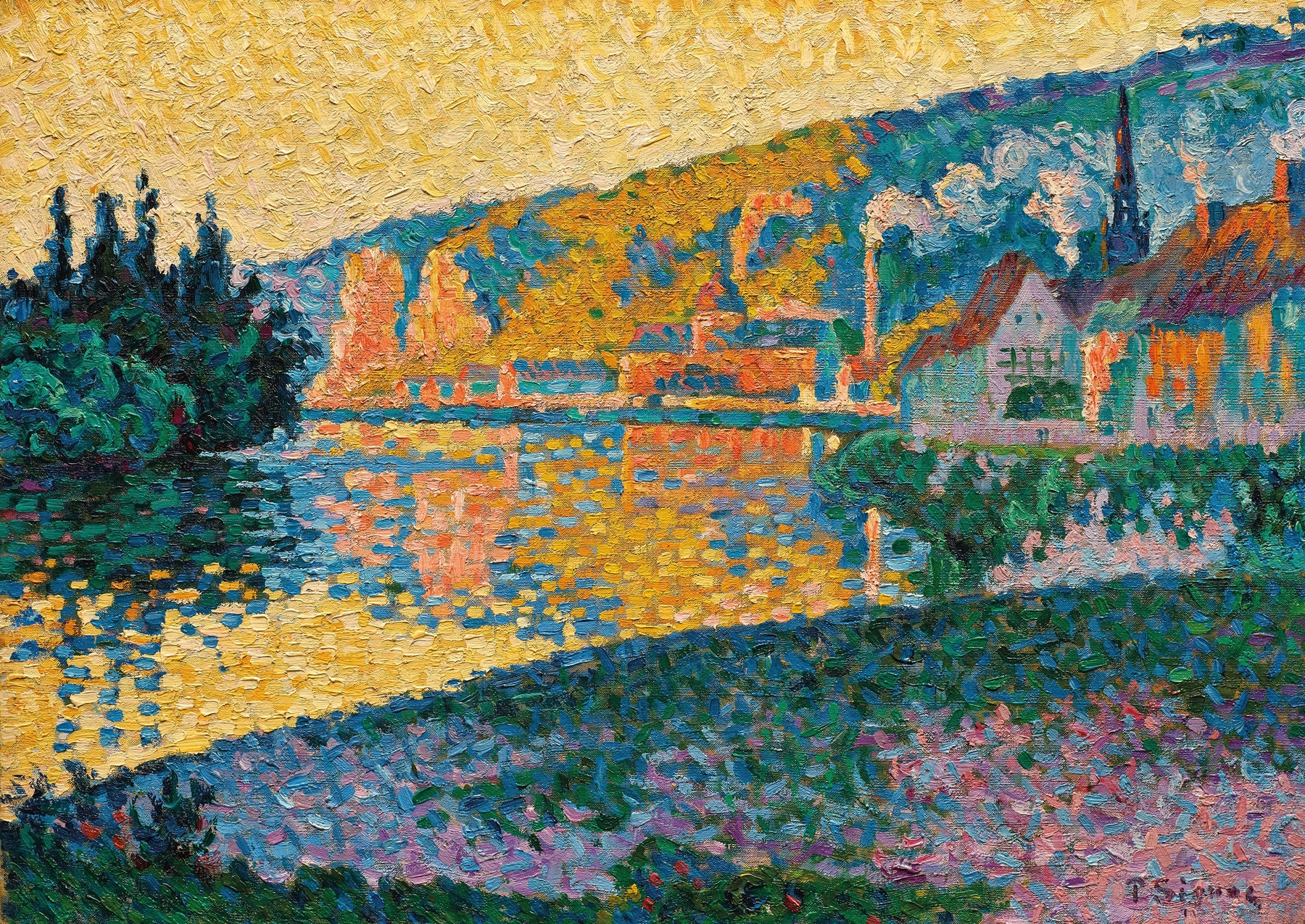
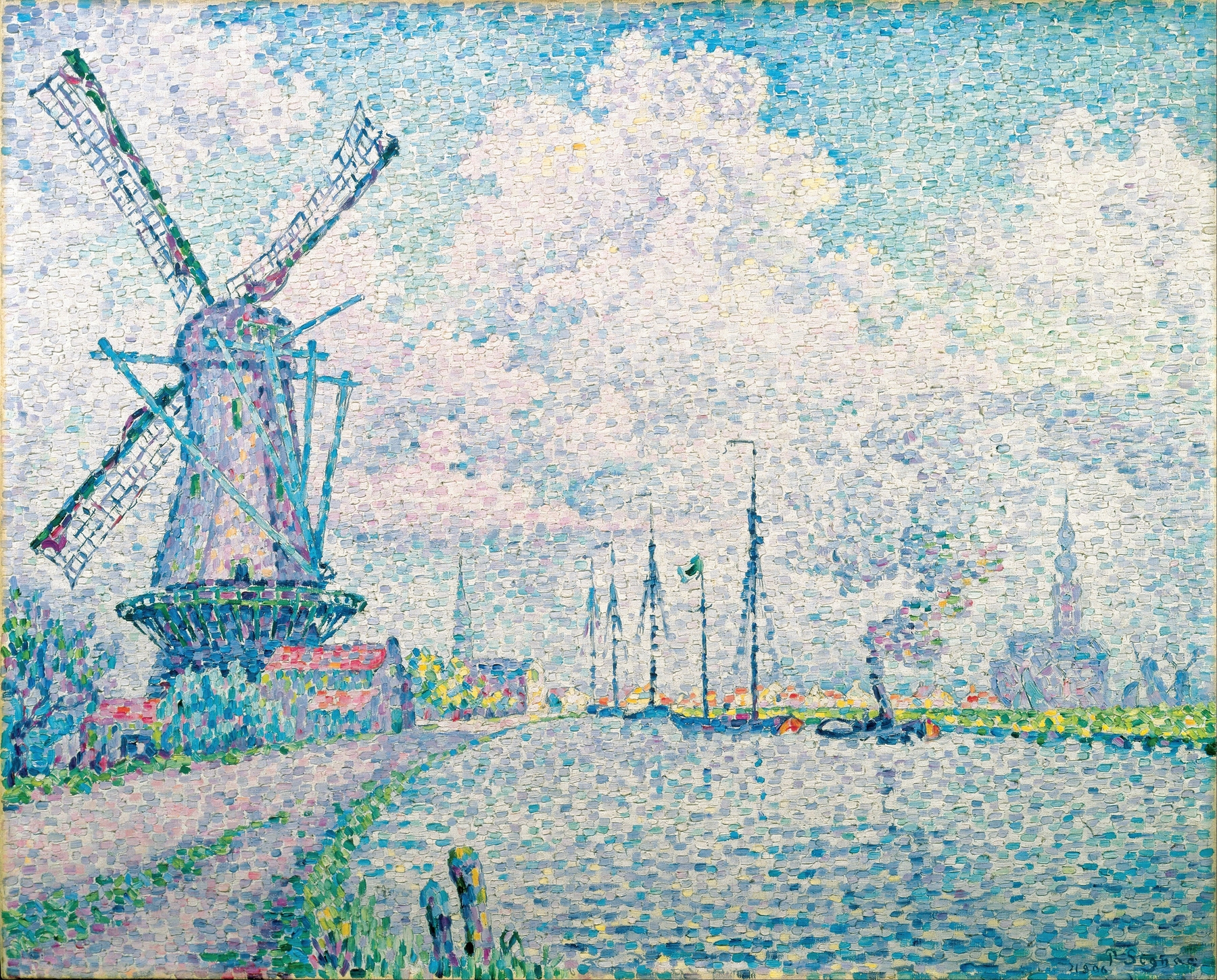
This balance of permanence and transience invites the viewer to reflect on their own relationship with time and the fleeting moments that define our lives. In 1920, the artist created this masterpiece while living in the vibrant coastal town of Saint-Tropez, a place that had become increasingly popular among artists and writers. This period marked a significant phase in his life, as he began to fully embrace the principles of Pointillism, having previously been influenced by Impressionism. The post-war atmosphere in Europe was a time of renewal and exploration, and through his colors and scenes, he sought to encapsulate the essence of leisure and the beauty of nature, lending his work an air of both celebration and remembrance.