Salisbury Cathedral From The Meadows — History & Analysis
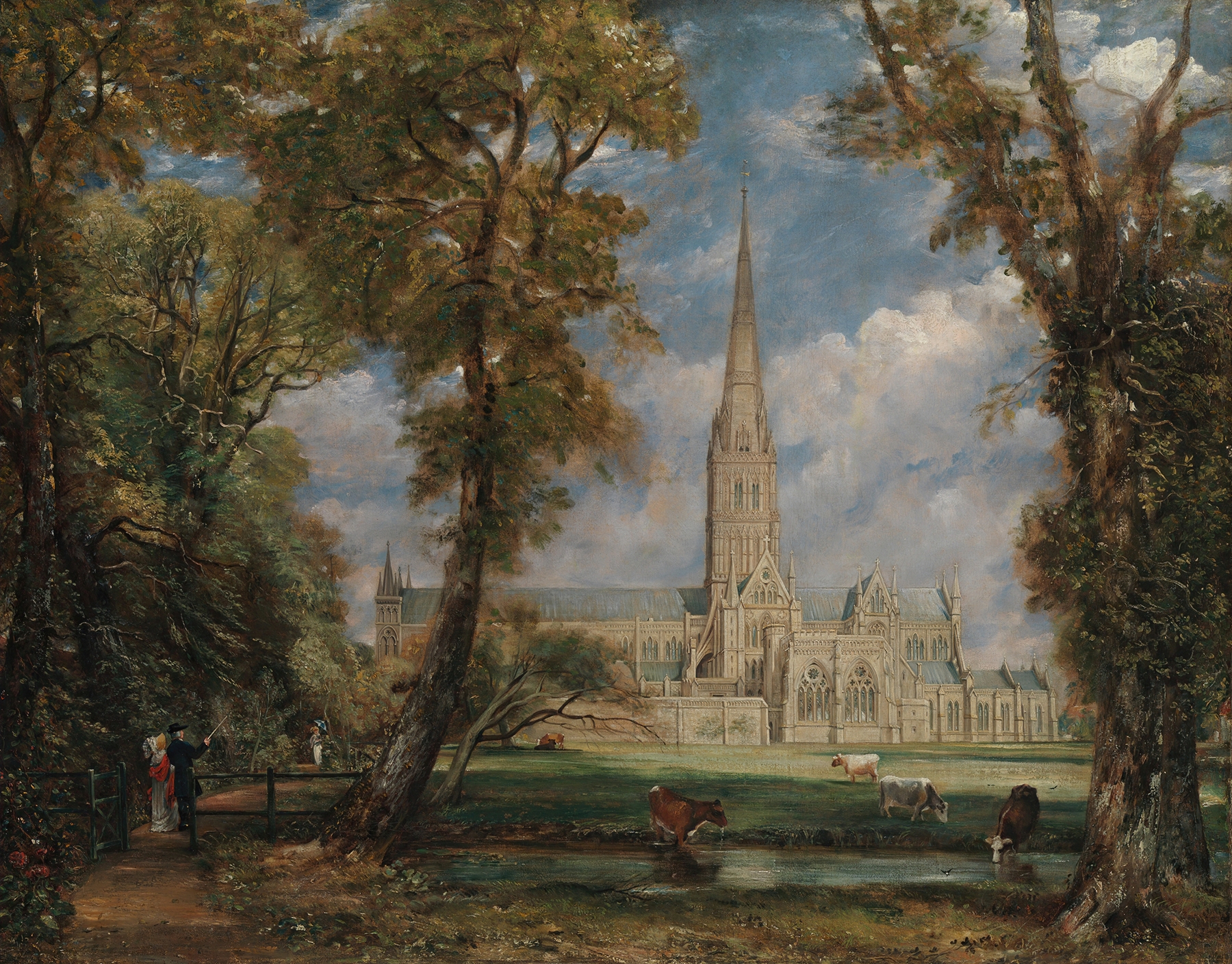
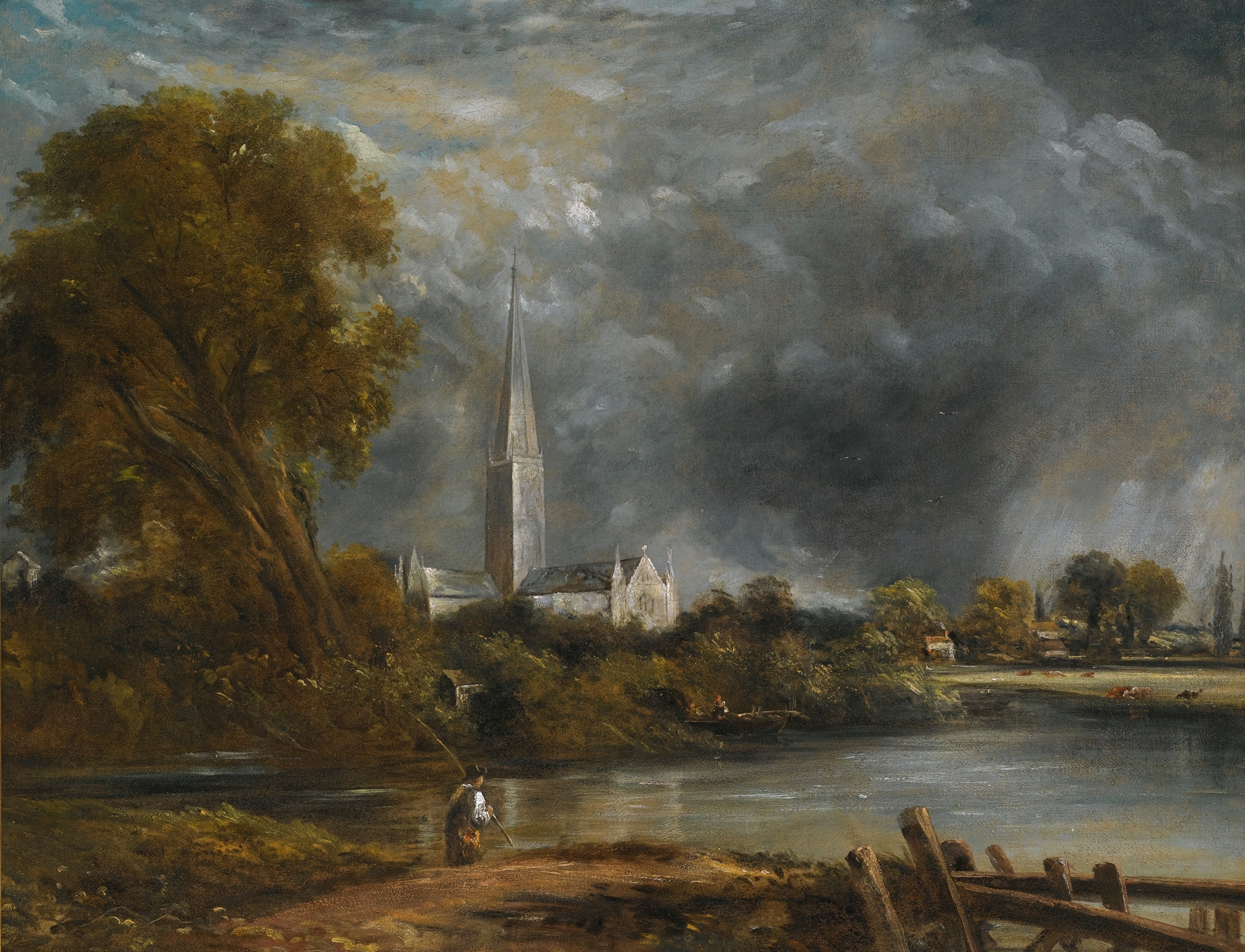
When did color learn to lie? It is a question that echoes through John Constable's Salisbury Cathedral From The Meadows, where the hues of nature intertwine with an underlying melancholy that pulls at the heart. The painting embodies a moment suspended in time, where the serene beauty of the landscape reveals more than what meets the eye. Look to the center, where the majestic spire of the cathedral rises against the sky, its intricate details softened by wispy clouds. Notice how the light dances across the meadows in the foreground, casting delicate shadows that playfully contrast with the lush greens surrounding the building.
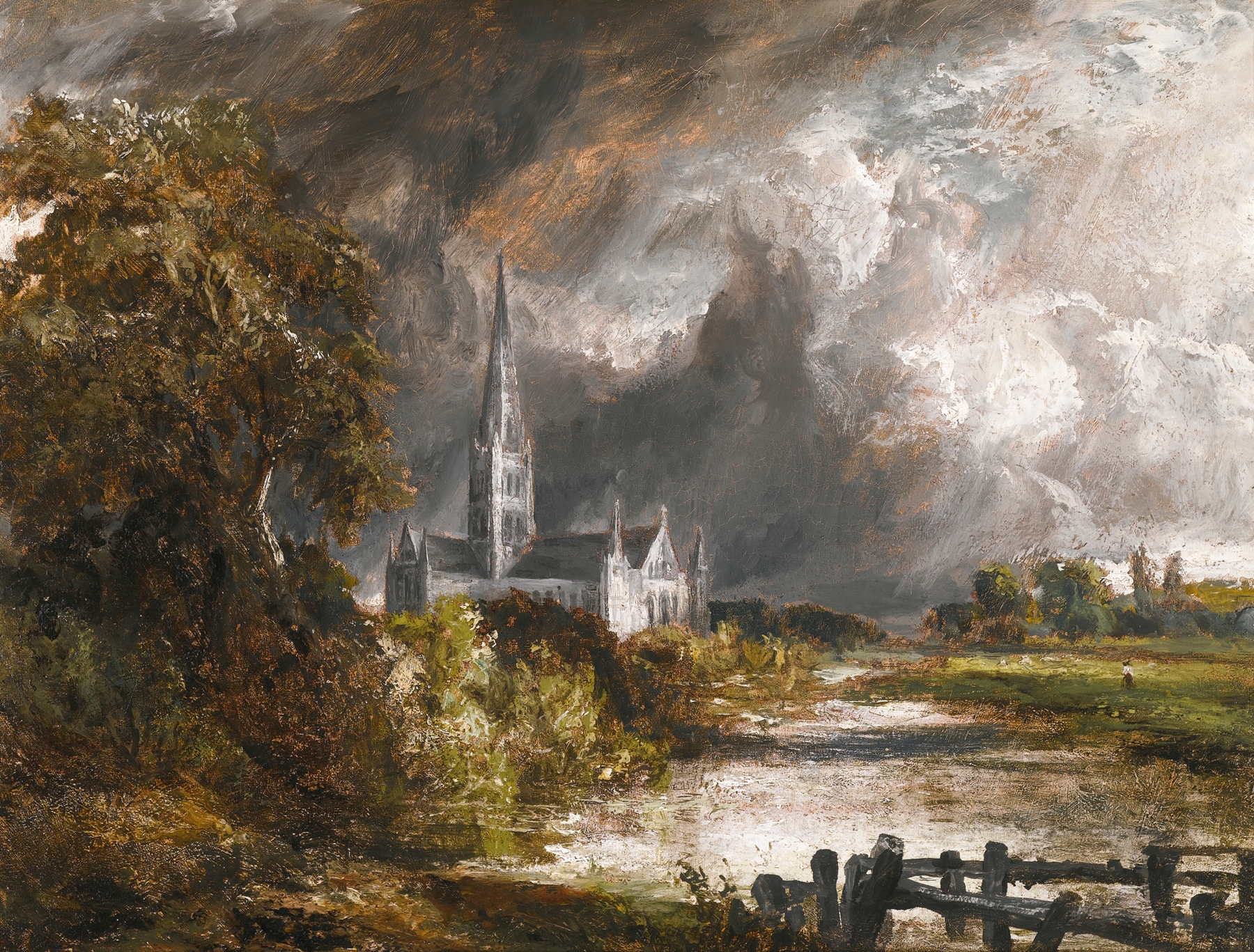
The vibrant palette of blues and yellows evokes a sense of both serenity and nostalgia, inviting the viewer to linger on the rich texture of the brushstrokes and the gentle ripples of light that breathe life into the scene. Yet beneath this pastoral tranquility lies a tension—a longing that permeates the landscape. The cathedral, a symbol of faith and permanence, stands in stark contrast to the fleeting nature of the meadows. The viewer may sense a historical weight behind the scene; it serves as a reminder of the transient beauty of life itself, while the darkening clouds hint at the inevitable approach of change.
Each element contributes to a poignant narrative, suggesting that even in the most beautiful moments, there is an undercurrent of sorrow. During the early 19th century, Constable painted this piece in England, a time of great change both socially and artistically. The Industrial Revolution was beginning to reshape the British landscape, and the artist sought to capture the essence of the natural world before it was irrevocably altered. Filled with personal and cultural significance, his works became a reflection of his own struggles and aspirations, embodying a yearning for authenticity in a rapidly changing world.