Flatford Mill — History & Analysis
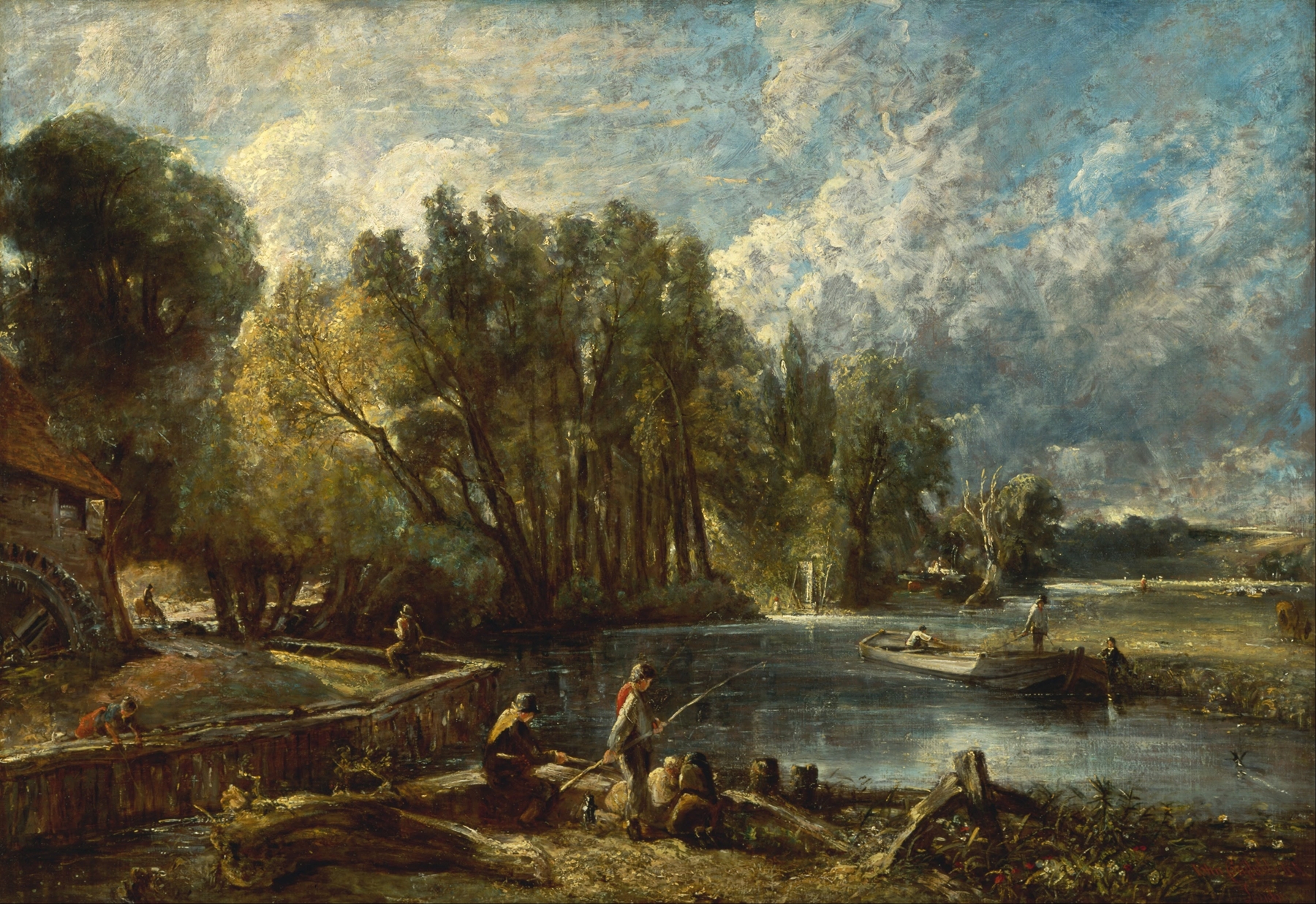
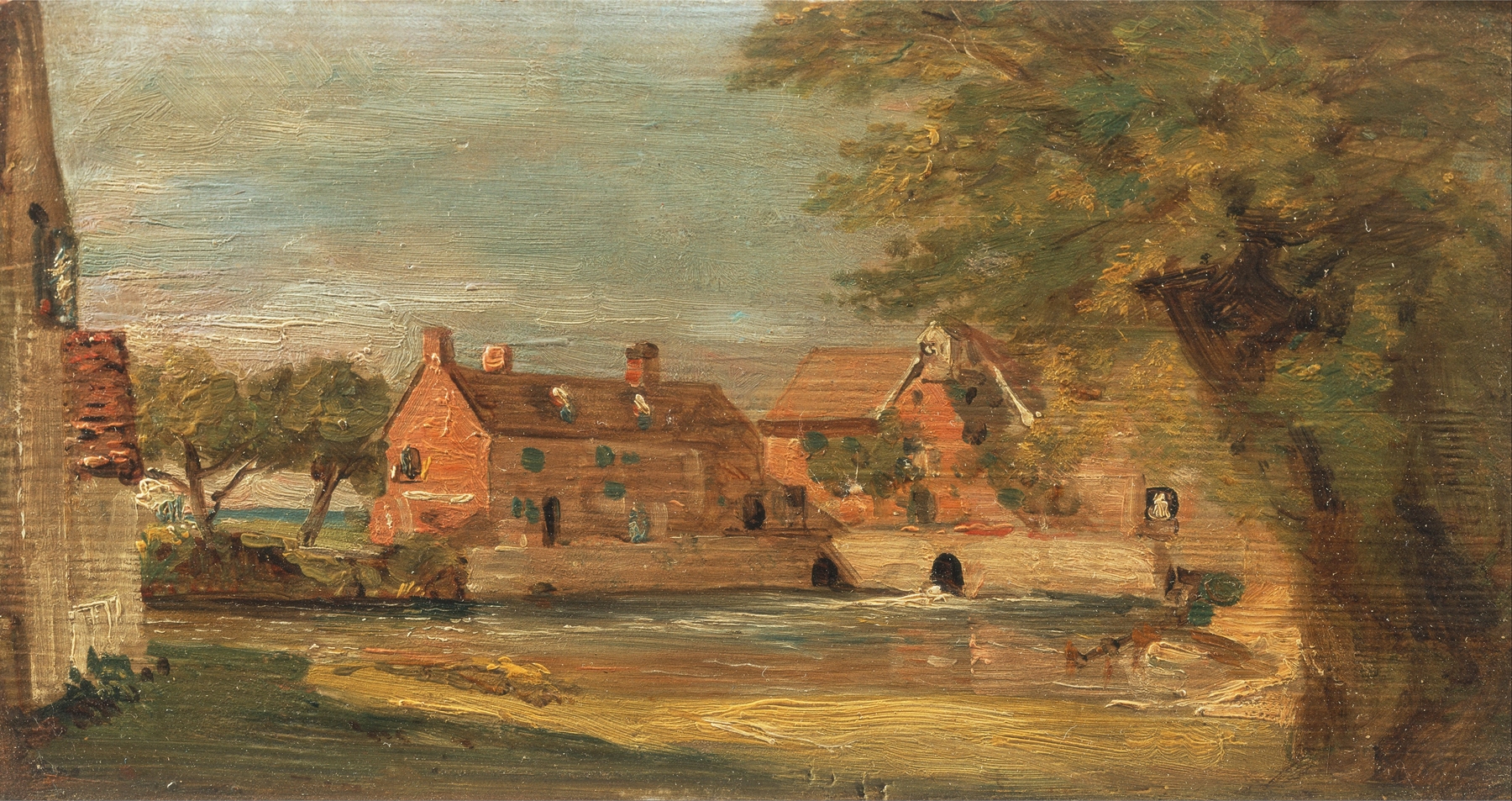
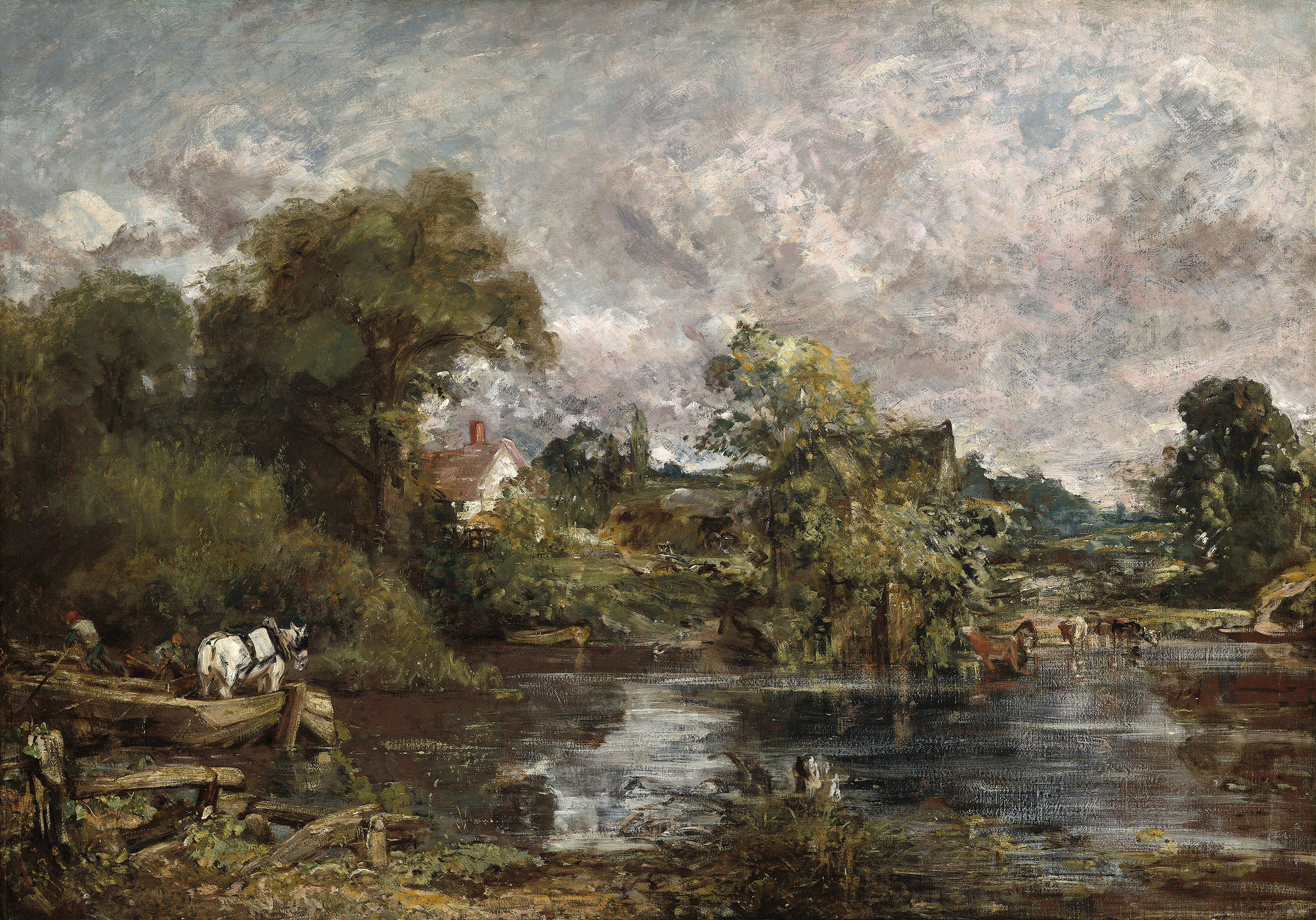
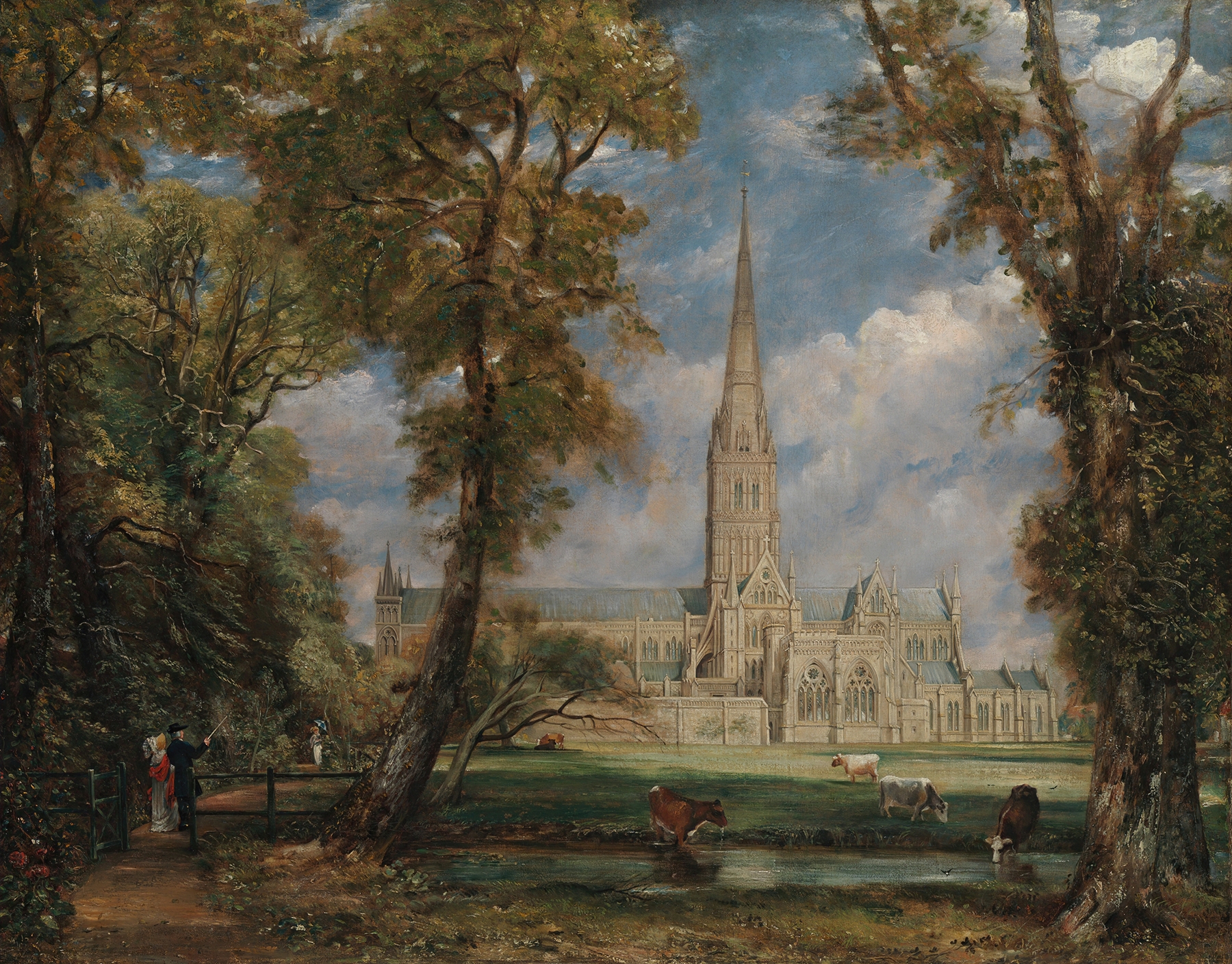
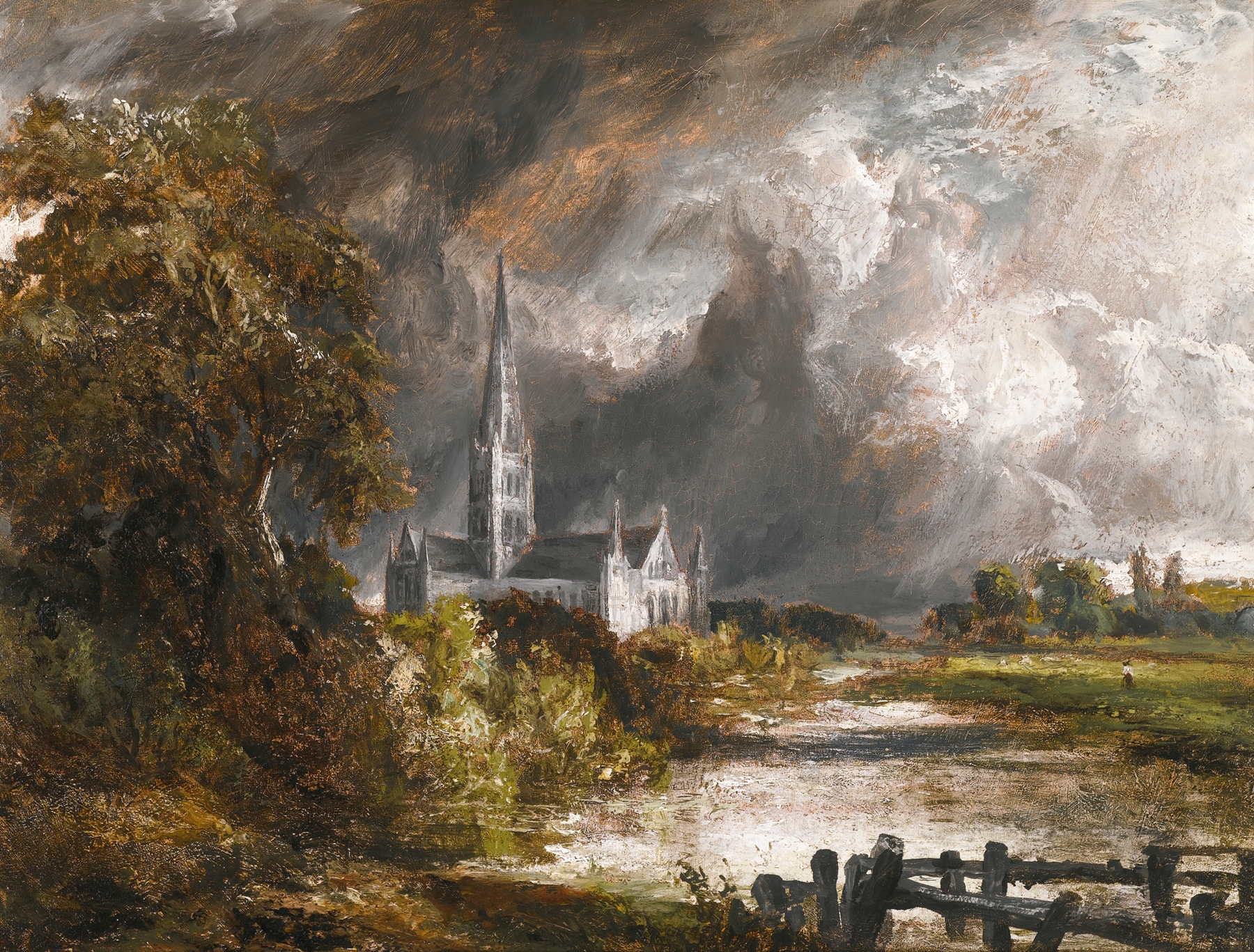
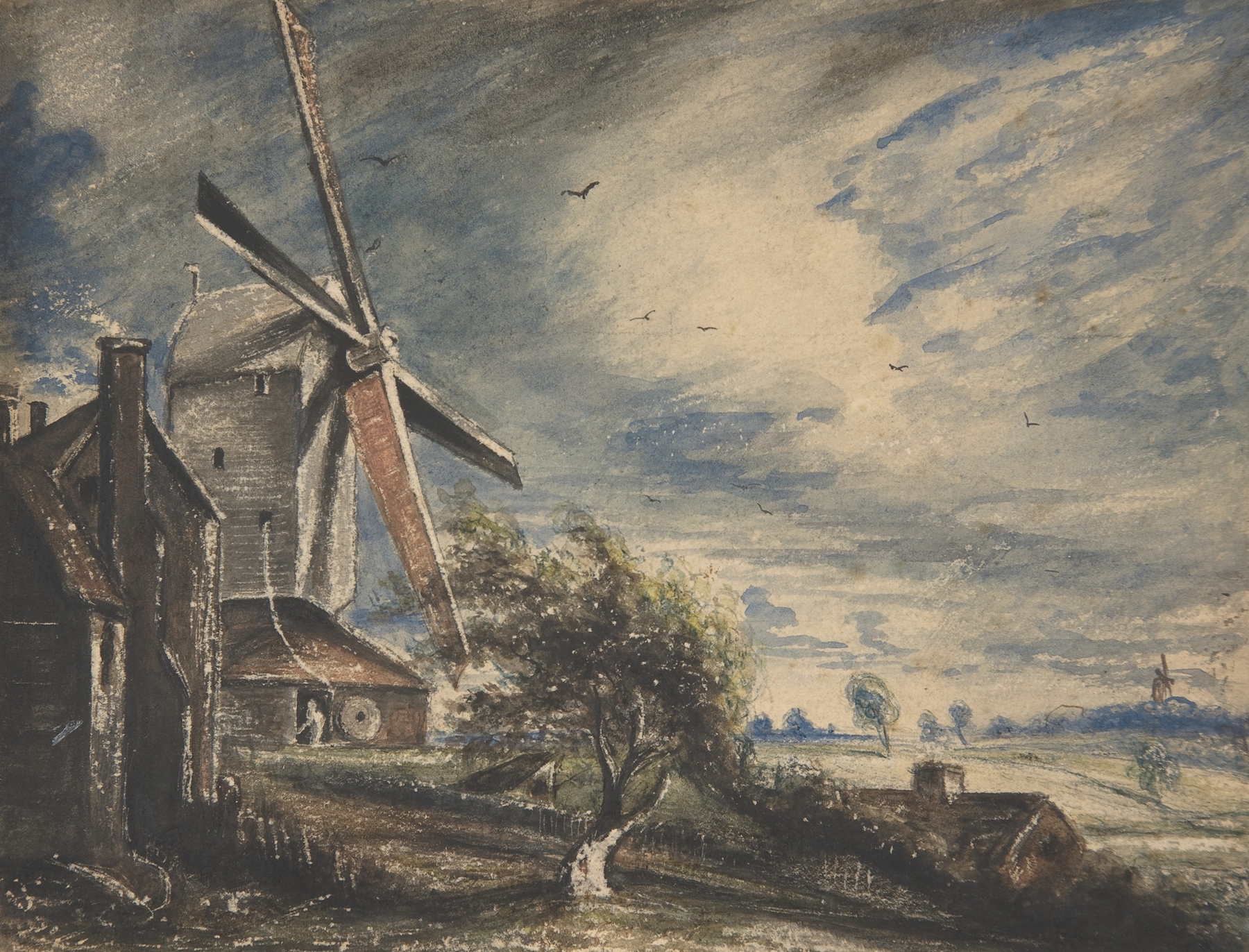
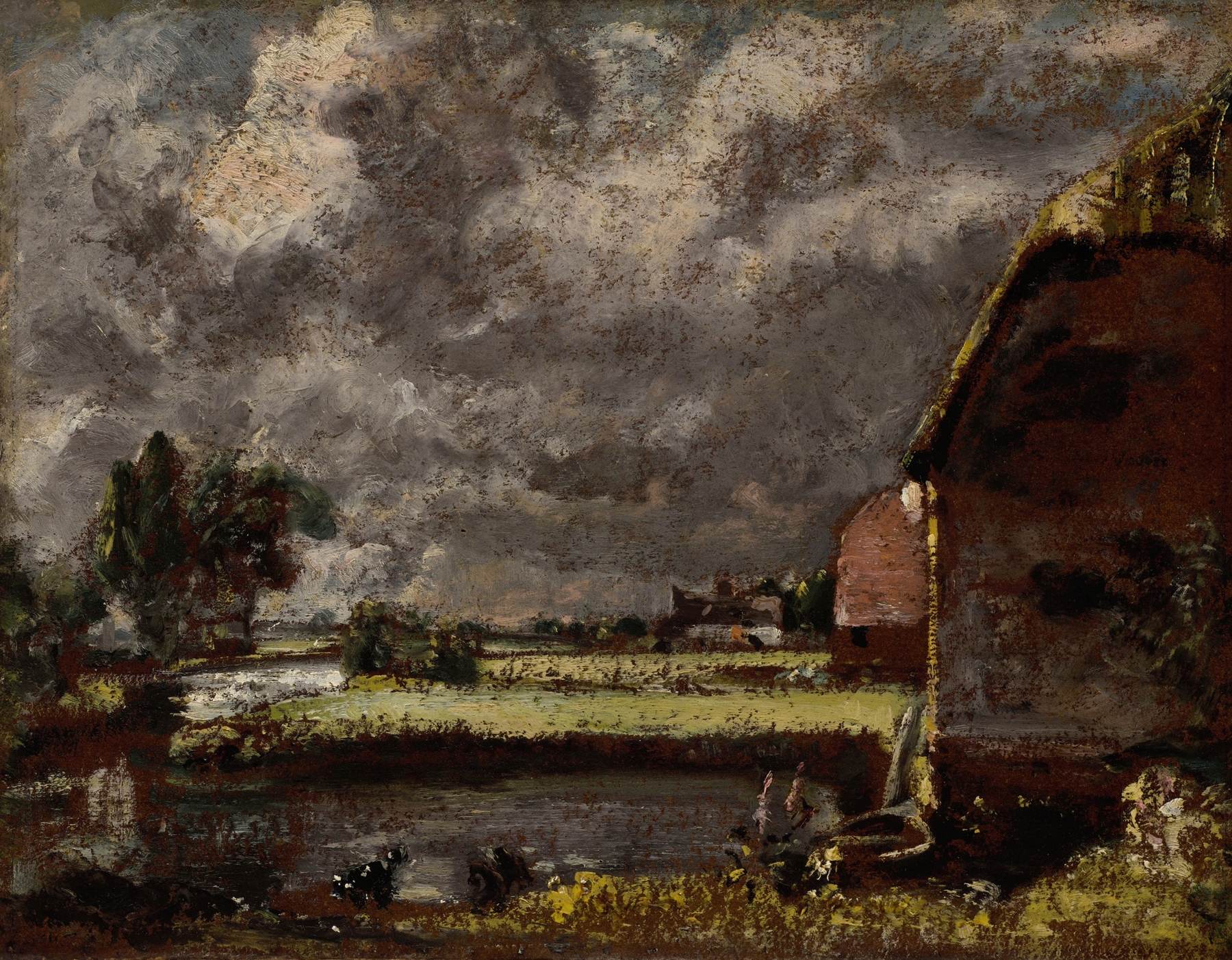
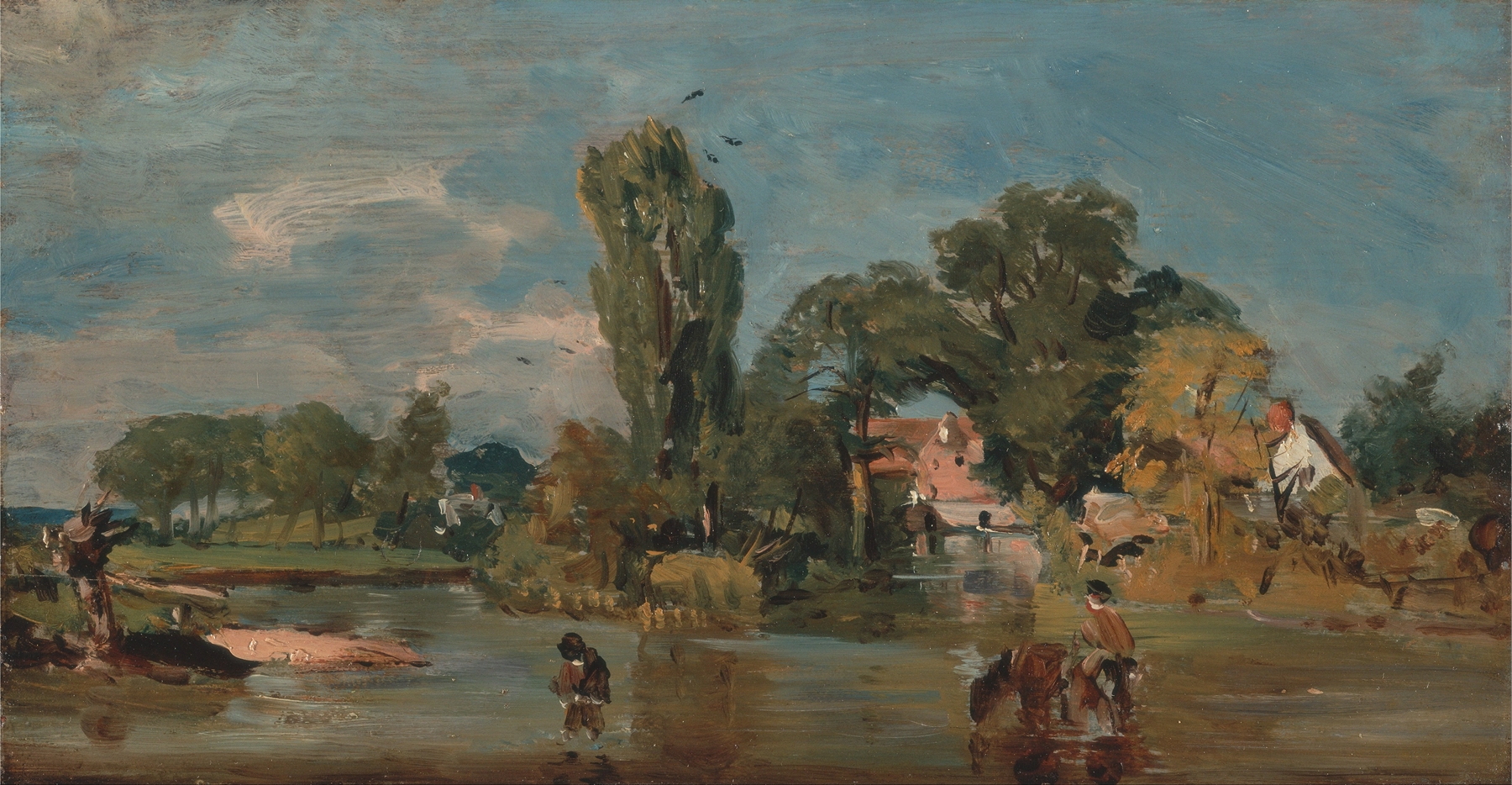
“Under the brush, chaos becomes grace.” How does one capture the serenity of nature while juxtaposing it with the tumult of human existence? This painting invites us to ponder our place within the delicate balance of the world. Look to the foreground, where the tranquil waters of the river mirror the lush greenery above. Notice how the dappled sunlight dances across the water’s surface, creating a shimmering reflection that draws the viewer in. The composition is anchored by the idyllic cottage and the swaying trees, their forms gracefully bending toward the water, as if whispering secrets of the landscape.
The soft palette of greens and earthy browns evokes a sense of harmony, conveying a moment frozen in time—a fleeting glance of nature’s beauty. Yet beneath this tranquility lies an emotional undertow. The quiet presence of the figures tending to their tasks hints at the ever-present cycle of labor and rest, a reminder of humanity’s intimacy with the natural world. The gentle curve of the river suggests movement, inviting contemplation on the passage of time—how the scenery remains, yet life flows on.
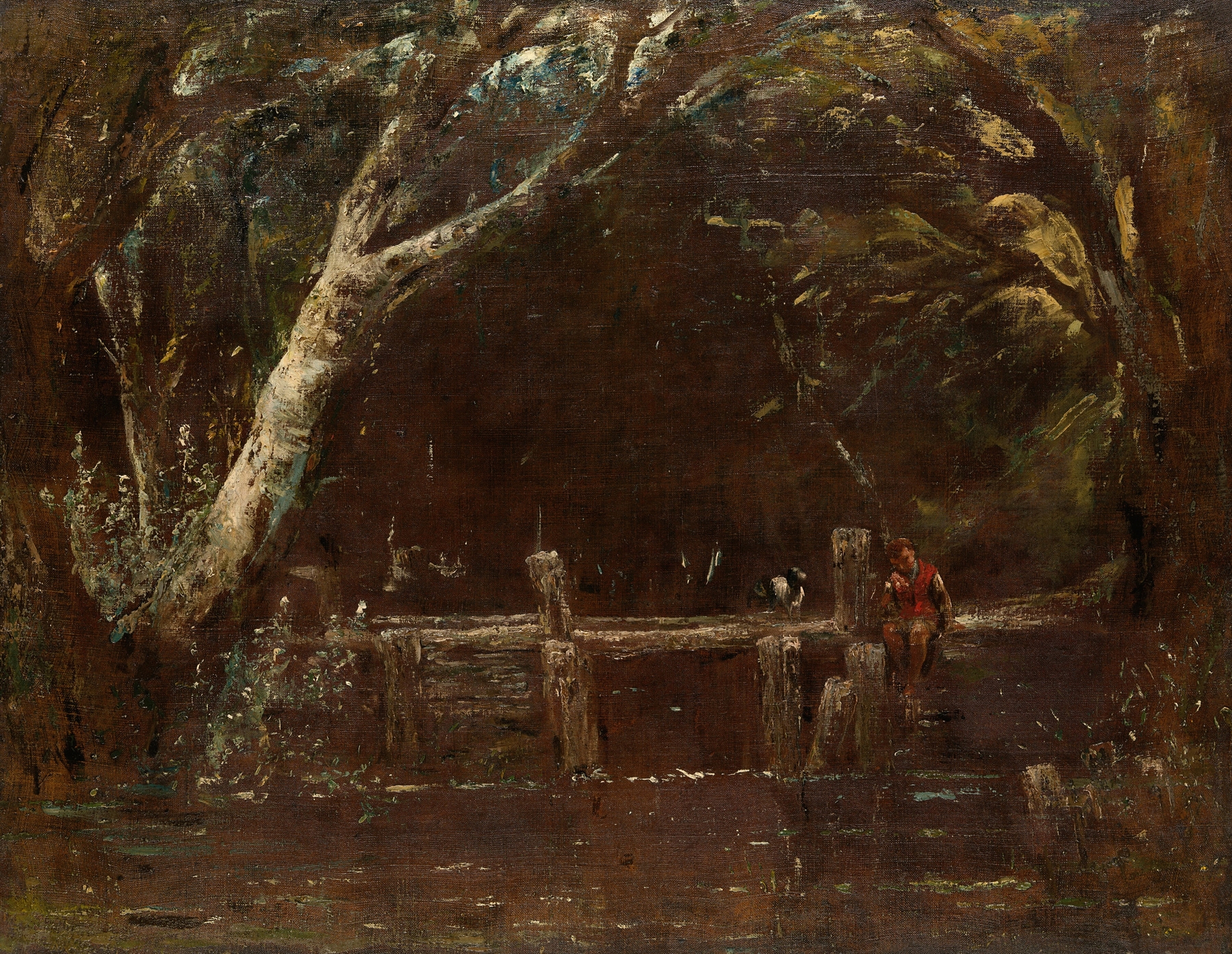
The contrast between the stillness of the water and the subtle energy of the trees creates a dialogue about the fragility of peace. During the early 19th century, Constable painted this piece in England, a time when Romanticism was breathing new life into art. His focus on the English countryside mirrored his personal longing for connection to nature amidst the industrializing world. As he battled financial struggles and personal losses, the creation of this work became a refuge, encapsulating both a profound love for the land and a yearning for simplicity amid chaos.