The White Horse — History & Analysis
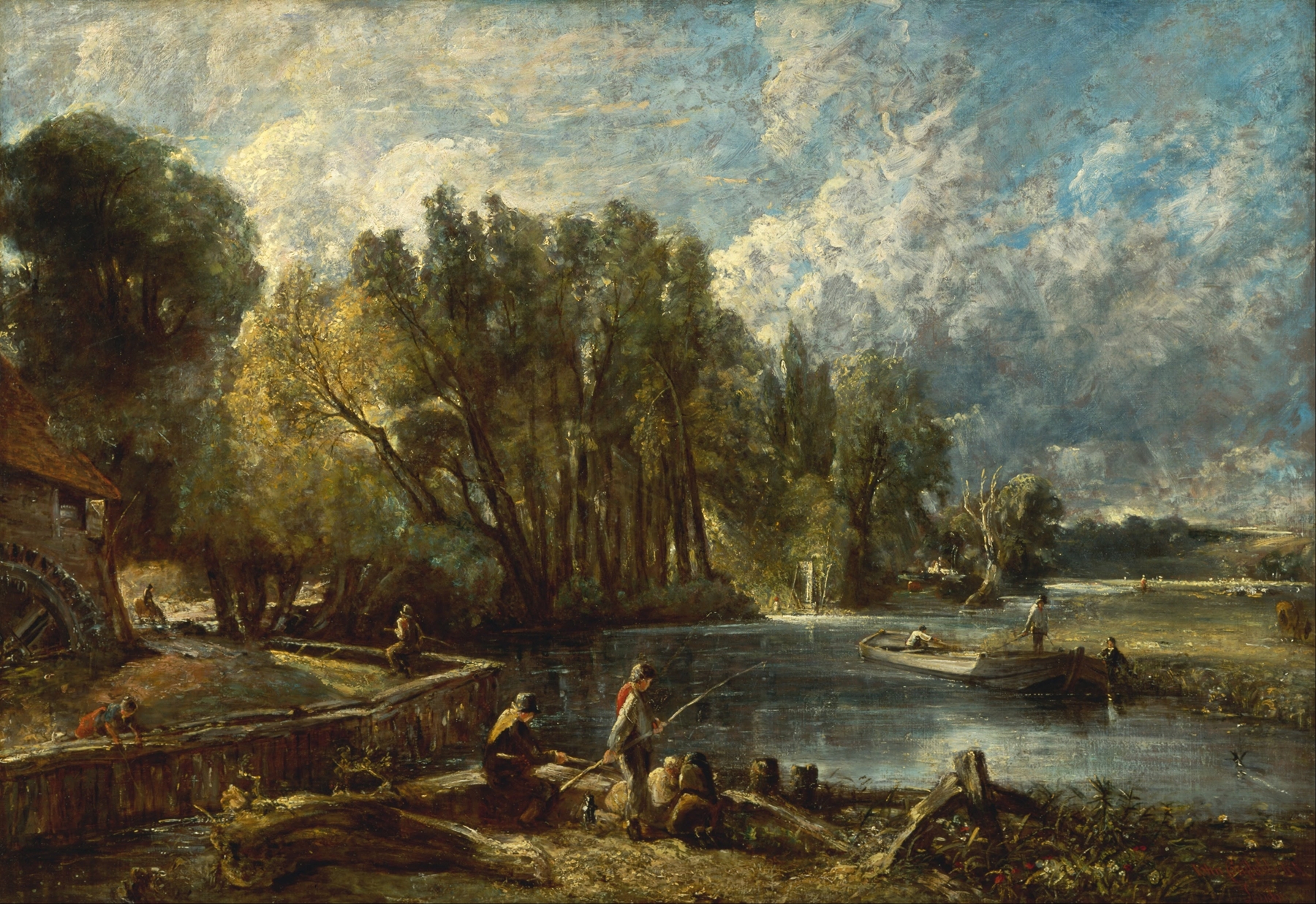
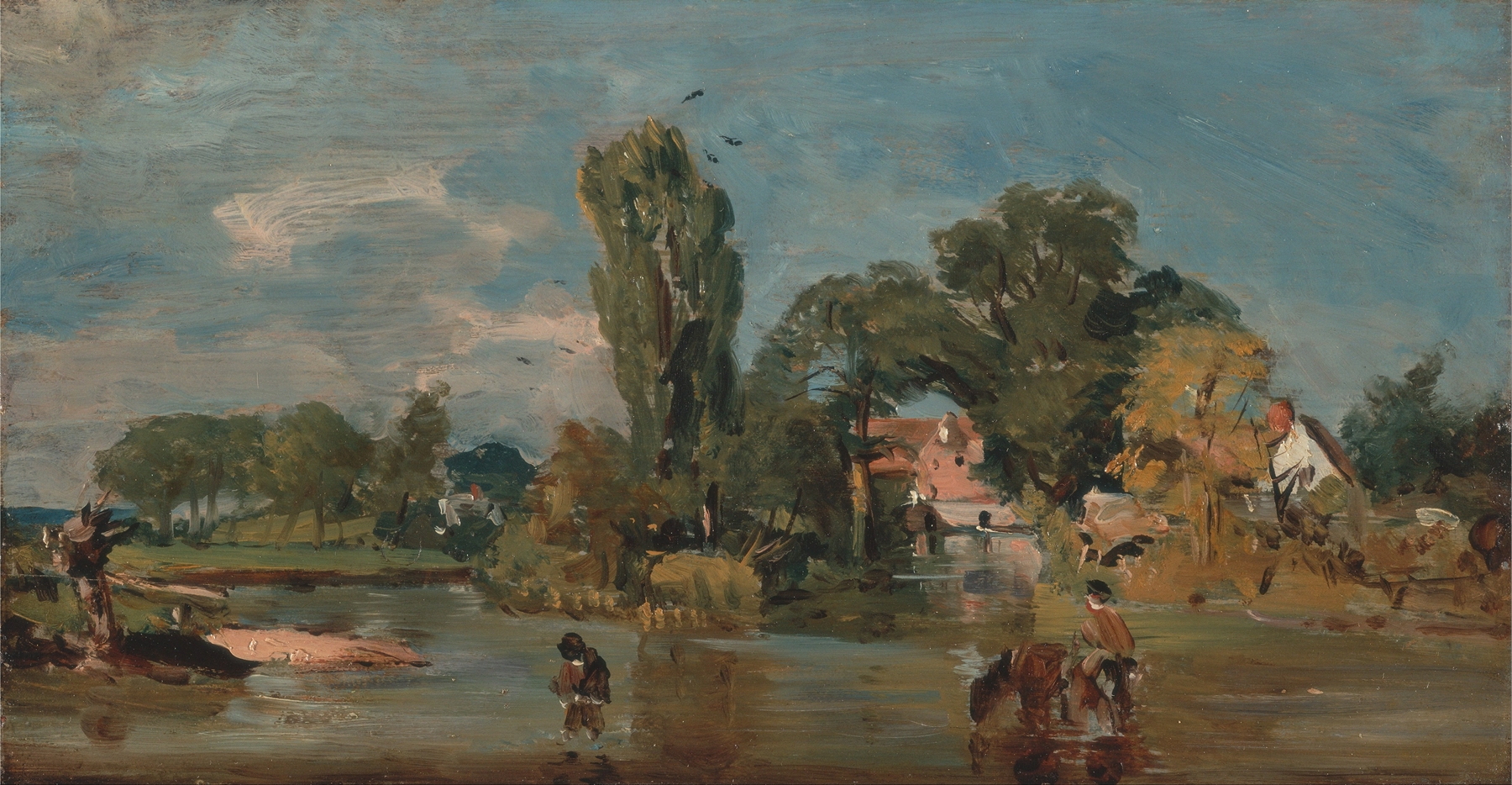
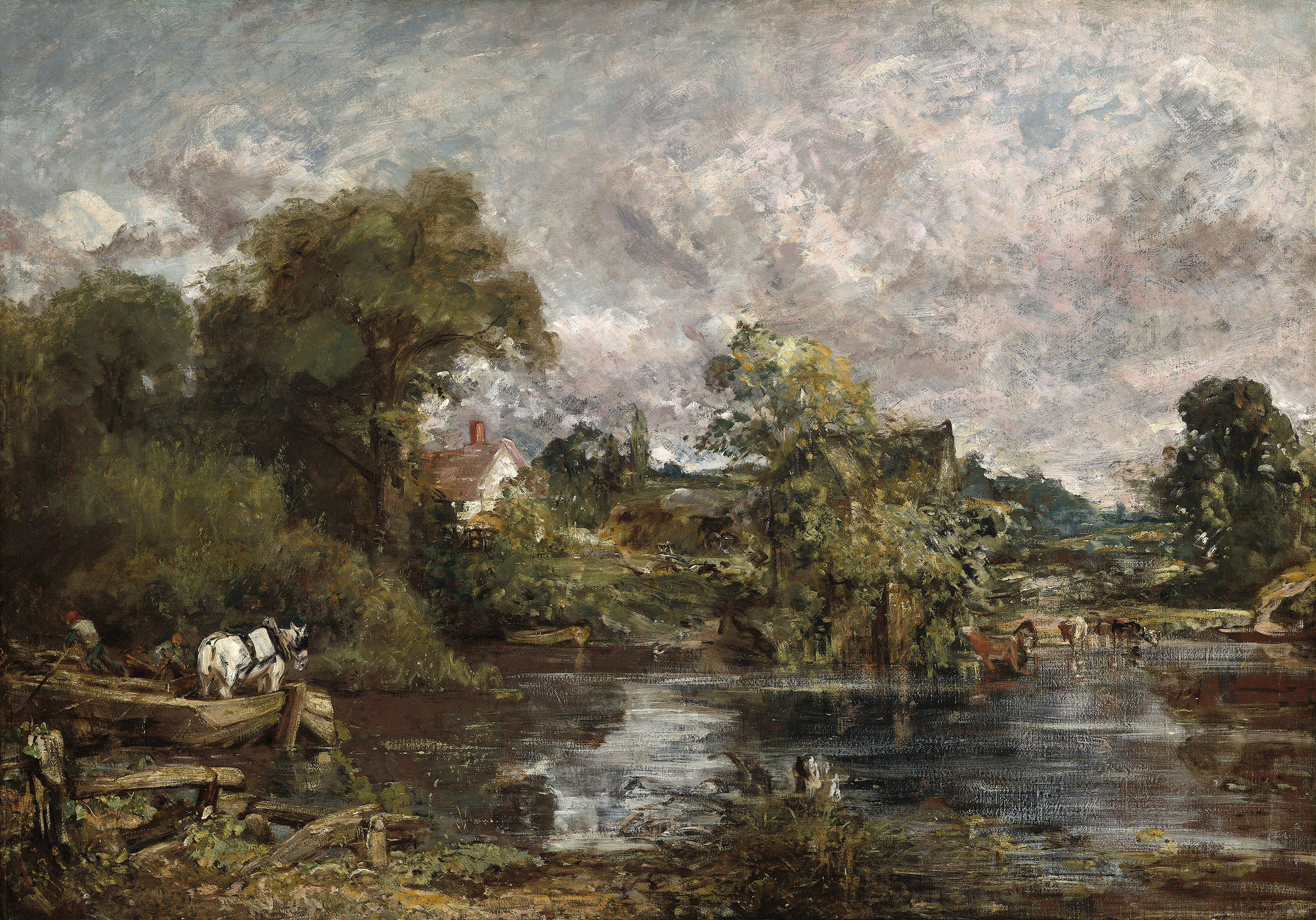
Where does light end, and longing begin? In The White Horse, an eloquent interplay of reflection and nature invites the viewer to ponder the deeper connections between memory and landscape. Look to the left at the tranquil river, its surface a mirror, capturing the soft hues of the sky above. The gentle curve of the water draws your eye toward the white horse standing majestically on the riverbank, its coat gleaming under the dappled sunlight. The trees frame the scene as if protecting a moment frozen in time, while the clouds float lazily overhead, their shapes echoing the serene contours of the flowing landscape.
Constable's use of light and shadow reveals not just the physicality of the horse, but also the emotional weight of its presence. Here, a sense of nostalgia unfolds. The horse, ethereal yet grounded, stands between the natural world and the ephemeral, symbolizing both freedom and the constraints of existence. The reflections ripple softly, suggesting a fleeting moment, provoking thoughts of what lies beneath the surface—memories, aspirations, perhaps loss.
This delicate balance between tranquility and introspection evokes a yearning for connection, both to the land and to the past. John Constable painted this evocative scene between 1818 and 1819 while living in the English countryside. During this period, he was grappling with personal challenges, including the loss of his father and the complexities of the art world, which was shifting towards the burgeoning Romanticism movement. His dedication to capturing the essence of the English landscape laid the foundation for his legacy, rooted in both emotion and observation.