Schilf am herbstlichen Bachufer — History & Analysis
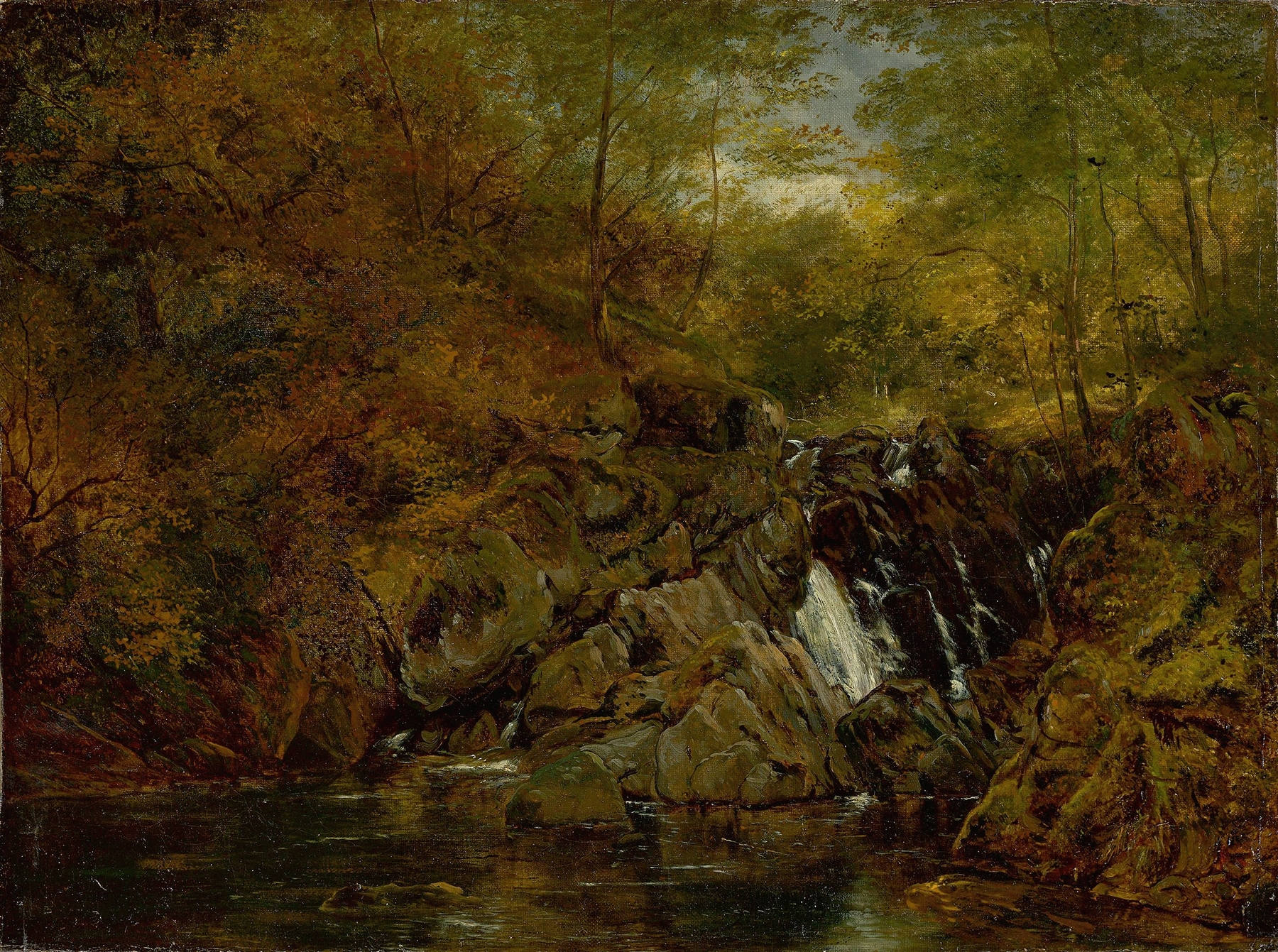
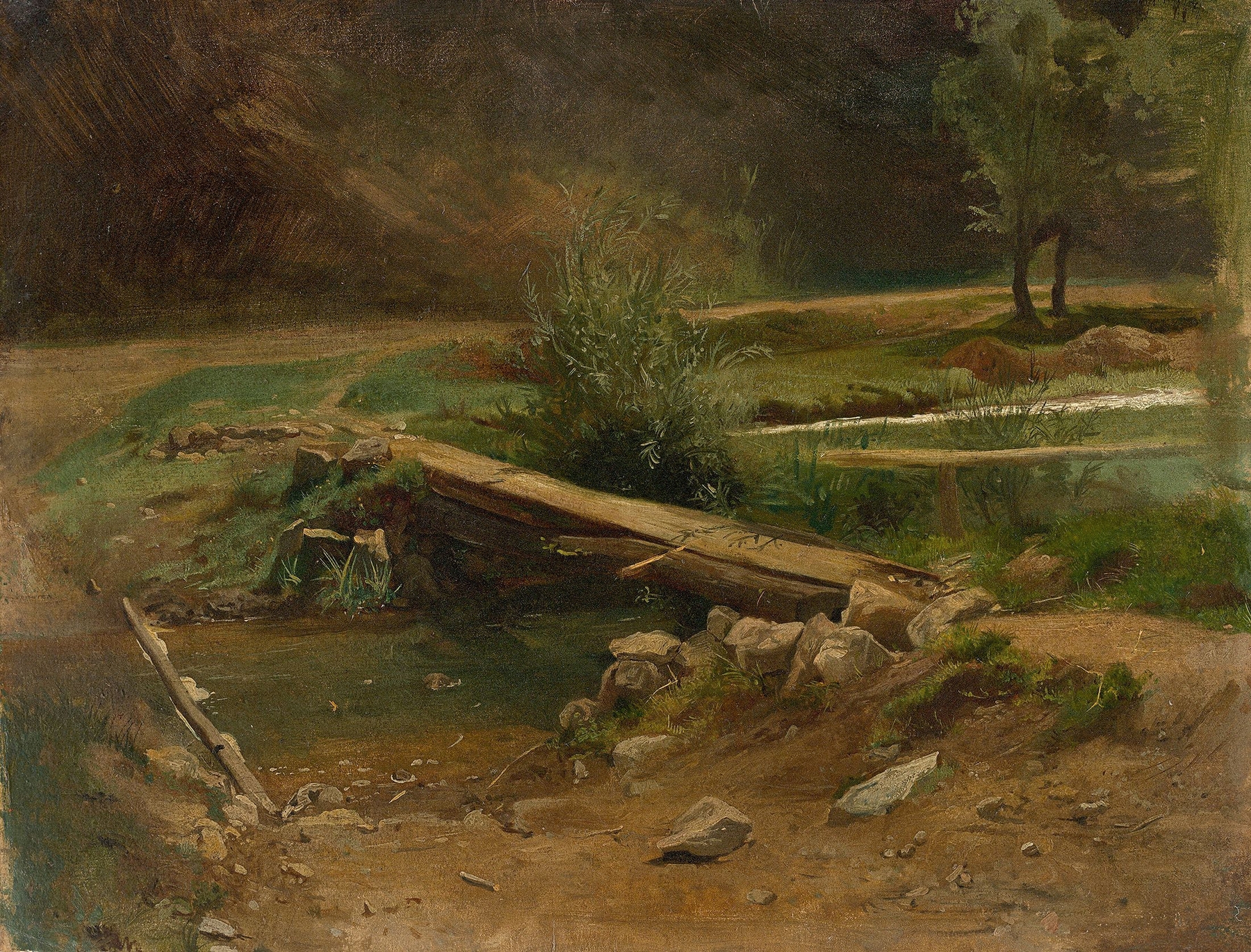
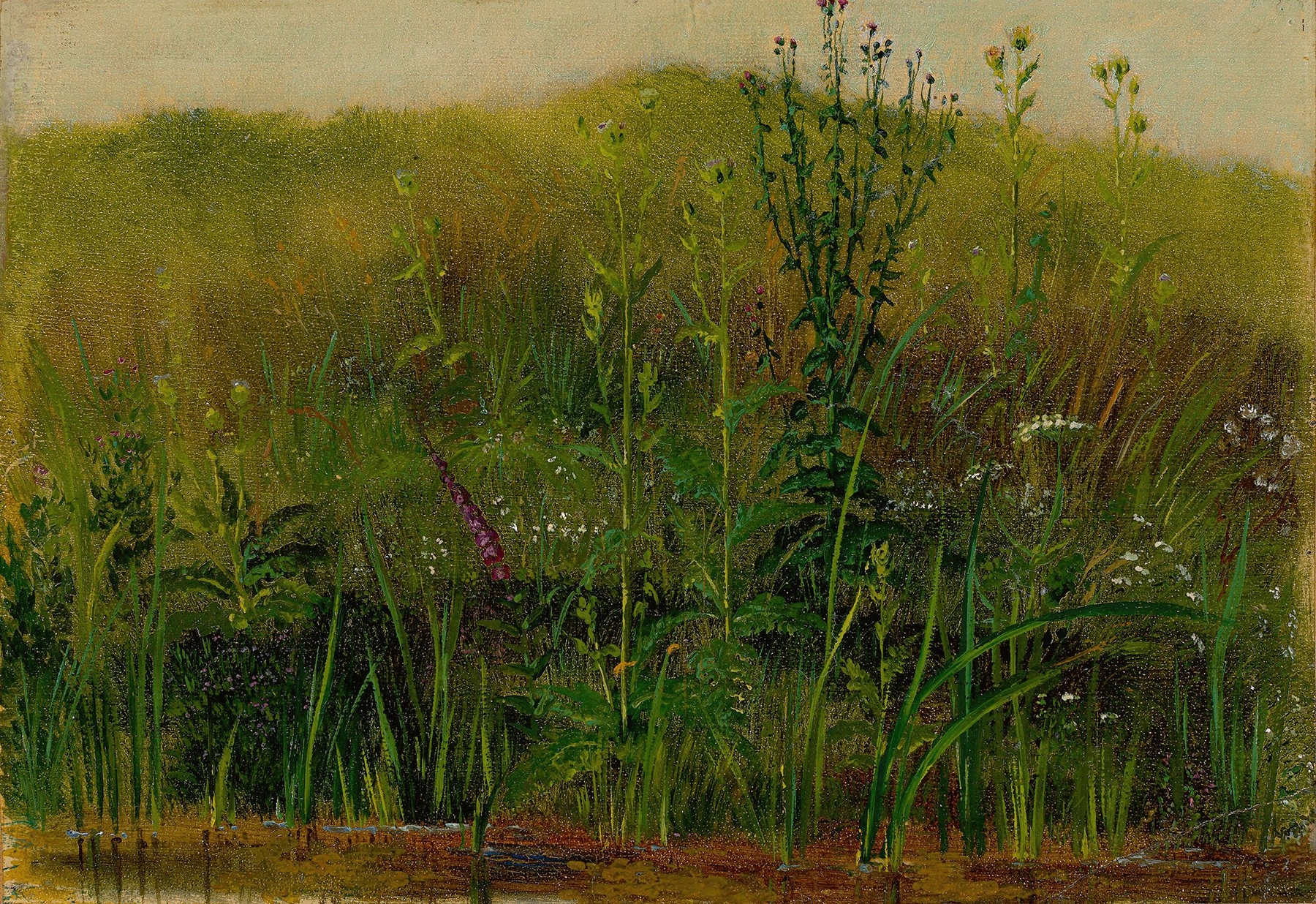
“Under the brush, chaos becomes grace.” In the stillness of autumn, nature speaks volumes through the whispers of reeds swaying gently along the riverbank, inviting awe in every glance. Look to the left where the soft hues of golden yellow and burnt orange brush against the deep greens of the reeds, creating a vibrant tapestry that breathes life into the canvas. The composition draws your eye horizontally, guiding you along the flowing lines of the river, while the gentle dappled light plays across the water’s surface, reflecting the delicate interplay of tranquility and movement. Each stroke captures the essence of the season, evoking a sense of harmony between the land and the water.
Delve deeper into the contrasts within the painting; notice how the vibrant colors of the foliage seem to dance upon the tranquil blue of the river, symbolizing the transient beauty of life at its peak. The layers of texture in the reeds suggest a resilience against the inevitable passage of time, while the stillness of the water beneath them hints at hidden depths and secrets. This duality evokes a profound respect for the fleeting moments of beauty that nature offers, urging us to pause and reflect on our connection to the world around us.
In 1830, Gille painted this serene landscape during a time of artistic exploration and growing interest in the natural world. Living and working in Germany, he was influenced by the Romantic movement, which sought to evoke emotions through depictions of beauty in nature. This painting reflects his dedication to capturing the essence of the landscapes around him, as well as the broader transition occurring in European art, as artists began to shift their focus from historical and mythological themes to the sublime beauty found in the everyday.