Bridge over a stream — History & Analysis
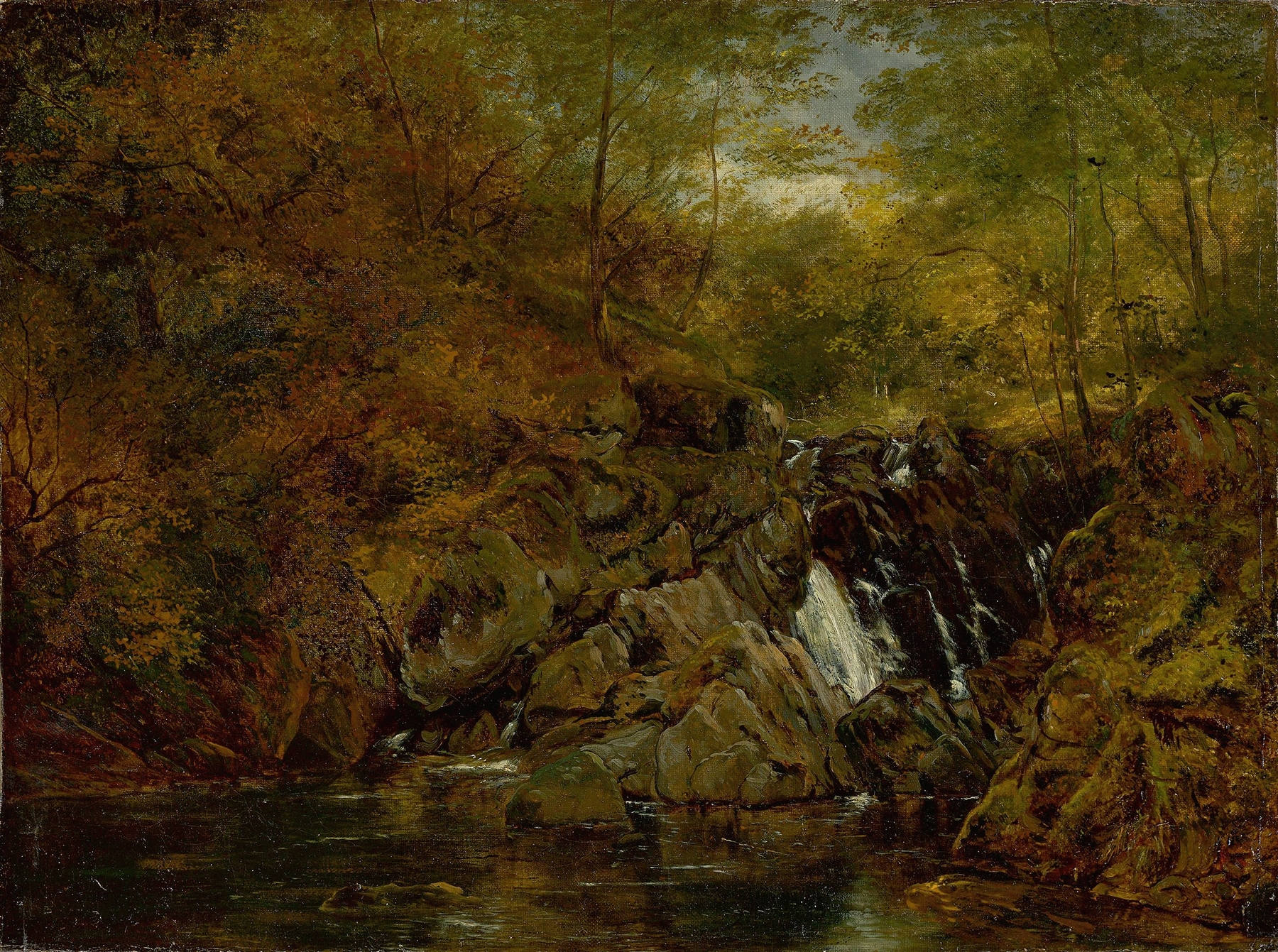
What if silence could speak through light? In Bridge over a stream, a tranquil communion between nature and man invites the viewer to reflect on the ecstasy found in moments of stillness. Look to the left where the delicate arch of the bridge spans gracefully over the shimmering water, its wooden beams echoing an age-old harmony with the surrounding landscape. Notice how the dappled sunlight filters through the leaves, casting playful shadows that dance across the surface of the stream.
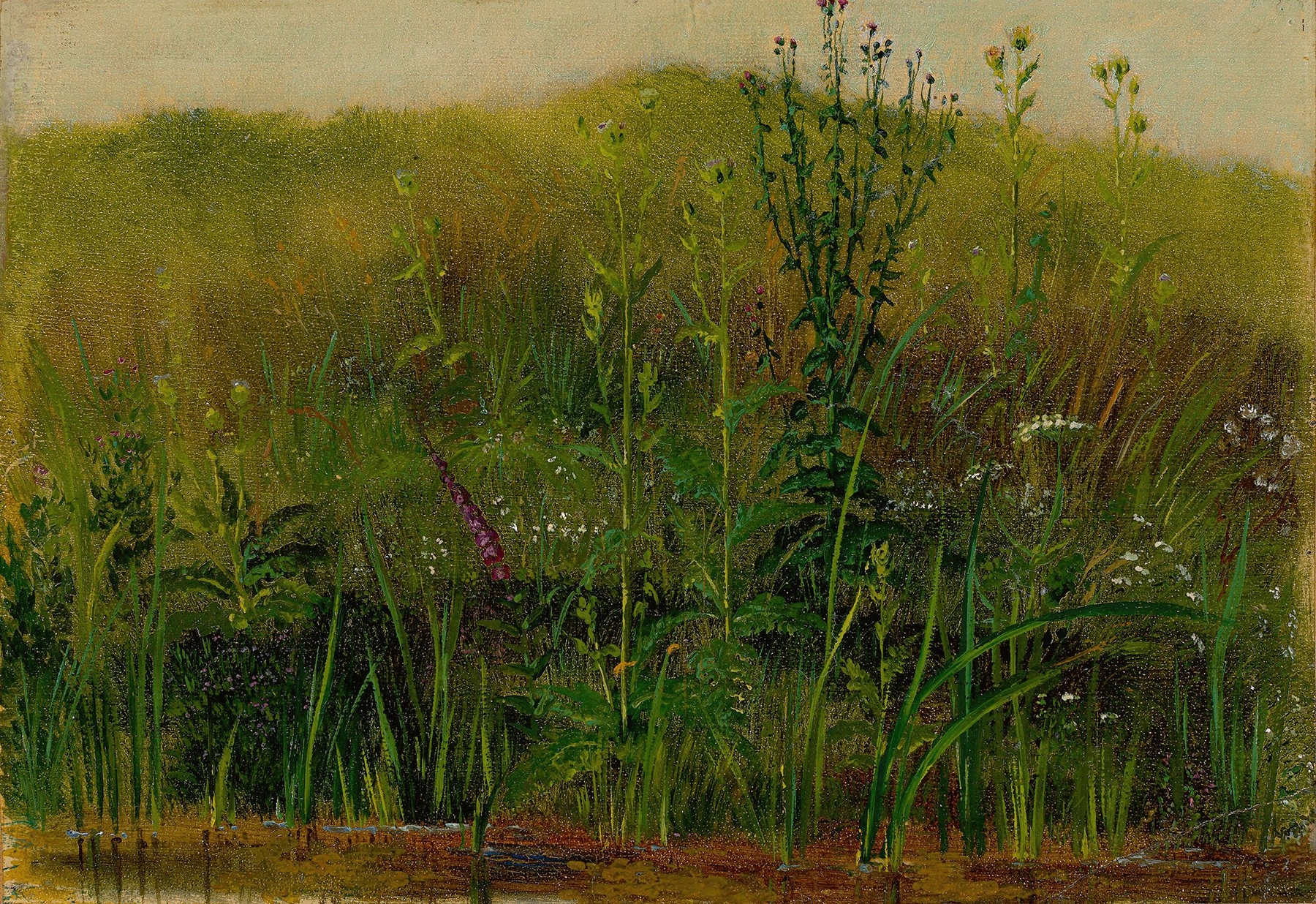
The palette is a soft symphony of greens and browns, punctuated by bursts of floral hues, evoking a serene atmosphere that feels both timeless and intimate. As you explore the scene, subtle contrasts emerge—the sturdy bridge stands resilient against the gentle flow of the stream, symbolizing the fragile balance between human creation and the natural world. Reflect on the understated figures in the distance; they appear almost ghostly, emphasizing the vastness of the landscape and the weight of solitude.
This juxtaposition invites contemplation on the ecstatic connection one can feel in the quiet embrace of nature—an invitation to pause and listen to the whispers of the environment. Created during an unrecorded period in Gille's life, this work reflects the serene ethos of early 19th-century Romanticism, where artists sought solace in nature amidst a rapidly industrializing world. While the specifics remain elusive, it is clear that Gille was influenced by the evolving trends of his time, reflecting a deep appreciation for the beauty found in simplicity and quietude—an essential balm for the human spirit.