Mountain stream — History & Analysis
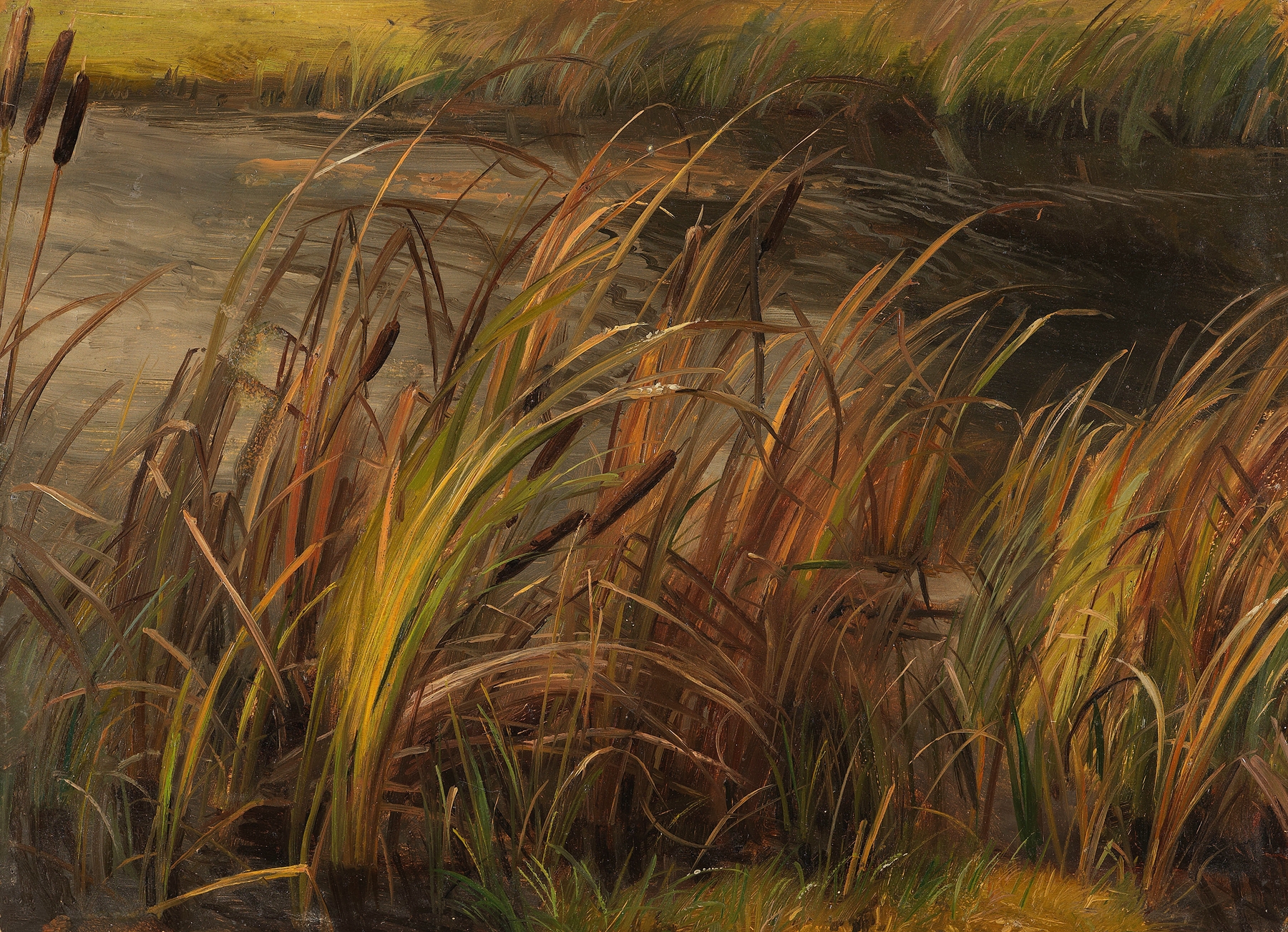
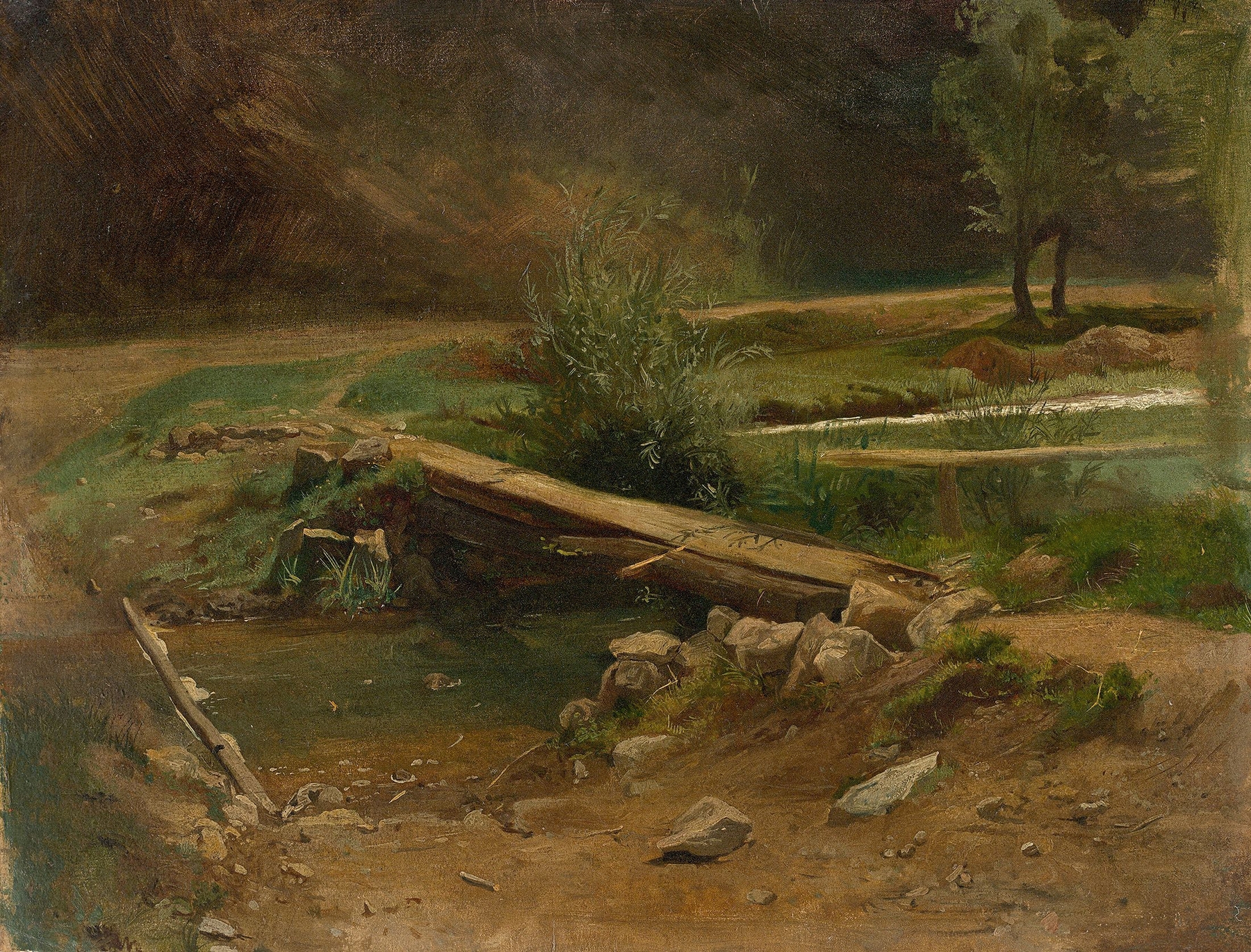
Where does light end, and longing begin? In the delicate interplay of nature and emotion, one finds serenity that transcends mere observation. Look to the foreground where the crystalline waters of the stream weave their way through the lush greenery. Notice the way the sunlight dances on the surface, creating a shimmering reflection that invites you to step closer.
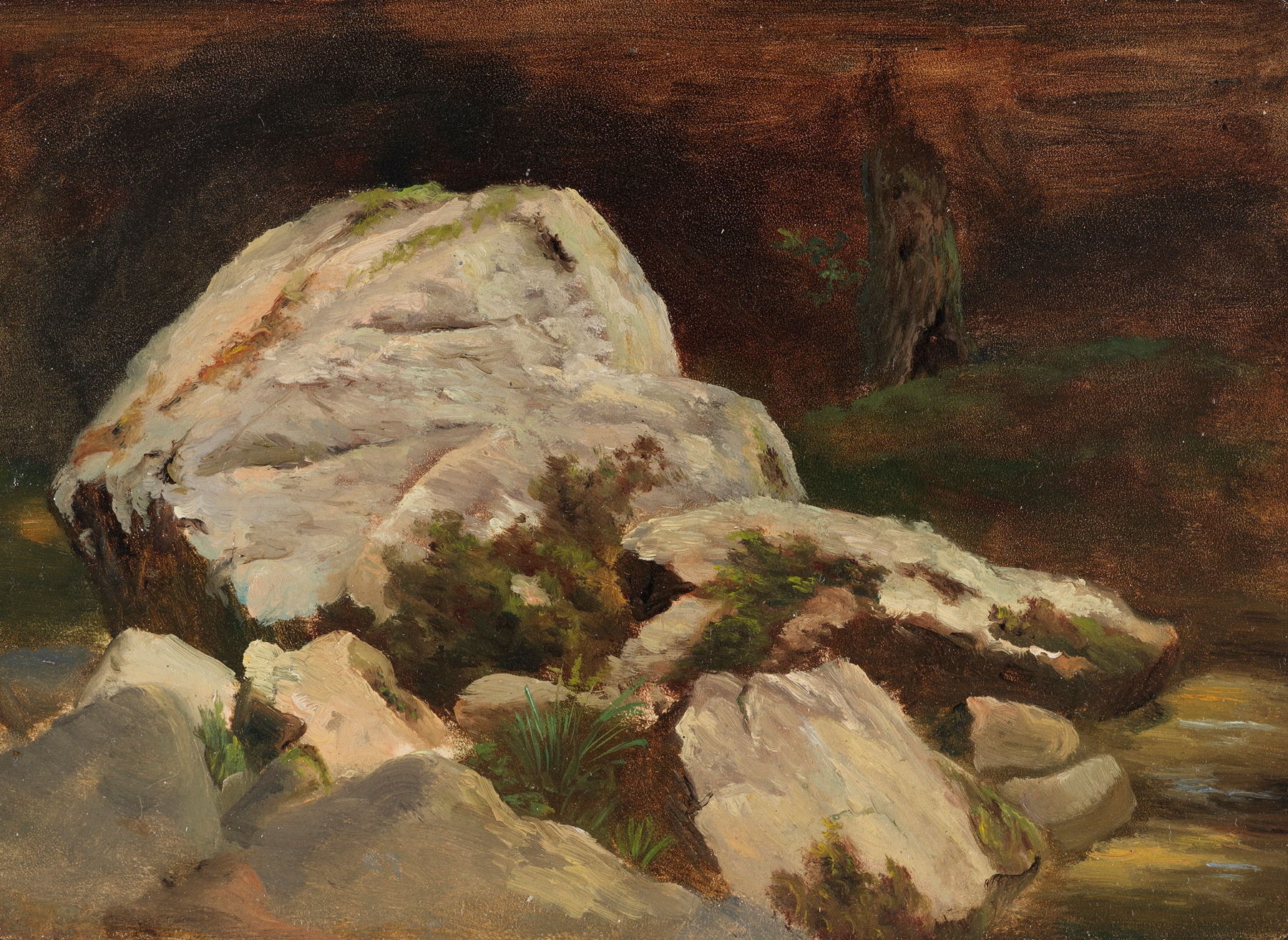
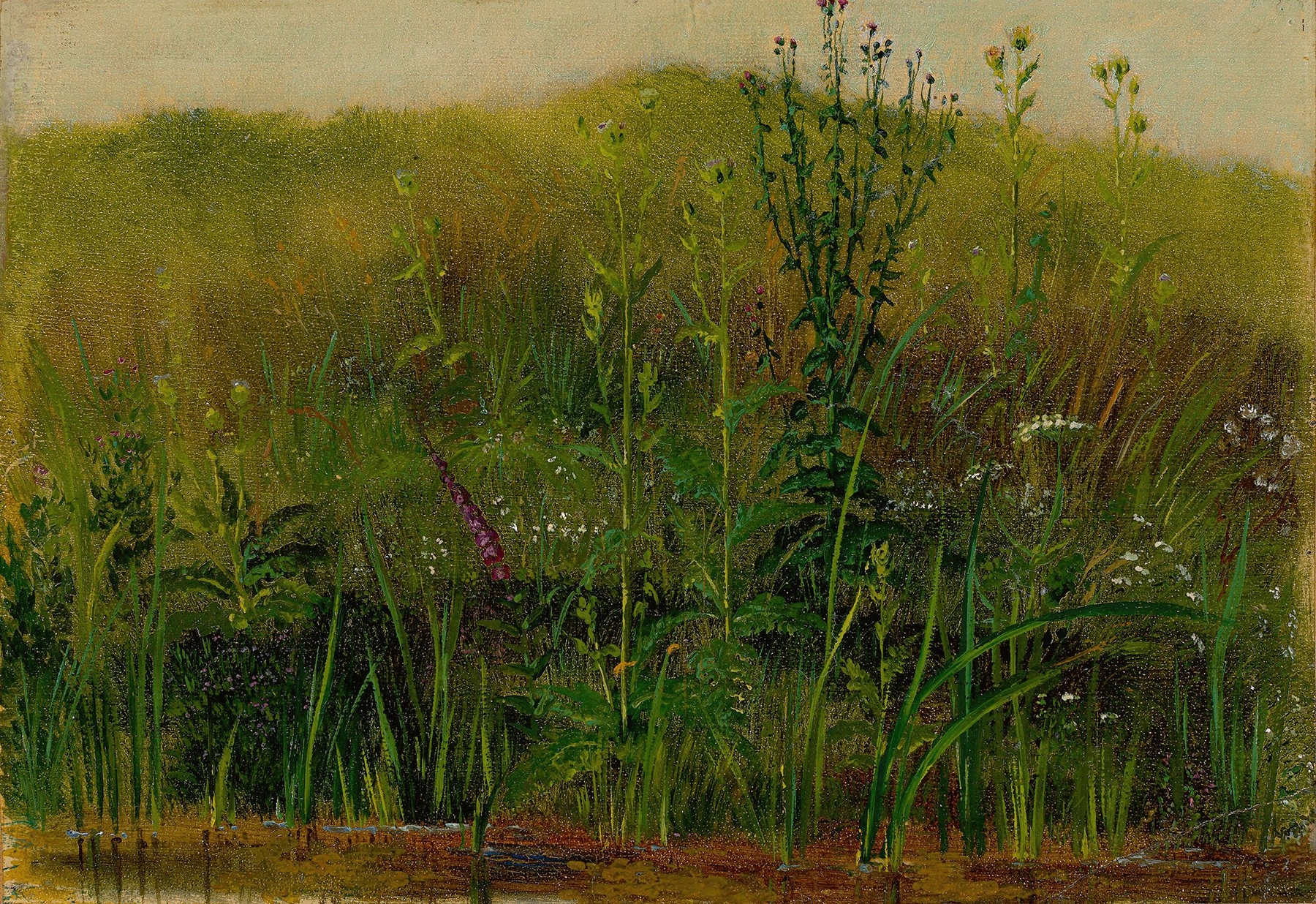
The vibrant greens and soft blues harmonize in a palette that captures the essence of tranquility, while the brushstrokes evoke a sense of gentle movement, as if the scene breathes. Beneath the surface beauty, there lies a narrative of contrast—the rocky banks juxtaposed against the flowing waters symbolize the tension between stability and change. Small details, such as the wildflowers peeking through the grass, hint at resilience amidst the ever-changing landscape. The artist masterfully captures not just a moment in nature, but the emotional heartbeat behind the scene, suggesting a longing for peace that resonates deeply within the viewer.
Christian Friedrich Gille painted this piece in 1859, during a time when Romanticism was waning and Impressionism was beginning to shape the art world. Living in Berlin, he was influenced by the natural landscapes of the surrounding areas, which inspired him to explore the interplay of light and nature. This period was marked by a growing appreciation for the beauty of the natural world, making his work a reflection of both personal and societal shifts toward an emotional connection with the environment.