Schloss Lomnitz und die Tatra in Ungarn — History & Analysis
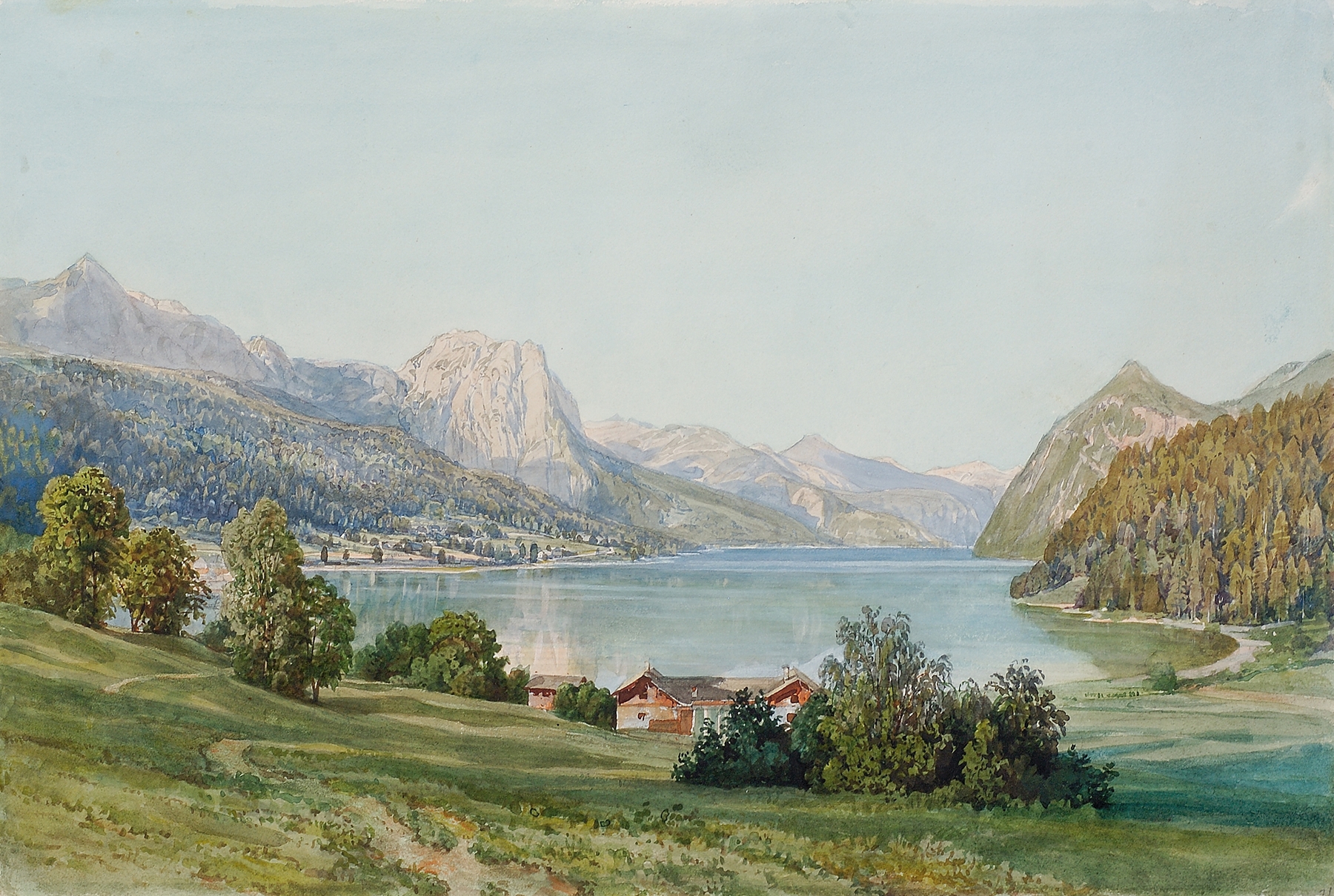
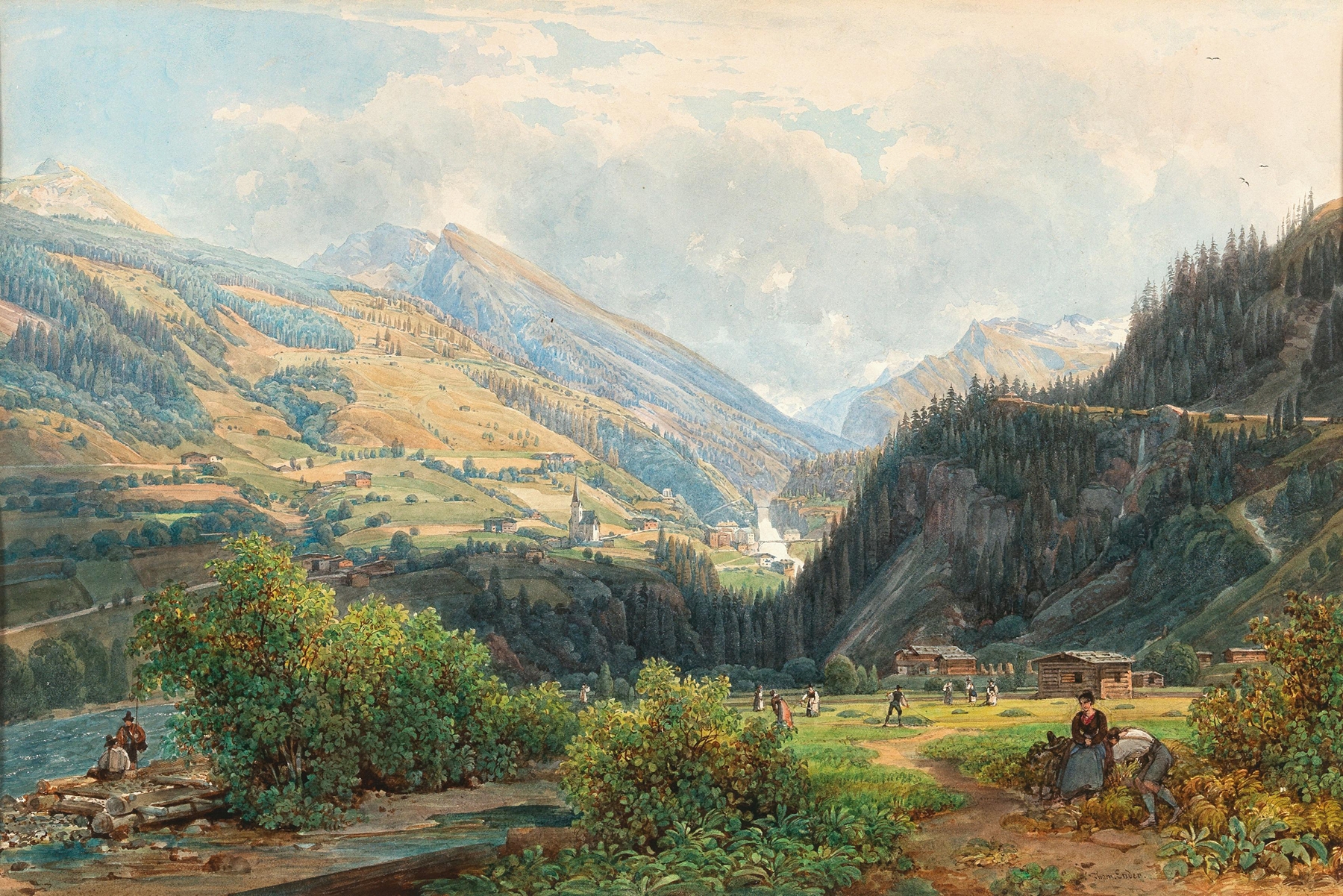
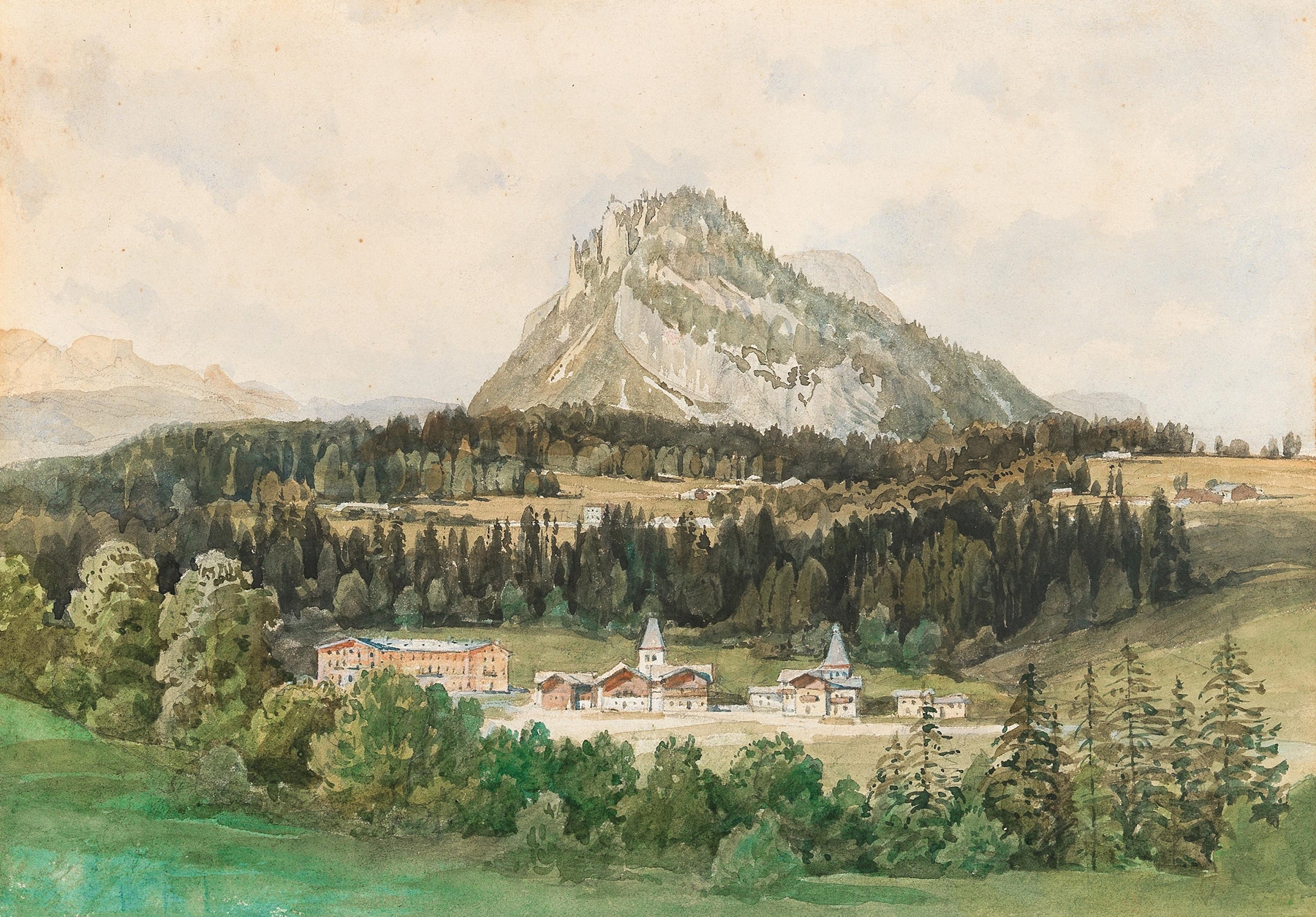
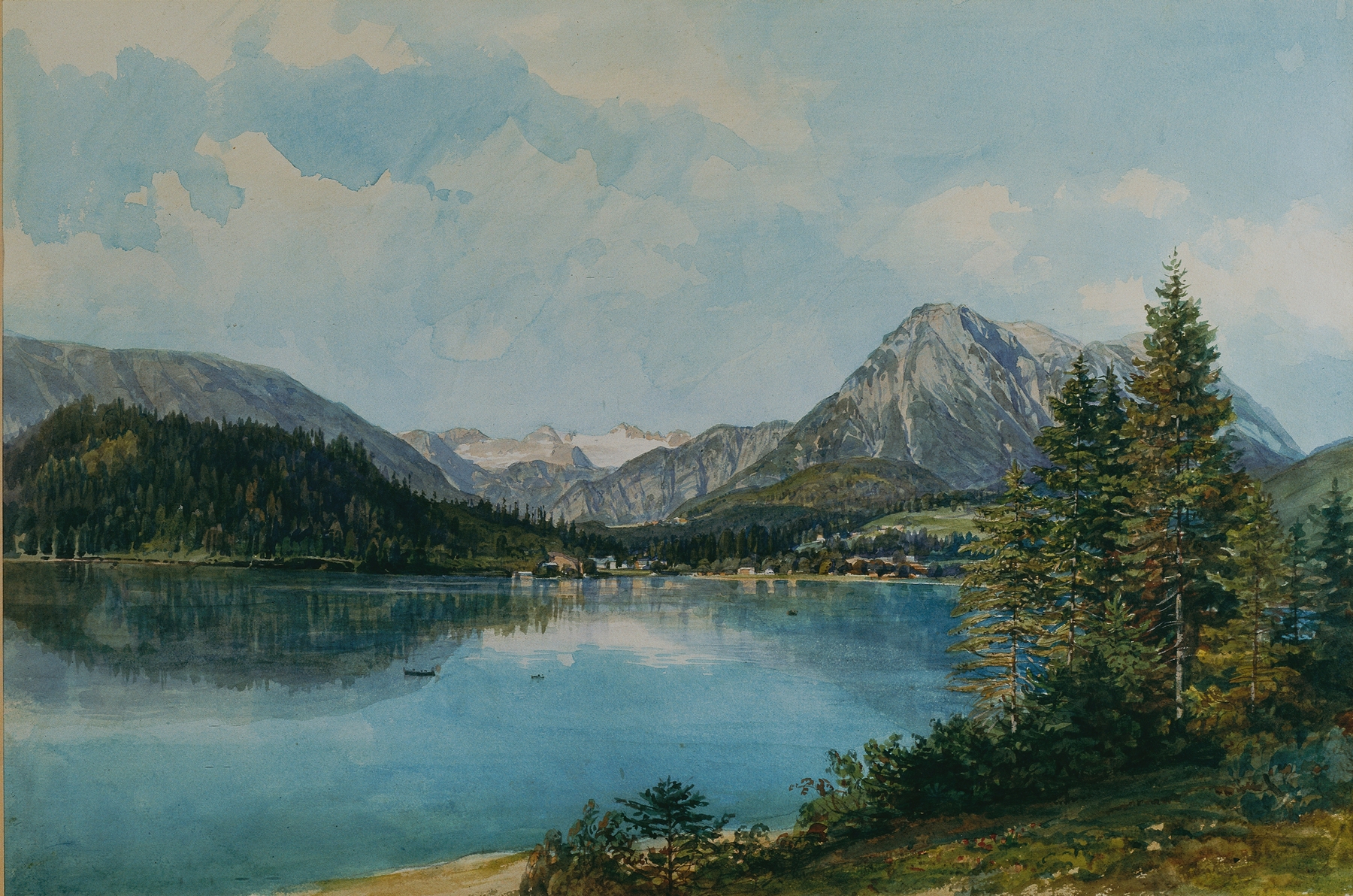
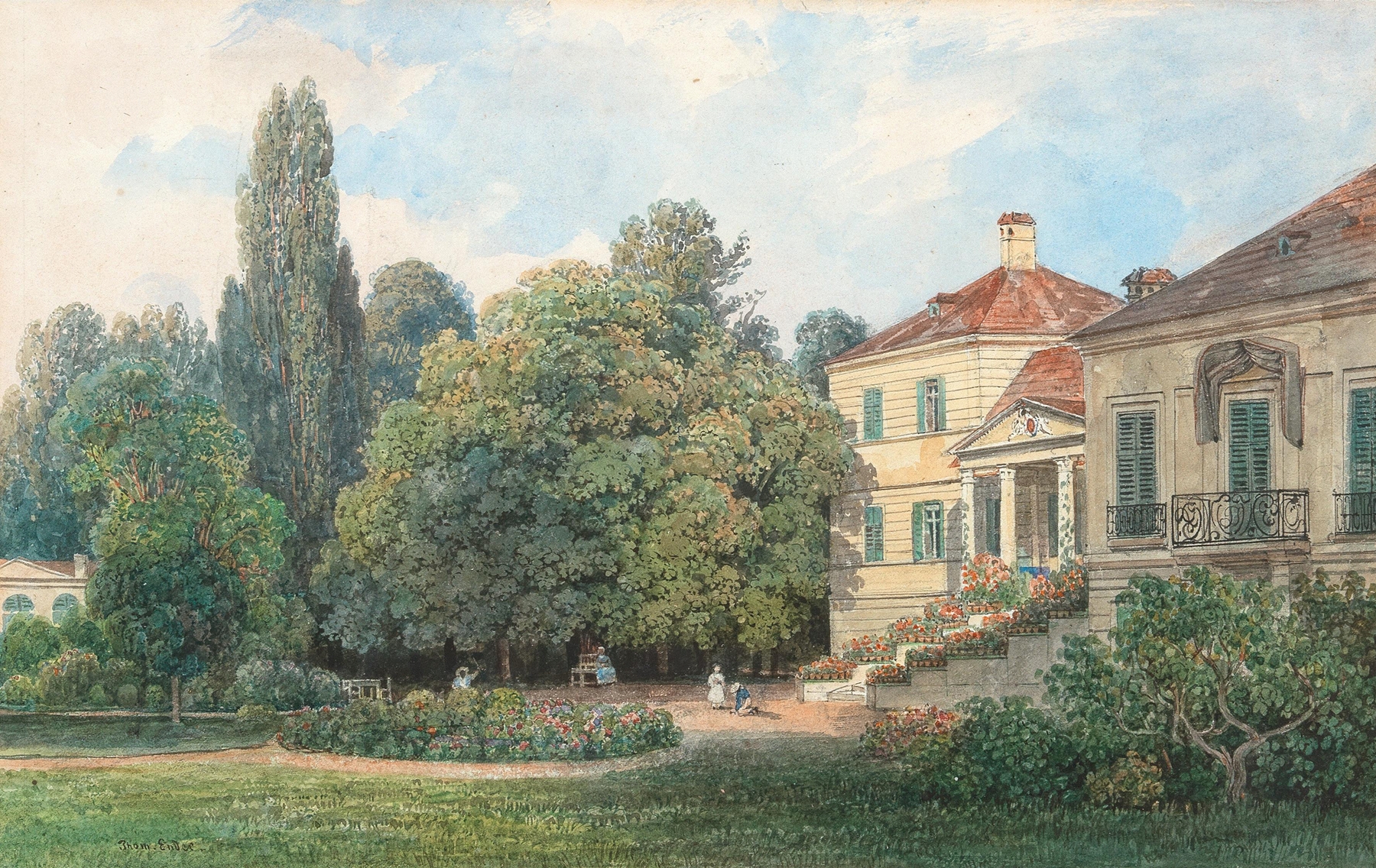
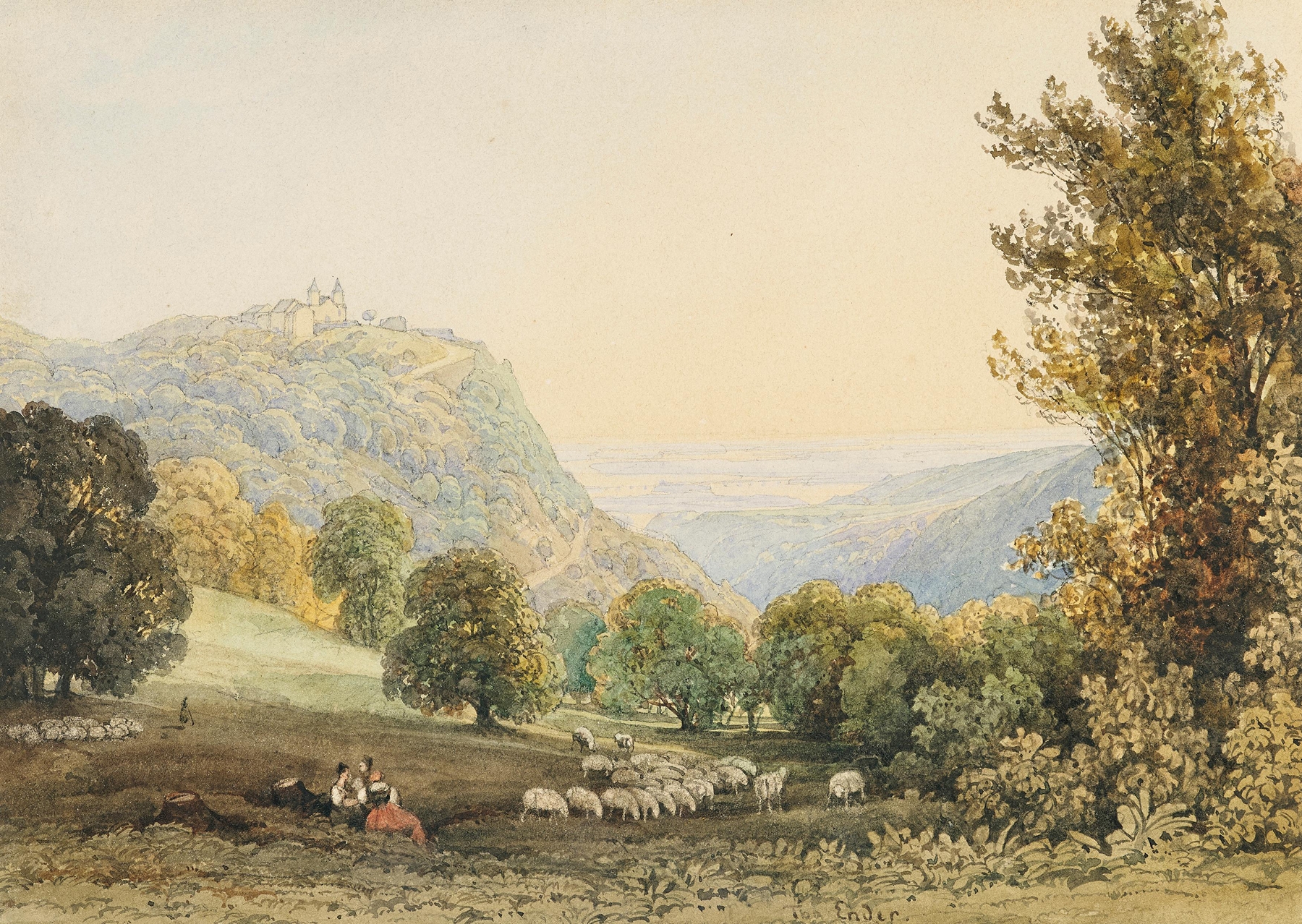
“Sometimes beauty is just pain, disguised in gold.” This sentiment resonates in the breathtaking landscape painted amidst the tumult of the 19th century, offering a glimpse into the complex relationship between nature and humanity. The artwork invites us to ponder how landscapes can be silent witnesses to both the splendor and struggles of life. Focus first on the majestic Tatra mountains, rising like ancient sentinels in the distance, their peaks kissed by a delicate veil of mist. The artist employs a soft yet vibrant palette, where greens and blues harmonize with warm golden hues, enveloping the scene in a serene glow.
Notice how the light dances across the water's surface in the foreground, creating a shimmering reflection that draws the eye towards the tranquil castle nestled in the embrace of the landscape. Yet beneath this idyllic façade lies an underlying tension. The juxtaposition of the sturdy castle against the vastness of nature evokes a sense of isolation, hinting at the transient nature of human existence. The landscape almost appears to hold its breath, capturing a moment that feels both eternal and fleeting — a reminder of the void that often accompanies beauty.
Ender’s attention to detail, from the soft ripples in the water to the shadows cast by the trees, reveals a profound understanding of the emotional weight carried by such scenes. In 1861, Thomas Ender painted this piece while living in Vienna, a time when the art world was embracing Romanticism's focus on nature and emotional depth. As Europe grappled with political changes and rapid industrialization, his work reflected a yearning for connection to the natural world, a contrast to the encroaching void brought by modernization. This painting encapsulates that sentiment, capturing both the beauty and the unspoken pain that often accompanies it.