Segelschiff auf schwerer See — History & Analysis
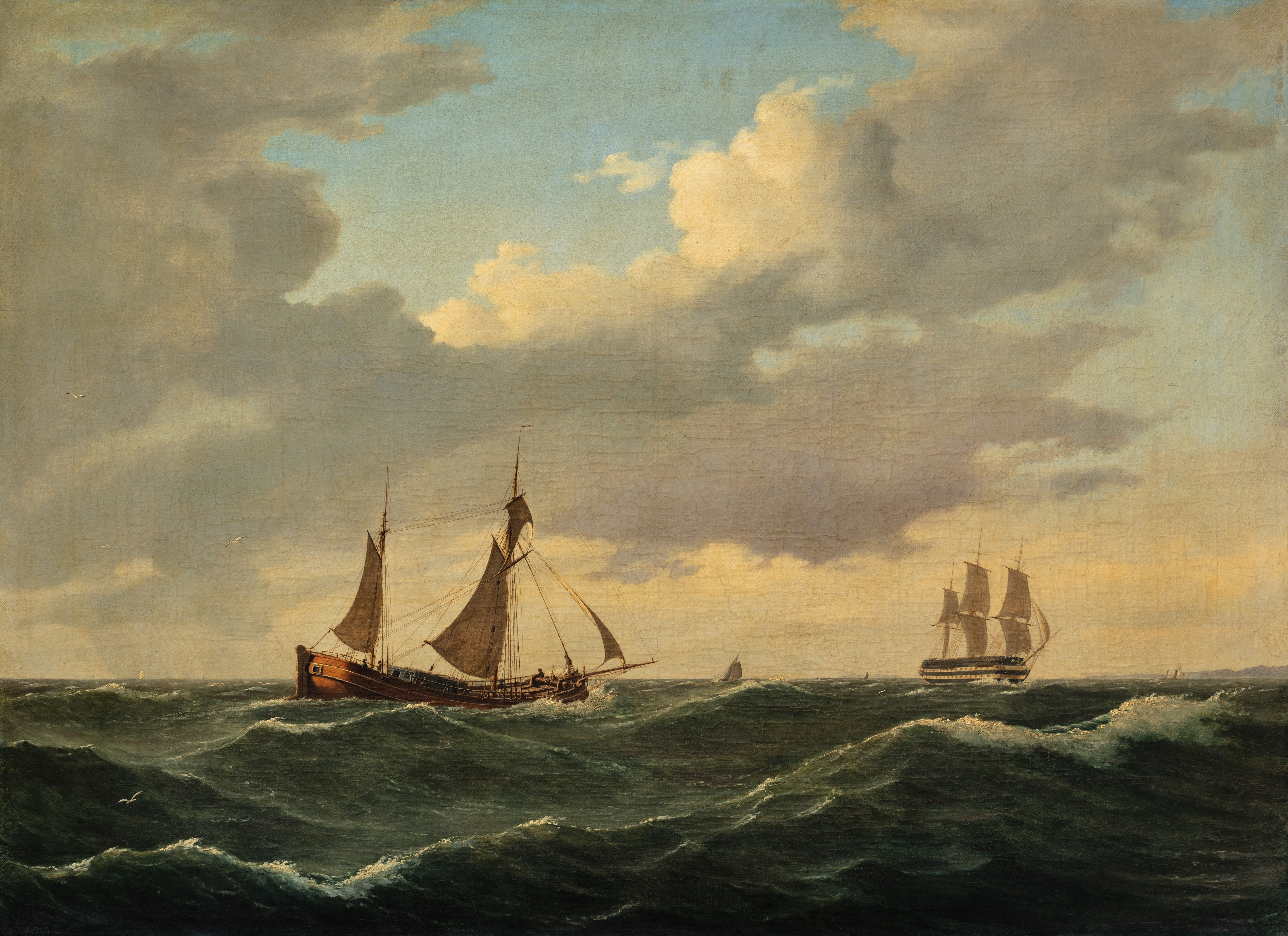
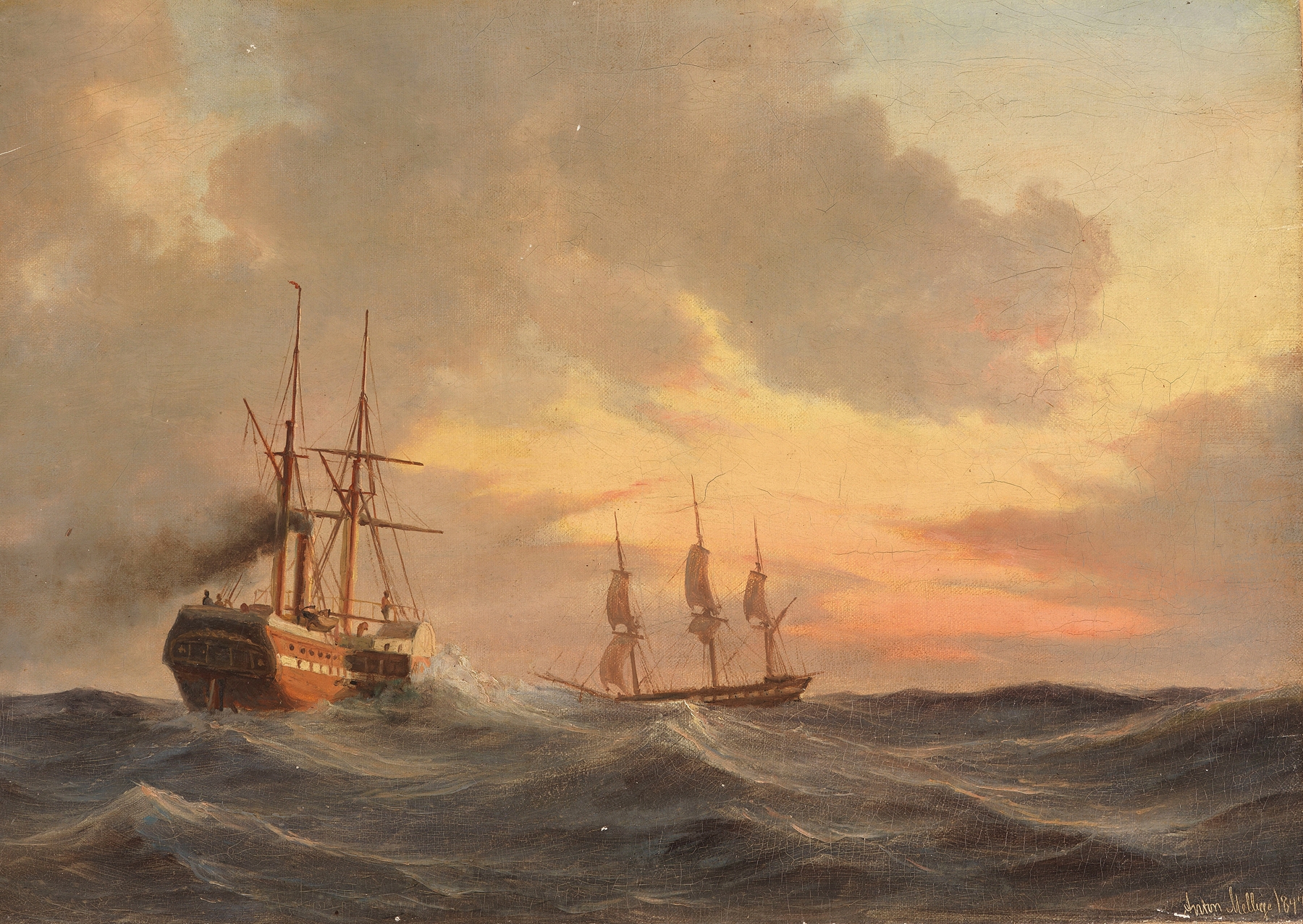
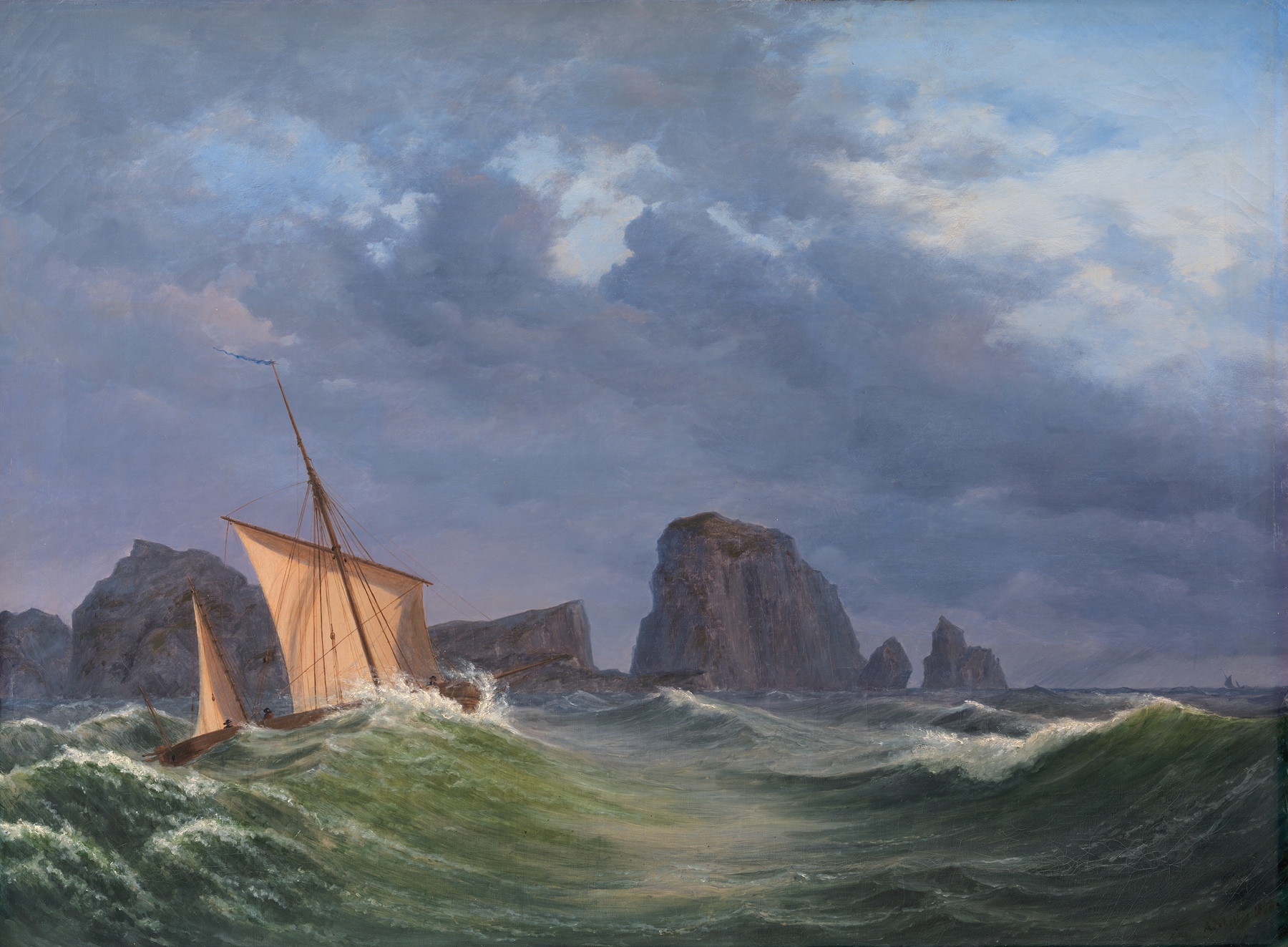
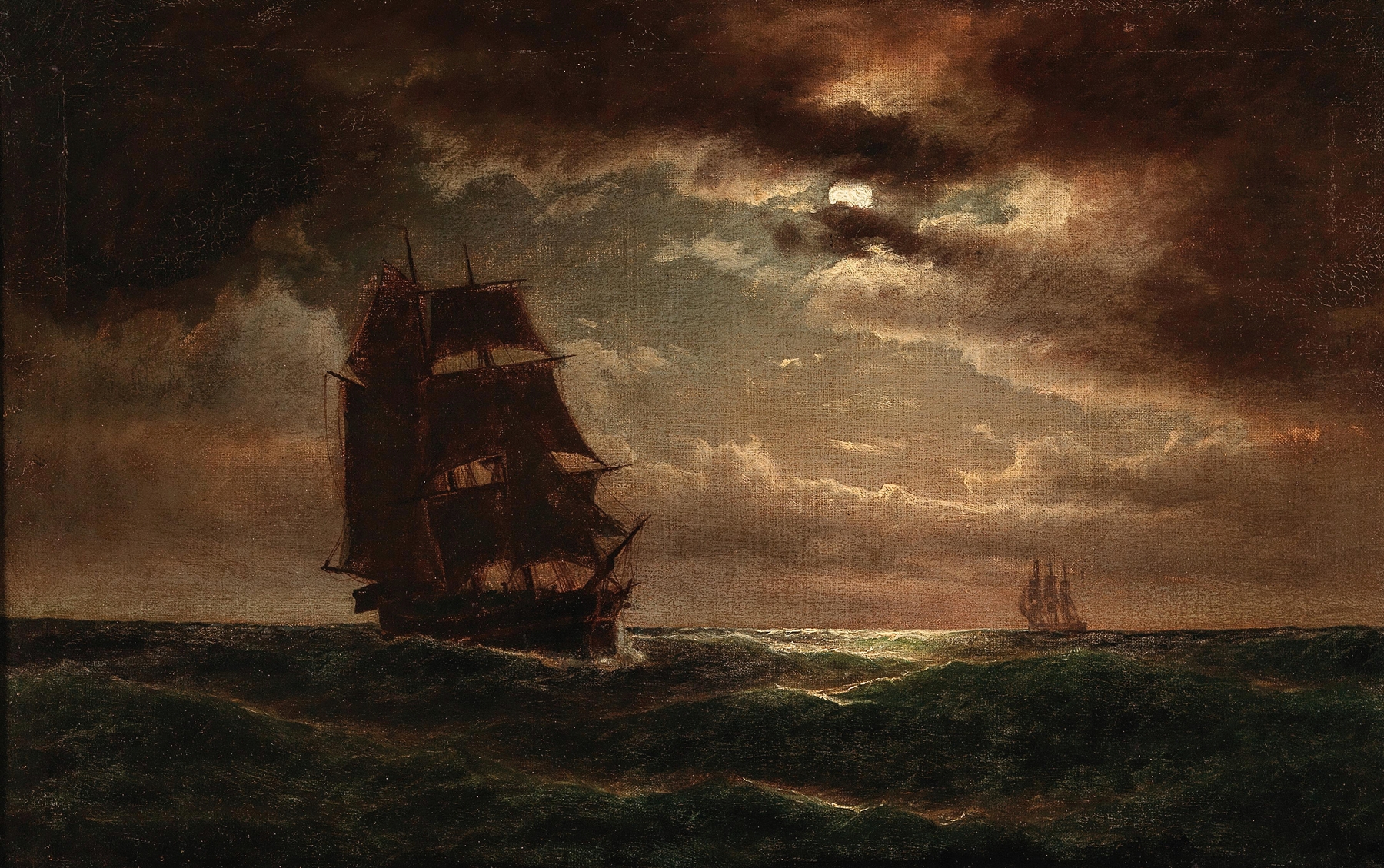
“Sometimes beauty is just pain, disguised in gold.” In the tumultuous embrace of waves, longing dances with despair, manifesting in the restless sea. Look to the center of the canvas where a majestic ship rides high amidst towering waves, its sails strained against the fierce winds. Notice how the hues of deep blue and green swirl around the vessel, creating a sense of both beauty and peril. The artist’s brushstrokes capture the chaotic movement of the ocean, while the ship, rendered in warm whites and browns, stands as a beacon of resilience against nature’s fury.
The brilliant contrasts in color evoke an emotional tension, drawing the viewer into this moment of struggle. Delve deeper into the details and you’ll find that the ship's tattered sails whisper stories of adventure and sacrifice. The relentless waves, while daunting, symbolize the unpredictable journey of life itself. The interplay of light and shadow suggests not just the external threat of the sea, but an internal battle with longing—a desire for safety, freedom, and the bravery it takes to face the storms that lie ahead.
Anton Melbye created Segelschiff auf schwerer See in 1847, during a period when Romanticism was giving way to Realism in art. Living in Denmark, Melbye was influenced by the tumultuous natural landscapes of his homeland. At this time, the world was grappling with industrial change, shifting societal norms, and the burgeoning awareness of nature’s power, all of which seep into the emotional essence of his work.