Self-Portrait as a Fisherman — History & Analysis
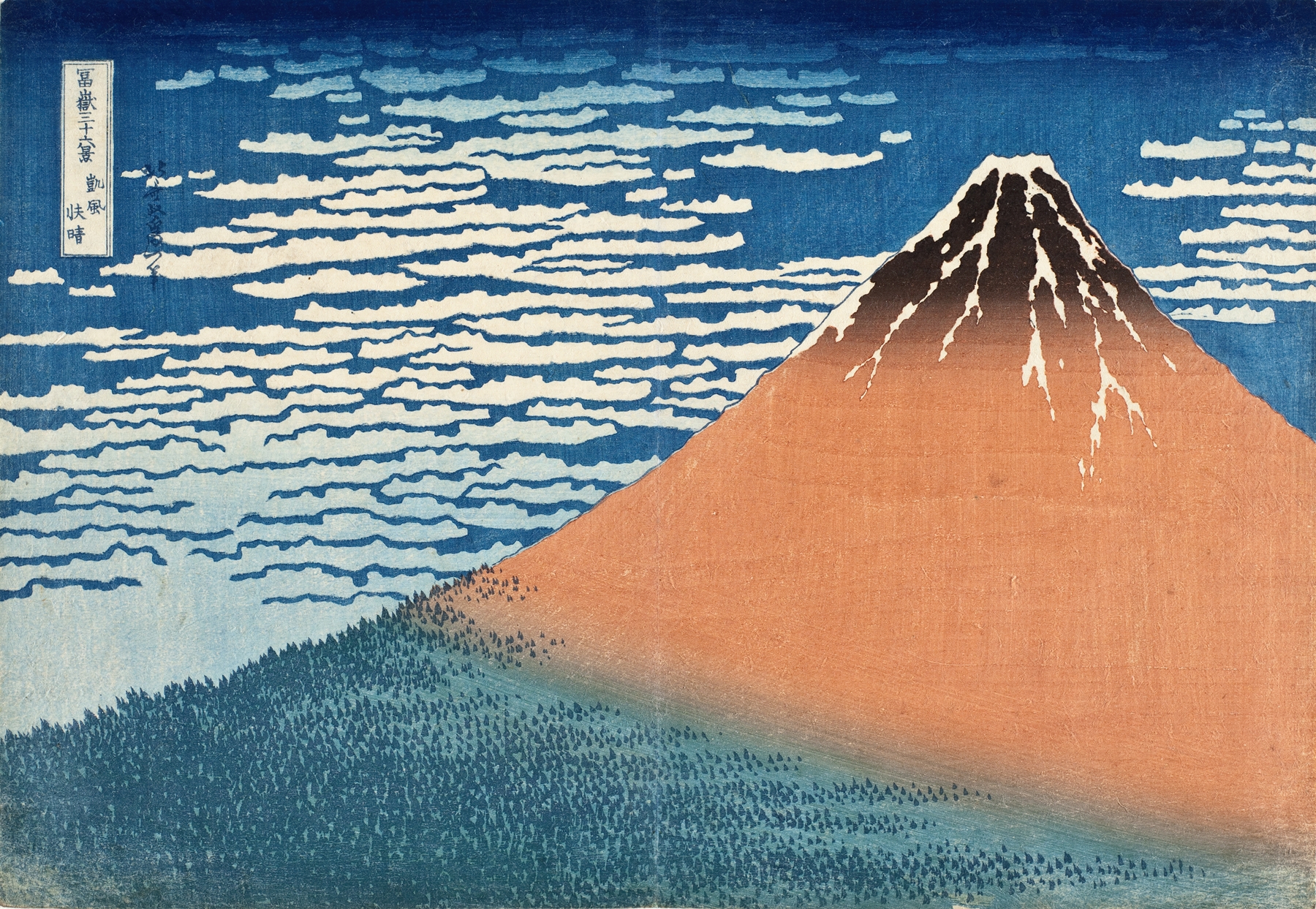
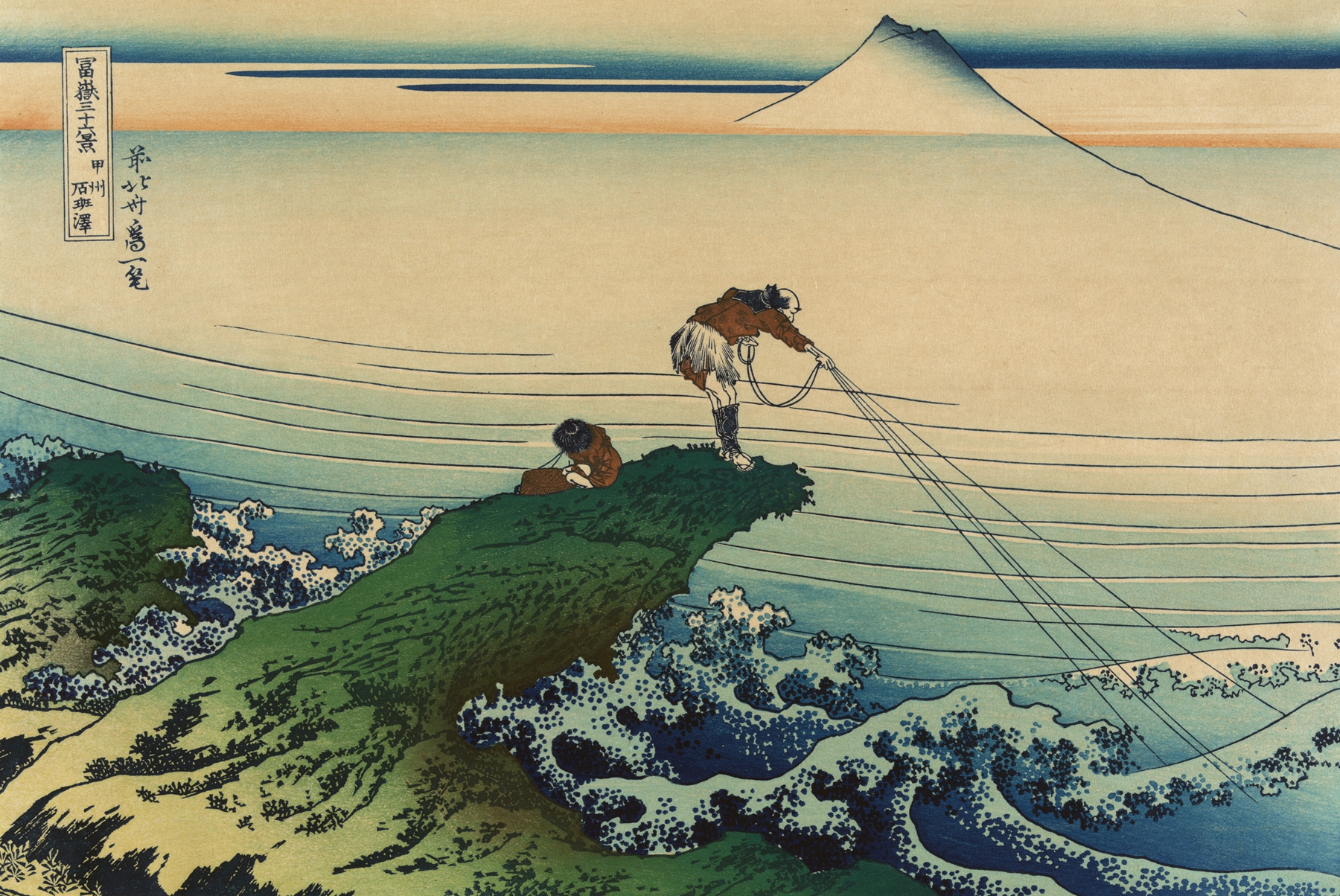
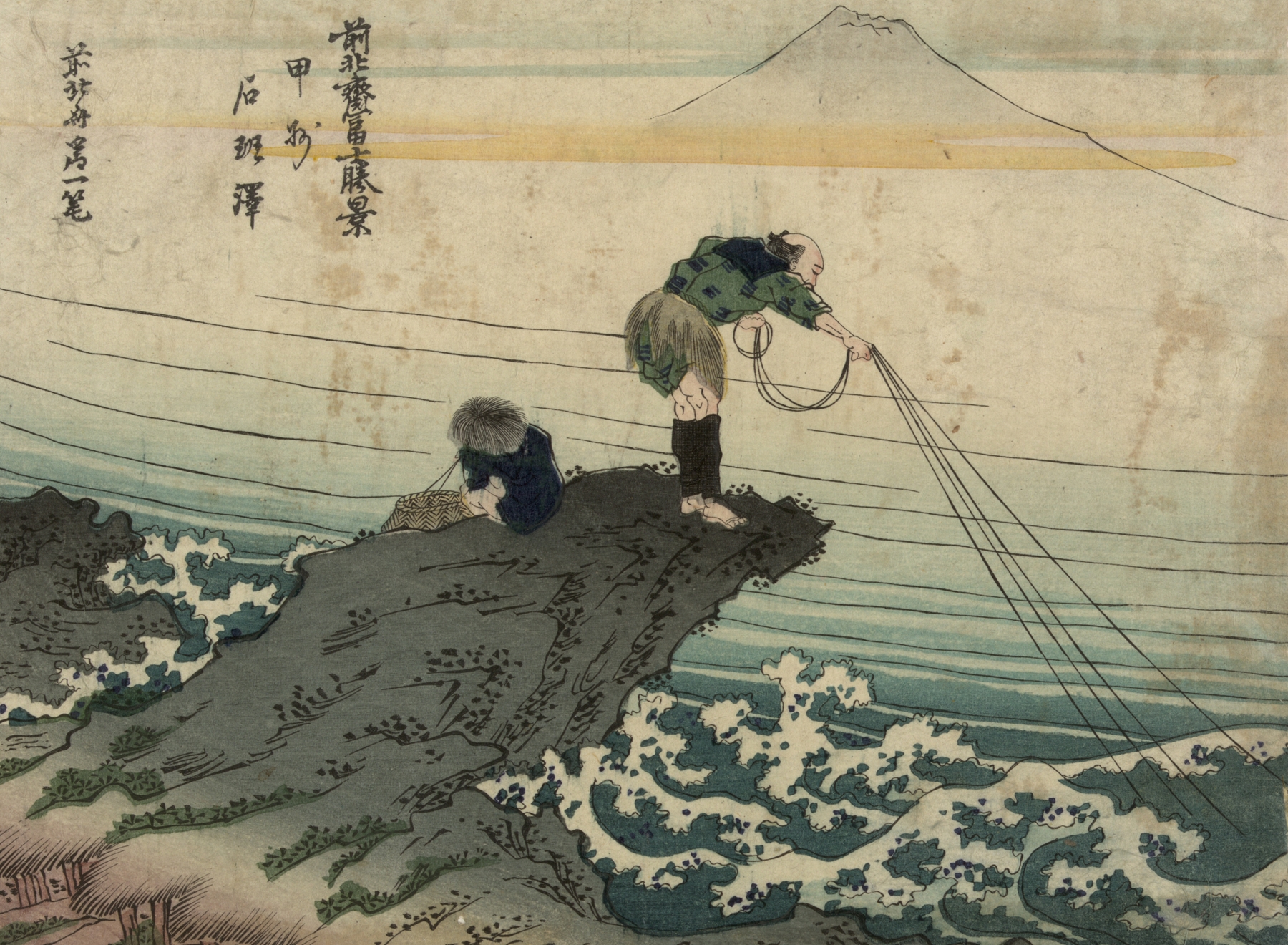
“Every silence here is a confession.” In the stillness of Self-Portrait as a Fisherman, a profound awe envelops the viewer, inviting introspection and admiration for the artist's craft. Look to the left at the rugged texture of the waves, their rhythmic motion contrasting against the serene posture of the fisherman. Notice how Hokusai's brushstrokes capture the nuances of water, each ripple alive with energy and depth. The muted palette, dominated by deep blues and earthy tones, evokes a sense of harmony with nature, while the delicate details of the fishing gear remind us of the simplicity yet complexity of daily life.
Beneath the surface, the painting reveals a dialogue between man and nature. The fisherman, a self-portrait of the artist himself, wields his fishing pole with both skill and humility, embodying the struggle and reverence inherent in the act of creation. Here, the silence is palpable, suggesting a moment of reflection, where the artist contemplates his place in the world. This dual identity—artist and fisherman—speaks to the interconnectedness of creativity and sustenance, illuminating the deeper philosophies that underpin Hokusai’s work.
In 1835, Hokusai was living in Edo, Japan, a time marked by both personal trials and a flourishing art scene. As he embraced the age of ukiyo-e, he was also experiencing a shift in his own artistic identity. This period was a blend of introspection and ambition, shaping his legacy as one of the most influential figures in Japanese art history.