Kreuzgang mit einfallendem Sonnenlicht — History & Analysis
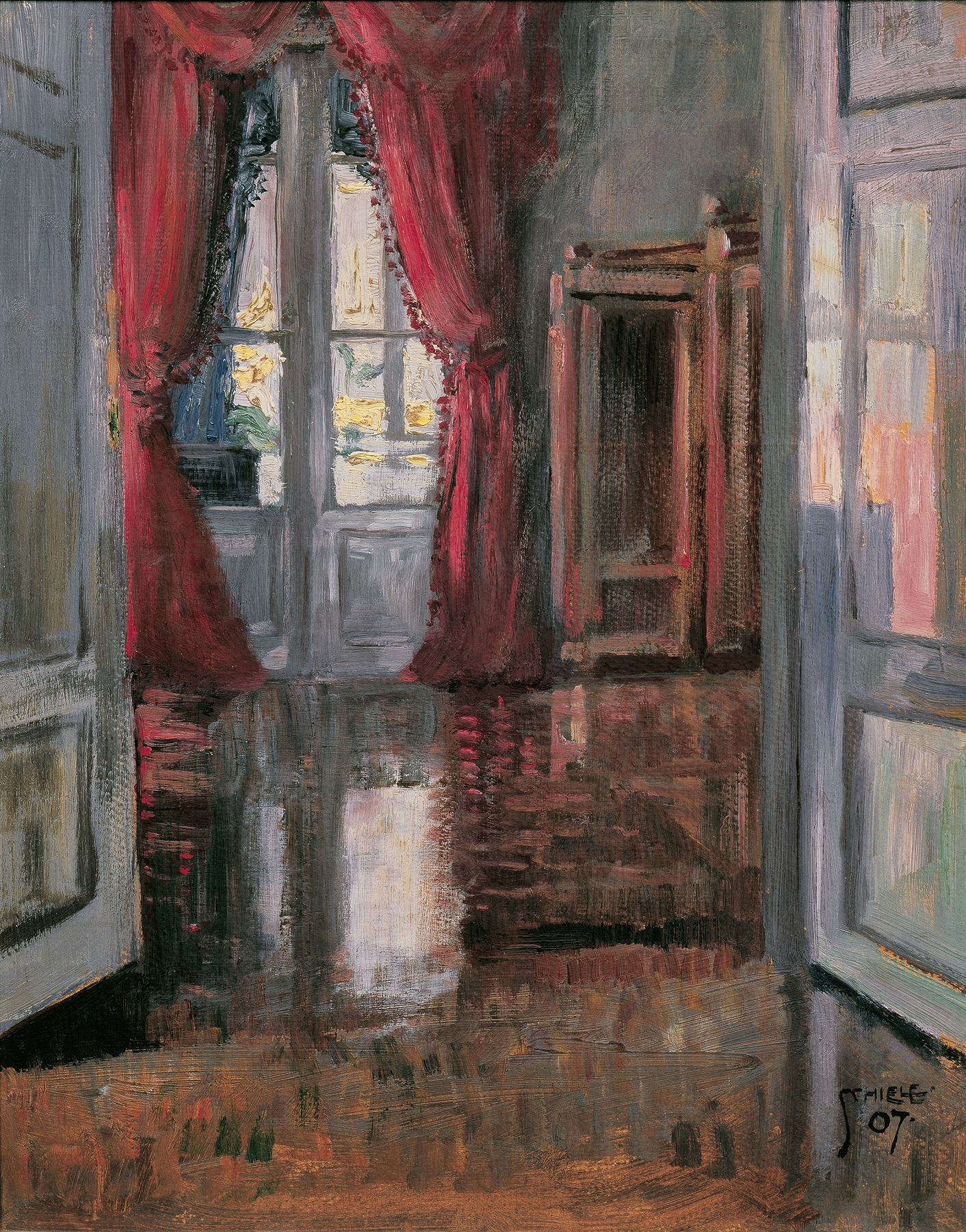
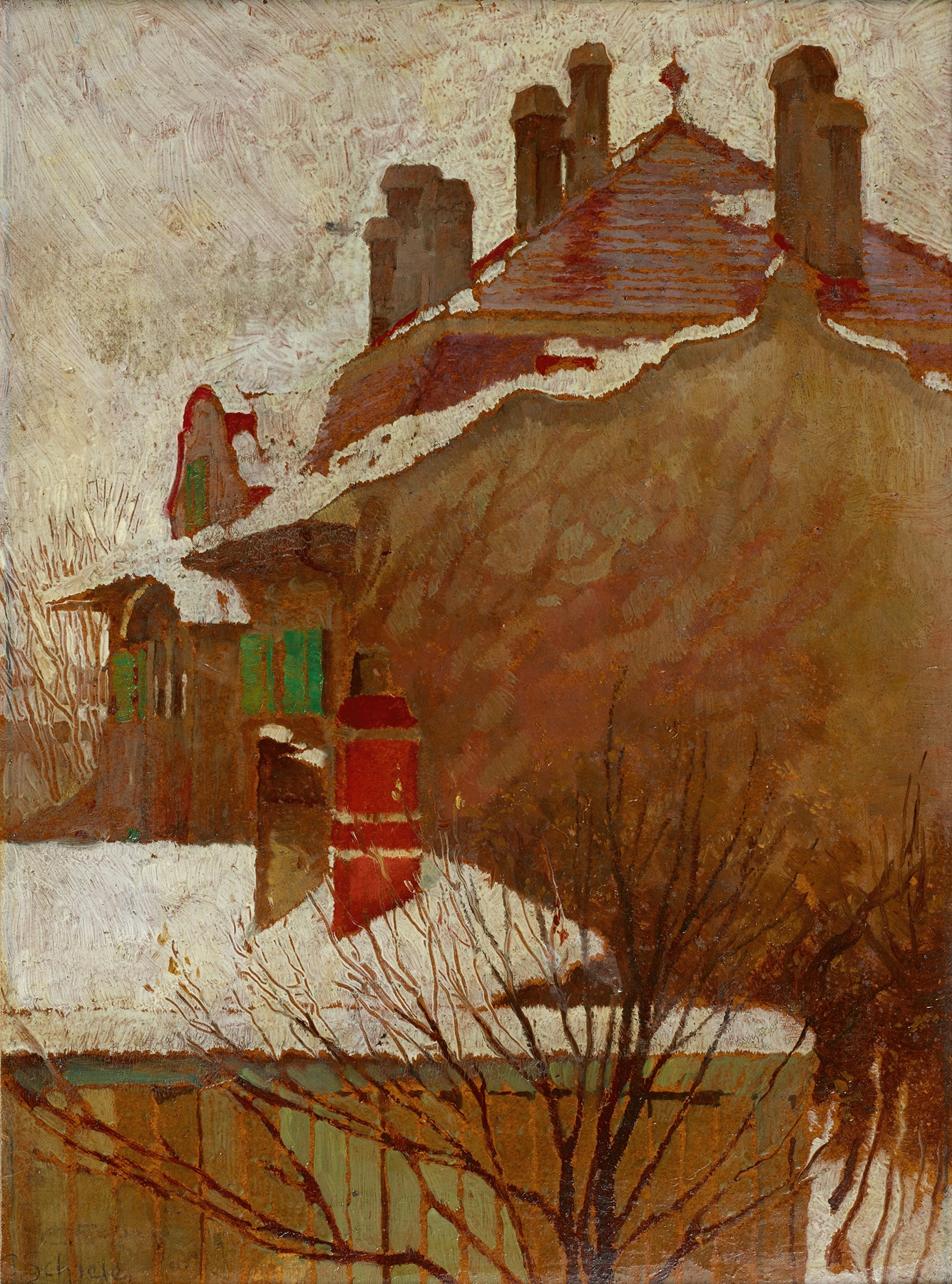
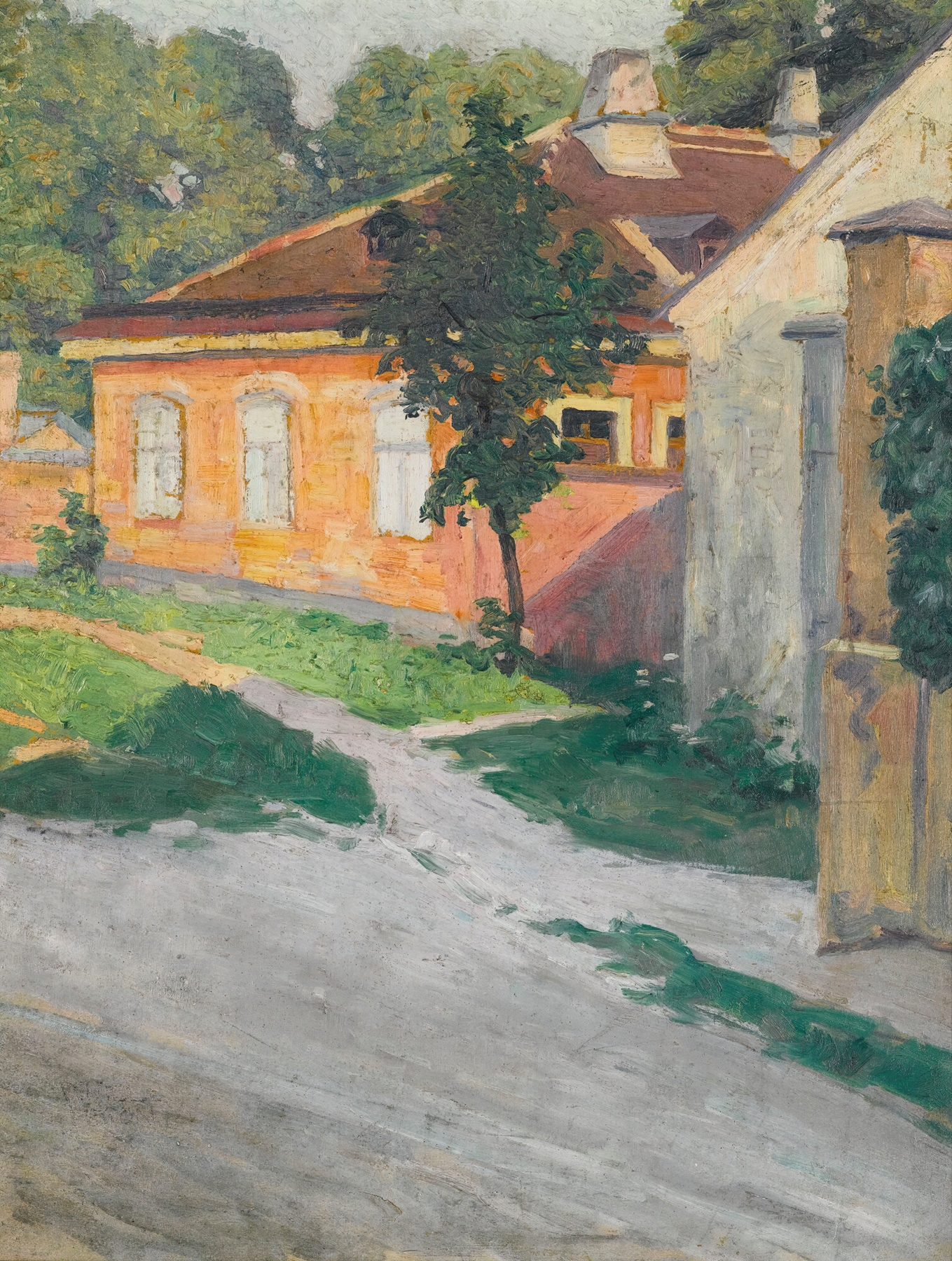
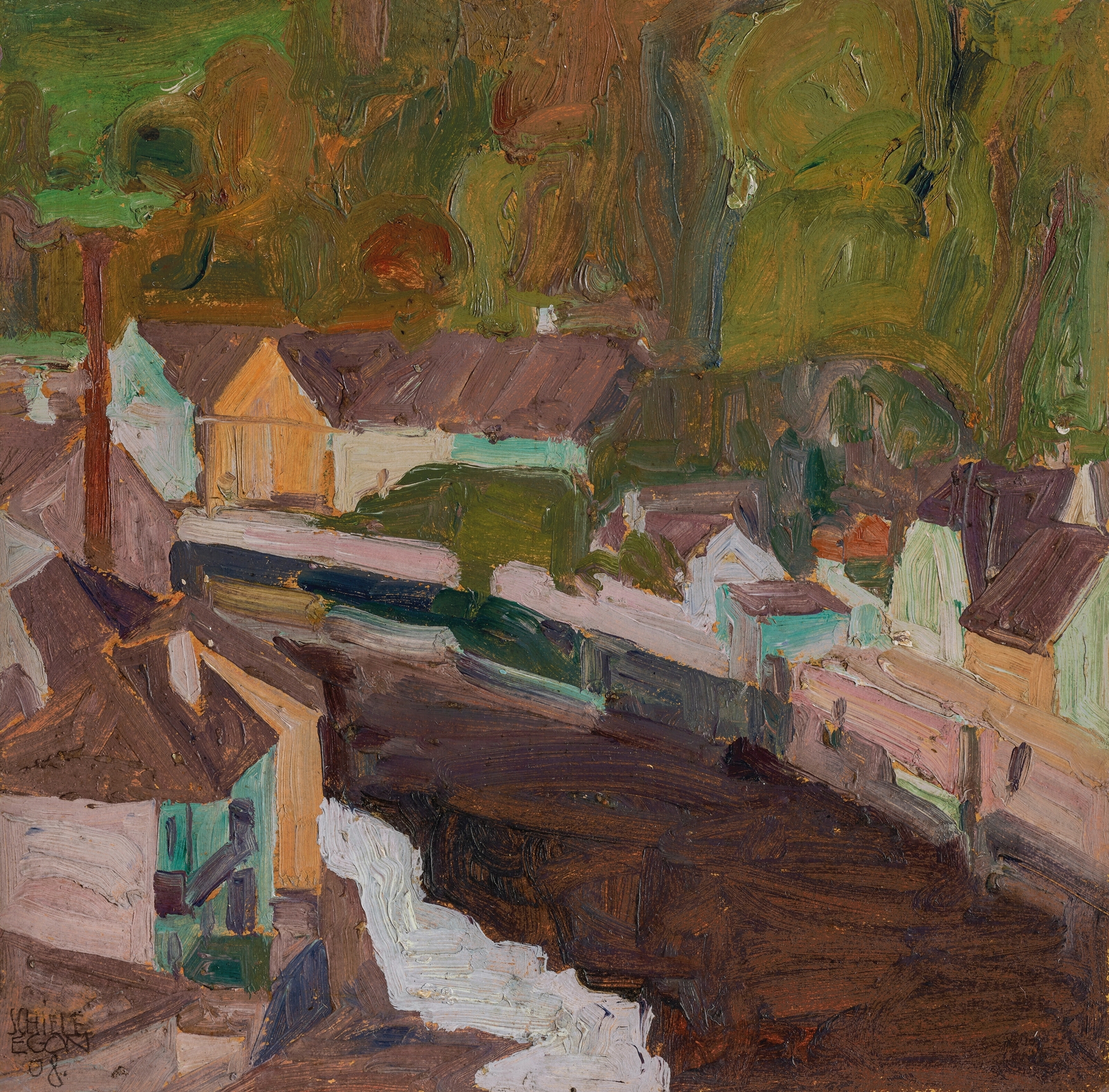
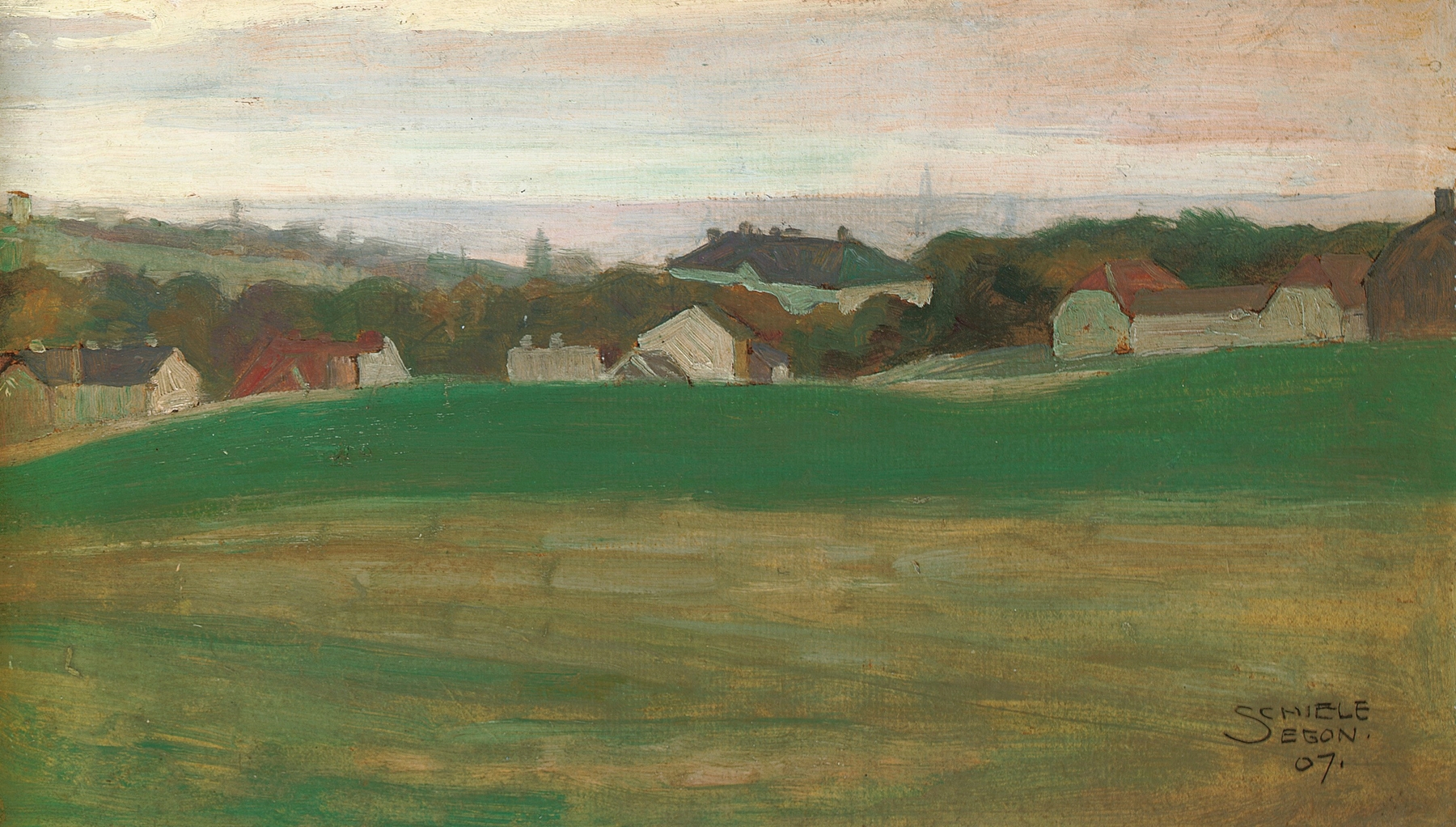
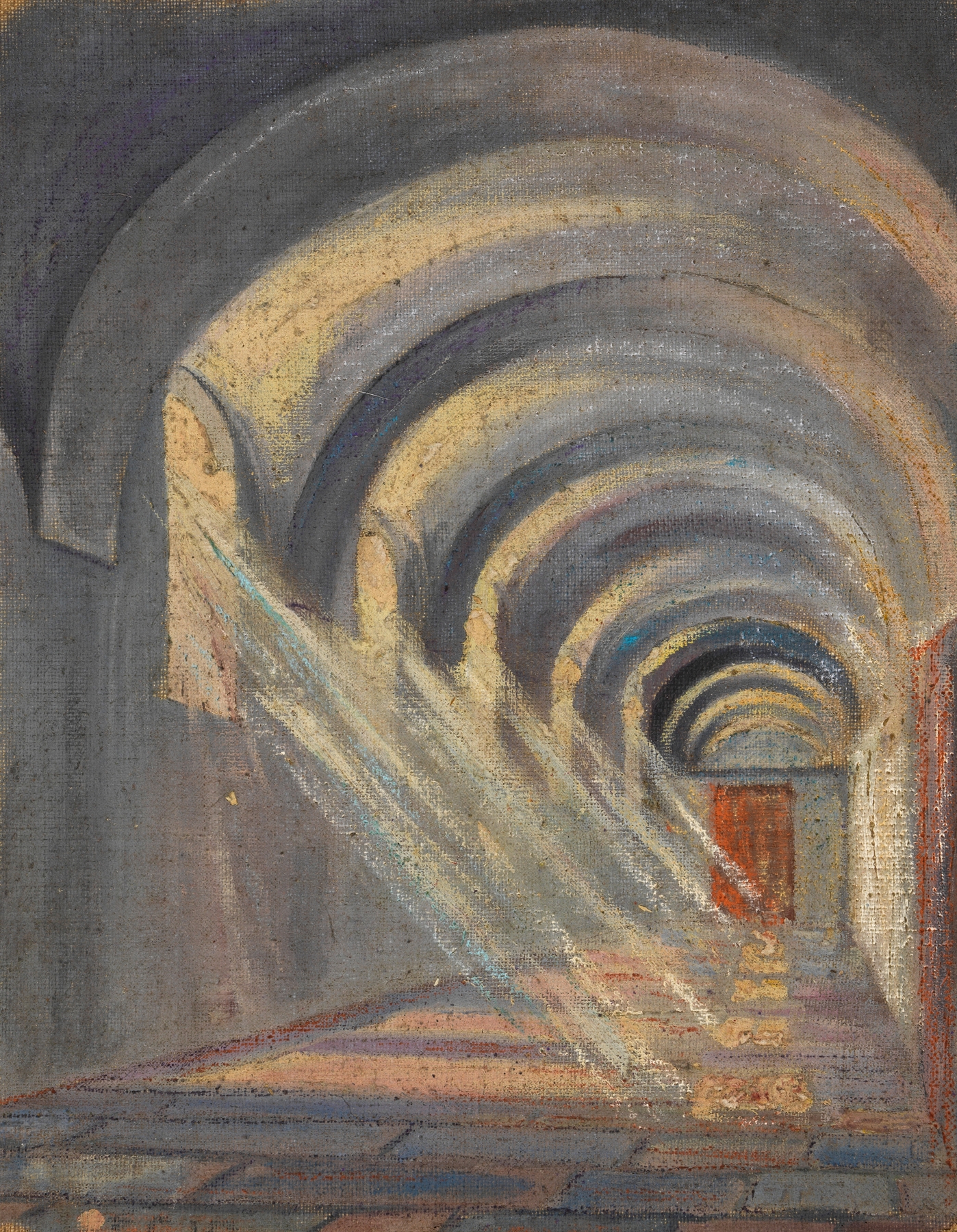
“Between color and silence, truth hides.” The interplay of light and shadow in Kreuzgang mit einfallendem Sonnenlicht evokes a dreamlike quality, where reality and imagination intertwine. Look to the left at the vibrant play of sunlight filtering through the arches, casting delicate patterns on the stone floor. Notice how Schiele’s choice of muted earth tones contrasts sharply with the vivid yellows and oranges of the sunlit areas, creating a sense of warmth amid the coolness of the cloister. The deliberate brushwork, each stroke a whisper of movement, guides your gaze through the tranquil space, inviting you into a moment frozen in time.
Yet, it’s the subtle tension that breathes life into this scene. The shadows loom heavily, reminding us of the weight of history and solitude that cloisters hold. The light, almost ethereal, dances on the walls, suggesting fleeting moments of clarity within the confines of silence, hinting at secrets yet to be revealed. The juxtaposition of brightness and shadow echoes the duality of human experience—serenity intertwined with underlying melancholy.
Egon Schiele painted this work in 1912 during a period of intense personal reflection and expression. Living in Klosterneuburg, he was deeply influenced by the cultural shifts of Vienna, which was transforming under modernist ideals. This painting embodies his exploration of light as a metaphor for spiritual awakening amidst existential questions, capturing a moment where the sacred and the mundane meet.