Ships in a Calm — History & Analysis

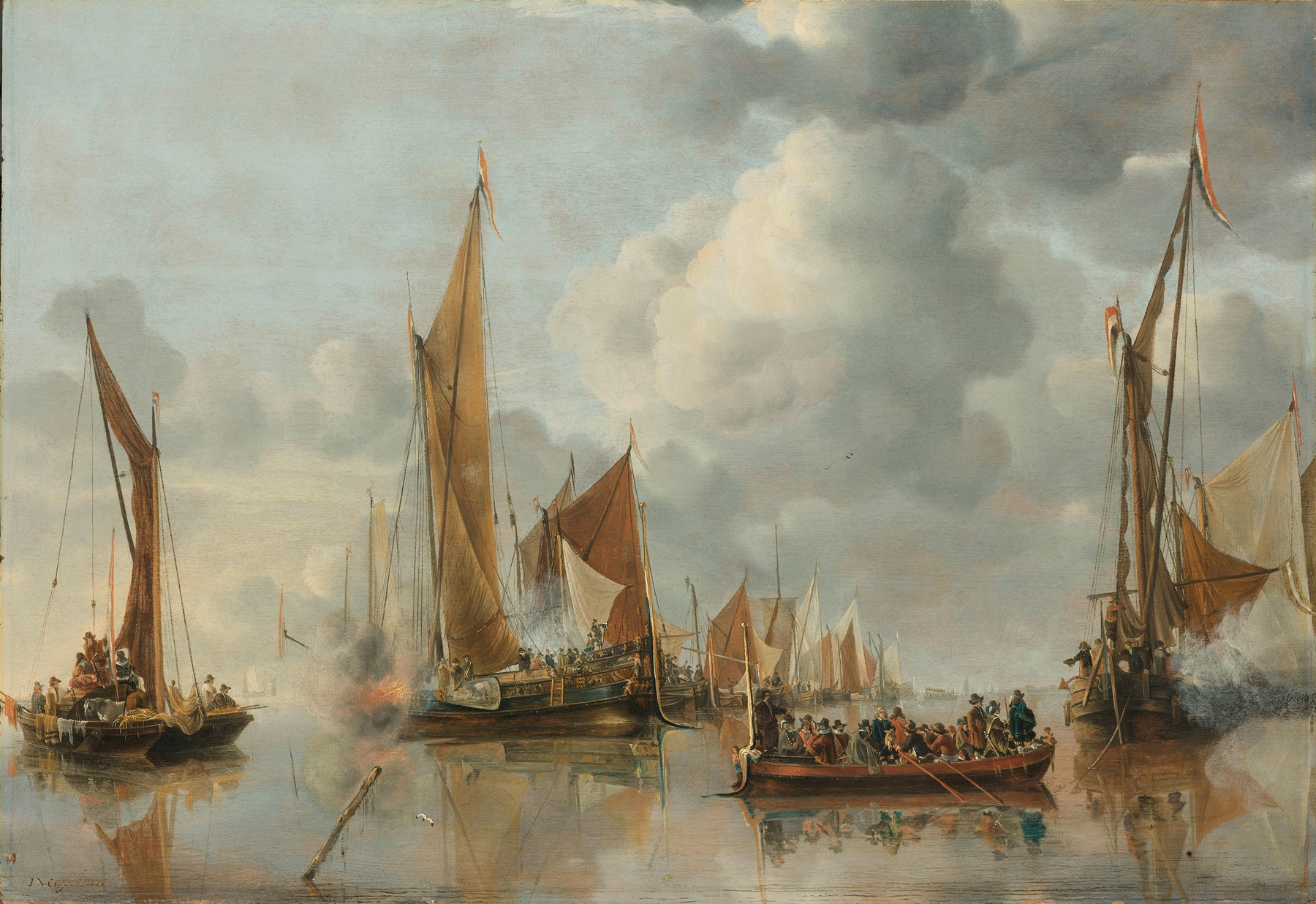
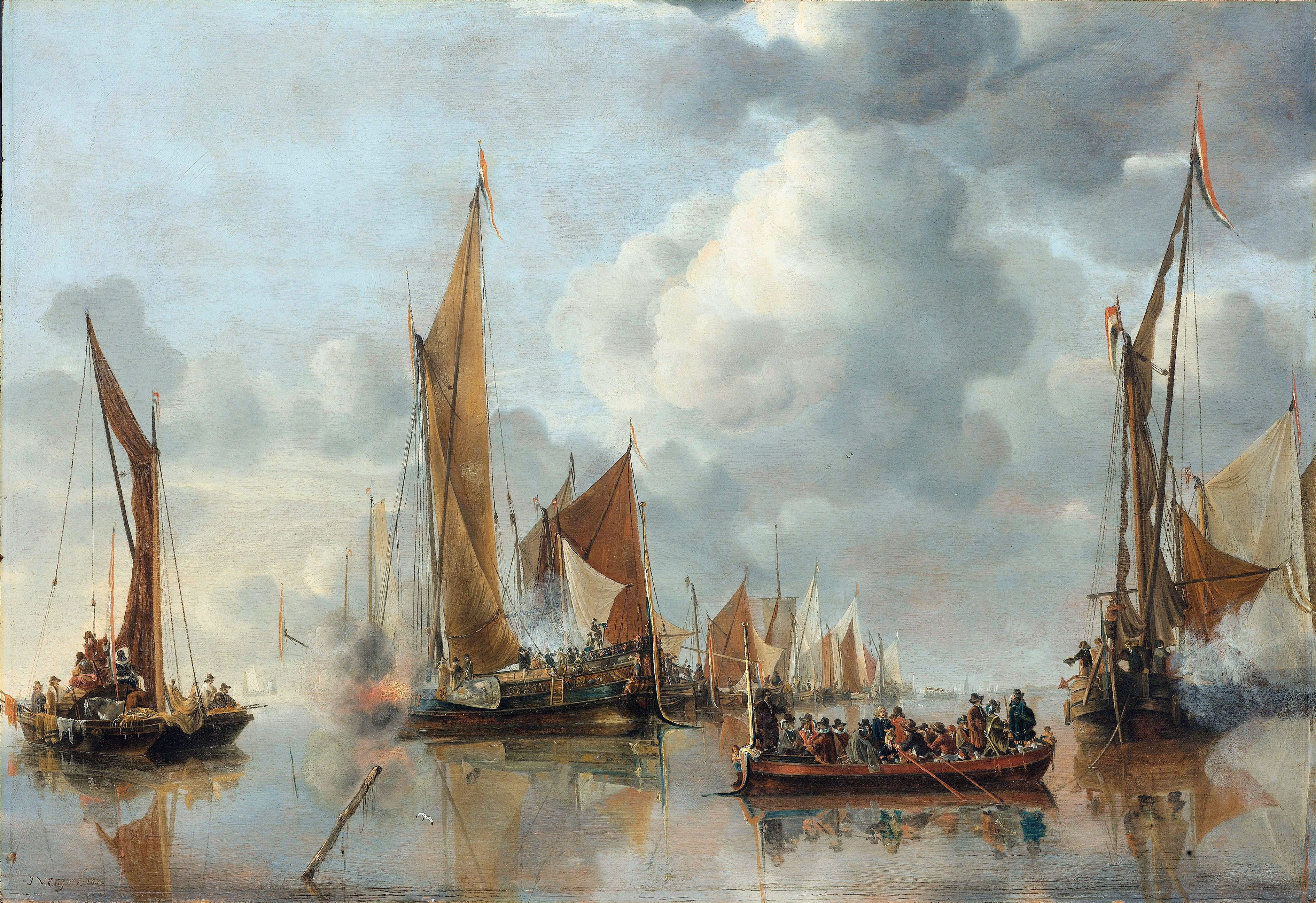
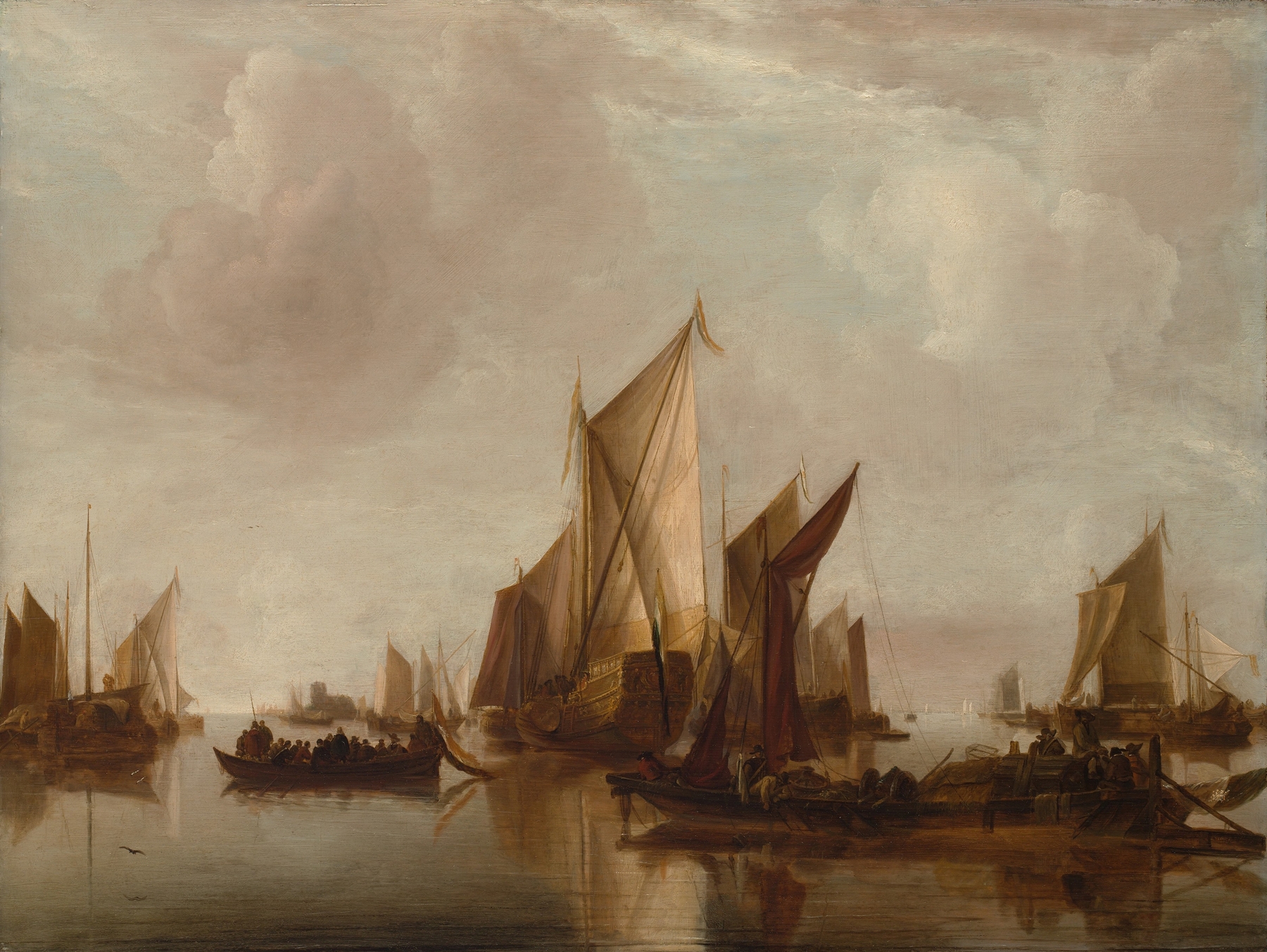
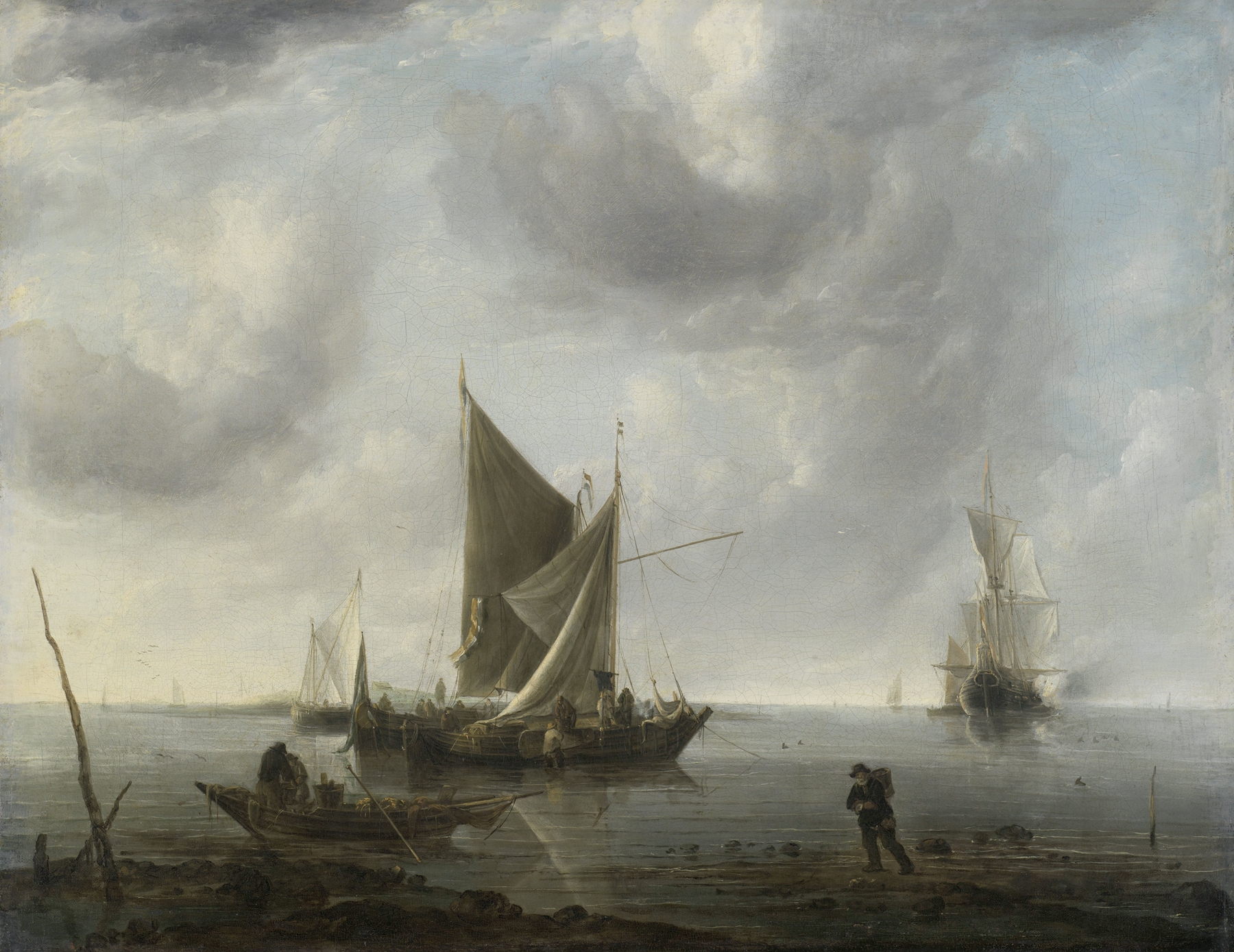
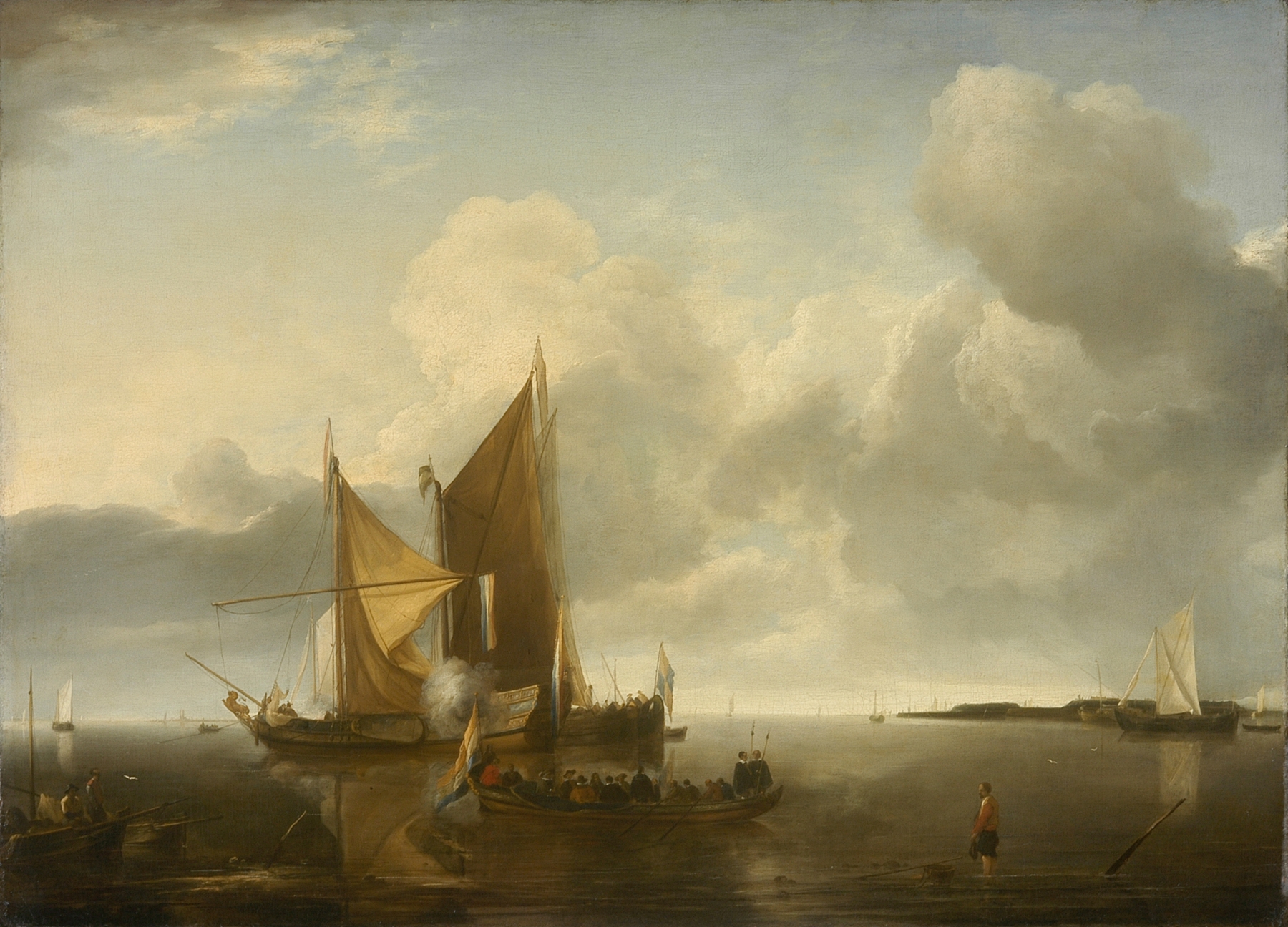
Could beauty survive in a century of chaos? In Jan van de Cappelle's Ships in a Calm, we find a serene harbor, a sanctuary amidst the tumult that often defines human existence. The gentle strokes of color ripple across the canvas, inviting contemplation in a world that might otherwise feel heavy with grief. Focus first on the tranquil waters, where soft waves mirror the sky, creating a seamless harmony between the elements. Notice how the ships, delicately rendered, sit poised in the calm, their sails gracefully unfurling, yet hardly moving.
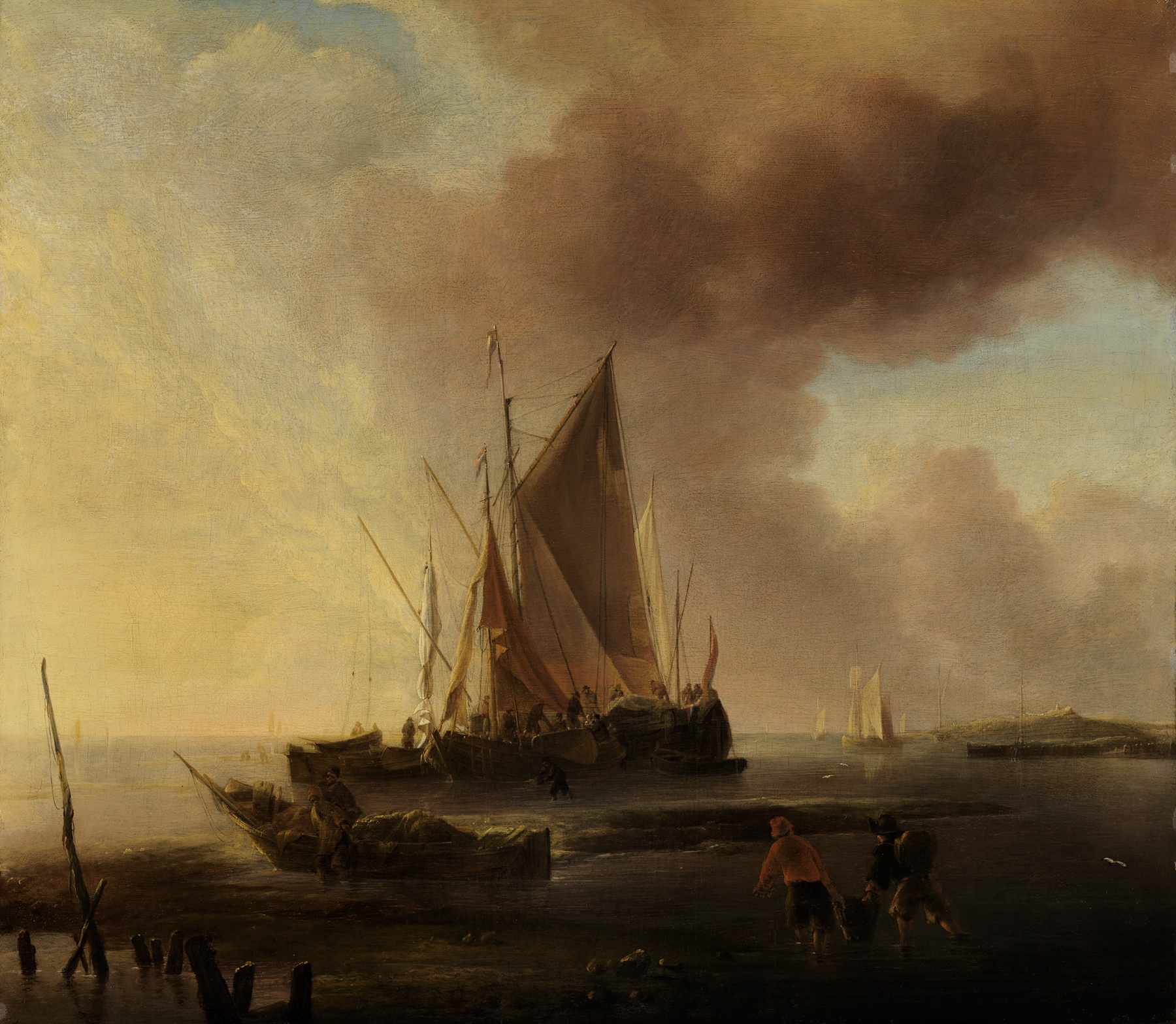
The light falls gently upon the hulls, illuminating the exquisite details, while the muted palette conveys a sense of peace amid the backdrop of a darkening horizon. Yet, within this serene tableau lies an undercurrent of unease. The stillness suggests an impending change, perhaps a reminder of the storms that lie beyond the frame. The juxtaposition of the calm waters against the looming clouds hints at the balance between tranquility and turmoil, evoking feelings of nostalgia and loss.
Each ship, though anchored, seems to carry the weight of stories untold, echoing the grief of a world caught between beauty and chaos. Created between 1650 and 1655, this work reflects a pivotal time in van de Cappelle's life, as he established himself in the Dutch Golden Age. Amidst the flourishing of maritime trade and art, he captured not just the vessels but the very essence of existence during an era marked by unprecedented prosperity and deep societal conflicts. The painting serves as a poignant reminder of the fragile beauty that persists, even in the face of inevitable change.