Fishing Boats in a Calm — History & Analysis

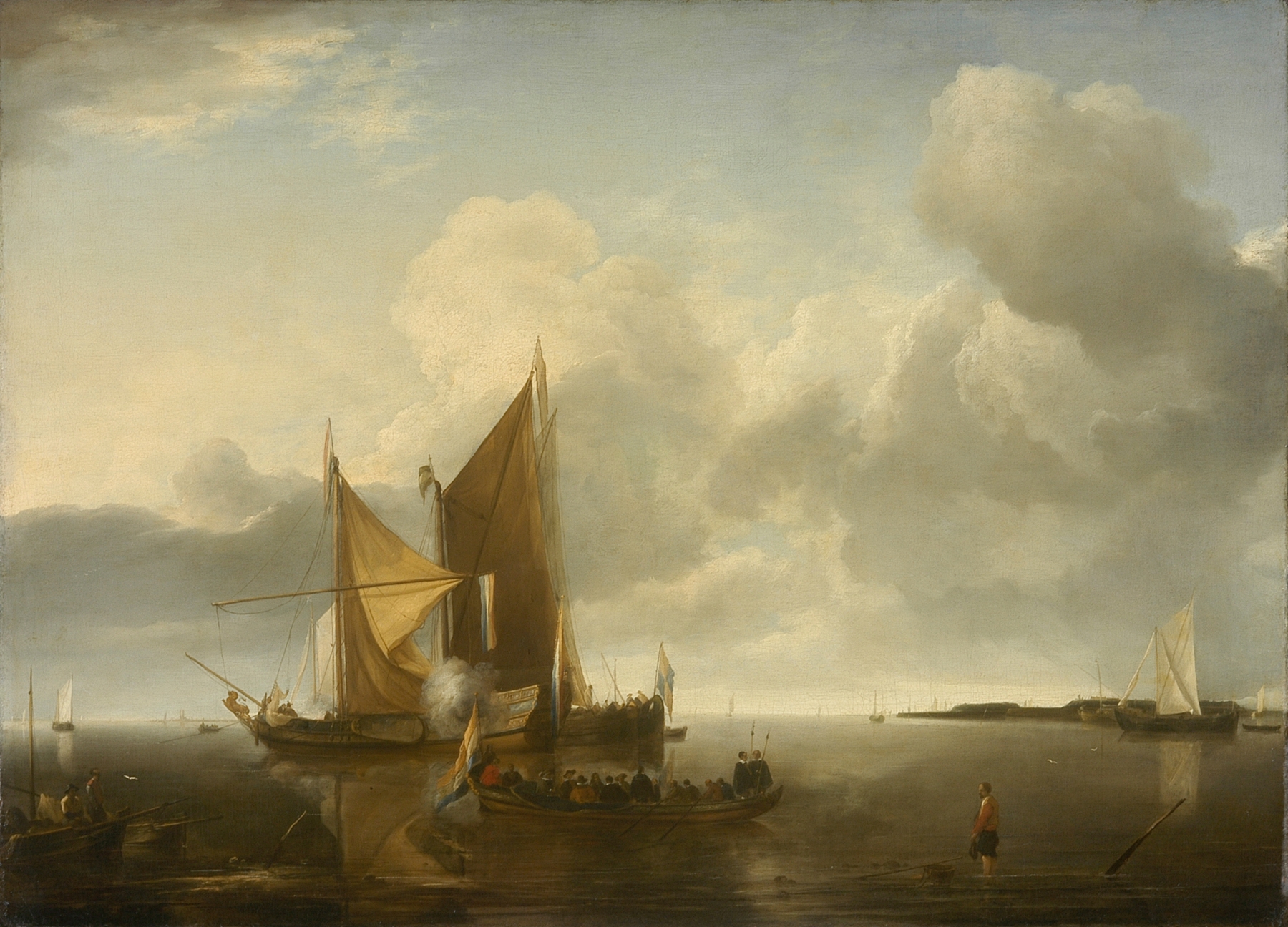
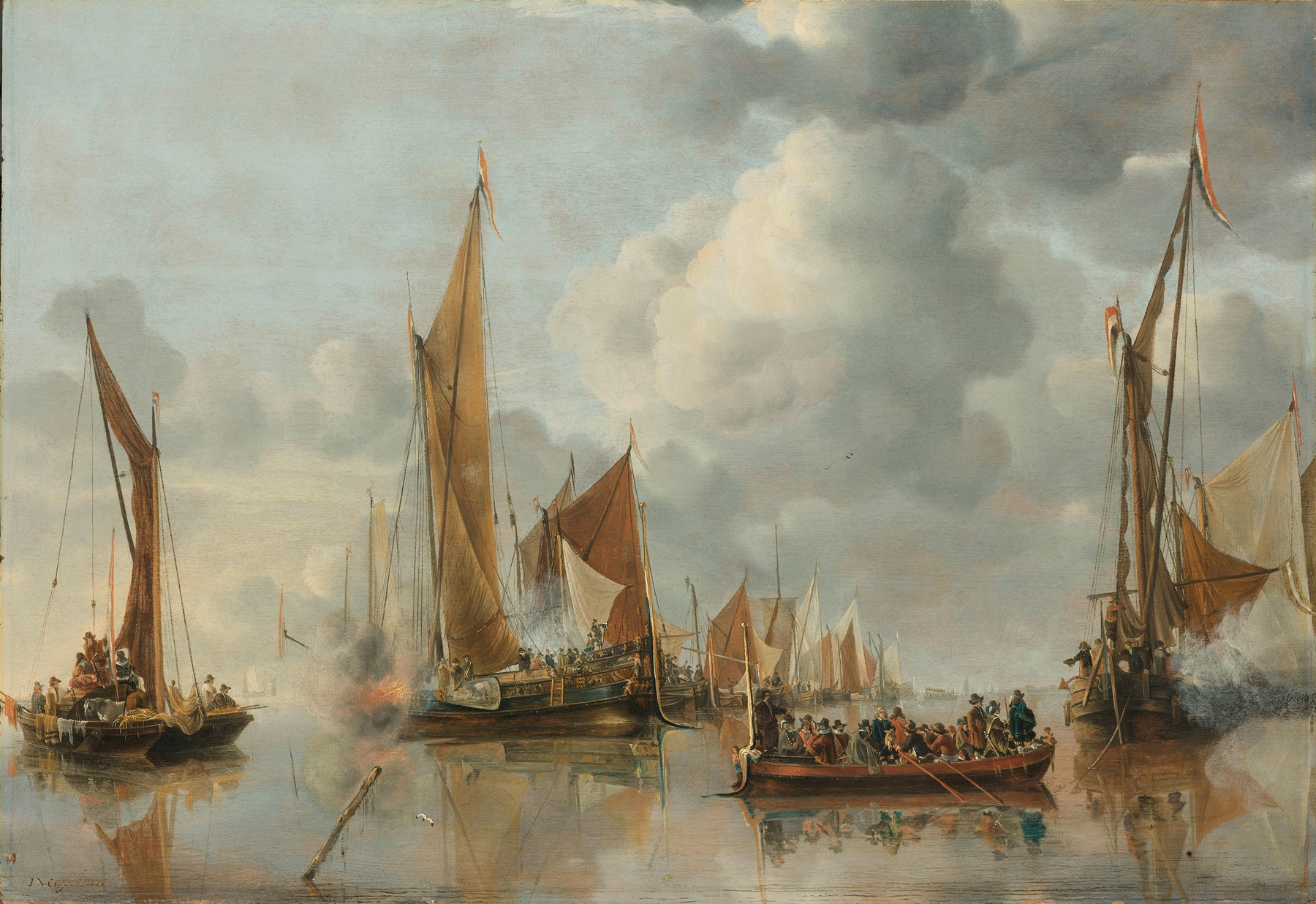
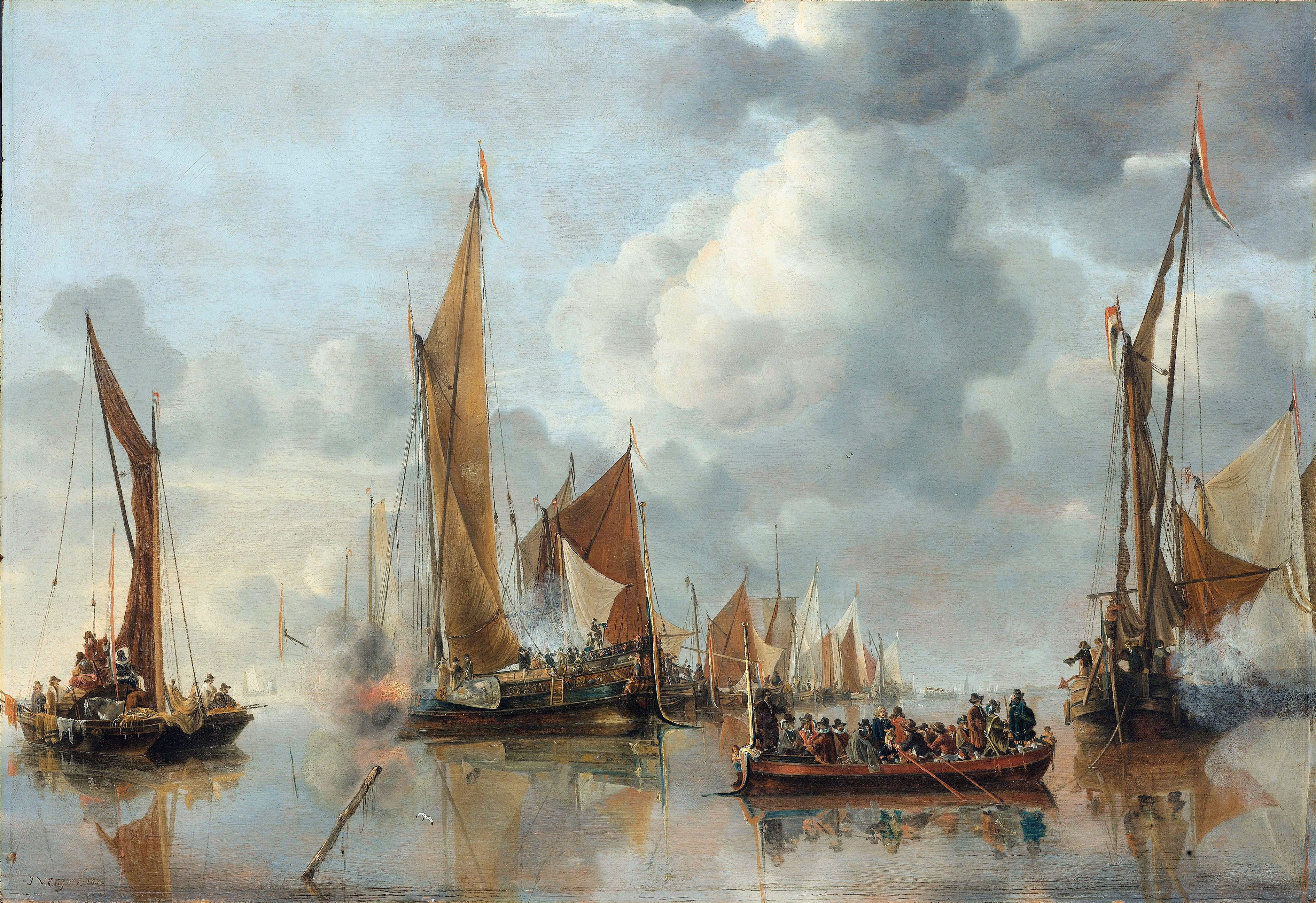
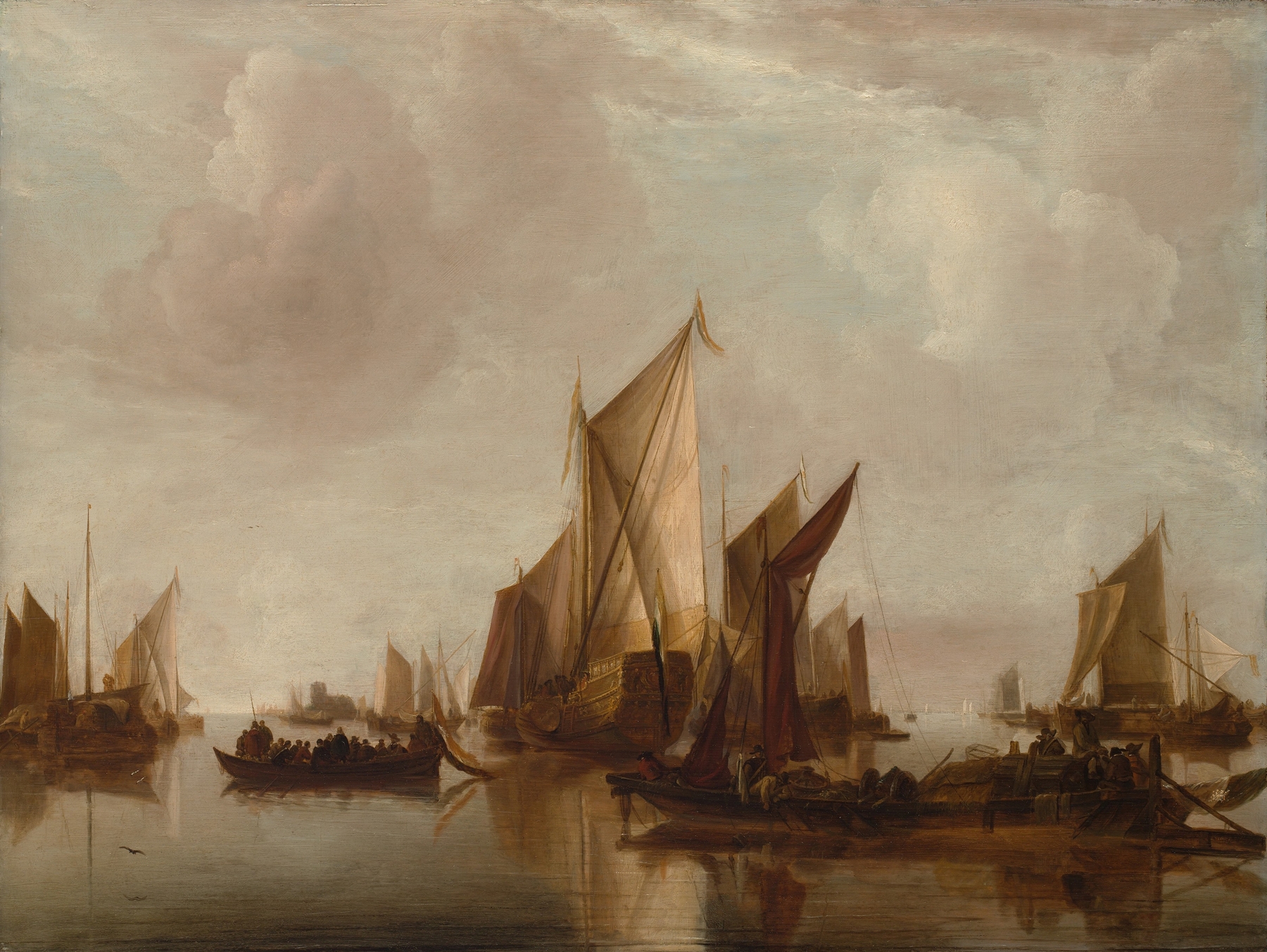
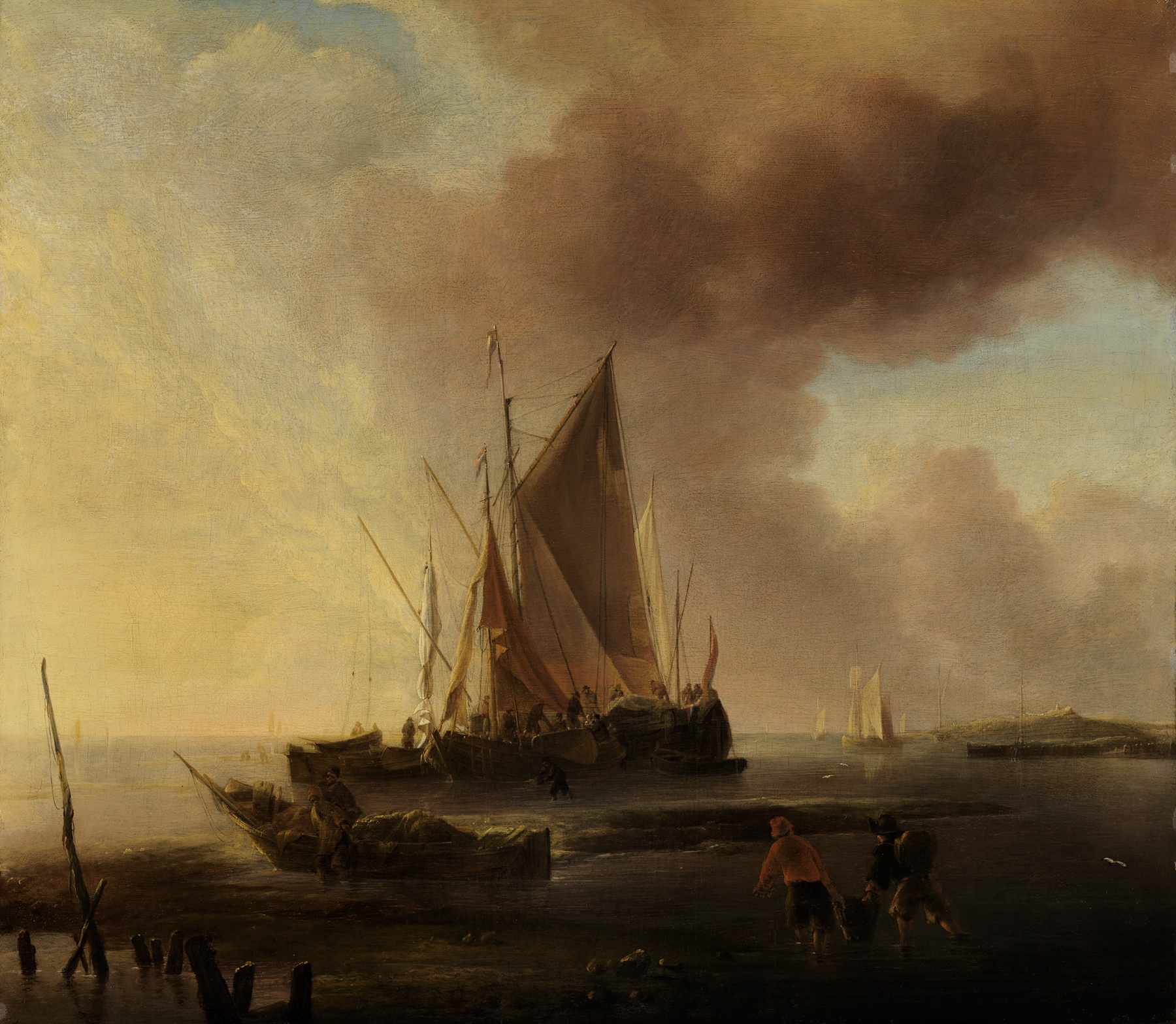
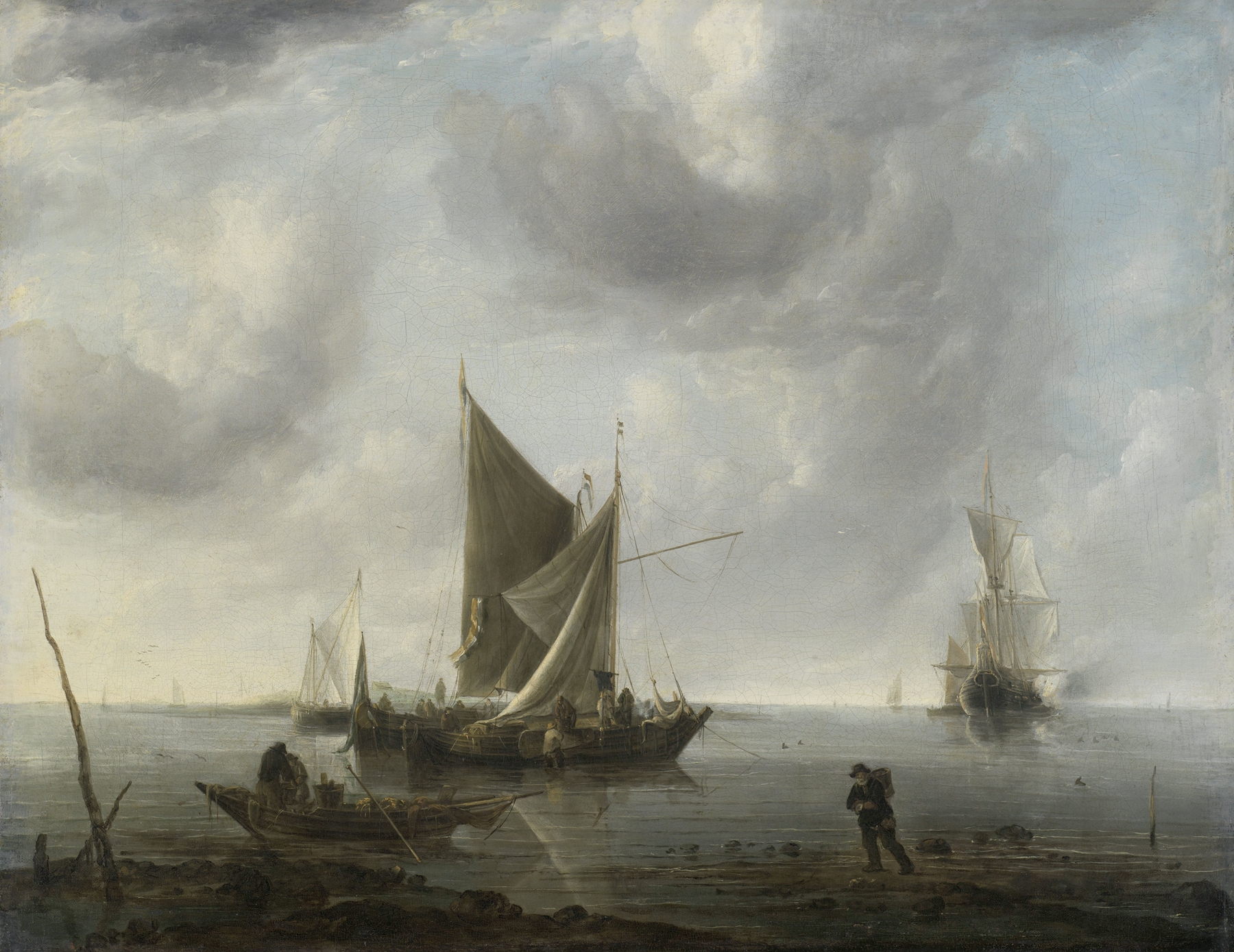
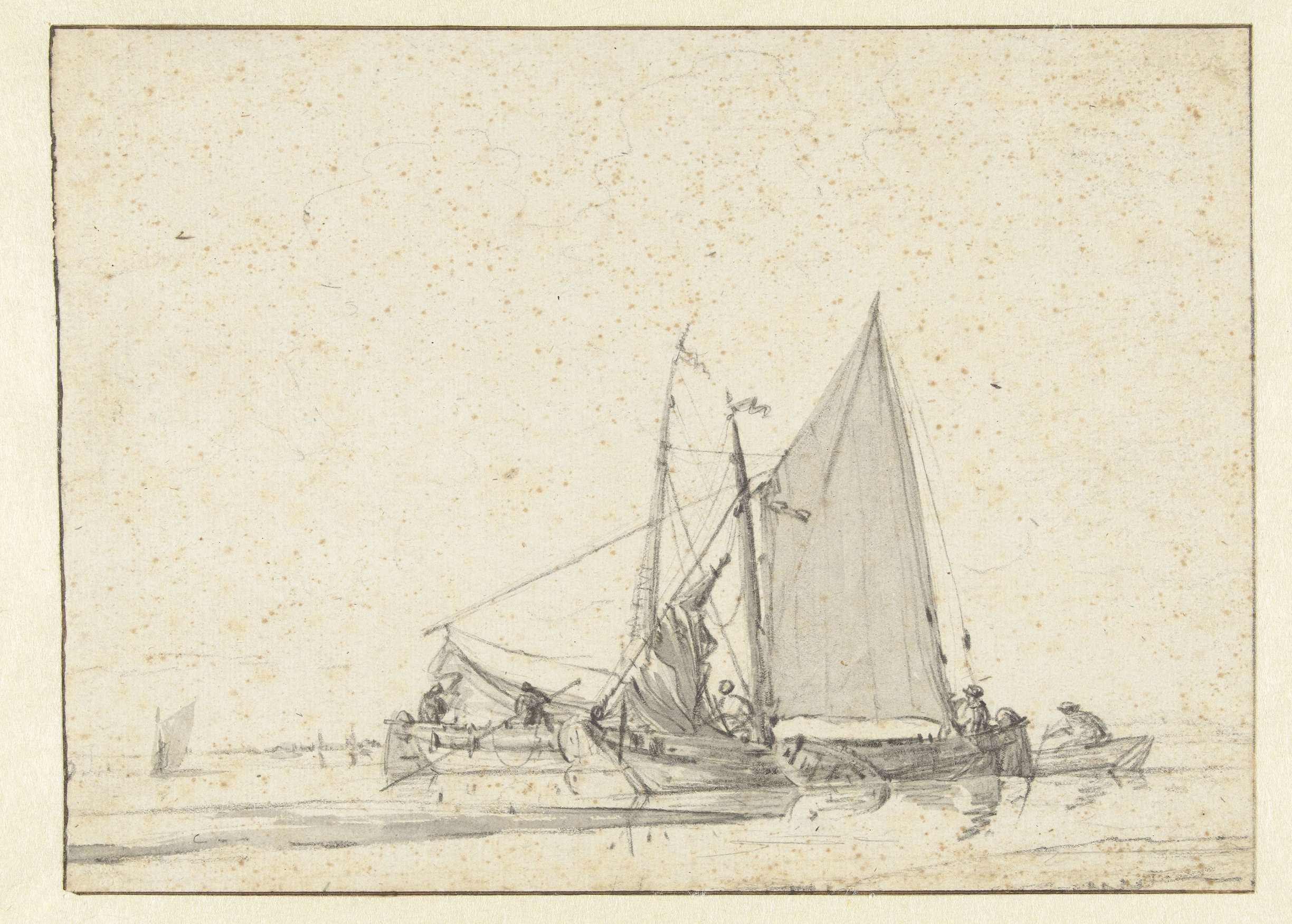
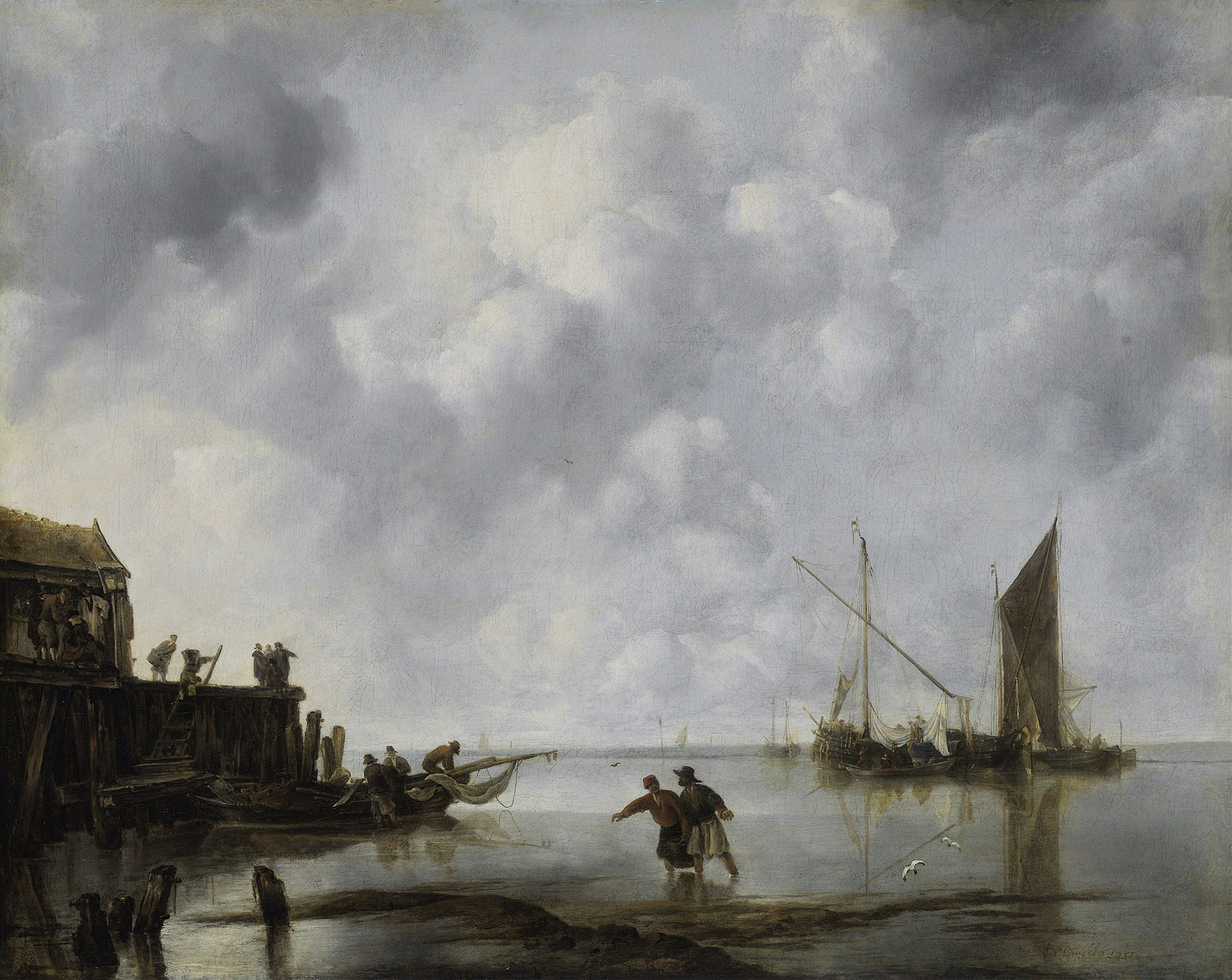
“The canvas doesn’t lie — it simply waits.” In its stillness, it holds the weight of what has been lost, echoing the quiet longing for moments now confined to memory. Look to the foreground, where a pair of fishing boats gently bob on the placid water, their sails furled as if in resignation. The muted palette of deep blues and grays suggests an overcast sky, casting a soft, diffused light that envelops the scene. Notice how the brushstrokes capture the rippling surface of the sea, reflecting the boats and their environment, creating a harmonious yet melancholic interplay between nature and human endeavor.
Delve deeper into the painting's emotional layers, where subtle contrasts abound. The calmness of the water belies the inherent struggle of the fishermen; their livelihood hangs in the balance beneath the serene exterior. Look closely at the distant horizon, where the fog blurs the line between sea and sky, symbolizing uncertainty and the unknown futures of those who rely on the ocean's bounty. Each detail, from the quiet boats to the impenetrable mist, speaks of a profound connection to loss and the ephemeral nature of life.
In 1651, Jan van de Cappelle created this piece amidst a burgeoning Dutch Golden Age, a time when maritime trade flourished, yet the impact of war and economic shifts loomed large. Living in Amsterdam, van de Cappelle was influenced by the changing tides of his society, reflecting both the triumphs and the dispossessions of the time. His art captures a moment of peace, yet hints at the fragility that underlies existence, making it both timeless and deeply resonant.