The Home Fleet Saluting the State Barge — History & Analysis

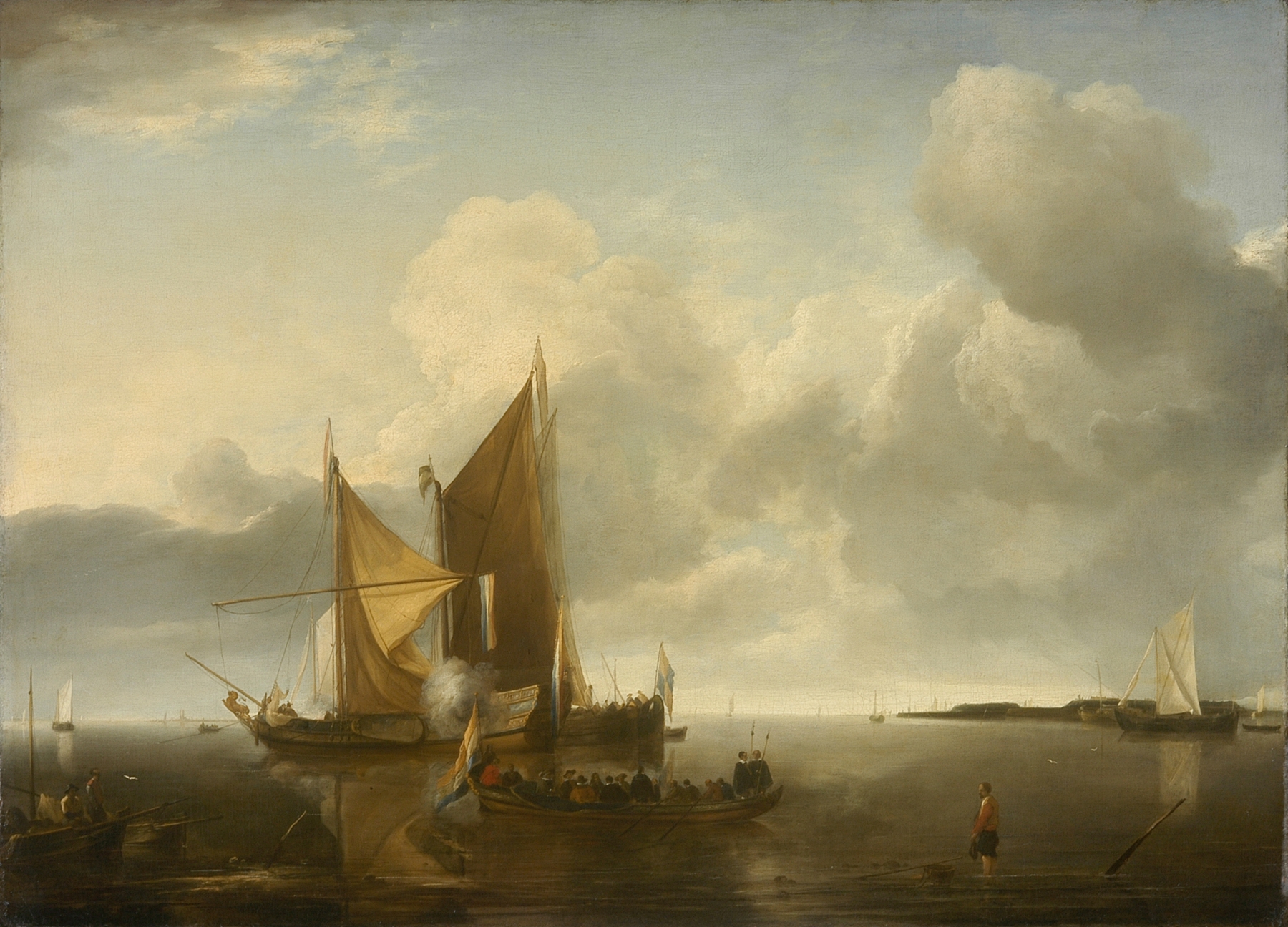
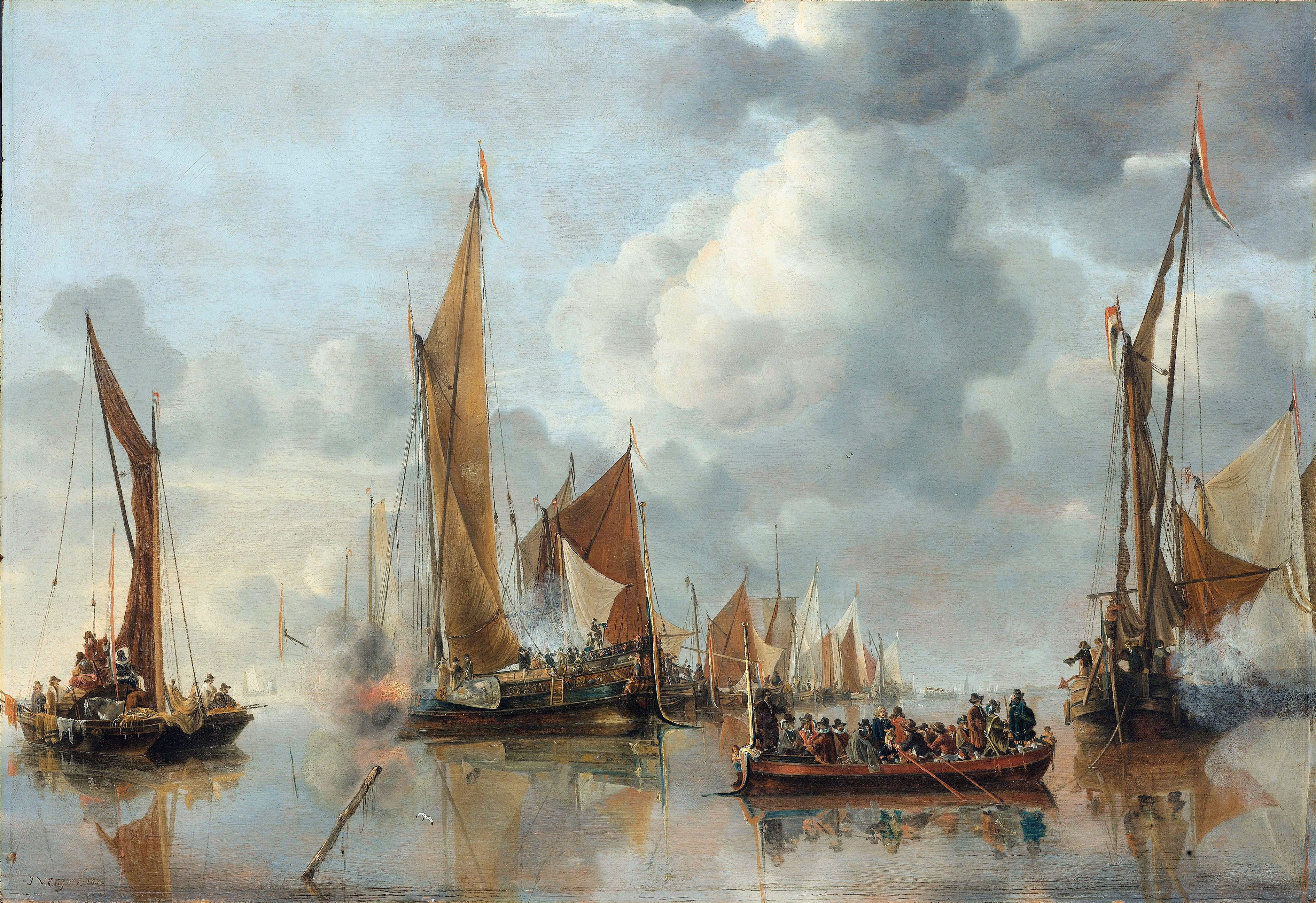
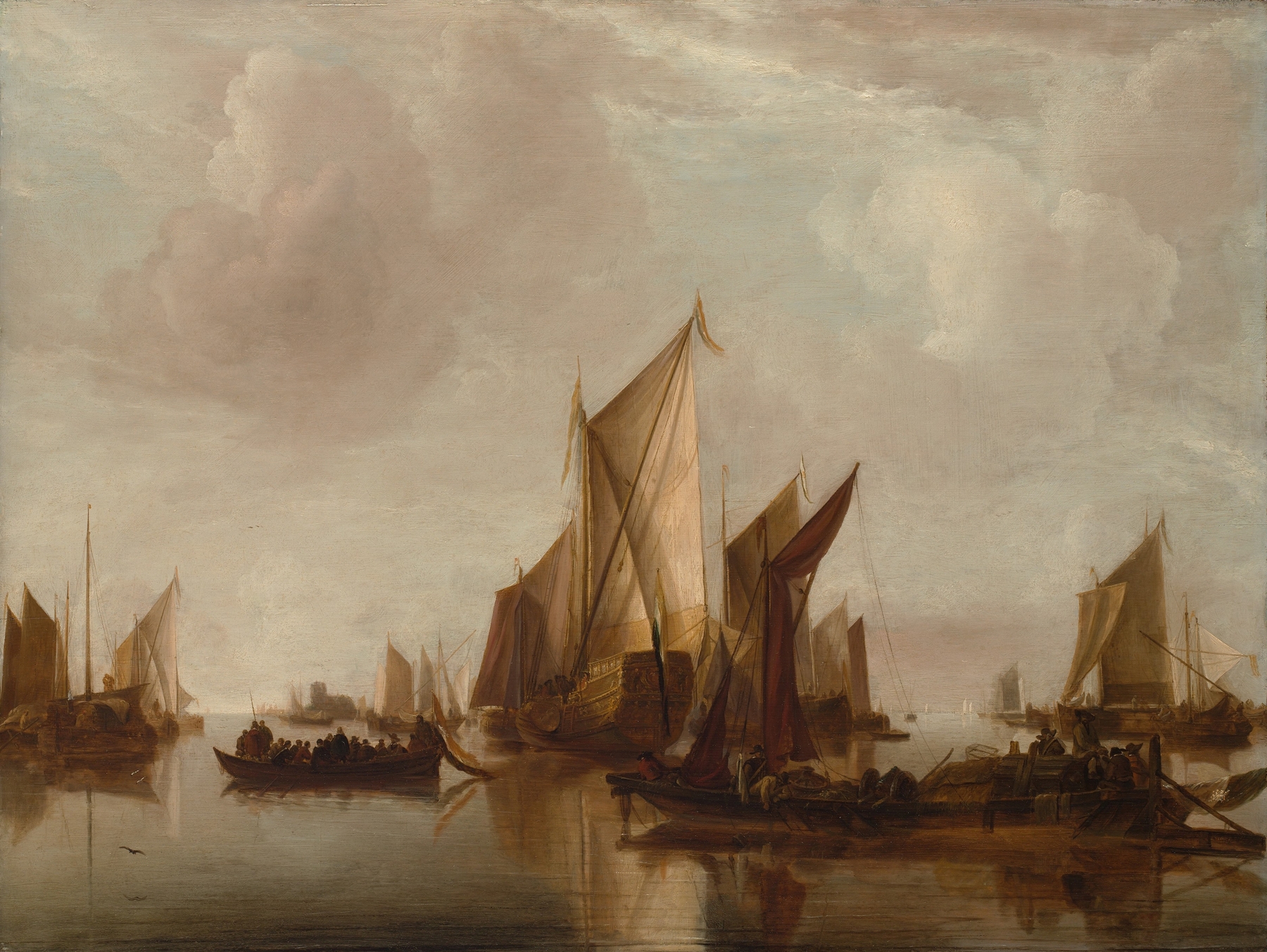
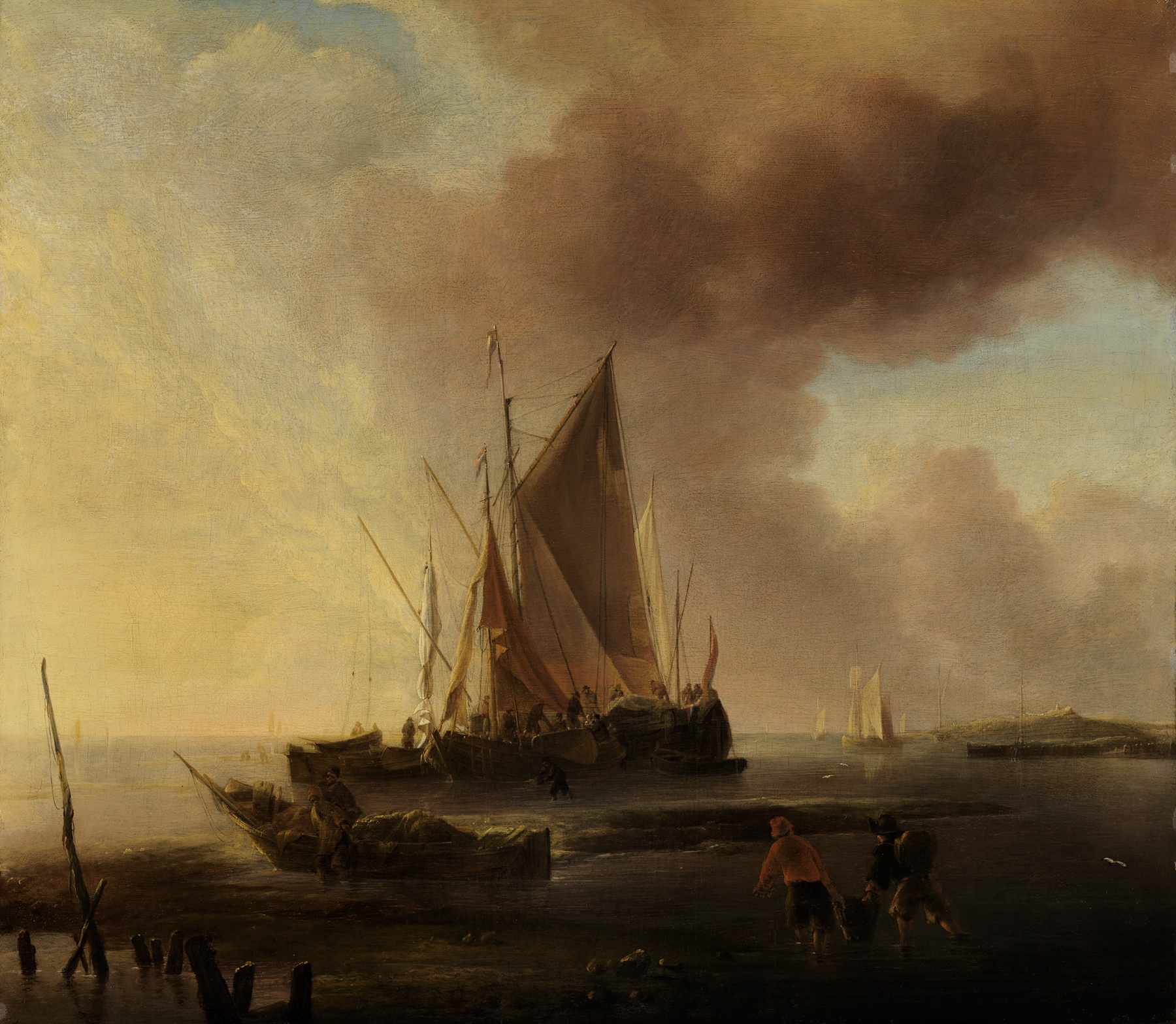
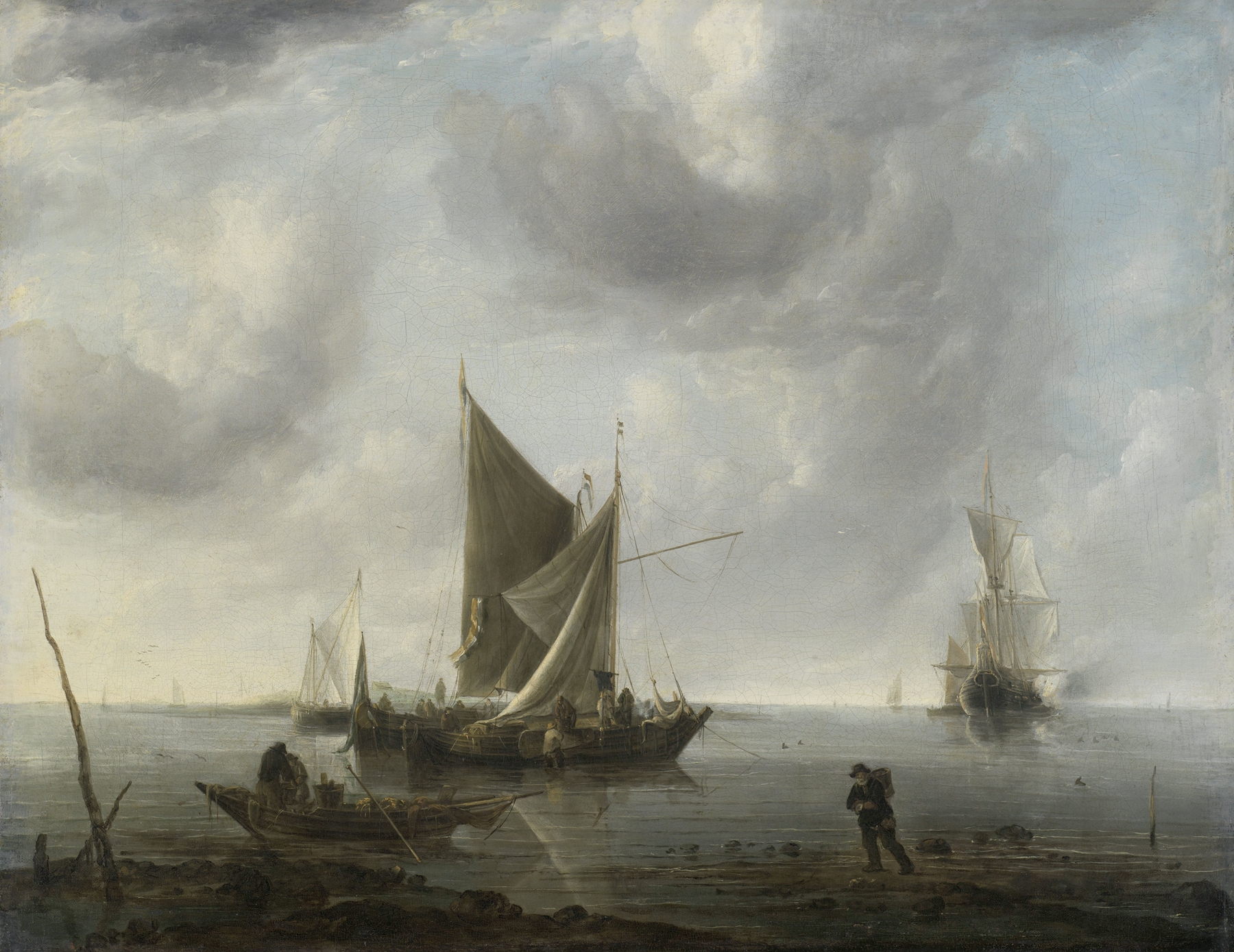
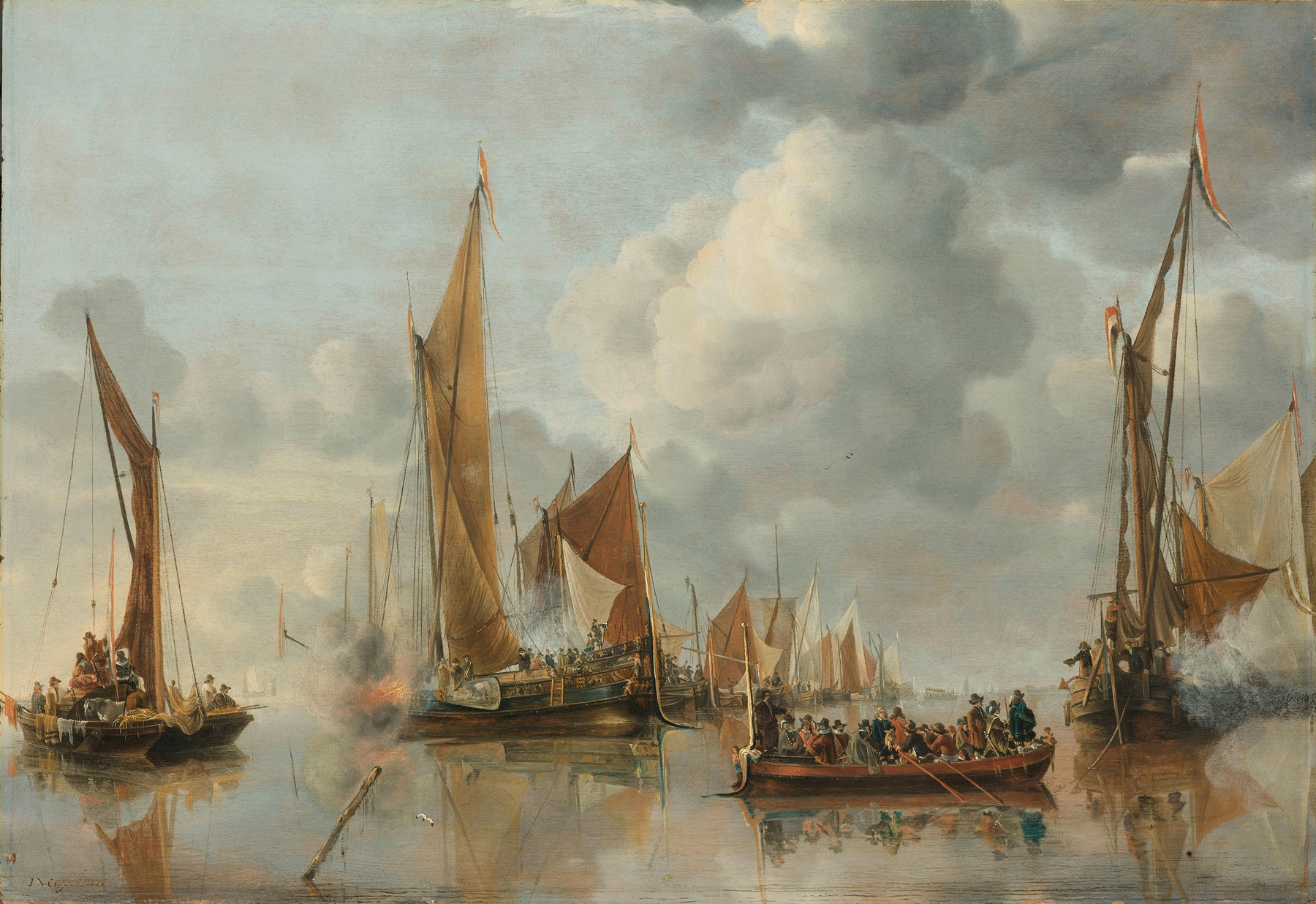
“The canvas doesn’t lie — it simply waits.” In the stillness of a moment, transformation unfolds, revealing the depths of both presence and absence. Begin by focusing on the foreground, where an assemblage of ships, some robust and others slender, anchor in a gentle embrace of water. The artist's deft brushwork captures the intricate interplay of light on the surface, reflecting the soft glow of the sun as it casts golden hues upon the sails. The composition leads the eye across the canvas, forming a harmonious rhythm of horizontal lines that speak of calm and order amidst the scene’s regal activity.
As you delve deeper, note the subtle tension between the sturdy home fleet and the delicate state barge gliding forward. Each vessel carries its own story — the home fleet is a symbol of strength and duty, while the state barge embodies the elegance of authority. The viewer senses a juxtaposition between the bustling life aboard the ships and the serene majesty of the water, suggesting an ongoing transformation of power and purpose, both in maritime tradition and the wider societal context of the time.
In 1650, Jan van de Cappelle painted this work during a period of great significance in Dutch maritime history. As the Dutch Republic was solidifying its naval prowess, van de Cappelle found himself immersed in the flourishing world of marine painting. The burgeoning economy and the rise of the merchant class catalyzed this artistic exploration, validating the interplay of commerce and culture in a rapidly changing society.