Single-Master and Frigate Firing Salute on a Calm Sea — History & Analysis
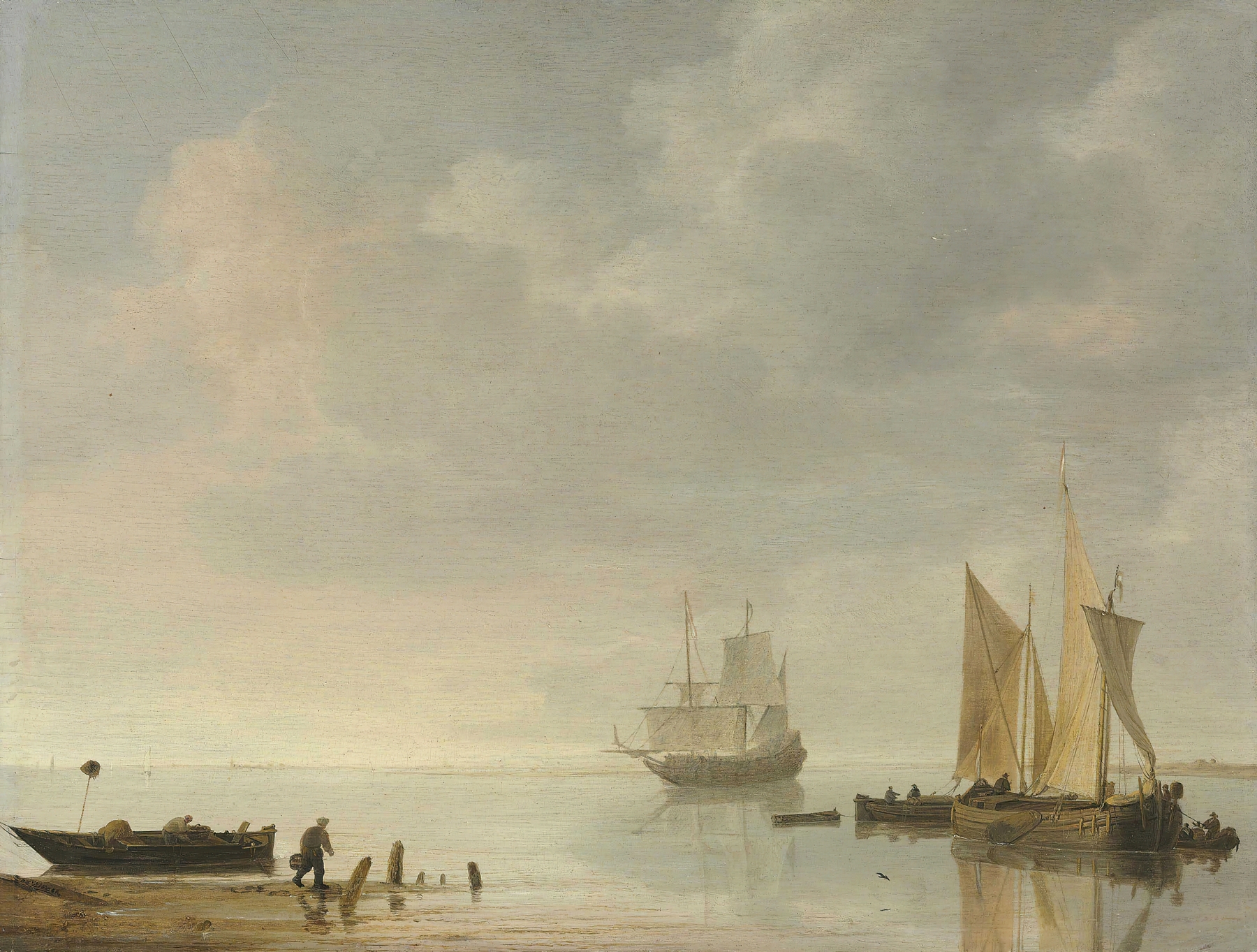
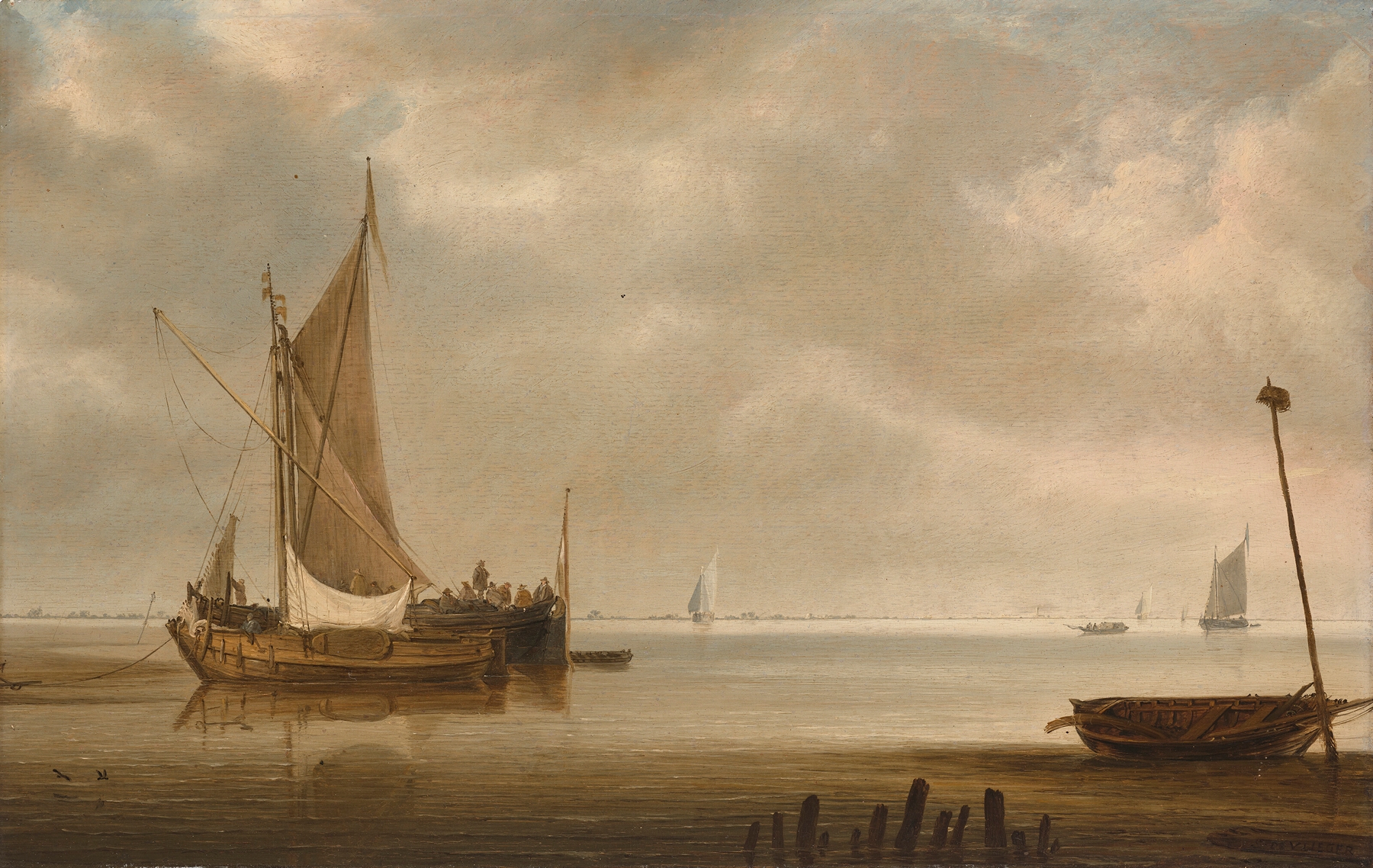
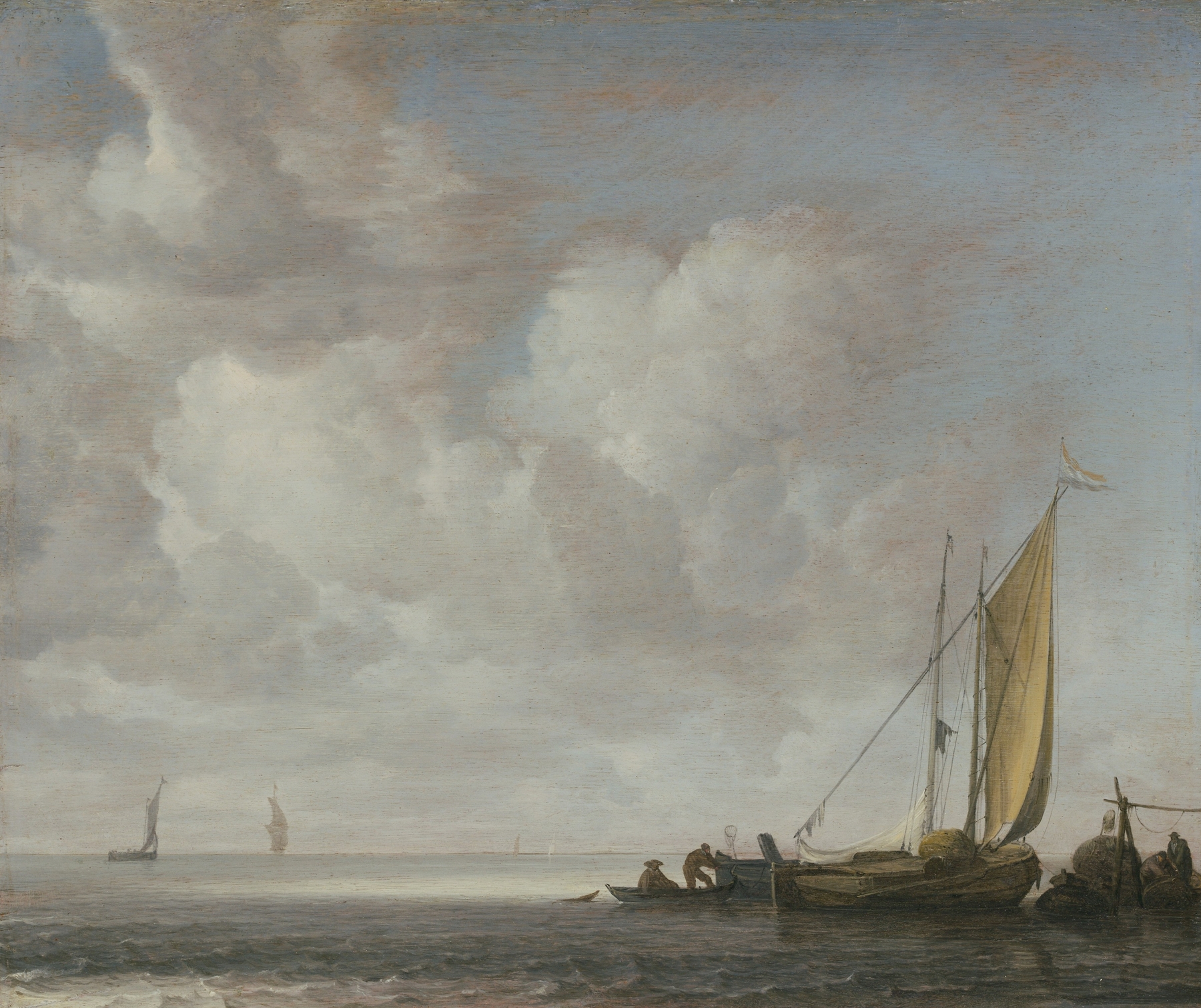
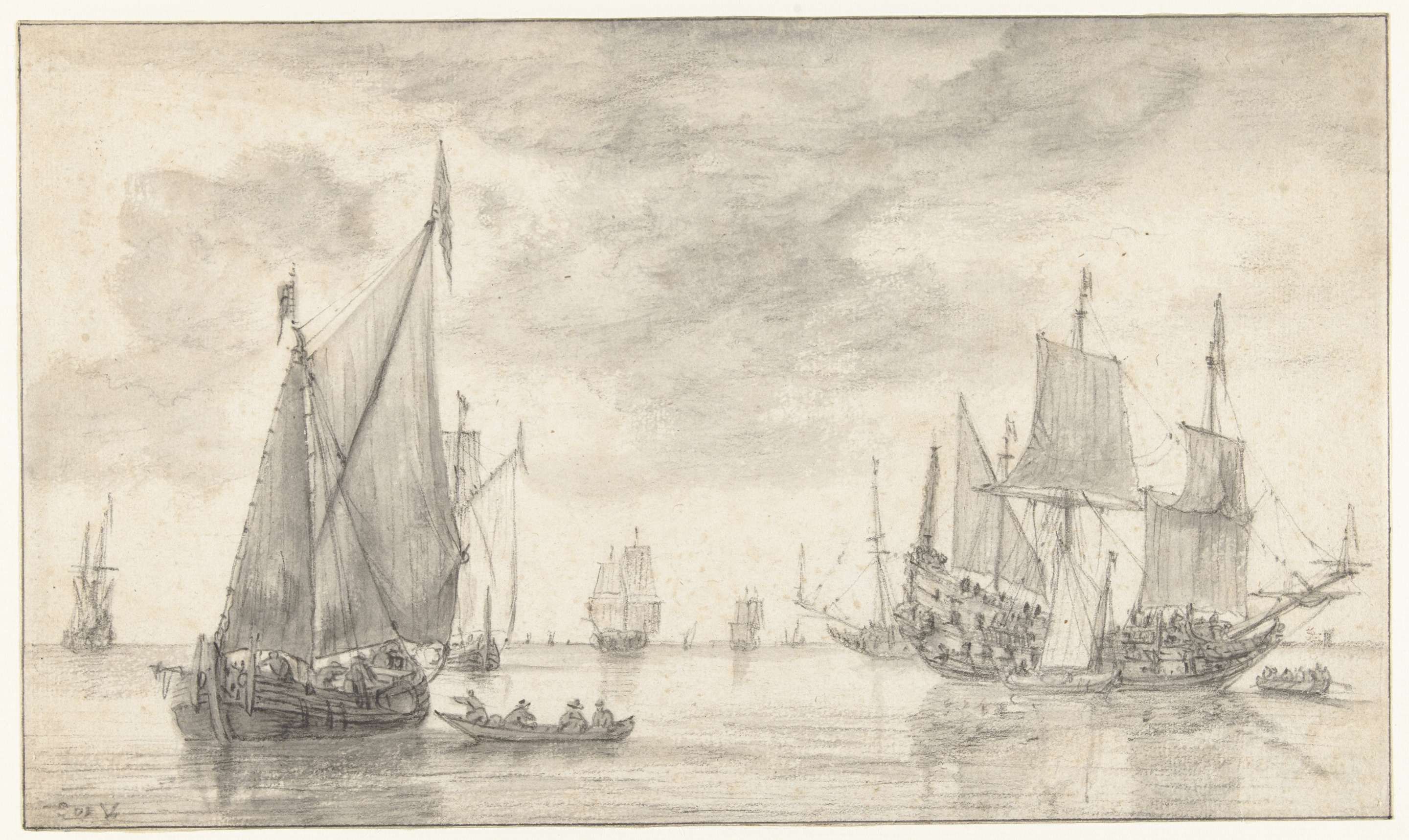
“Between color and silence, truth hides.” In the stillness of the ocean’s embrace, hope lingers like the gentle ripple of water beneath a vast sky. The beauty of a moment captured—a celebration of mastery and maritime prowess—whispers of both joy and the ephemeral nature of life itself. Look to the horizon where the calm sea meets a serene sky, the soft hues of blue and grey seamlessly blending. The single-master ship takes center stage, its sails full and proud, while the frigate stands resolute in the background, raising its cannons in a salute.
The artist’s delicate brushwork and meticulous attention to detail illuminate the intricate rigging and billowing sails, as sunlight dances on the water’s surface, evoking a sense of unity and tranquility. Yet beneath this tranquil facade lies a tension between celebration and the weight of history. The ships, symbols of exploration and conquest, also remind us of the fragile balance between hope and conflict. The silent salute echoes a world caught between grandeur and vulnerability, as the calm sea mirrors both the glory of maritime achievements and the looming specter of challenges at sea.
Created between 1645 and 1648, this work emerges from a time when Simon de Vlieger was deeply entrenched in the Dutch Golden Age of painting. The Netherlands was a maritime superpower, and the artist’s focus on naval themes reflects both national pride and the complex realities of a nation’s expansion. As he navigated this rich artistic landscape, de Vlieger synthesized his passion for the sea with an inherent understanding of its deeper implications, creating artwork that resonates across time.