A beach scene with fishermen displaying their catch — History & Analysis
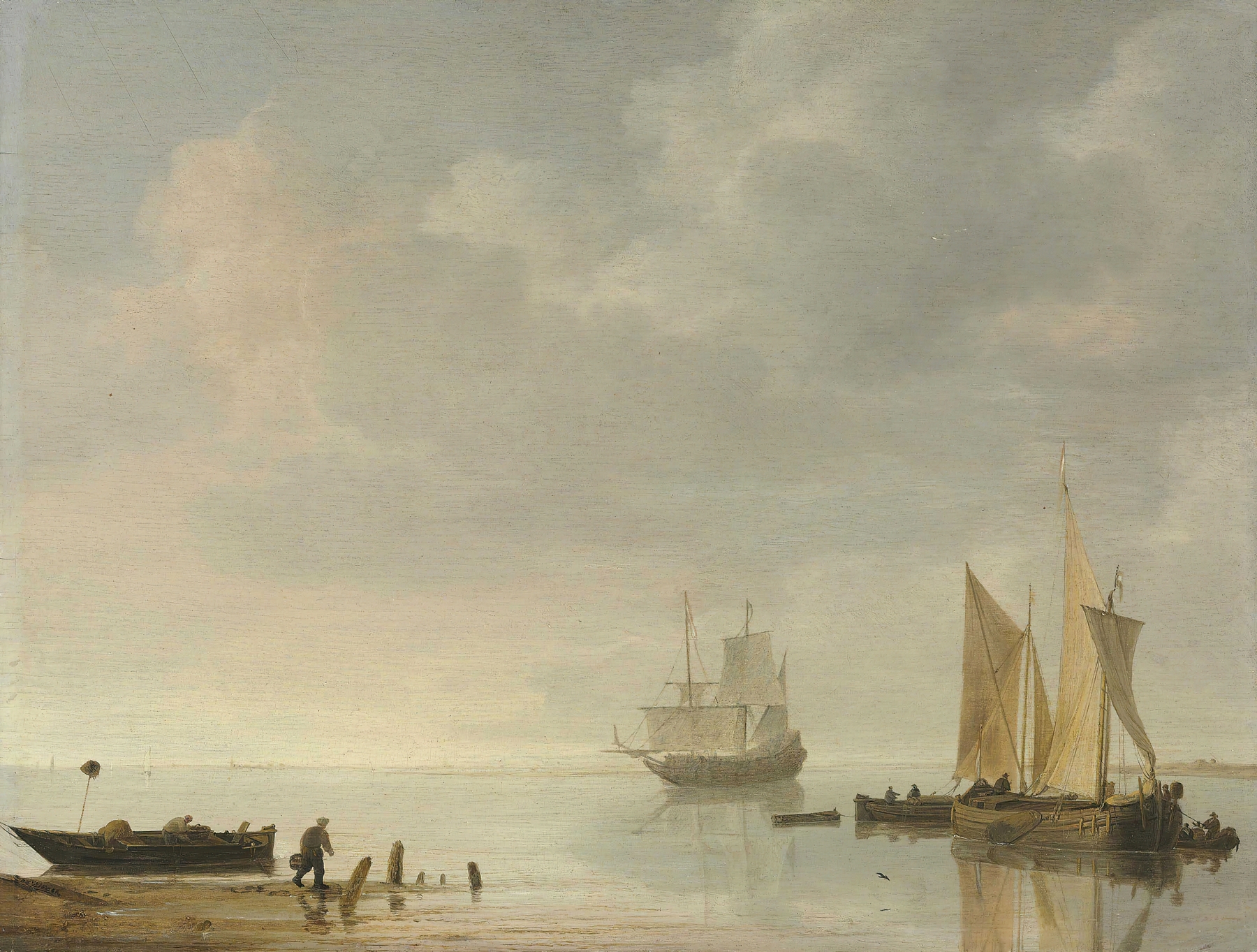
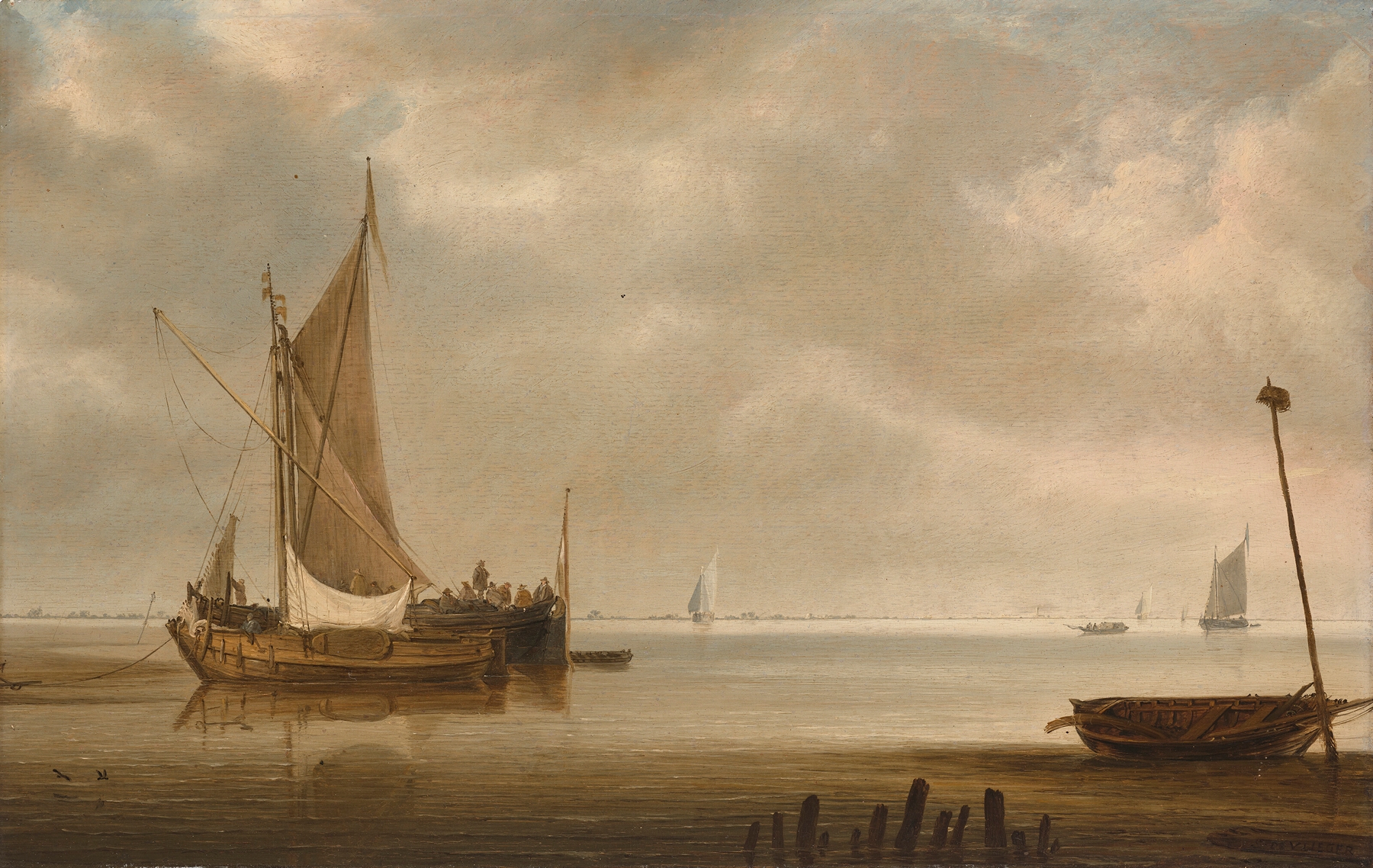
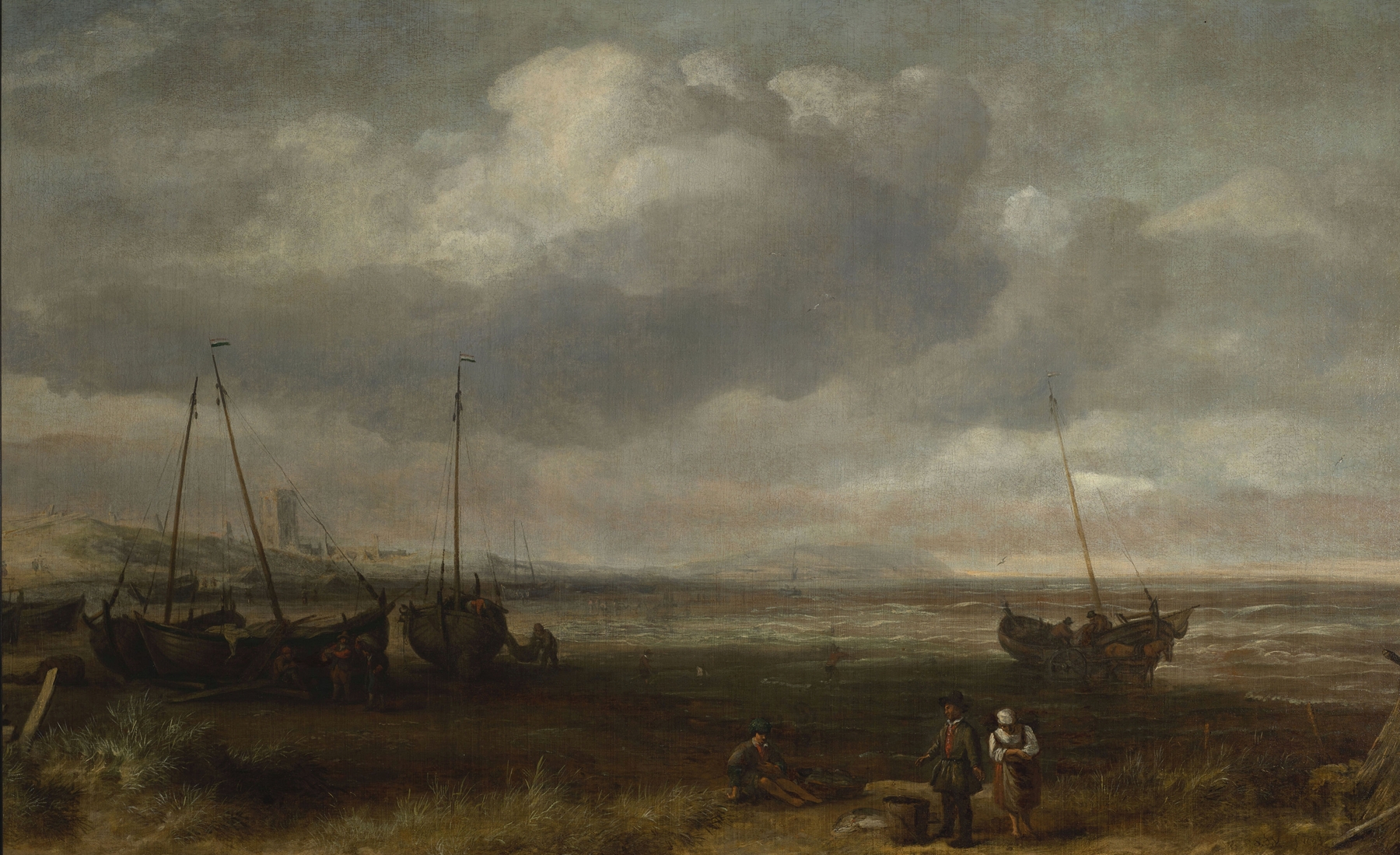
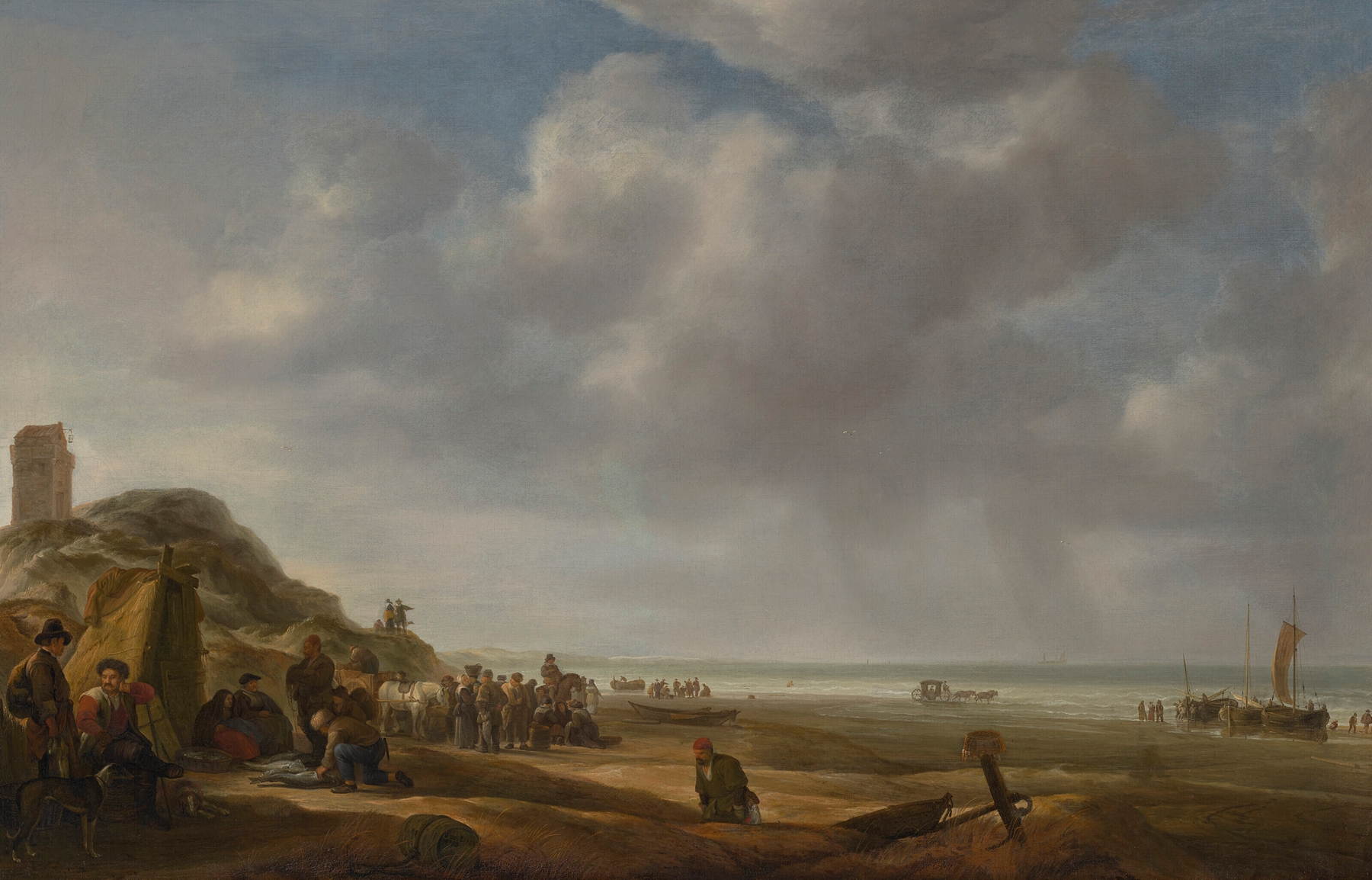
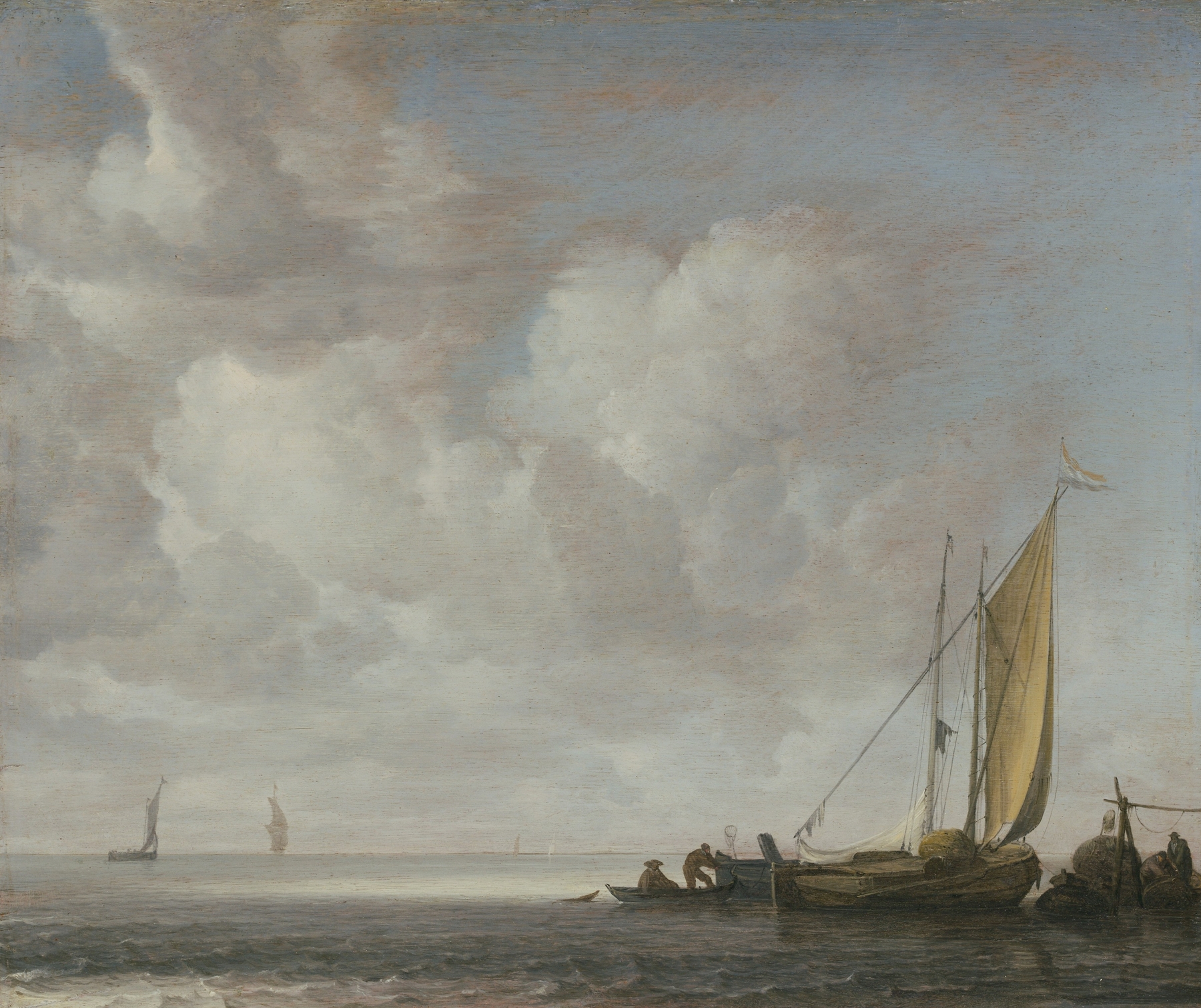
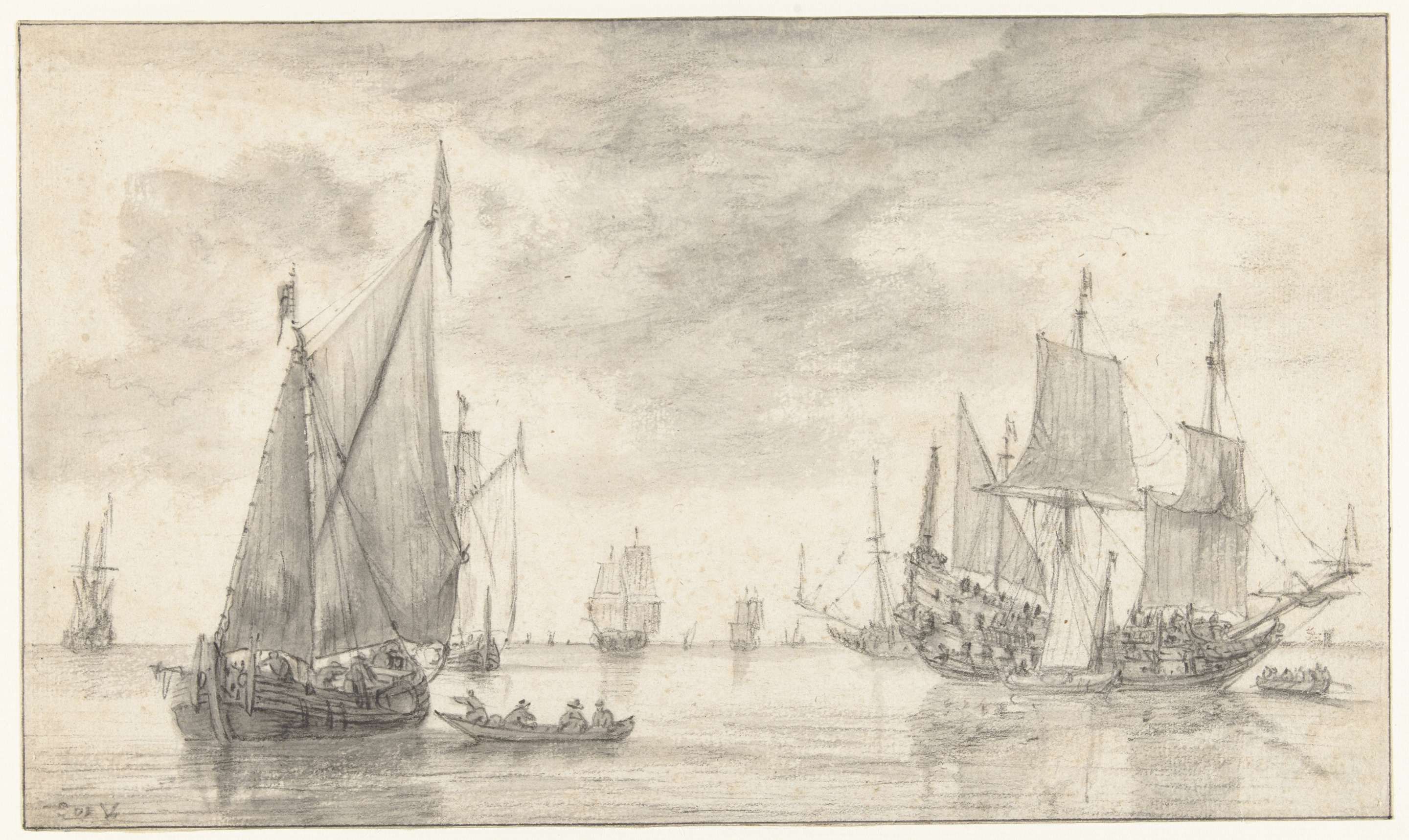
“Art reveals the soul when the world turns away.” In the fleeting moments of life, time stands still, captured beneath layers of paint, inviting reflection on the things we often overlook. Focus on the fishermen at the painting’s center, their weathered faces telling stories of long days spent at sea. Notice how the warm hues of the setting sun illuminate their catch, casting a golden glow that dances across the tableau. The subtle interplay of light and shadow not only emphasizes their toil but also the tranquility of the shore, creating a beautiful tension between labor and leisure.
In this piece, the juxtaposition of the rough textures of the fishermen’s garments against the smoothness of the fish reveals a dichotomy of existence—the grit of survival versus the simplicity of nature's bounty. The careful arrangement of nets and boats leads the eye outward, suggesting an infinite stretch of time and experience. Each detail, from the shimmering scales to the gentle lapping of waves, speaks to the transitory nature of life and labor, hinting at the stories of countless fishermen before and after this moment.
Created in 1646, the artist crafted this work during a time when the Dutch golden age was flourishing. He was immersed in a world where maritime commerce thrived, and scenes of daily life became increasingly popular. At this juncture, de Vlieger painted not just to depict a scene but to capture the essence of an era, reflecting both his personal experiences and the broader cultural significance of the fishing industry in Holland.