The Battle on the Slaak between the Dutch and Spanish Fleets during the Night of 12-13 September 1631 — History & Analysis
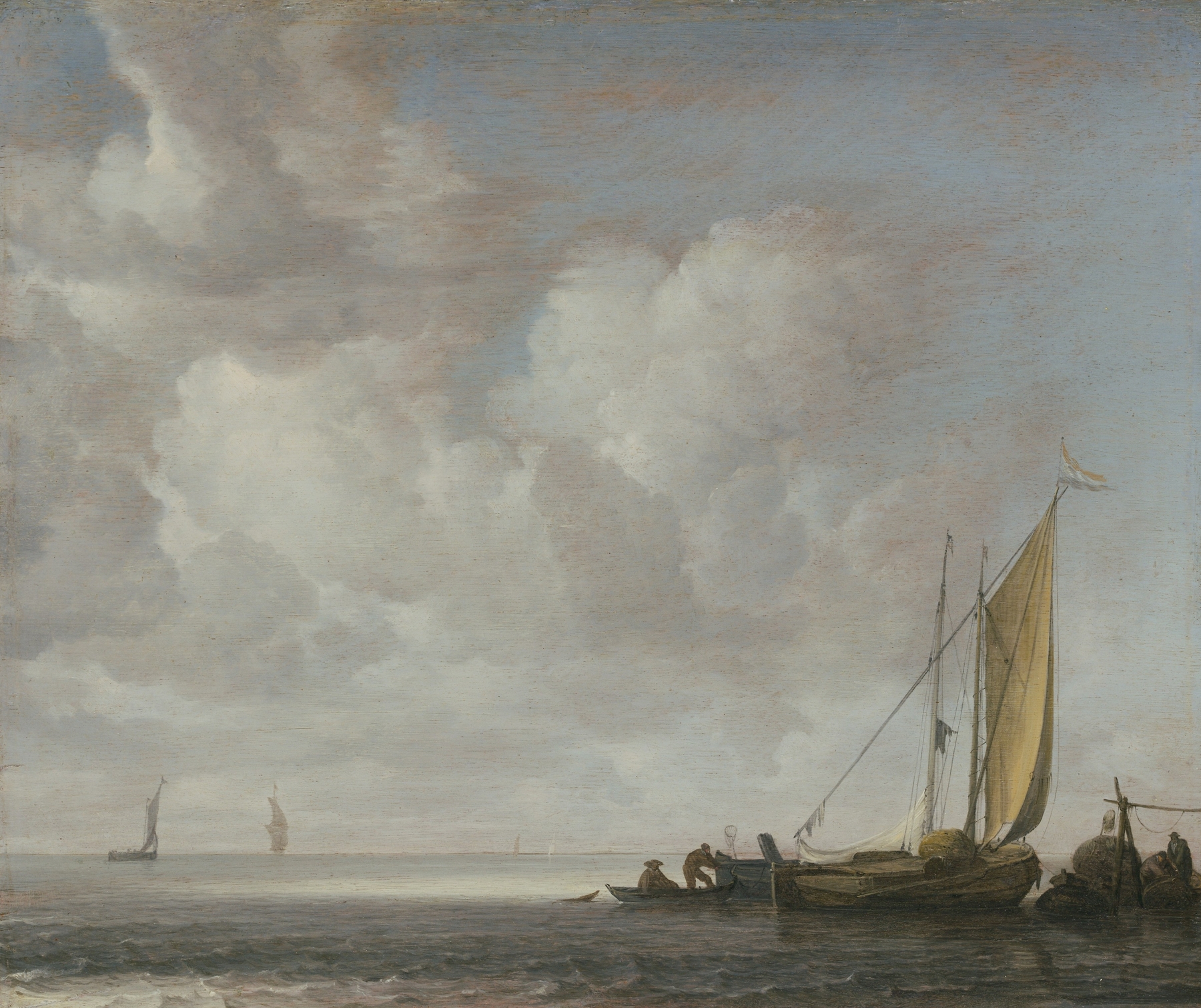
The night is alive with chaos — ships loom against the darkened sky, illuminated only by the flickering of torches and cannon fire. Sailors shout, their voices a blend of valor and desperation, as the sea thrashes beneath them. In the background, flashes of light reveal the clash of steel, a tumultuous dance of conflict on the water’s edge. Look to the center of the canvas, where the two fleets engage in a fierce confrontation. Notice the contrasting colors: the deep, shadowy blues of the sea and the vibrant reds and oranges of the flames that engulf some vessels.
The artist employs dramatic lighting to highlight the tension, casting an almost theatrical glow over the scene. The ships, with their billowing sails and intricate rigging, are rendered with meticulous detail, drawing the viewer's gaze into the heart of the battle. Amidst the chaos, one can sense a profound innocence lost in war. The juxtaposition of the fierce conflict and the fragile beauty of the ships suggests the tragedy that accompanies such bravery.
The flickering light reflects in the water, symbolic of hope battling despair, while the figures aboard the vessels, caught in the throes of destruction, embody the human cost of ambition and rivalry. Painted in 1633, during a turbulent time in Europe, the artist captured a moment when the Dutch Republic was asserting its naval strength against Spanish dominance. Simon de Vlieger, renowned for his maritime scenes, was influenced by the ongoing Eighty Years' War, where such battles defined national identities. This work not only illustrates a historical event but also serves as a timeless reflection on the nature of conflict and its impact on humanity.