A beach scene with fishermen displaying their catch — History & Analysis
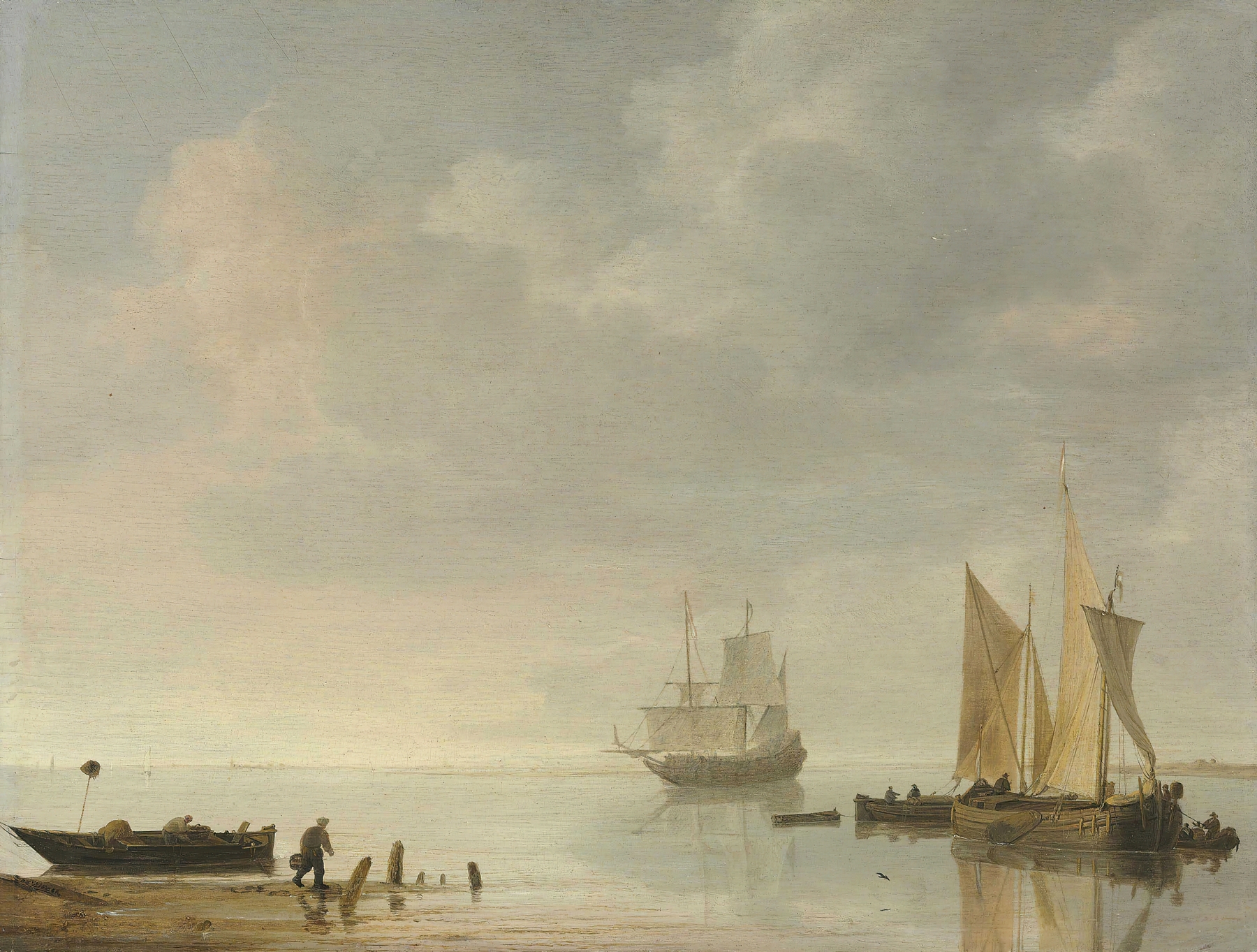
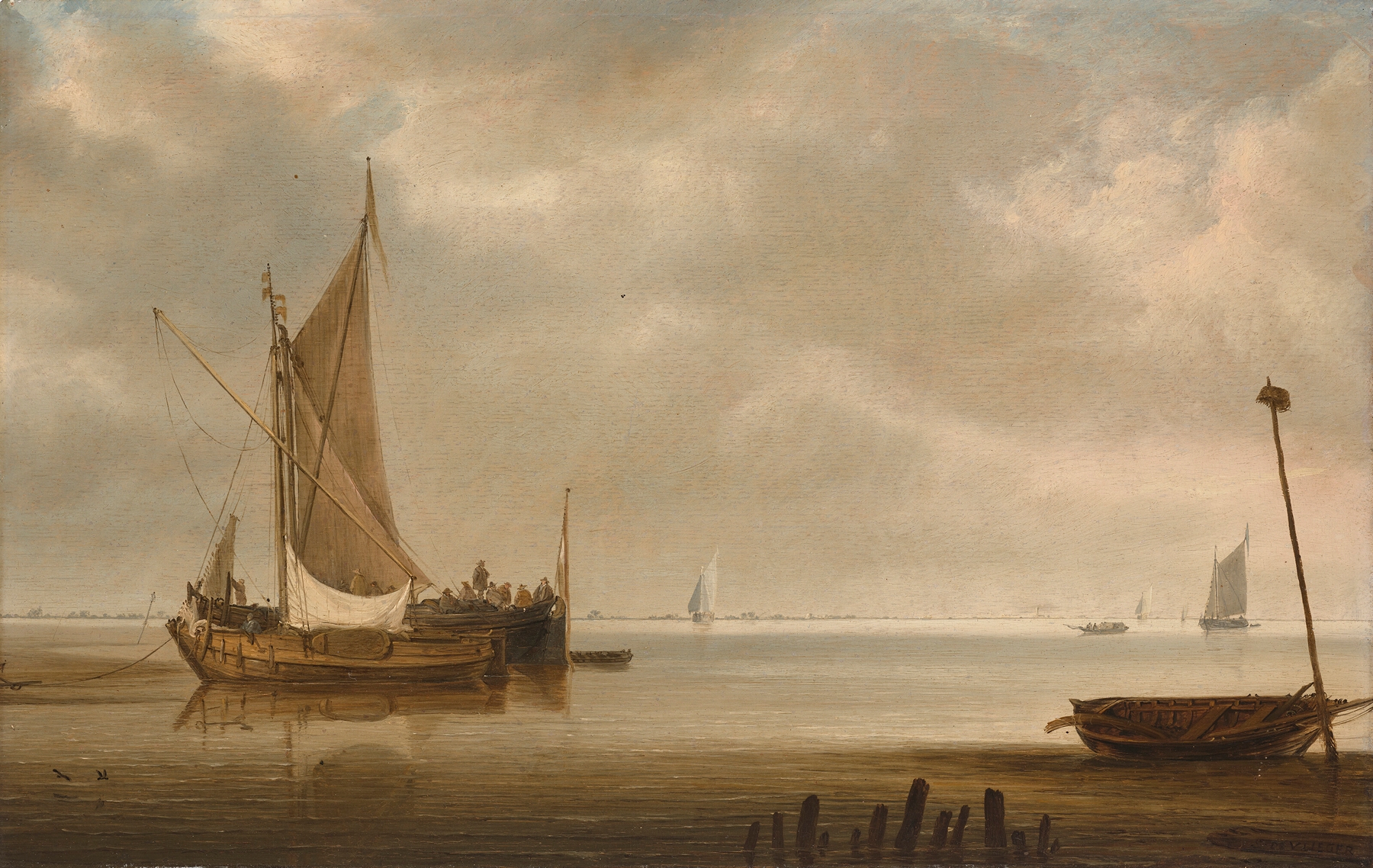
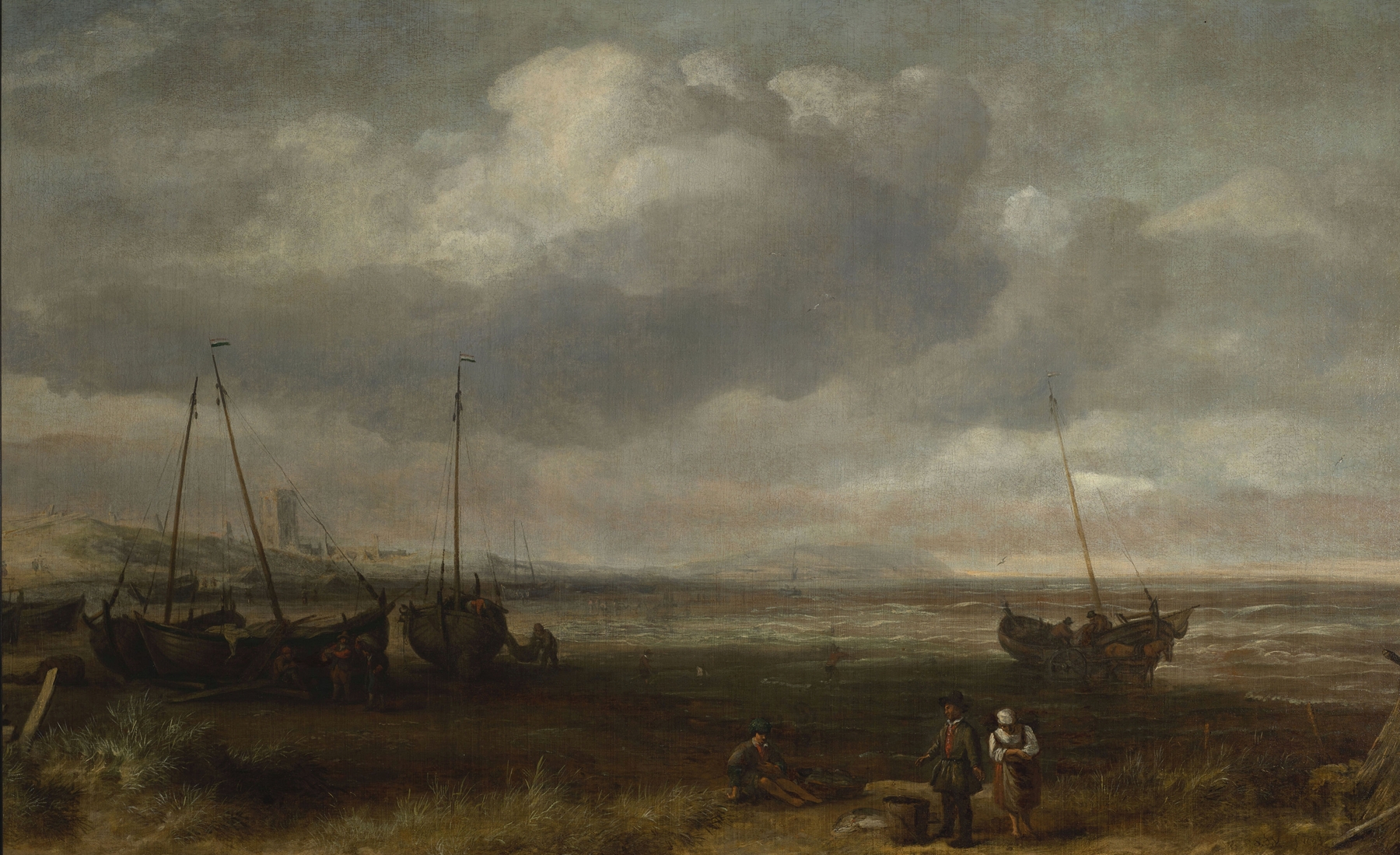
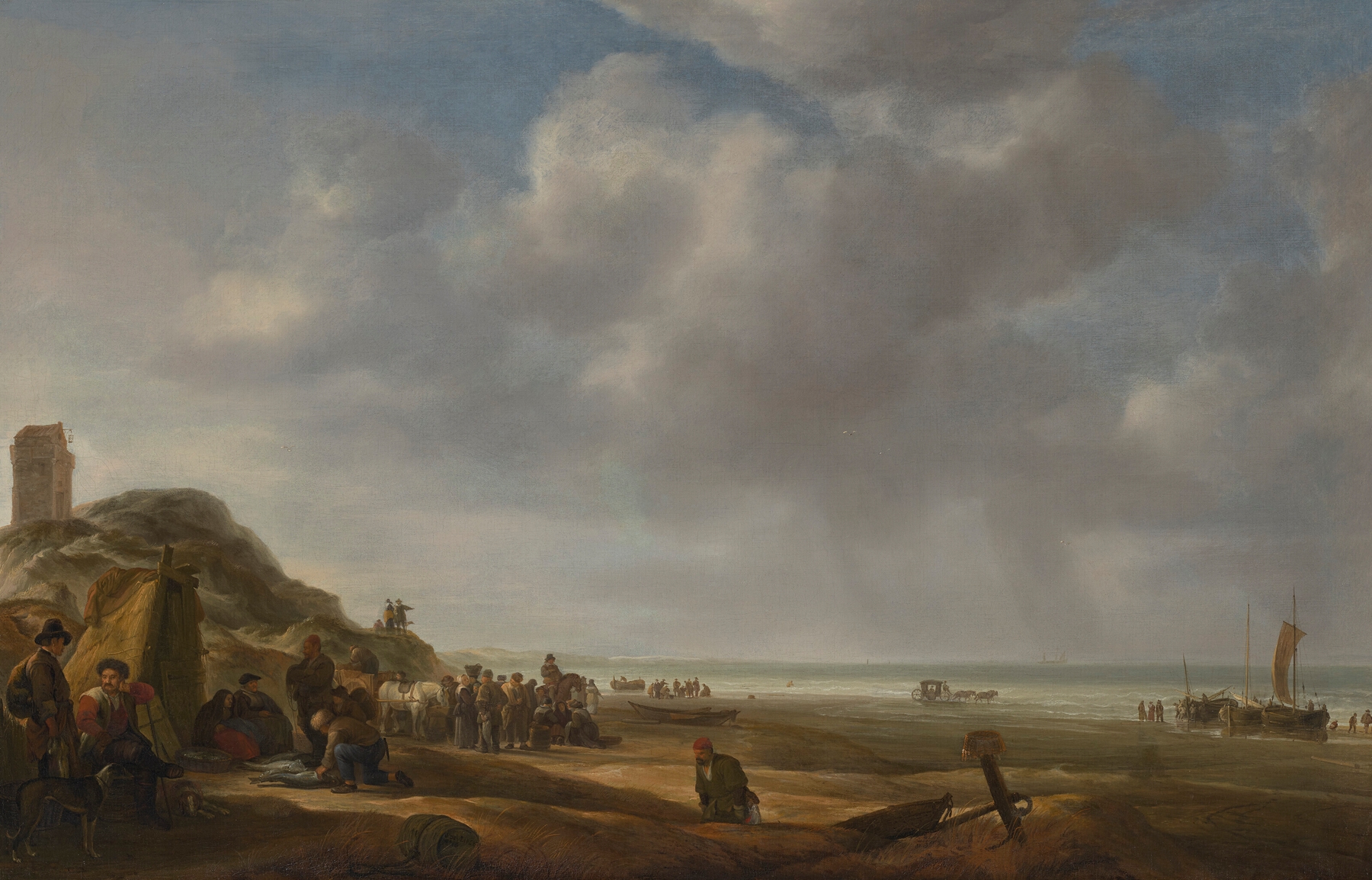
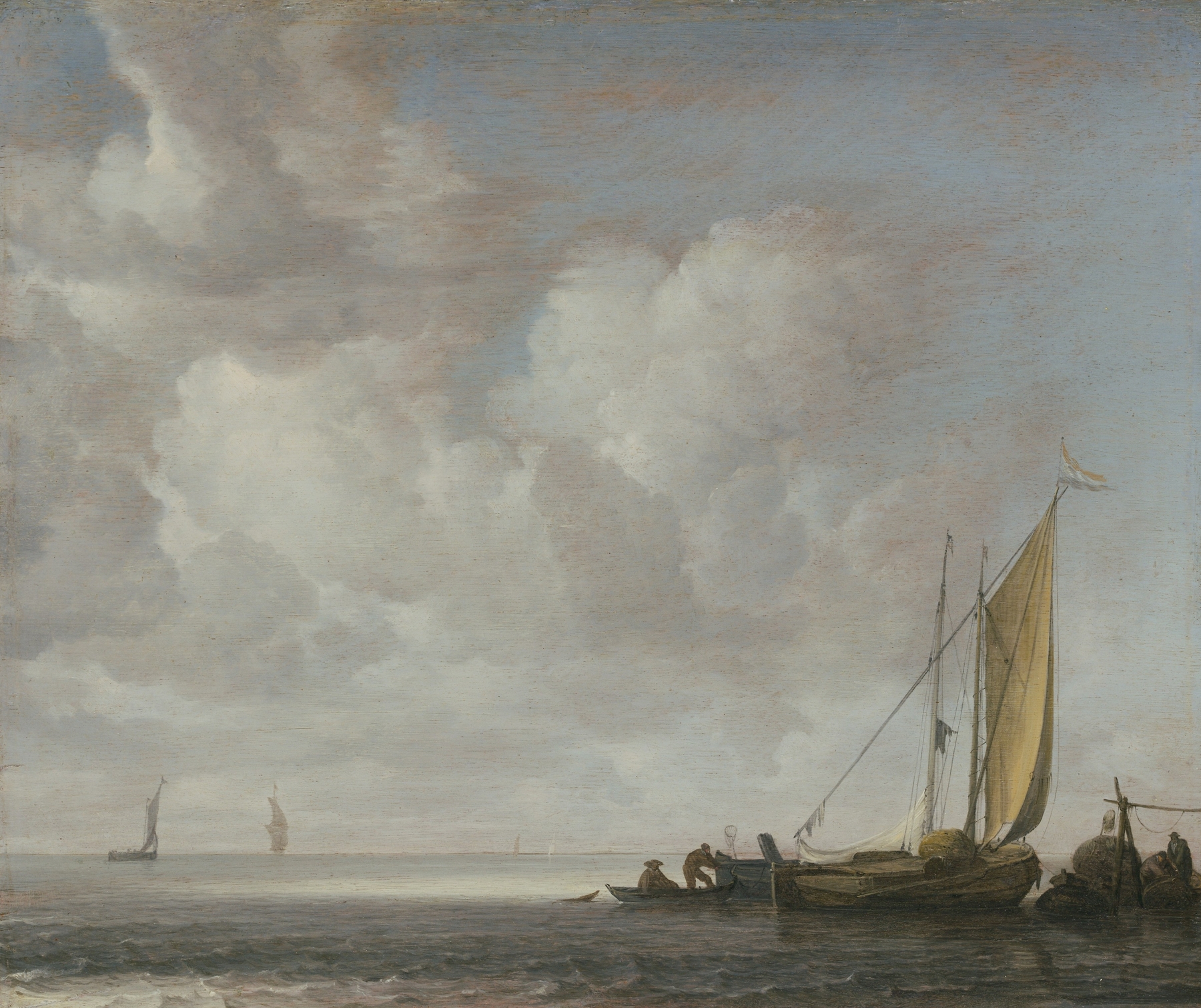
“The canvas doesn’t lie — it simply waits.” In the stillness of a sunlit moment, awe hangs thick in the air, infused with the salty scent of the sea and the promise of the day’s labor. Look first to the fishermen, their sturdy figures framed against the vastness of the shoreline. Each man is bent over his catch, muscles taut with purpose; the shimmering fish glint in the light, a feast for both eyes and stomach.
Notice how the warm hues of ochre and azure blend, creating a sense of serenity that envelops the scene, while soft brushstrokes evoke the rhythmic pulse of the ocean waves behind them. Peer deeper into the painting, and you'll find contrasts that tell a richer story. The fishermen’s rugged, weathered hands, rough from toil, juxtapose the delicate, iridescent scales of their catch, emphasizing the relationship between labor and reward.
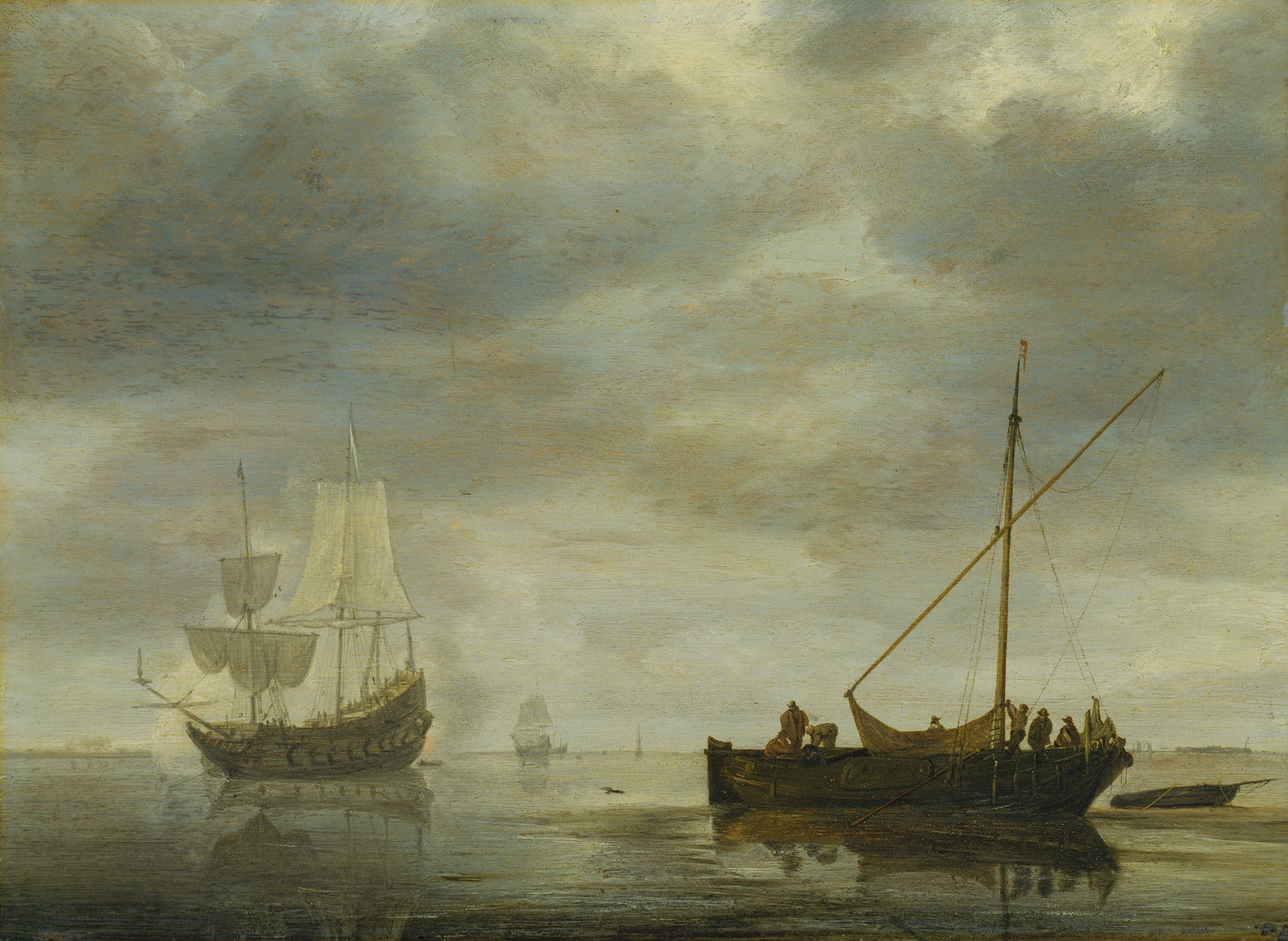
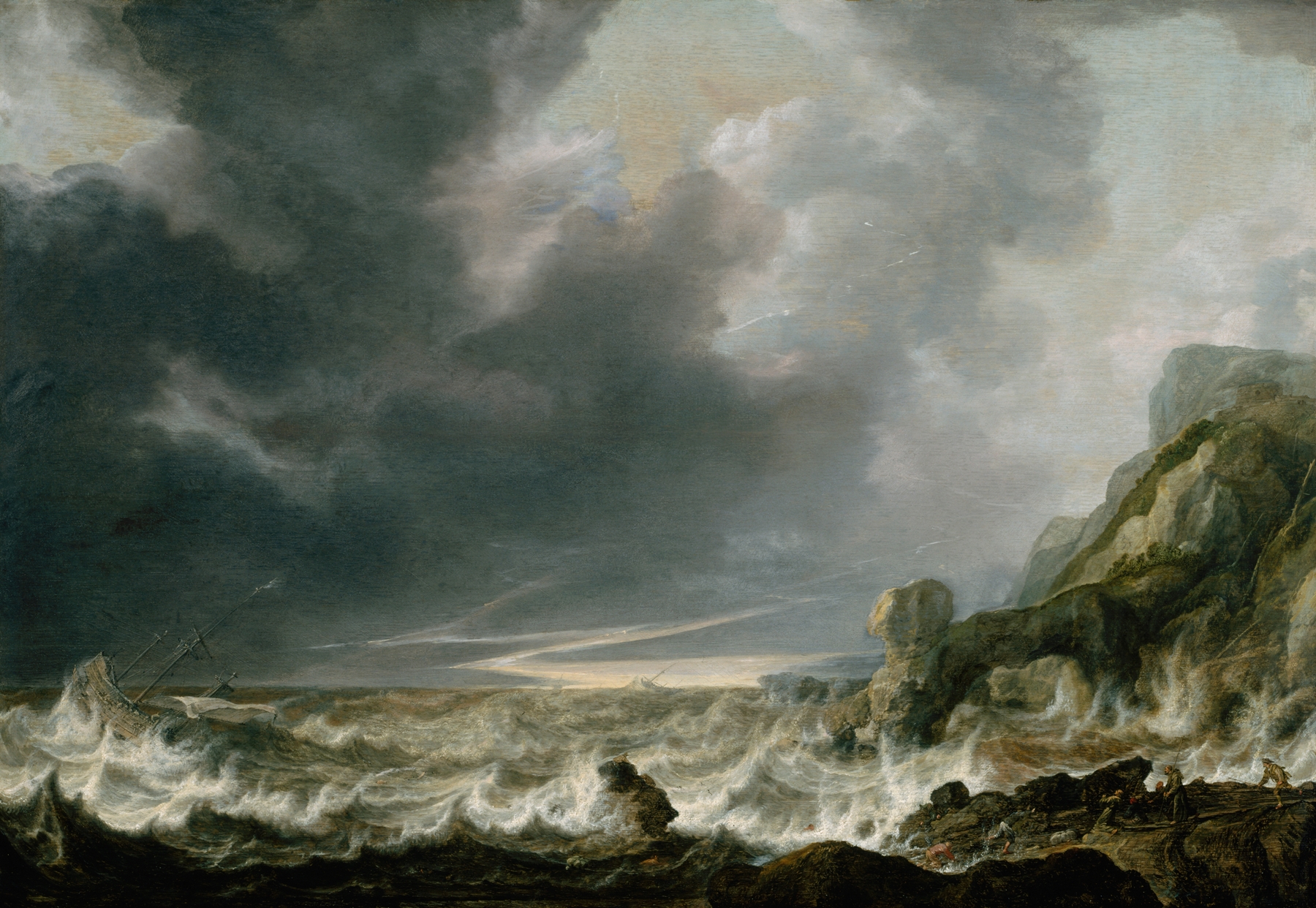
The light falls unevenly across the scene, illuminating the men while casting shadows that hint at the weight of their labor and the passage of time, suggesting both pride and the fleeting nature of success. In 1646, Simon de Vlieger was painting in the Netherlands, where maritime life was a significant theme in a world transitioning towards commercial expansion. He captured the essence of a culture deeply intertwined with the sea, reflecting both the daily struggles and triumphs of fishermen at a time when art served to document both beauty and reality in equal measure.