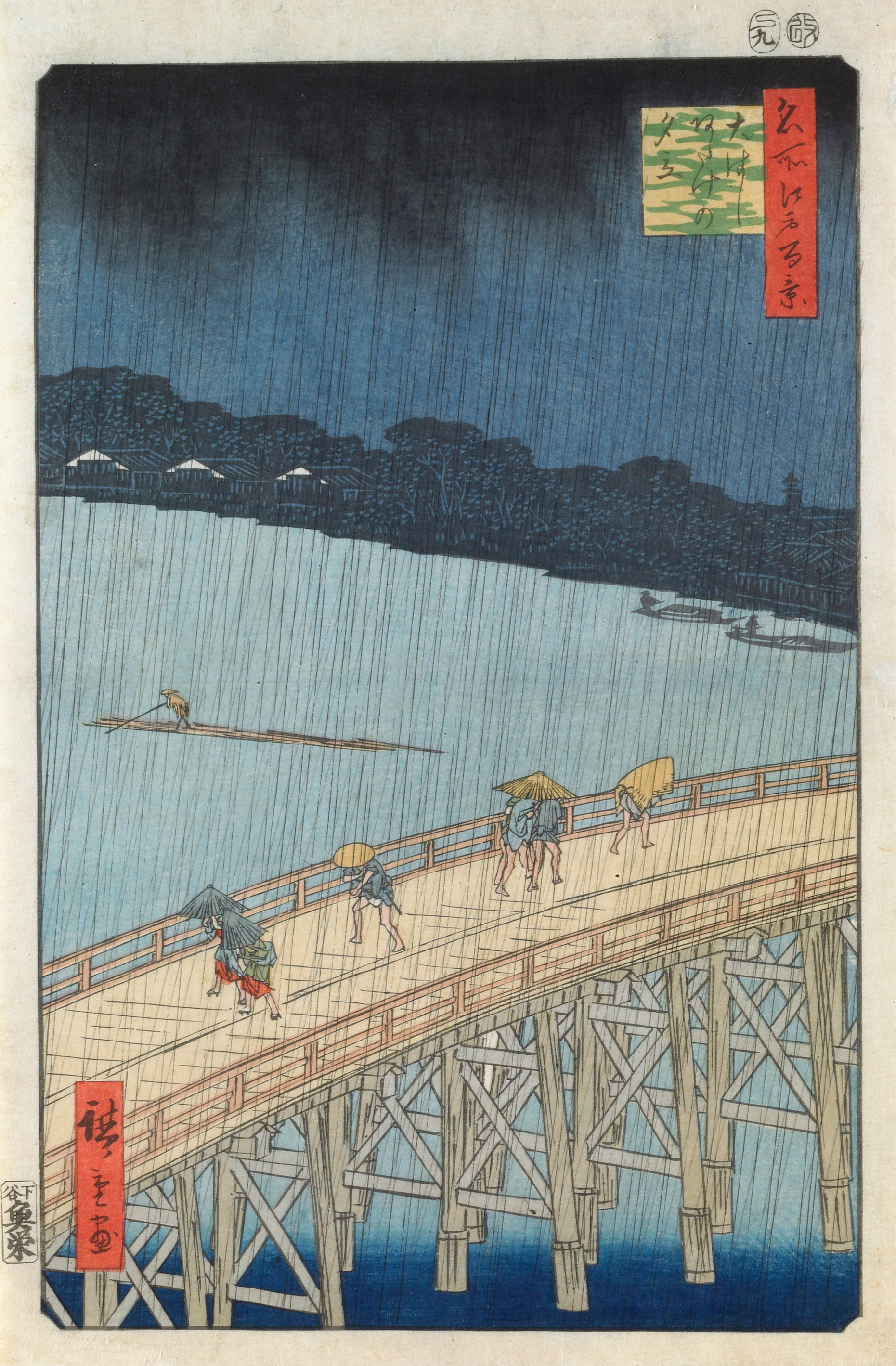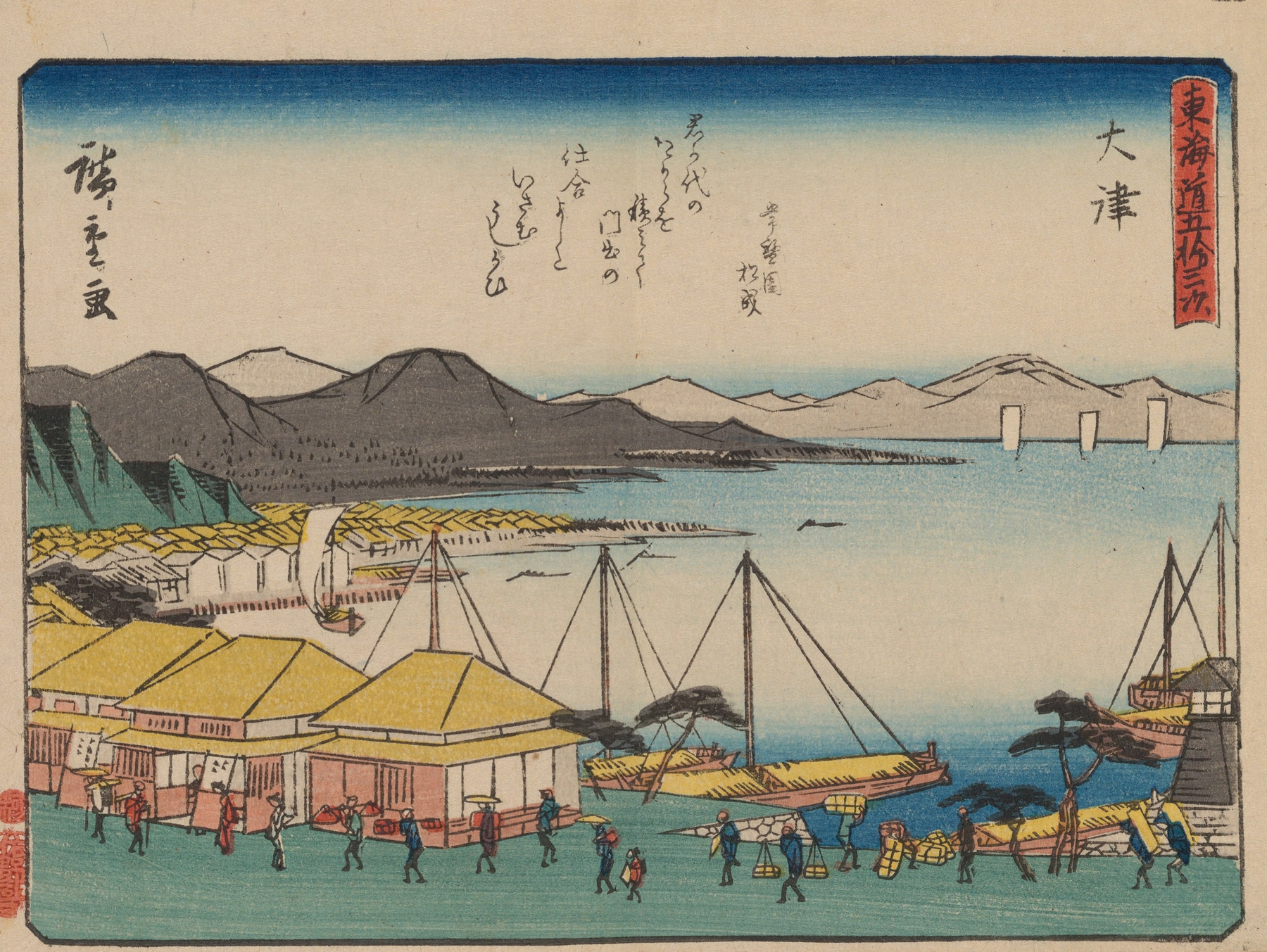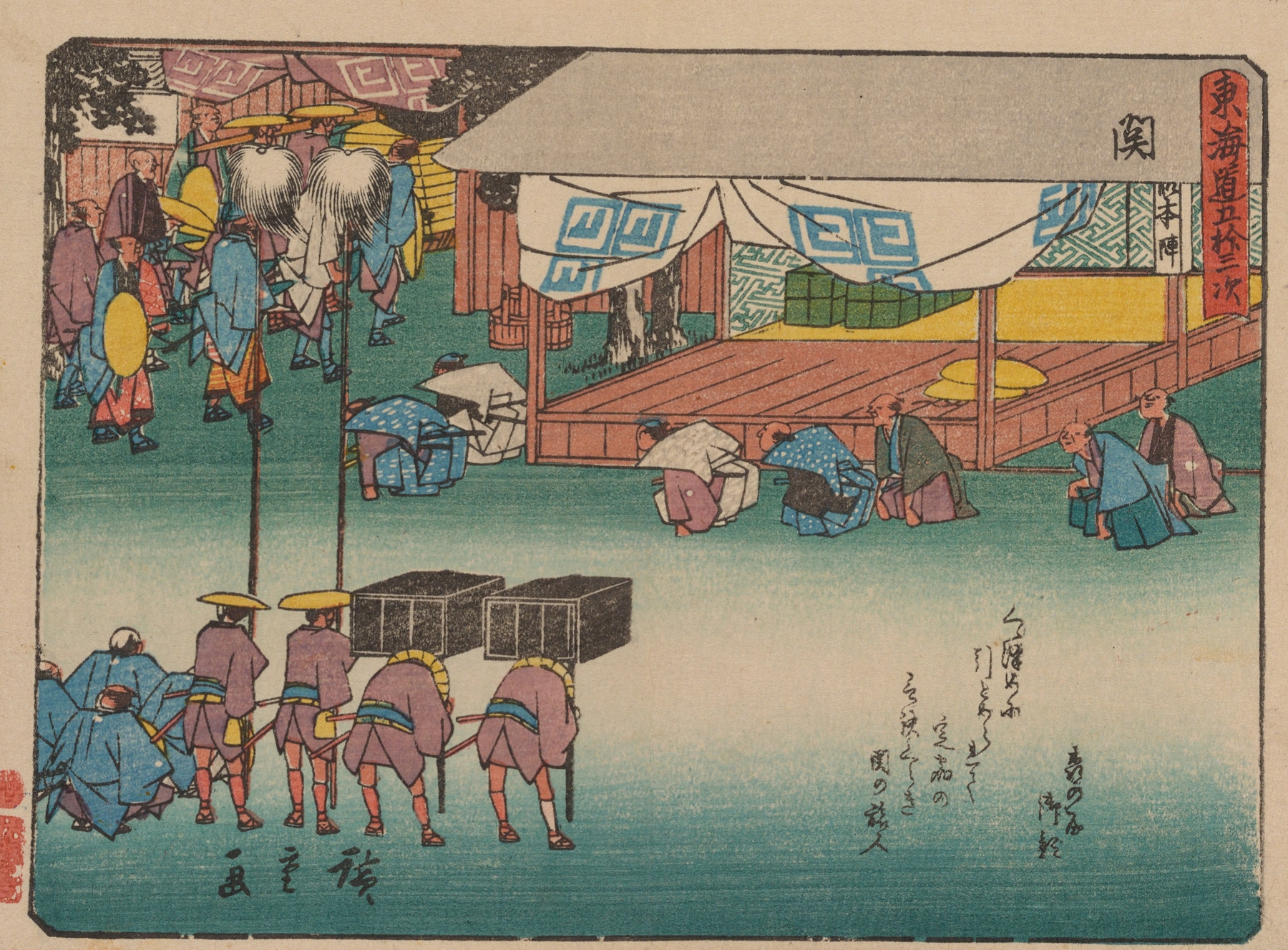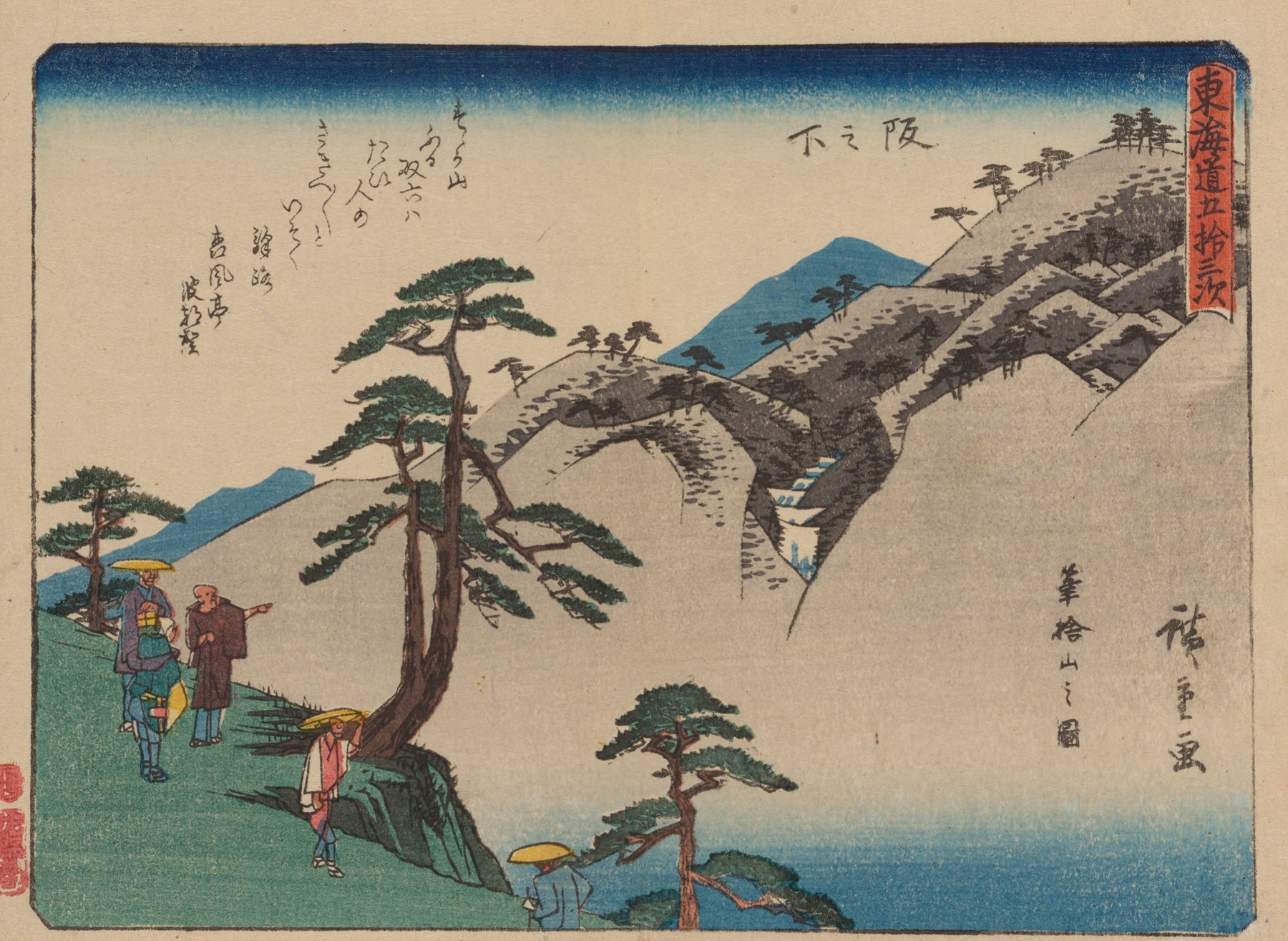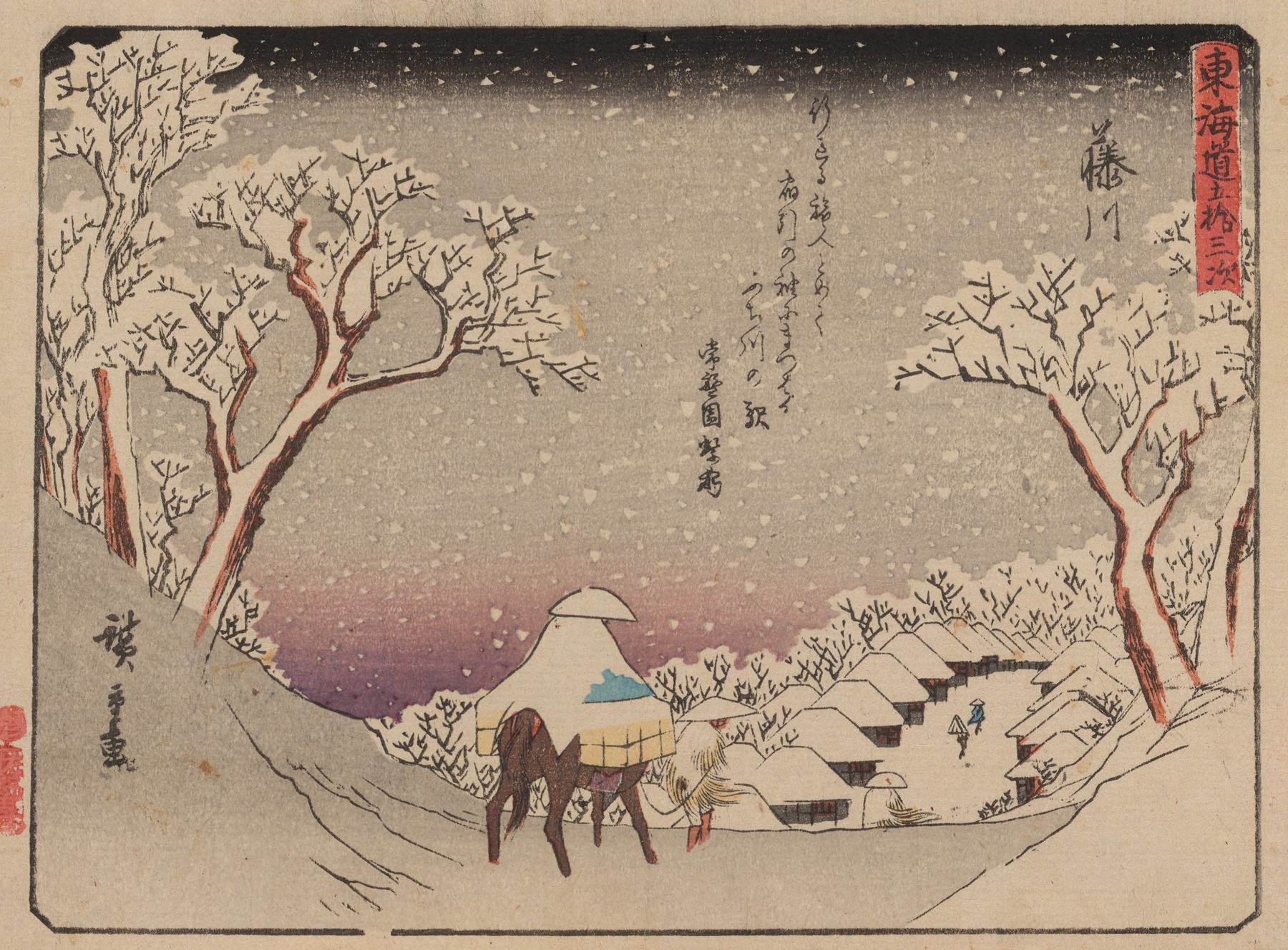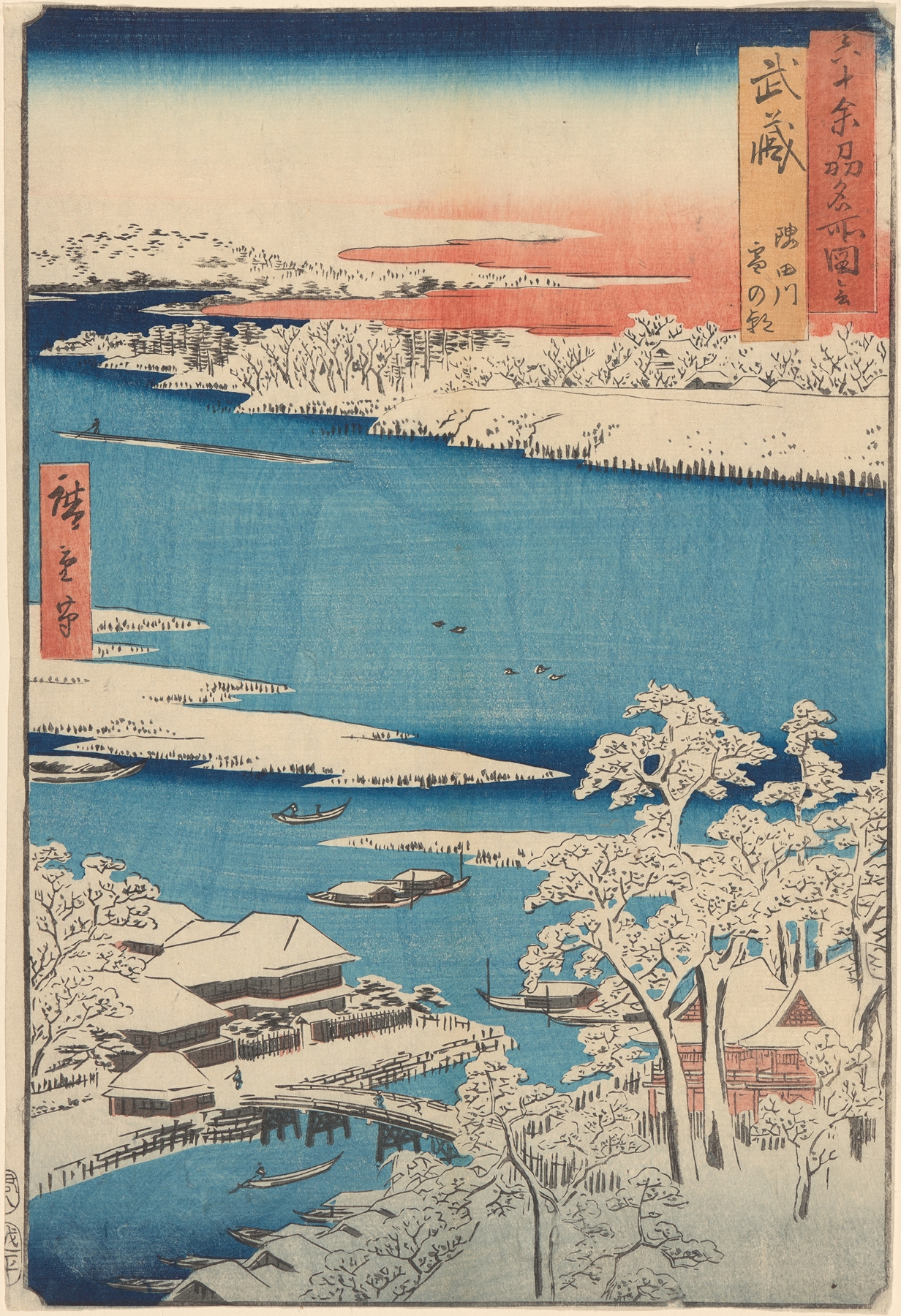

When did color learn to lie? In a world where hues weave tales of warmth amid the chill of winter, memory dances in the delicate brushstrokes of the unseen. Focus first on the soft palette of blues and whites that envelops the scene. Notice how the gentle curves of the river mimic the delicate flow of the snow, creating a serene dialogue between water and frost. The islet, nestled in the embrace of the shore, emerges from this frigid tranquility, its colors subtly vibrating against the stark background. Each tree, laden with snow, stands sentinel to a moment frozen in time, an echo of both stillness and movement. Hidden within the landscape are themes of solitude and reflection. The way the light catches on the river's surface suggests a warmth that contrasts with the coldness of the season, inviting the viewer to ponder the dualities of existence. There’s a whisper of forgotten laughter in the air, the memory of humanity's fleeting presence amidst nature's vast expanse. The painting is a reminder that beauty and melancholy often coexist, as the delicate interplay of shadows and light captures both the fragility of winter and the strength of memory. Created in the years before 1858, this work by the renowned ukiyo-e artist was born in the context of a rapidly changing Japan. At this time, Hiroshige was gaining prominence for his landscapes, reflecting the transience of nature and life during the Edo period. The world was on the cusp of modernization, yet his art tethered viewers to the serene nostalgia of the past, inviting them to find solace within the embrace of nature.