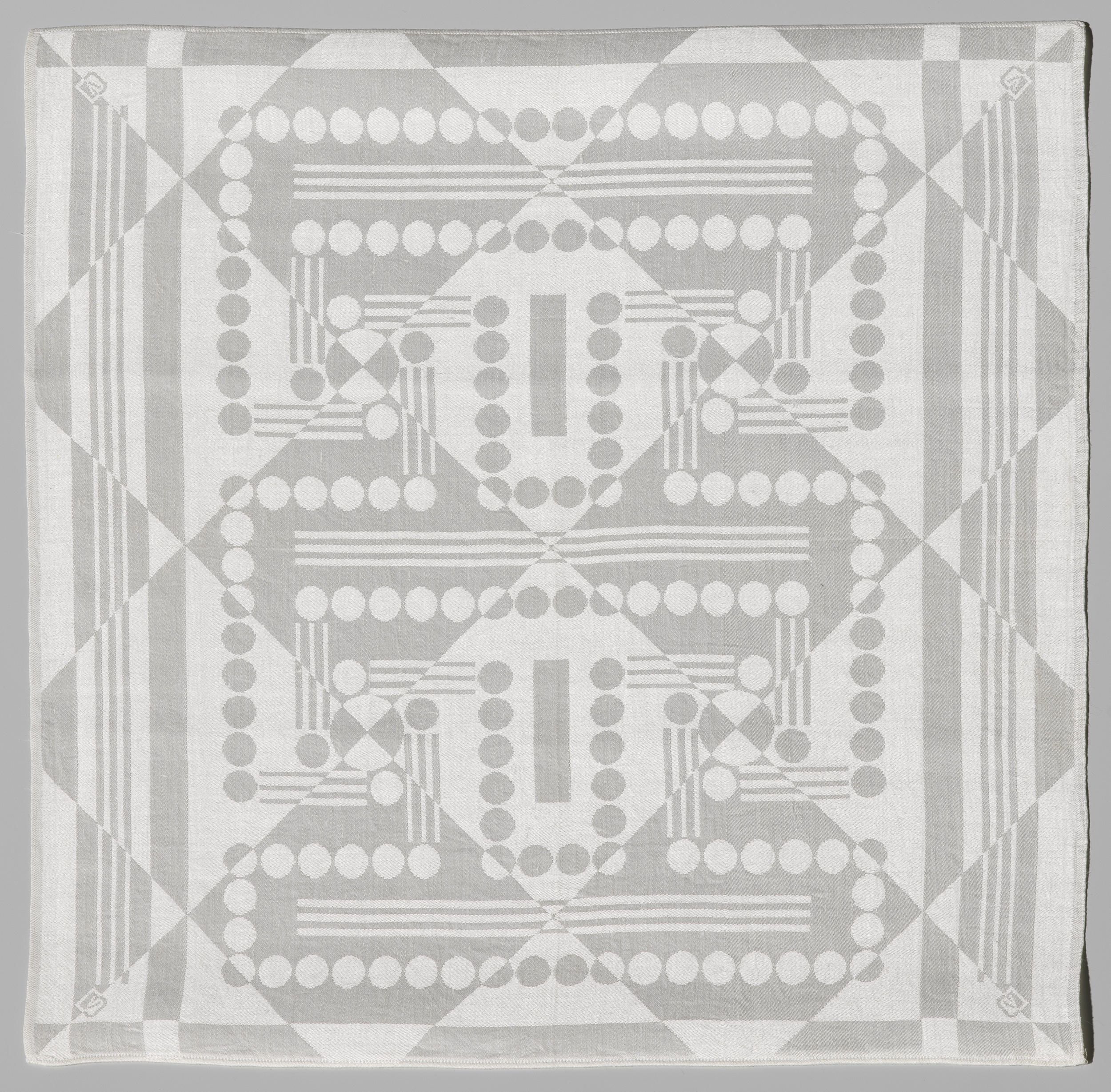
Staal bespanningsstof van linnendamast met ruitpatroon van bladranken — History & Analysis
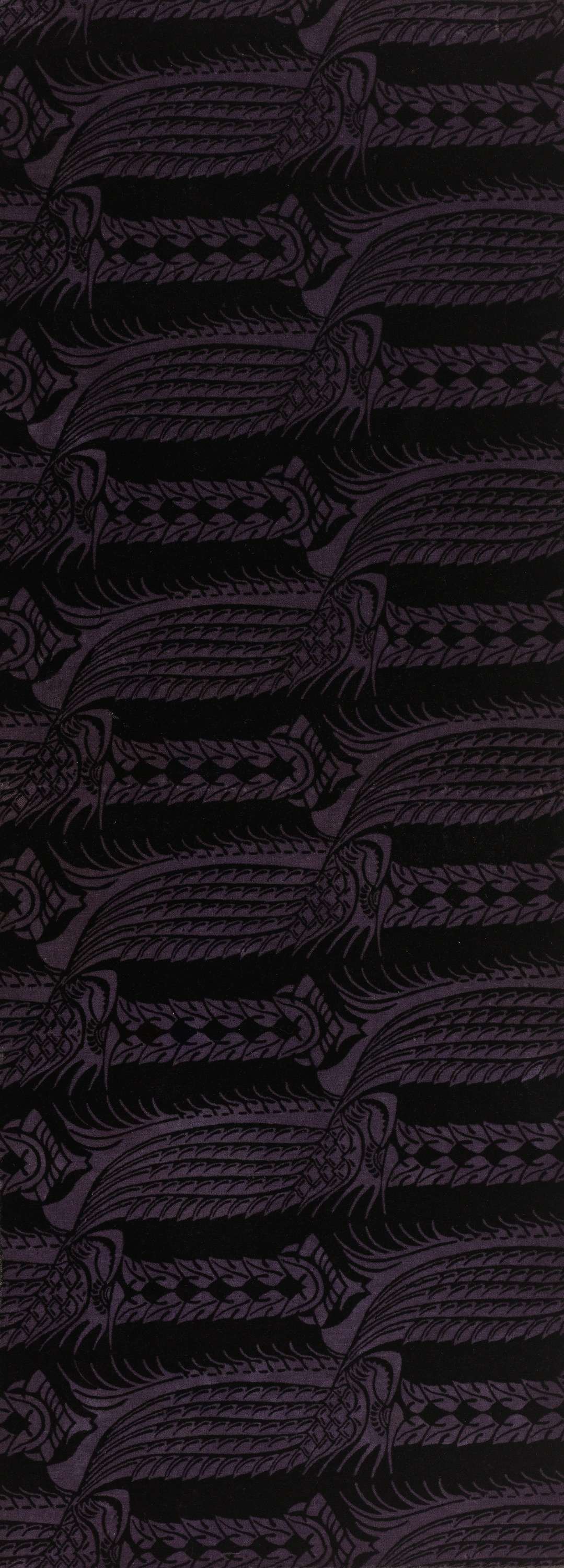
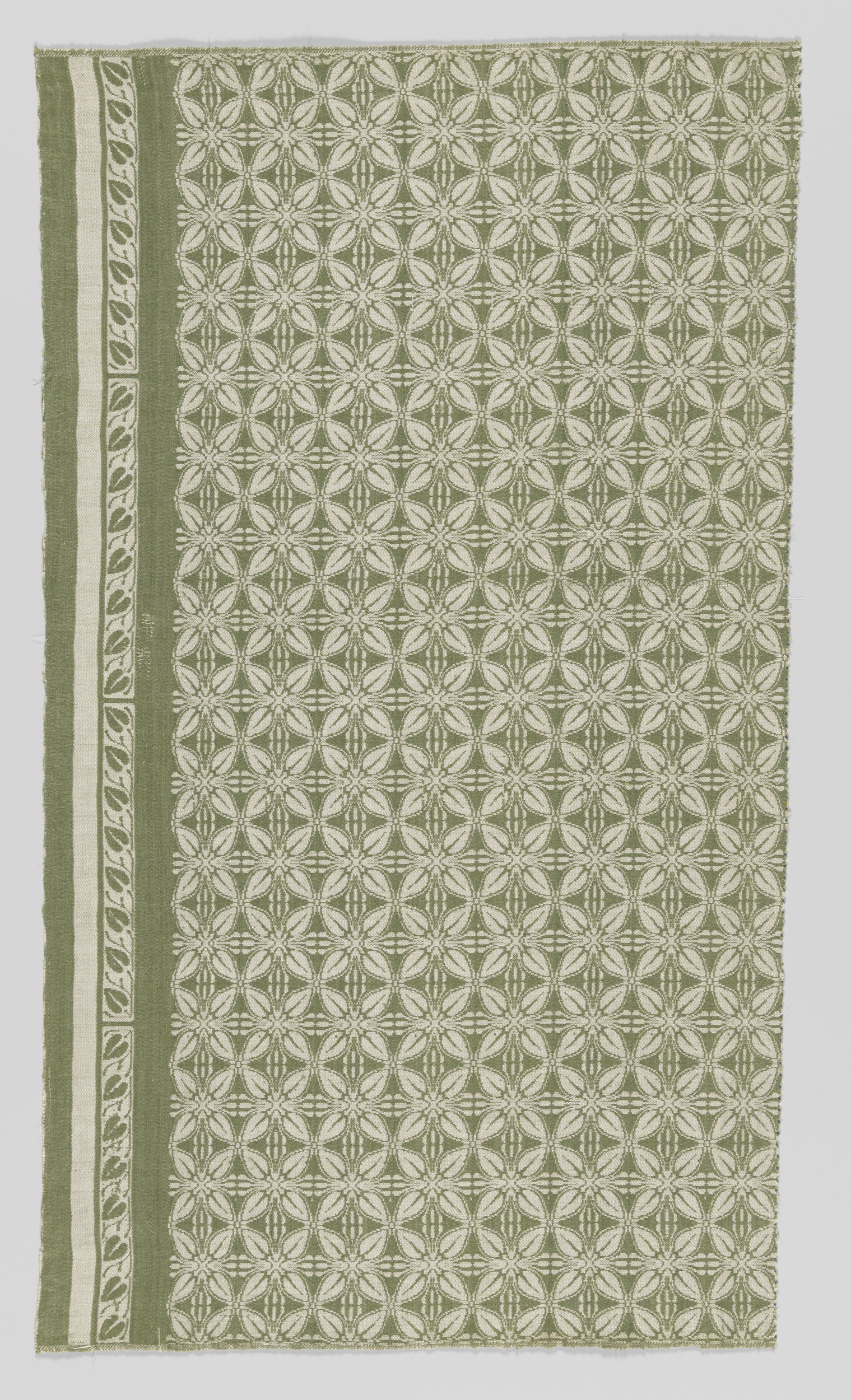
Who listens when art speaks of silence? In a world saturated with noise, it is the subtle transformations, the quiet whispers of color and form, that beckon us to examine the spaces left unfilled. Look closely at the patterned expanse of fabric, where earth-toned ruyter patterns dance across the canvas. The intricate leaves intertwine, a deliberate contrast between organic shapes and the rigid geometry of the grid. Notice how the colors oscillate from warm ochres to deep greens, evoking a sense of growth and decay, as if they are caught in a temporal flux.
This juxtaposition of nature’s fluidity and the man-made structure creates an unsettling harmony that encourages contemplation. Delving deeper, one can uncover layers of meaning within the visual dialogue. The presence of the leaf pattern suggests cycles of change, resonating with themes of transformation and rebirth. Yet, the rigid framework echoes the constraints of societal expectations, reflecting the tension between individual expression and collective conformity.
Here, the fabric is not merely a backdrop; it becomes a narrative of resilience and adaptation, inviting viewers to reflect on their own transformations amidst external pressures. During the years 1911 to 1915, when this piece was created, Chris Lebeau was immersed in the influential art movements of the time, particularly the Dutch Art Deco movement. Living in the Netherlands, he was exploring new materials and techniques, seeking to blend tradition with modernity. This period marked a significant transition in his career, as he embraced both the decorative and conceptual, laying the groundwork for his future innovations in textile design and visual art.