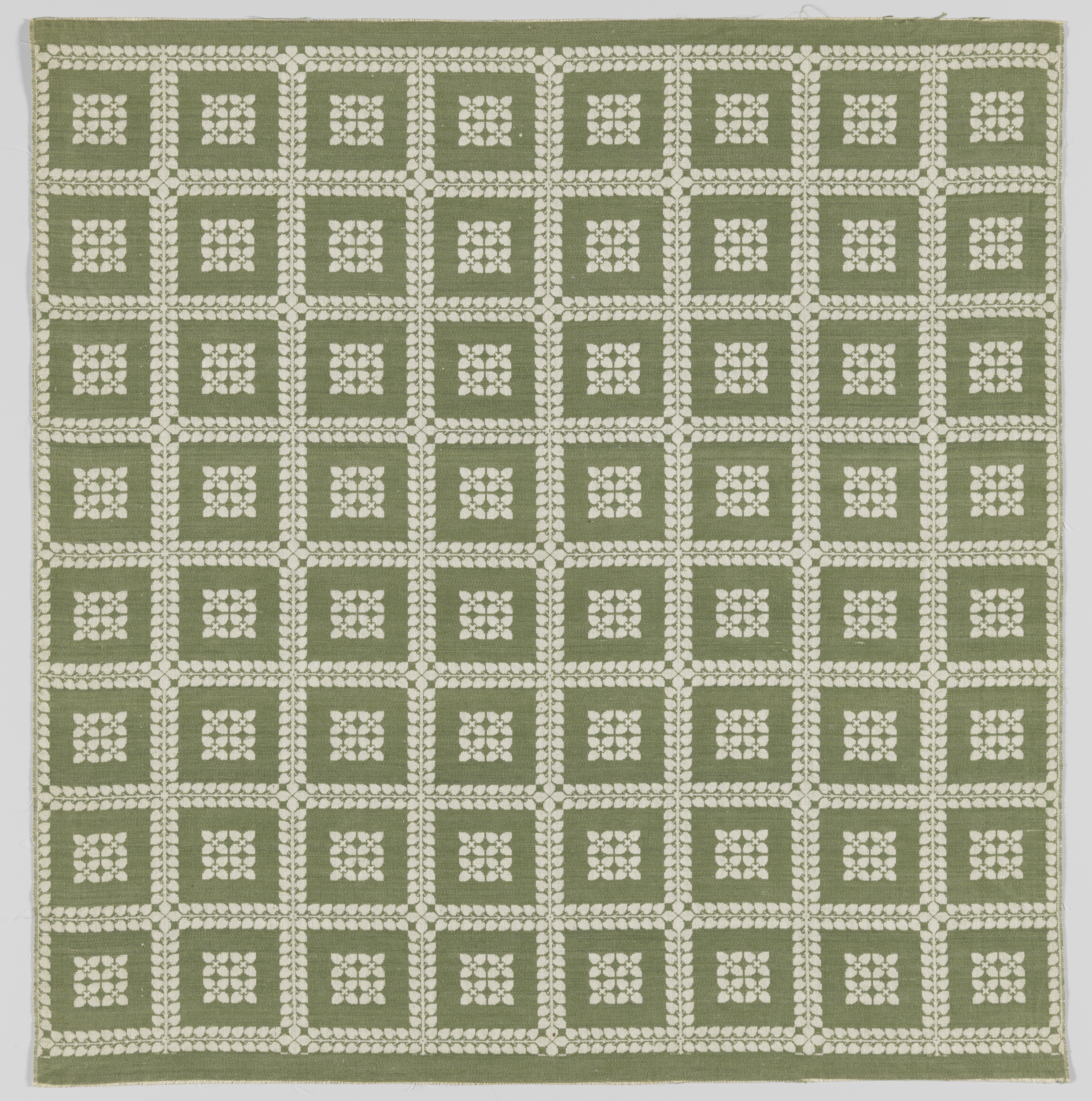
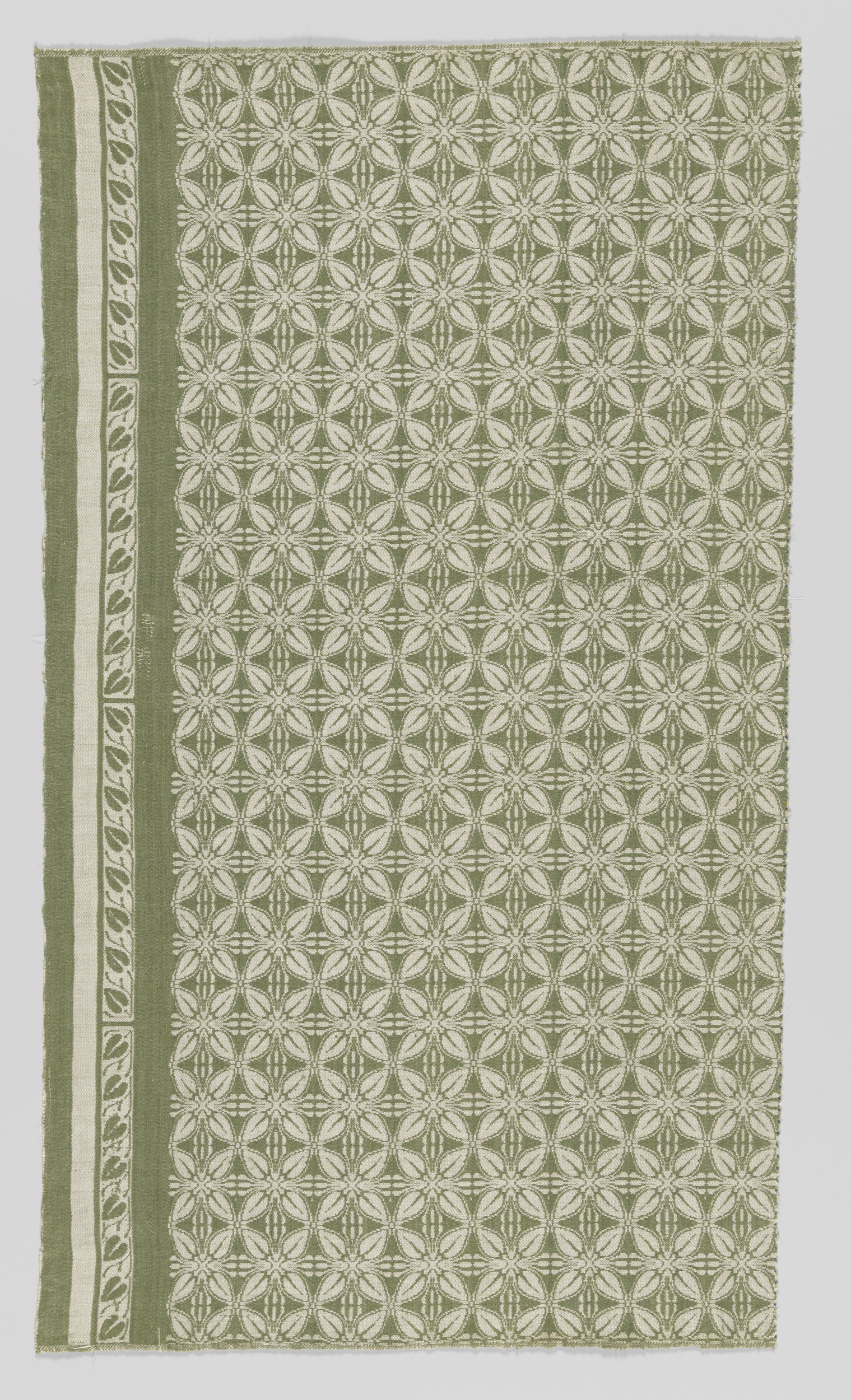
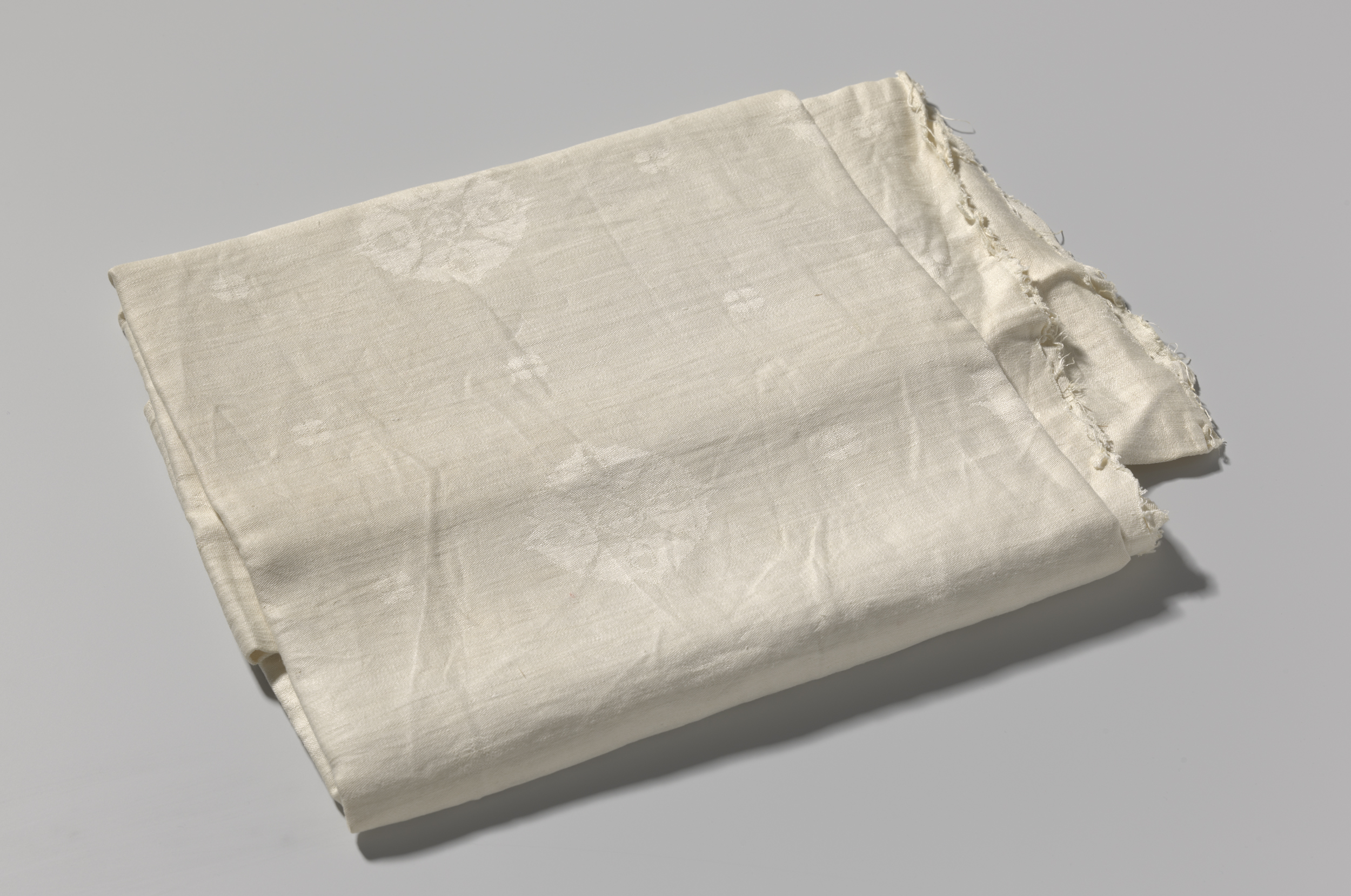
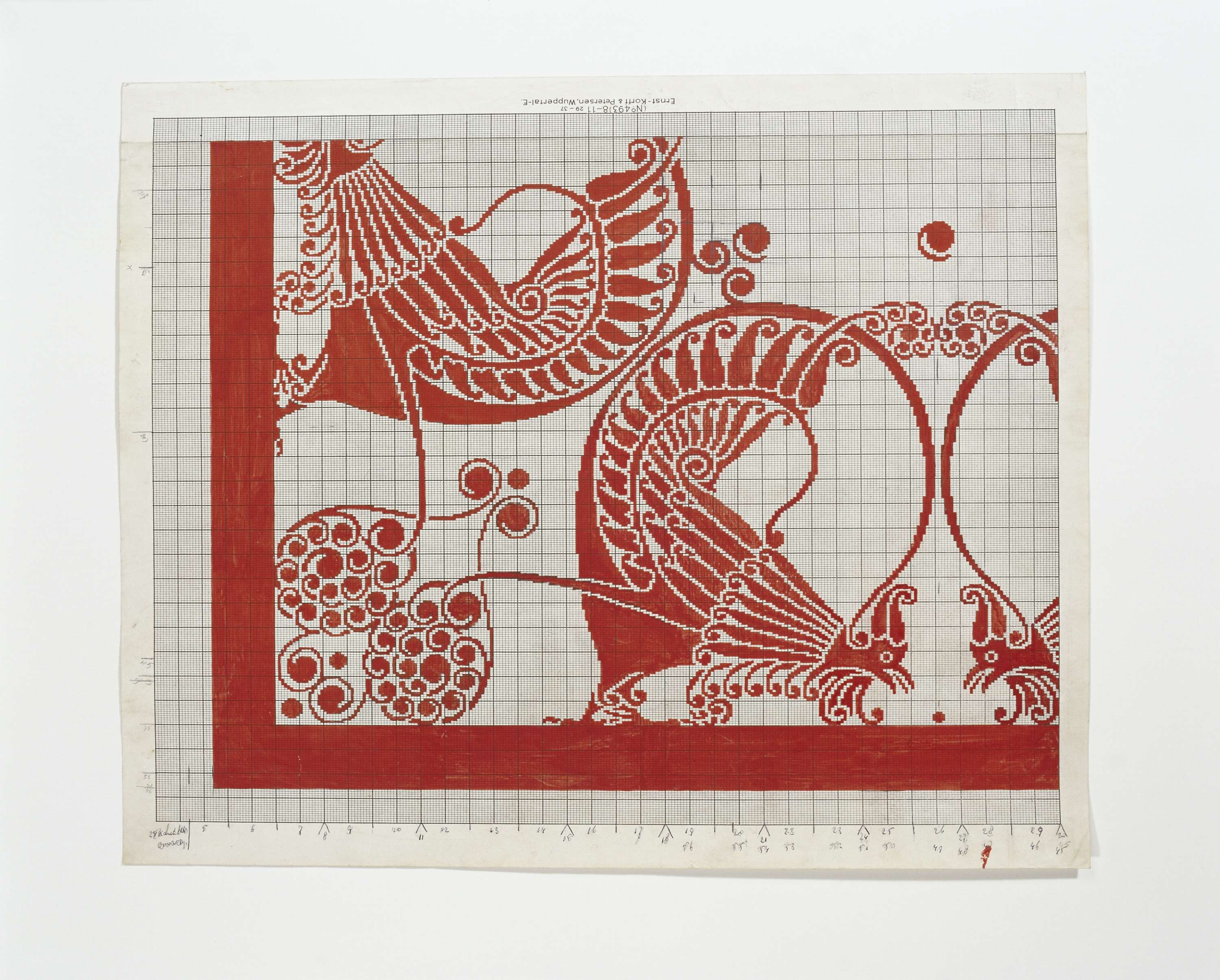
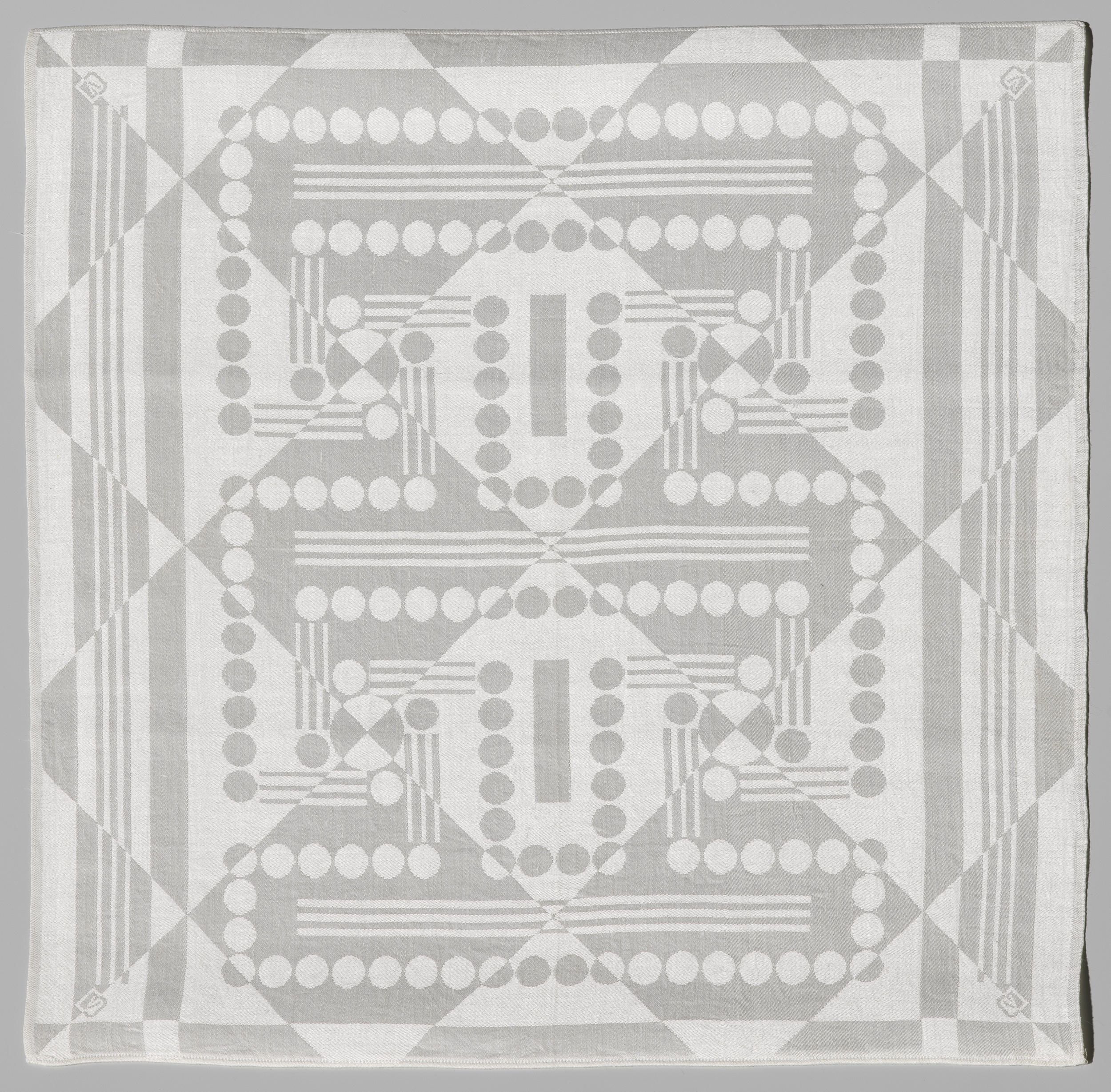
Fragment bedrukte trijp met dessin "Arenden" — History & Analysis
“Under the brush, chaos becomes grace.” In a world teetering on the edge of modernity, how does innocence find its place amid the tumult? Focus your gaze on the intricate patterns that weave through the fabric, where vibrant eagles soar and dance in harmonious rhythm. The composition bursts forth with a vivid palette—bold reds and deep blues intertwine, while delicate lines guide your eye across this textile tapestry. Notice how the interplay of light enhances the textures, making the fabric almost alive, inviting touch and exploration.
Each twist and turn of the design reveals a careful balance between chaos and order, a testament to the artist’s meticulous craftsmanship. In this work, the bold imagery of eagles carries a dual significance: they symbolize freedom and power while also reflecting the fragility of innocence in a rapidly changing world. The juxtaposition of the bold motifs against a backdrop of delicate, flowing lines creates a tension that whispers of hope and vulnerability. As you absorb the details, consider how this fragment serves as a reminder of the beauty found within complexities, encouraging a glimpse of serenity amid the chaos of life.
Created in 1920, this fragment was born during a period of significant change in the Netherlands, where Chris Lebeau was deeply engaged in the interplay between fine art and applied design. At this time, the art world was shifting toward modernism, and Lebeau sought to bridge traditional craftsmanship with contemporary visions. His work not only reflects his personal exploration but also resonates with a broader movement redefining the nature of art itself, as society grappled with the consequences of war and the dawn of a new era.