Vingerdoek van linnen met geometrisch dessin — History & Analysis
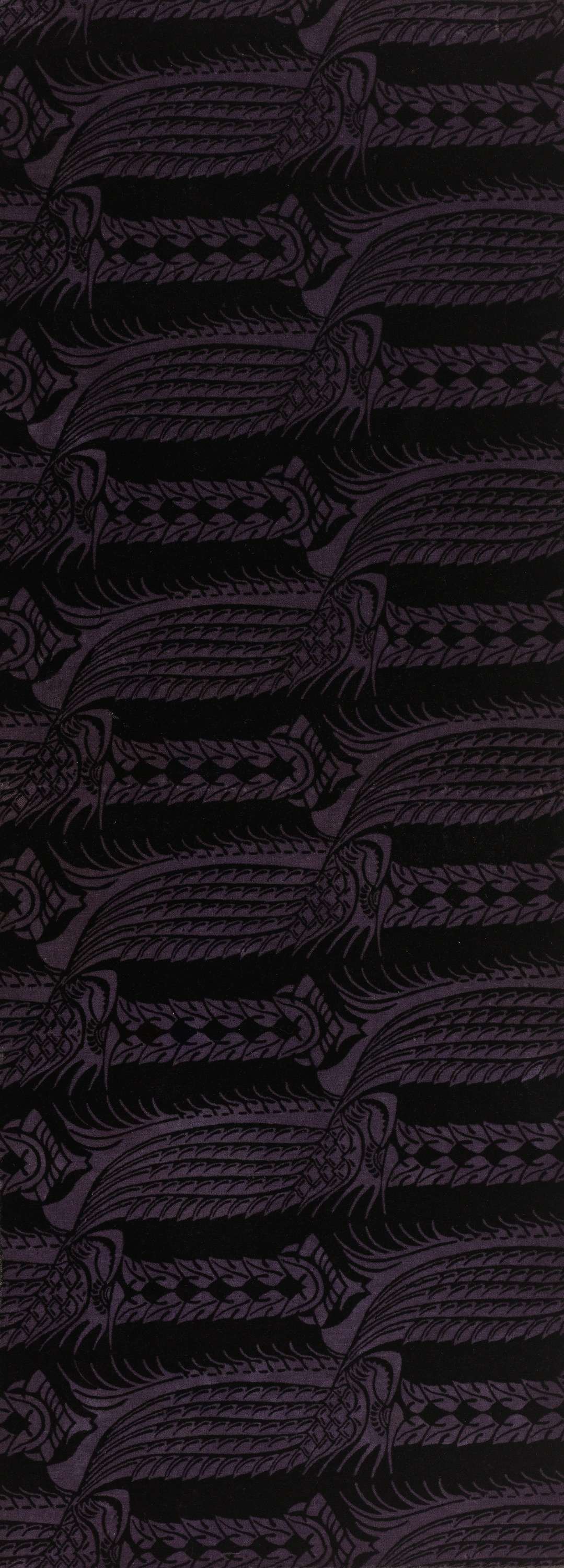
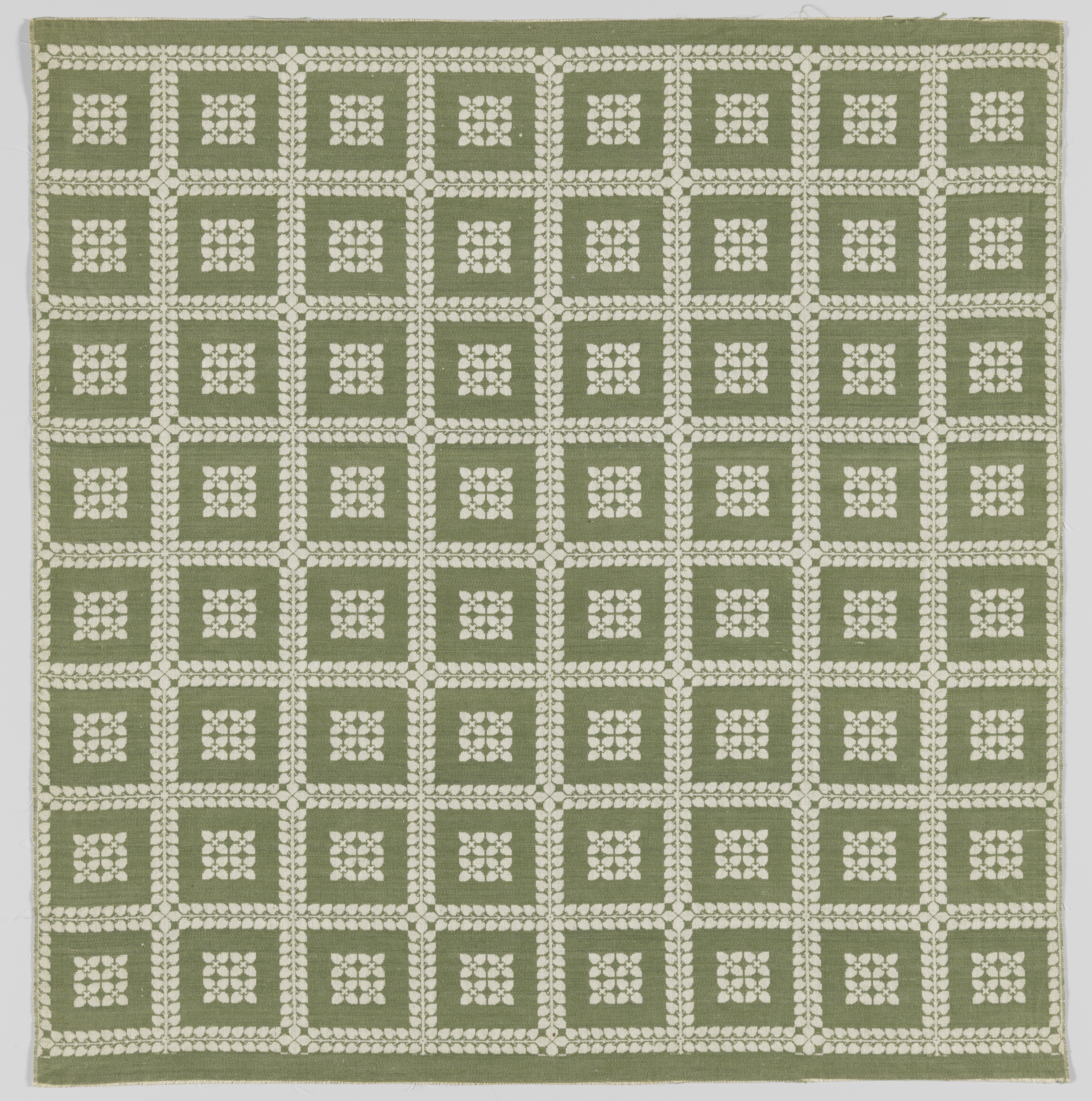
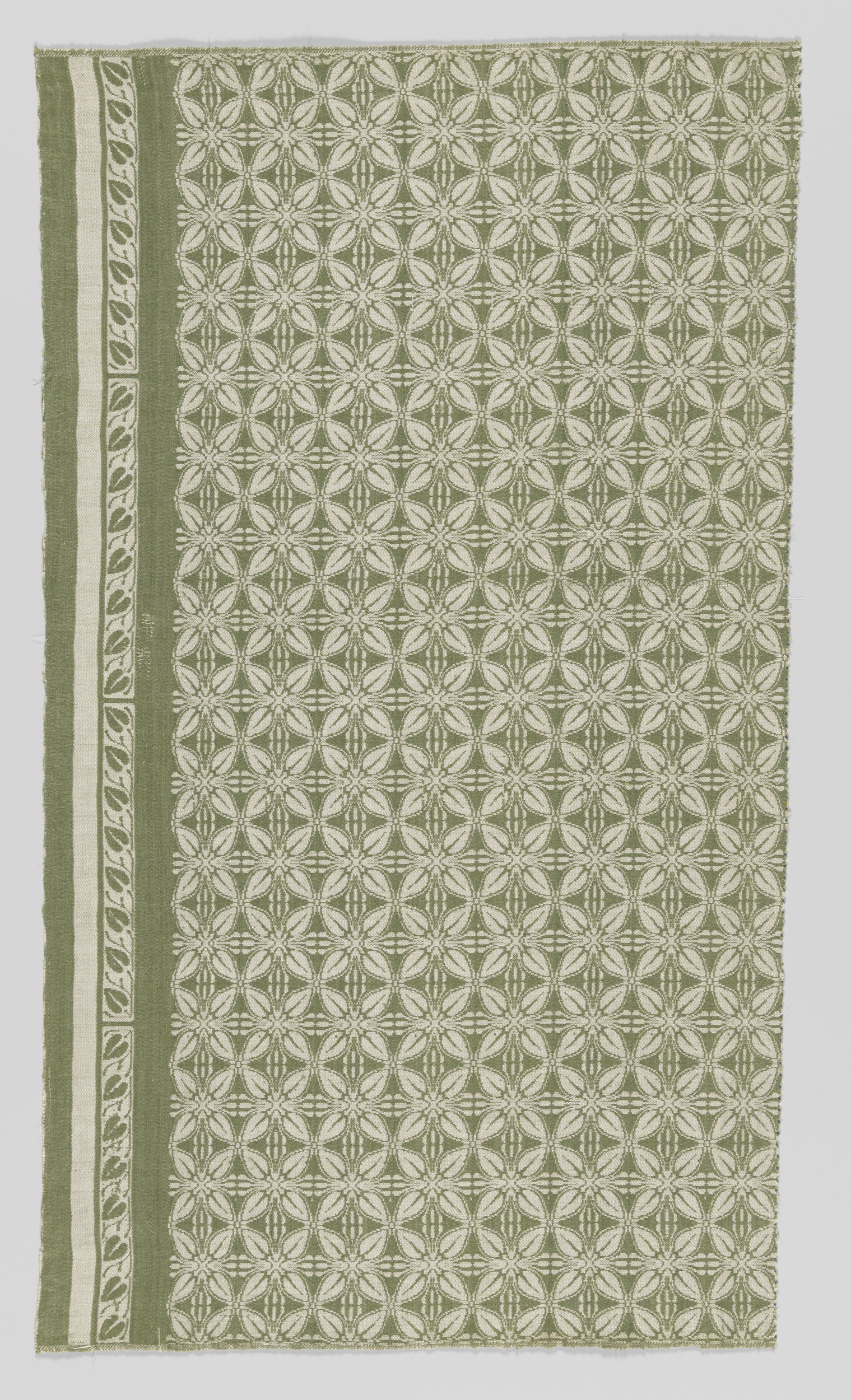
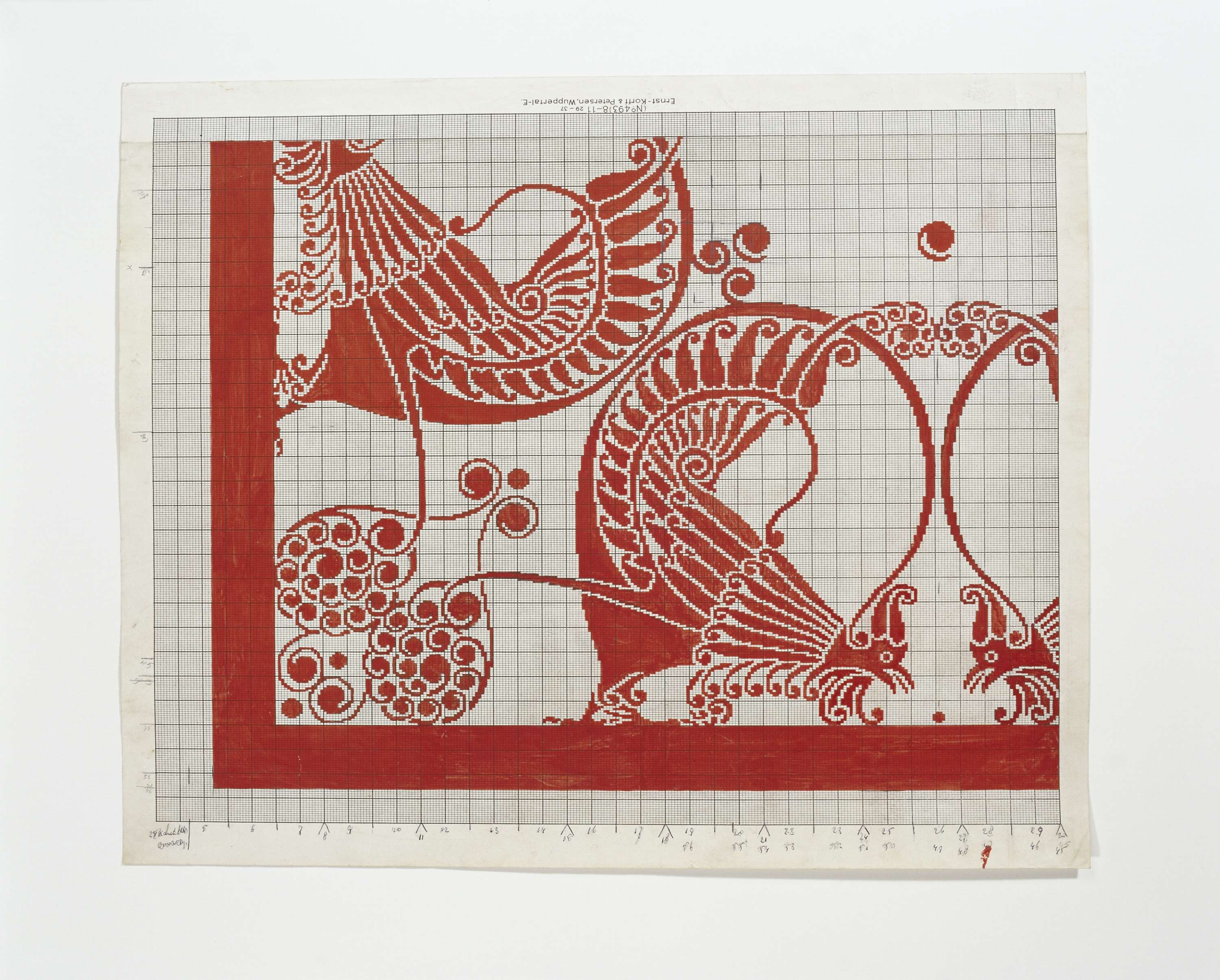
Could beauty survive in a century of chaos? The question lingers as we gaze upon this striking work, where the tumult of the world seems to weave itself into a tapestry of color and form. Look to the center of the canvas, where a series of geometric shapes converge in a harmonious dance of symmetry and asymmetry. The use of vibrant hues—deep blues intertwined with bright yellows—pulls the eye into the deliberate disorder. Notice how the lines, though seemingly chaotic, create an underlying rhythm, evoking a sense of calm amidst the chaos.
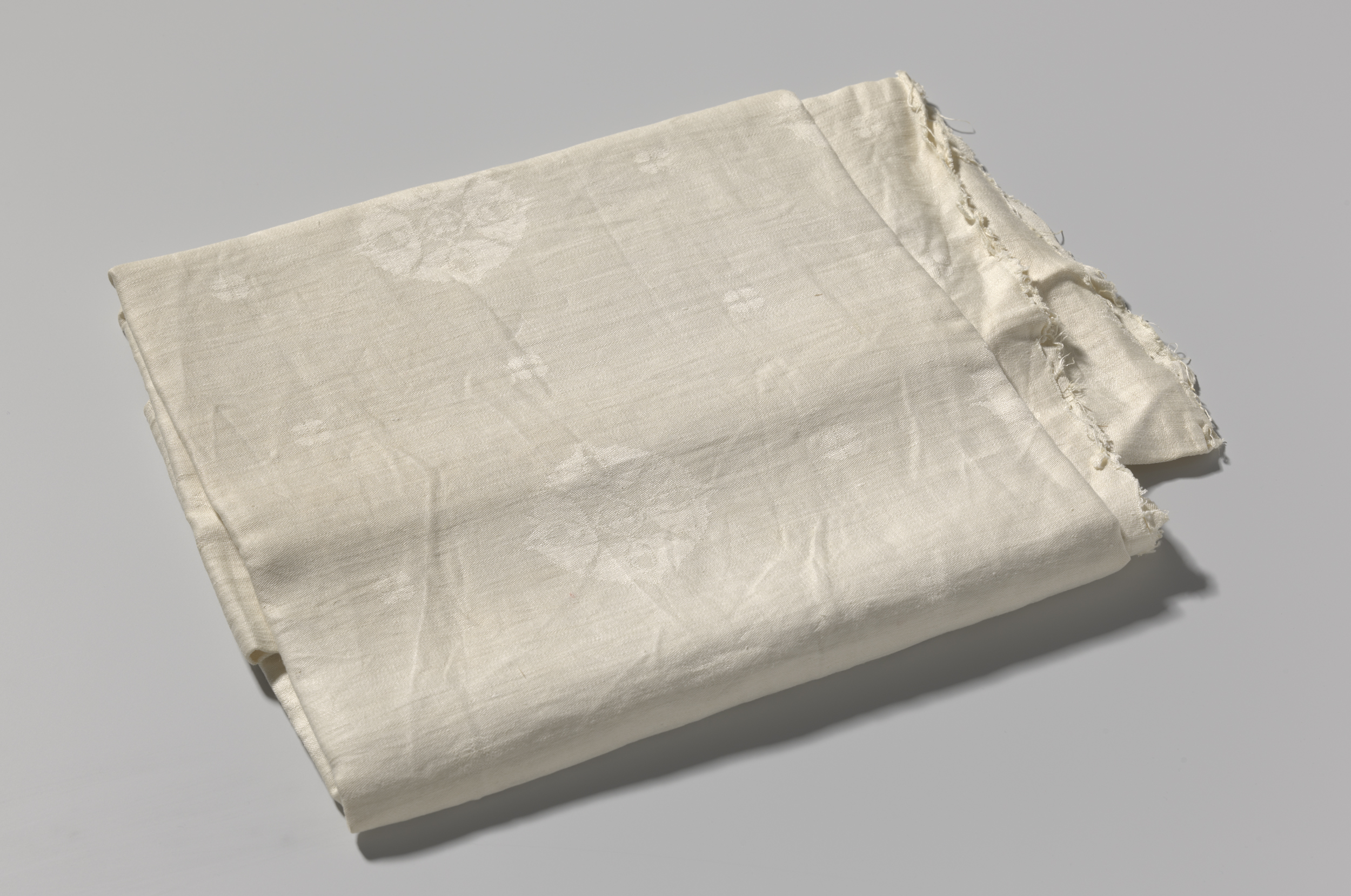
The texture of the linen adds a tactile quality, inviting closer inspection, as if the material itself yearns to be touched and understood. In this piece, the interplay between madness and beauty is profound. The geometric patterns can be interpreted as a reflection of the psychological turmoil of the time, hinting at a world grappling with modernity. Each shape, with its sharp angles and soft curves, draws attention to the contrasts between order and disorder, suggesting that even in the midst of chaos, beauty can emerge.
The vibrant colors serve as a metaphor for resilience—a reminder that the human spirit can flourish against all odds. Created during the years between 1888 and 1945, the artist found himself at the forefront of a tumultuous period in art history. Living in a time marked by both innovation and upheaval, he explored the boundaries of design and abstraction. This era was defined by a push against traditional forms and an embrace of the avant-garde, with his work capturing the essence of a rapidly changing world and the chaotic beauty that can rise within it.