Stahlwerk Krupp in Essen — History & Analysis
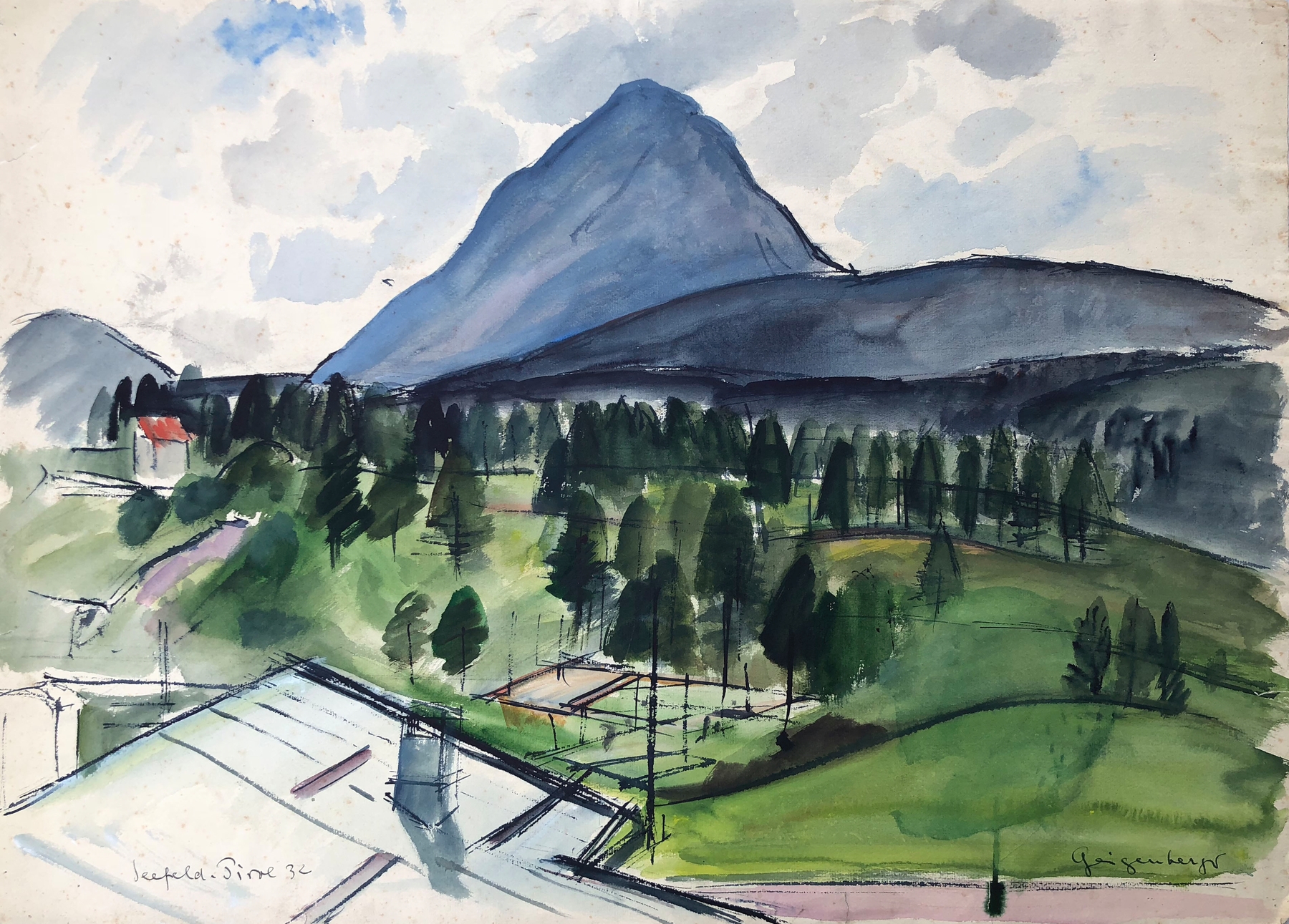
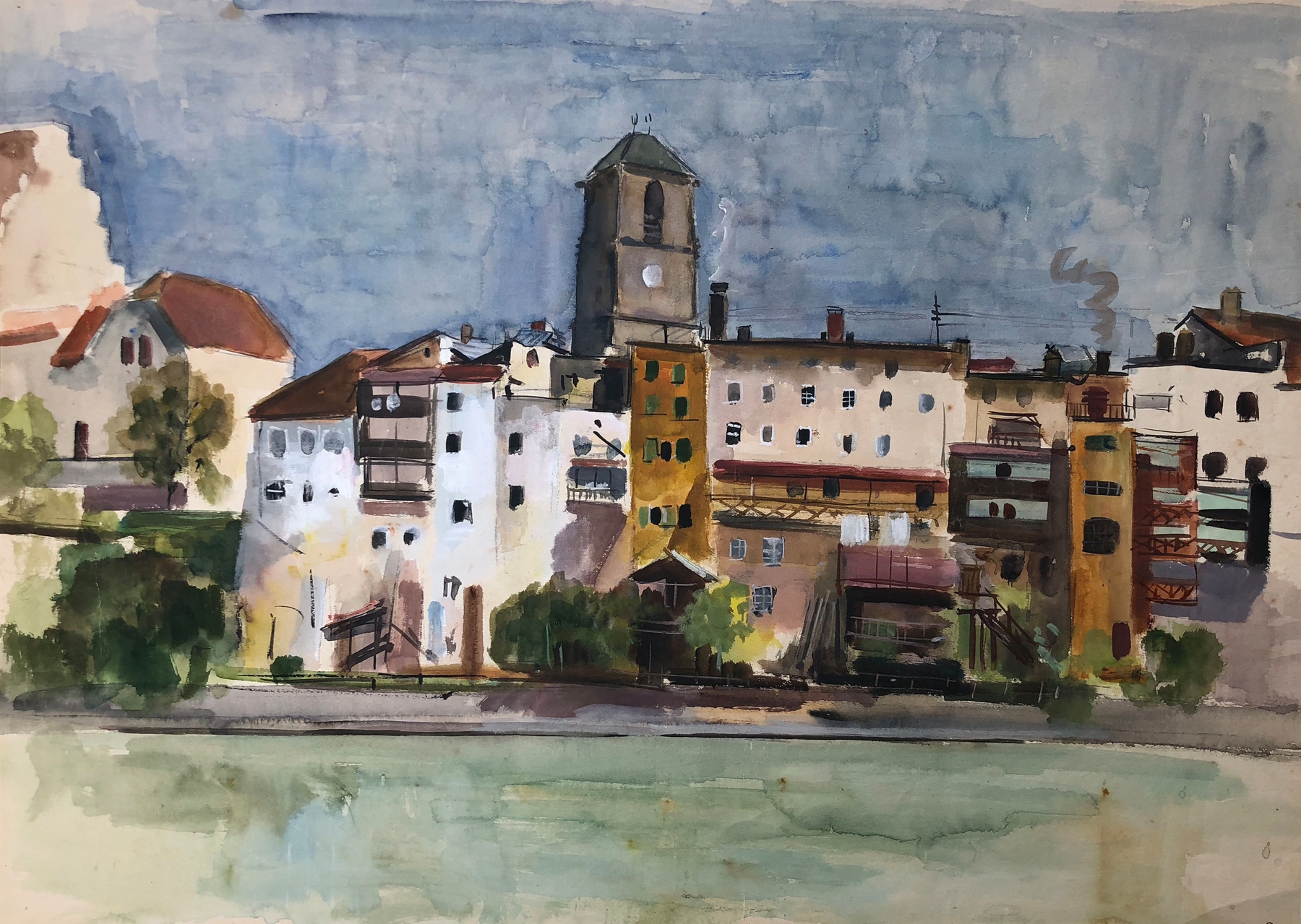
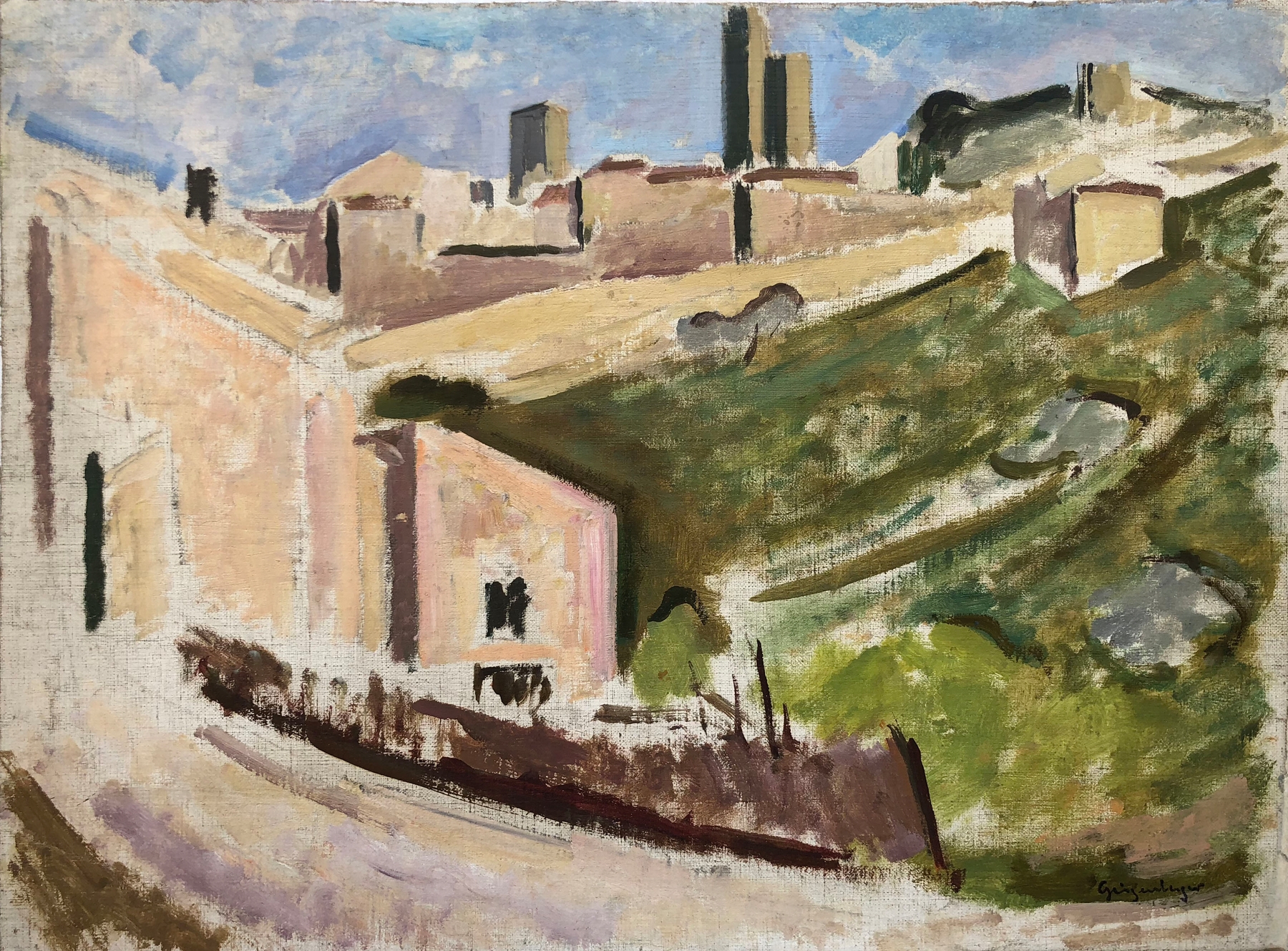
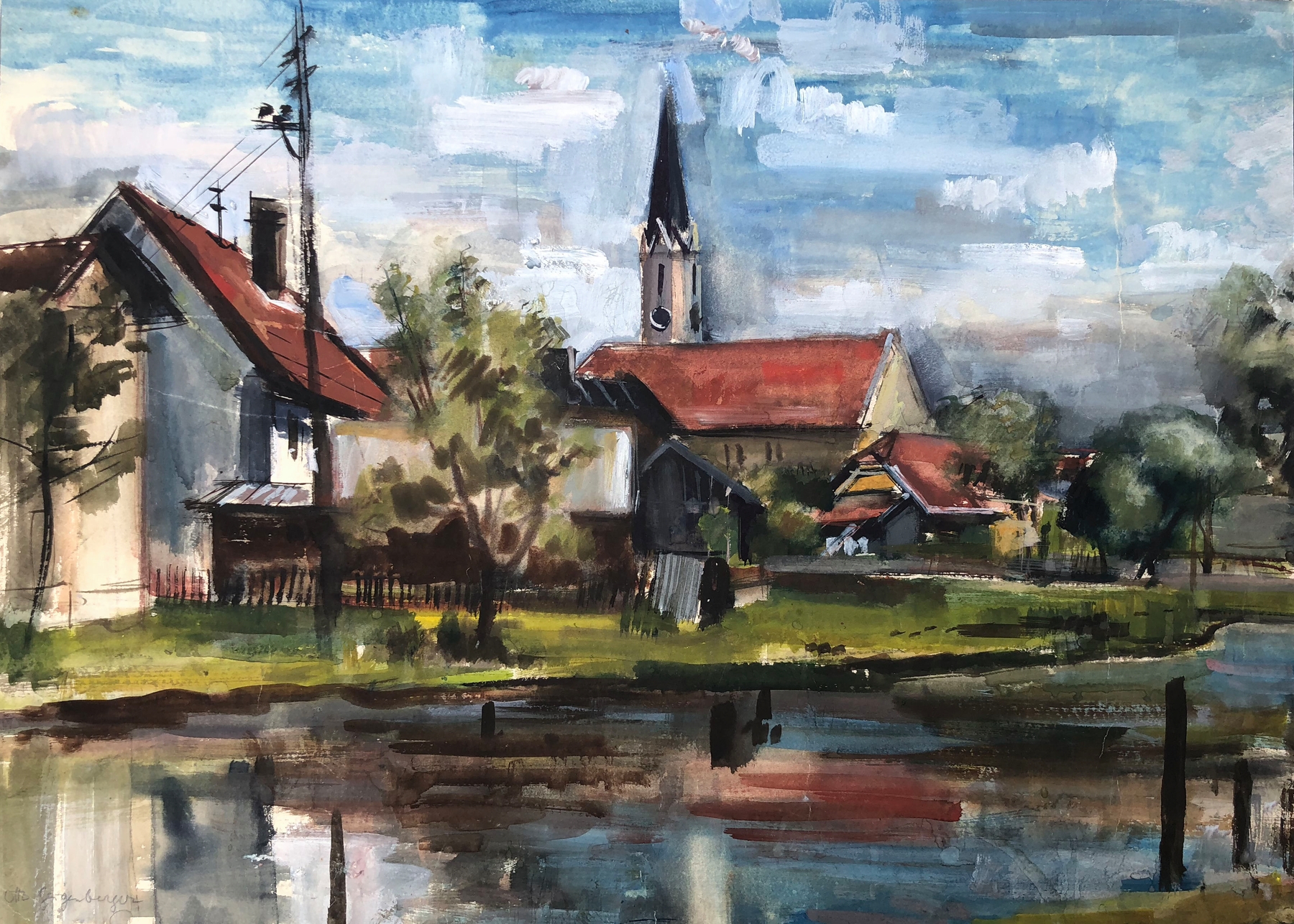
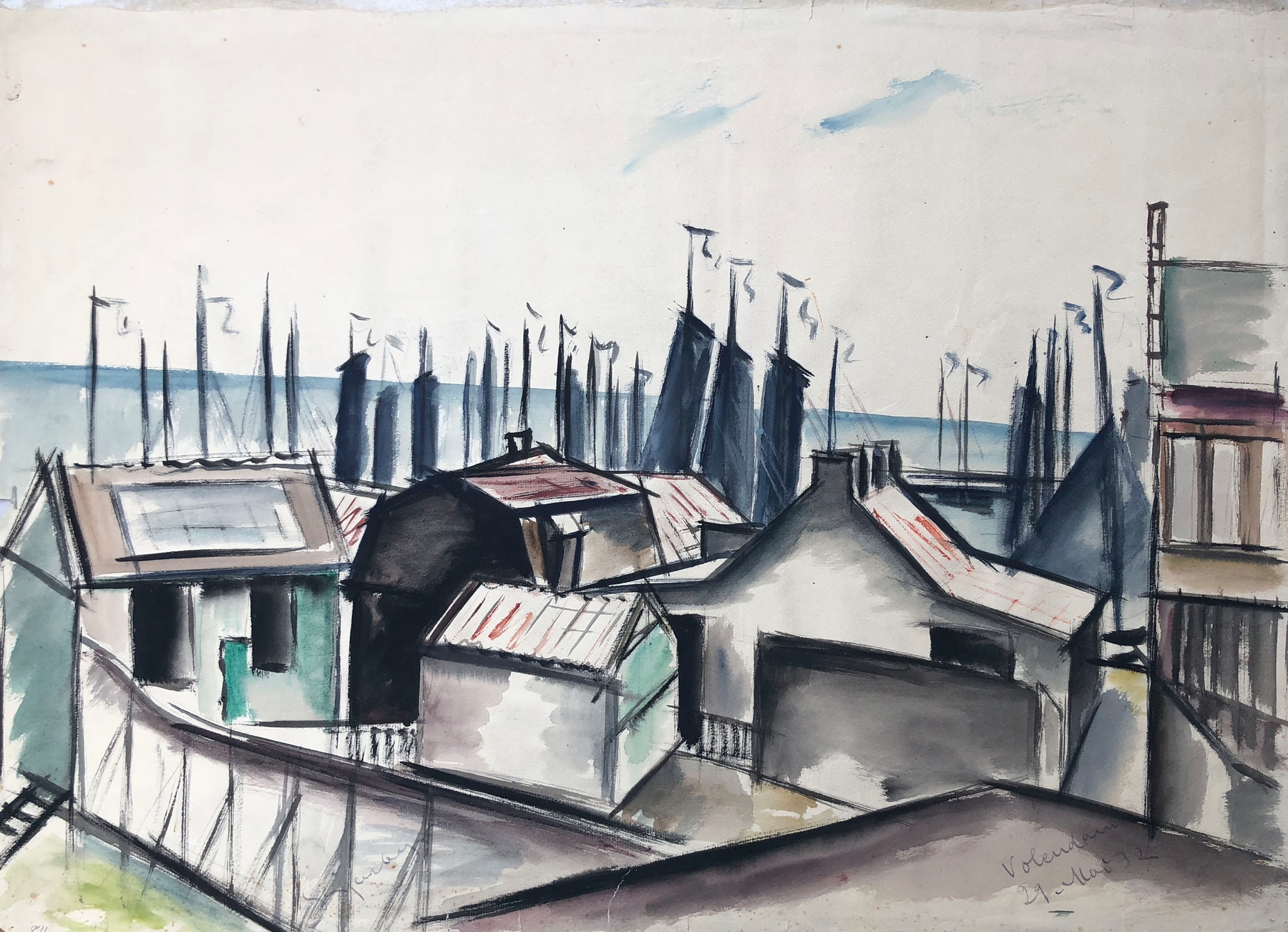
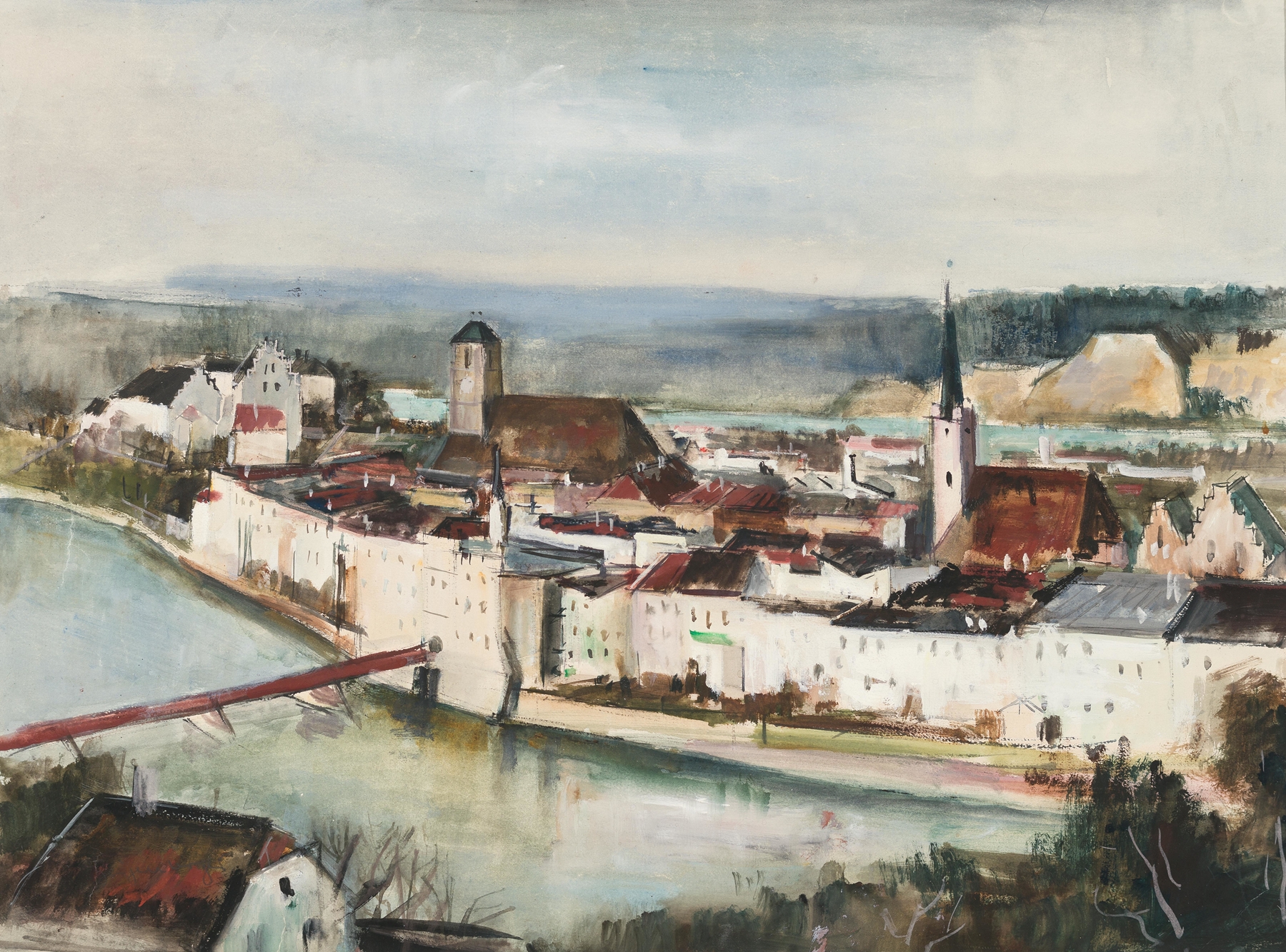
“To paint is to remember what time wants us to forget.” In a world where industry meets artistry, the clash of machinery and emotion births a vivid narrative of ecstasy and chaos. Focus first on the bold lines and harsh angles that define the composition; they draw your eye across the canvas, mimicking the rhythm of steel being forged. The interplay of light and shadow suggests a dynamic tension, illuminating the industrial forms while casting dark recesses that seem to breathe life into the scene. Notice how the palette intertwines deep grays and fiery oranges, echoing both the raw power of labor and the beauty found within its struggle.
This is a world where every detail is a testament to the triumph of progress, yet laced with an undercurrent of human endeavor. As you explore further, consider the juxtaposition of the massive steel structures against the fragile human figures at work. The men, dwarfed and consumed by their surroundings, embody both pride and weariness — a reflection of the era's relentless pursuit of advancement. The contrasting textures of the smooth metal and rough terrain depict not only the physical labor but also the emotional stakes involved in this industrial revolution.
Here, ecstasy and exhaustion exist side by side, a duality that resonates deeply within the viewer’s psyche. During 1932, Otto Geigenberger was immersed in the tumultuous landscape of pre-war Germany, where industrialization was at its zenith. Painted in Essen, a hub of manufacturing, this piece captures the fervent energy and the evolving identity of a nation on the brink of monumental change. At this time, Geigenberger was exploring themes of modernity and the impact of industrial growth, setting a precedent for future artistic movements that sought to reconcile humanity with the relentless pace of progress.