Südliche Stadt auf einem Hügel — History & Analysis
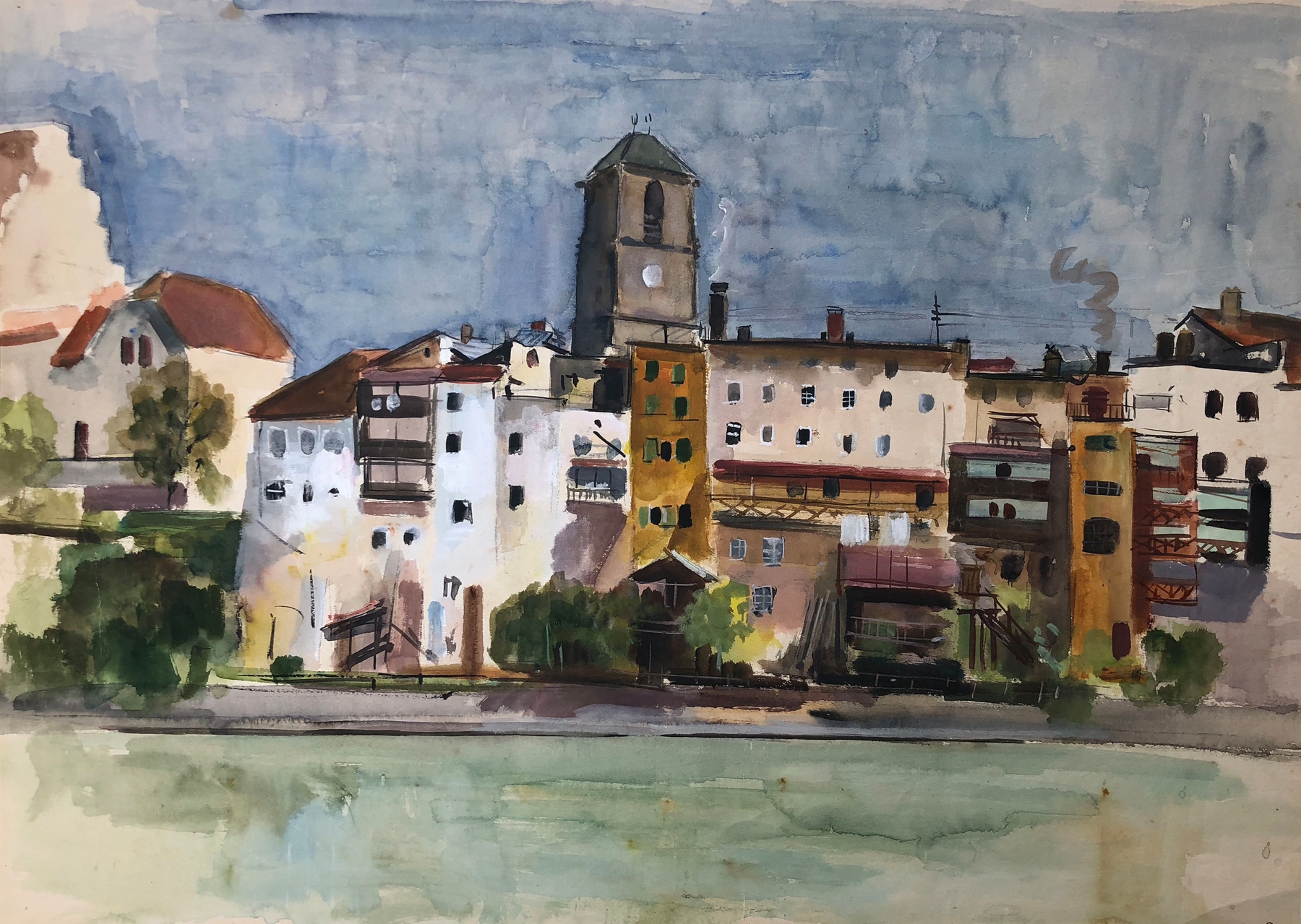
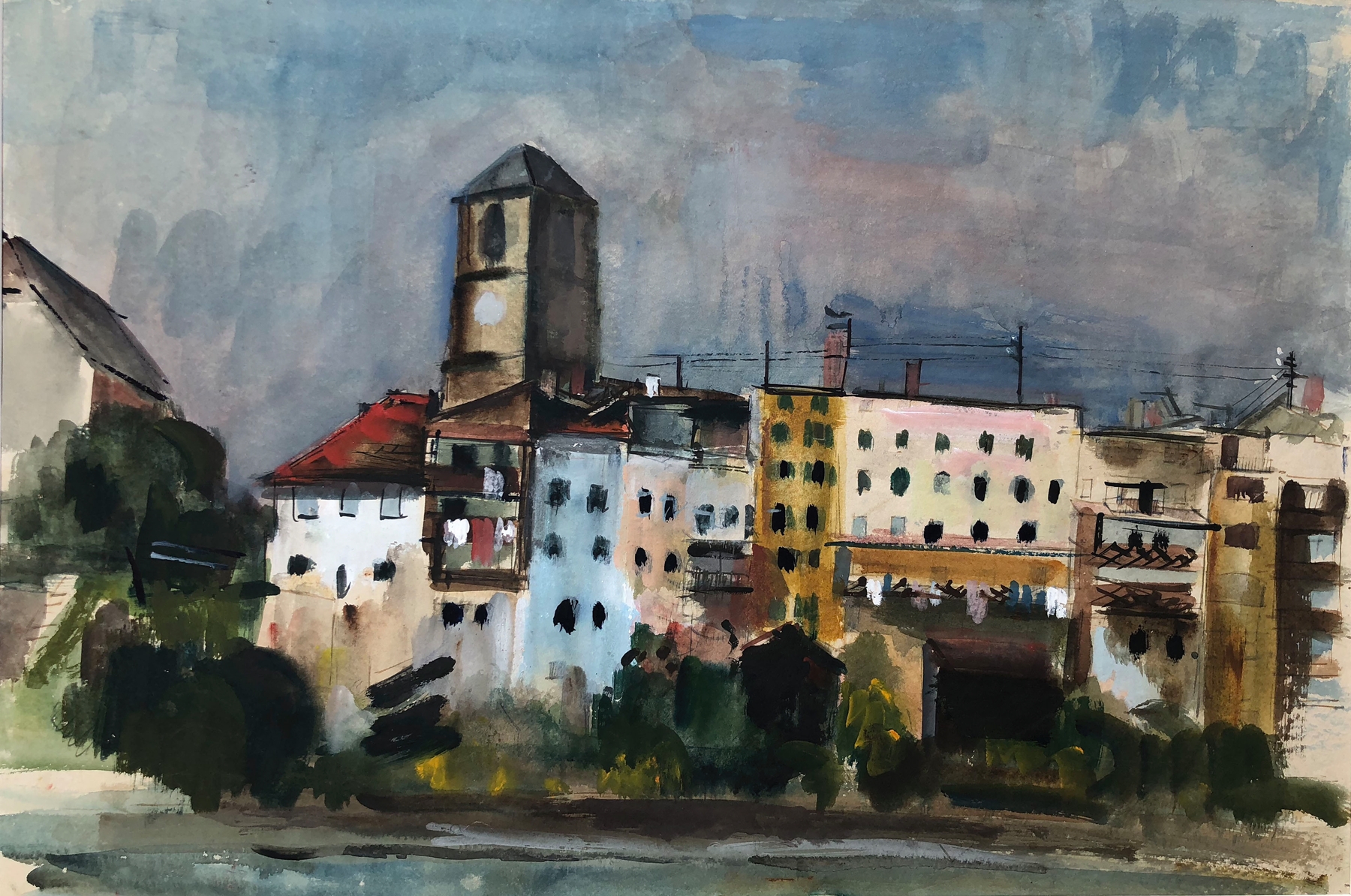
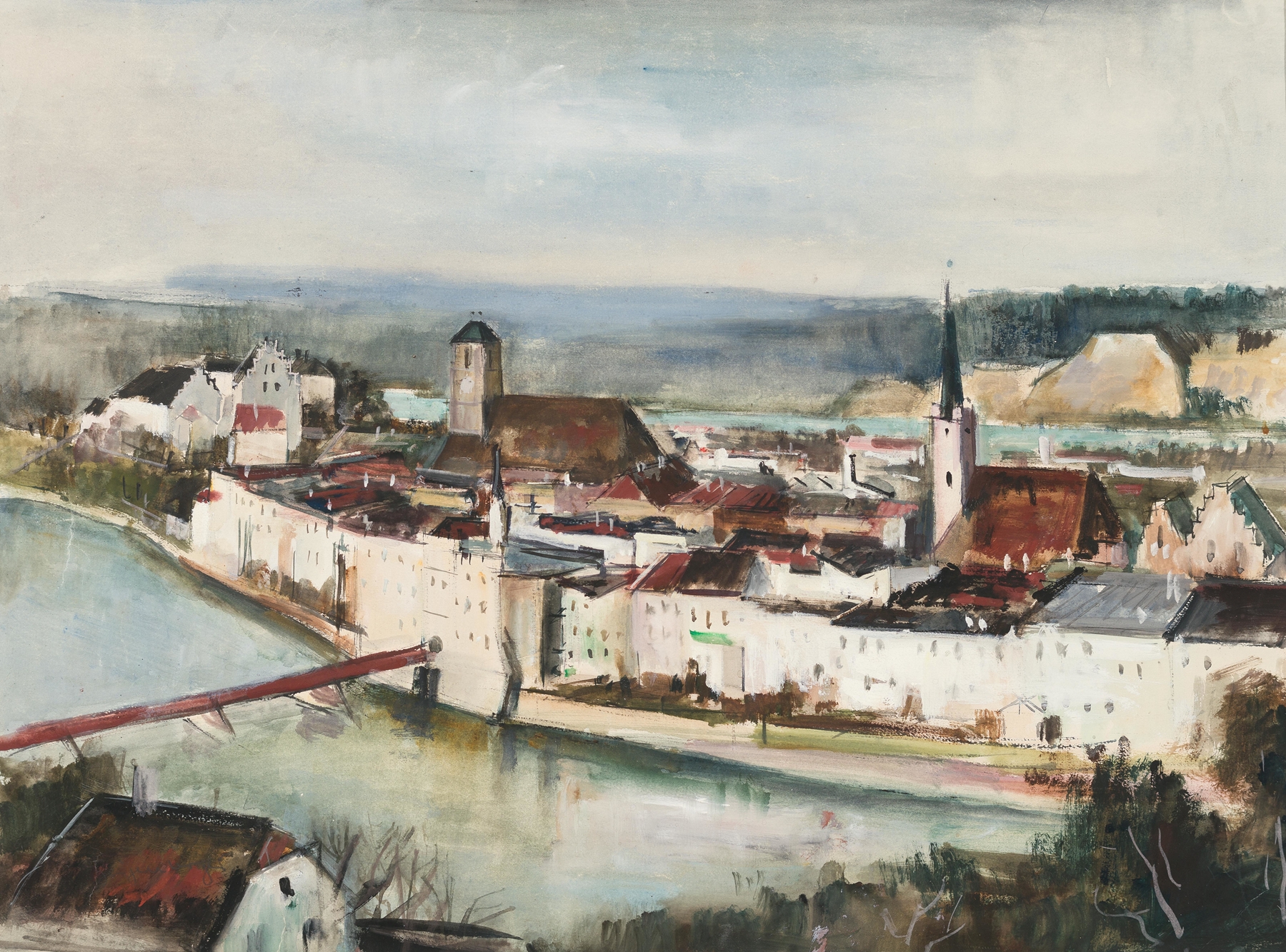
Who listens when art speaks of silence? In the stillness of Südliche Stadt auf einem Hügel, a tranquil moment unfolds, inviting the viewer to contemplate the whispers of a landscape drenched in muted tones. Look to the center, where the hill rises gently, crowned by the soft silhouettes of quaint buildings. Notice how the warm ochres and earth tones blend seamlessly into the cool blues of the sky, creating a harmonious balance that embodies serenity.
The brushwork, delicate yet purposeful, invites your eye to wander down the winding paths that snake through the village, leading to forgotten corners and hidden stories. The artist plays with contrasts; the vibrant life of the city juxtaposed against the stillness of the surrounding nature. The soft glow of twilight suggests both an end and a beginning, resonating with the theme of creation. Look closely at the shadows that envelop the buildings; they hint at the lives lived within, the hopes and dreams suspended in the quiet evening air.
Here, silence breathes with meaning, revealing both solitude and community in tender balance. Otto Geigenberger painted this study during a transformative period in his artistic journey, likely in the early 20th century, reflecting the shifts in German society. He was exploring the interplay of light and color, drawing from the influences of Impressionism while carving his own path. This moment of creation captured the essence of a city not just built, but alive with the pulse of human experience amidst the quiet hills.