Volendam in Holland — History & Analysis
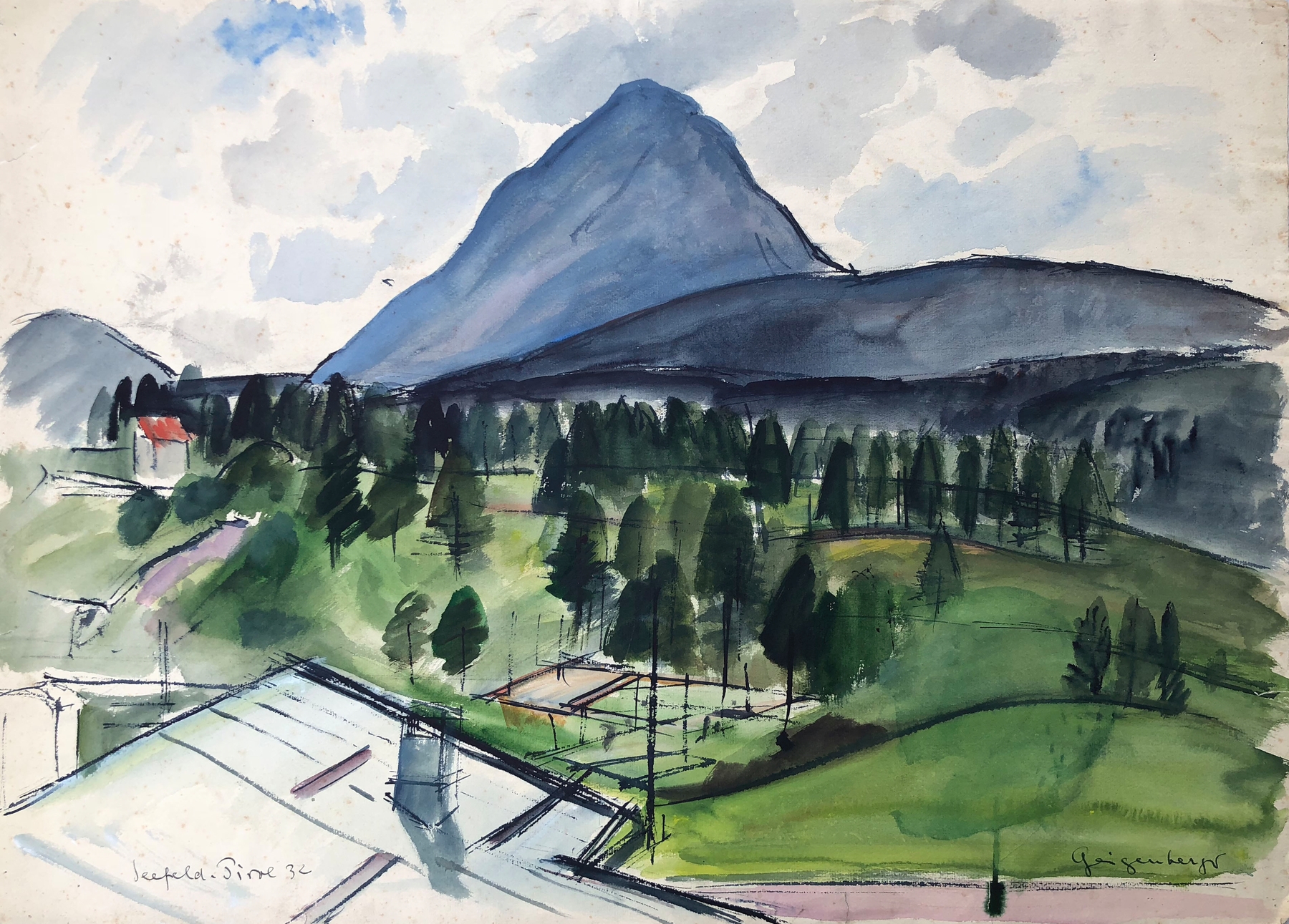
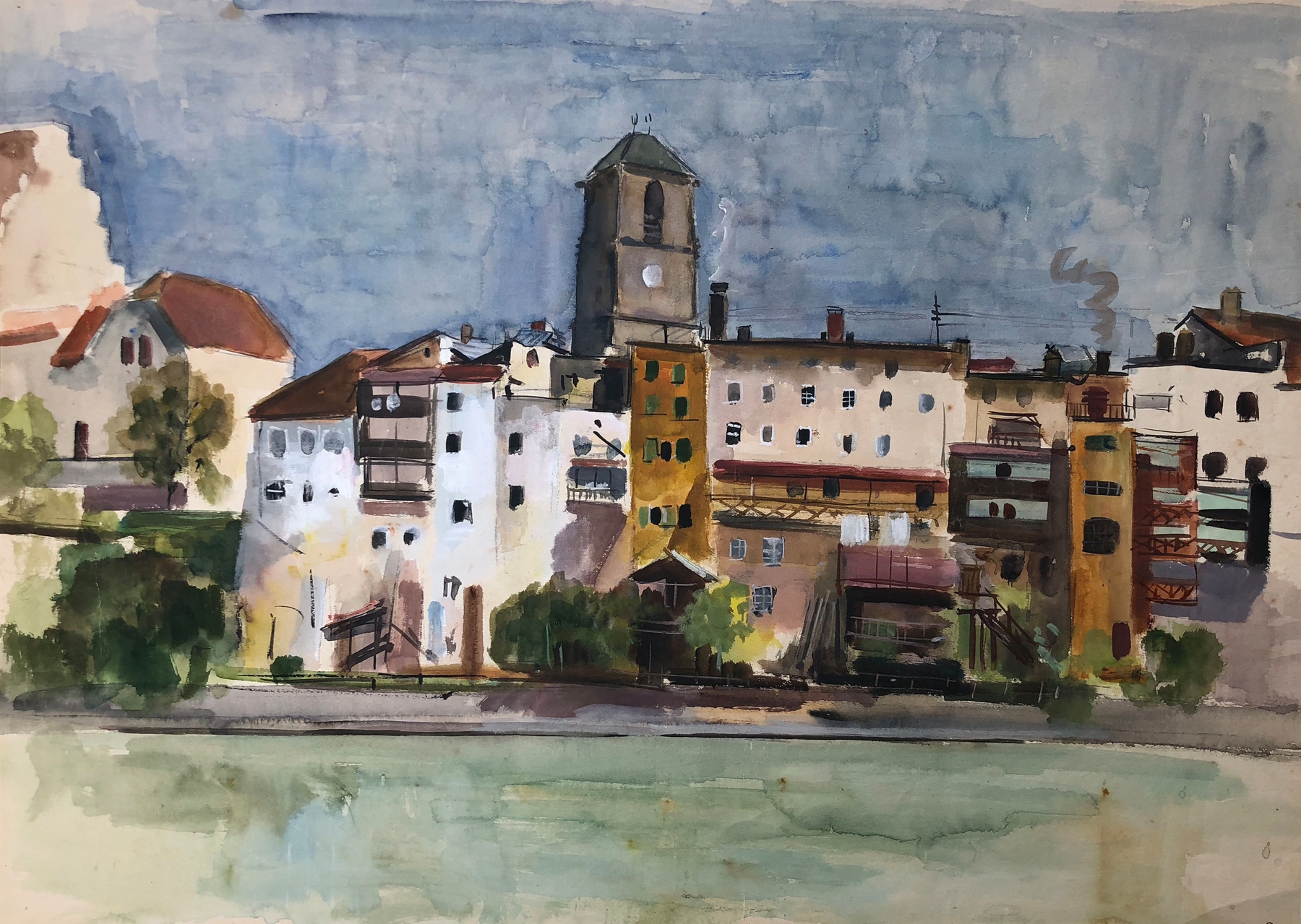
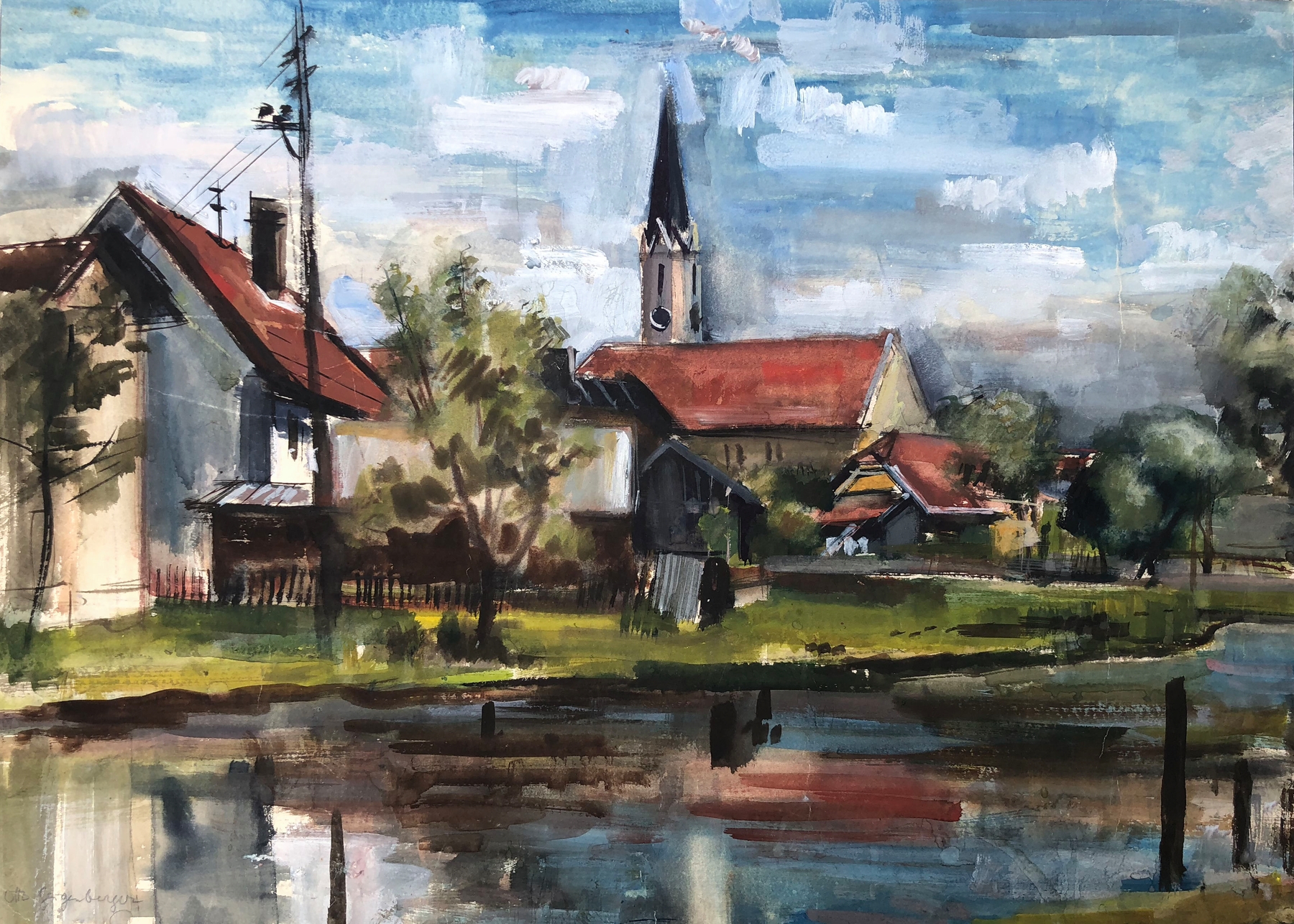
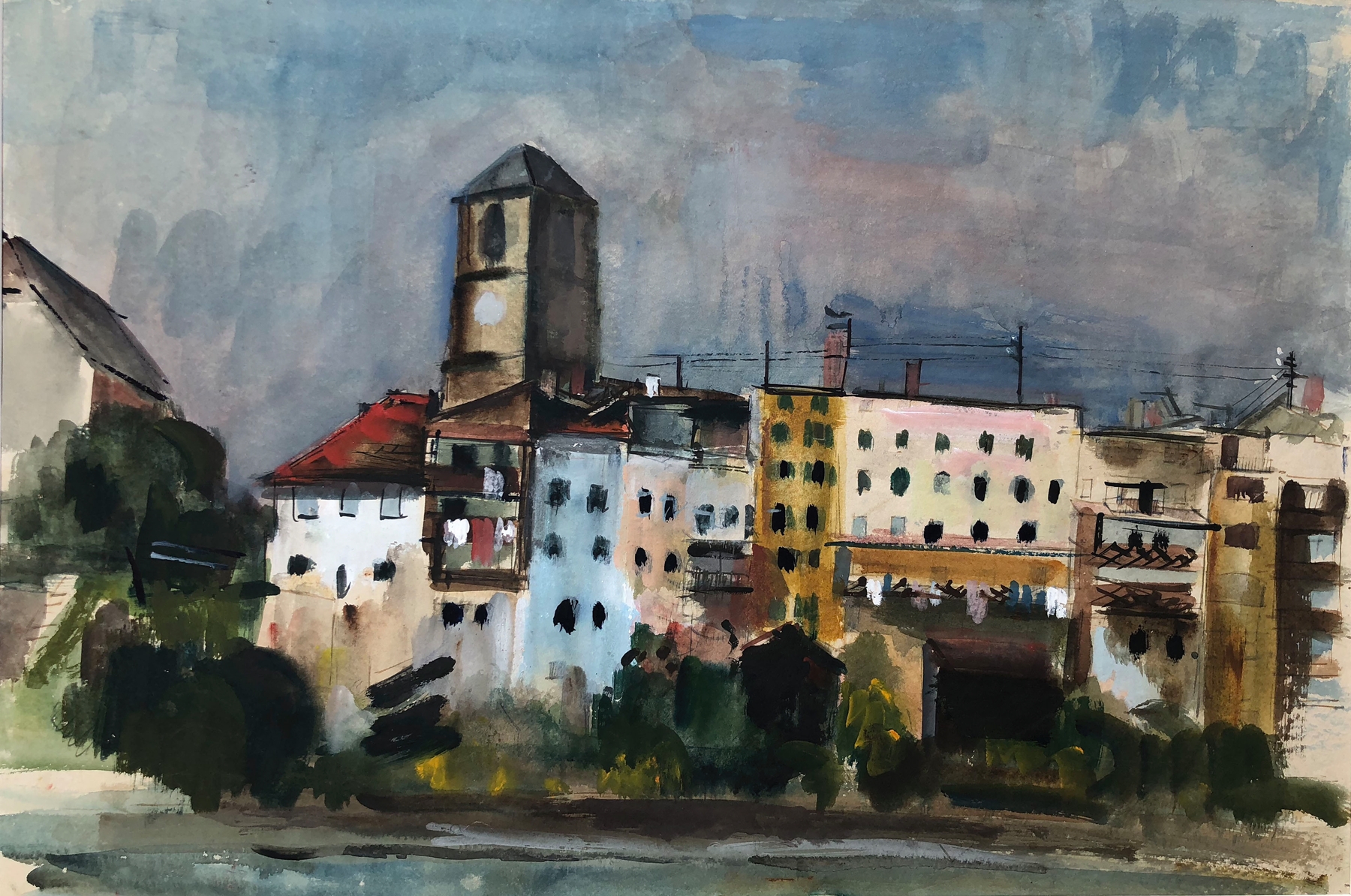
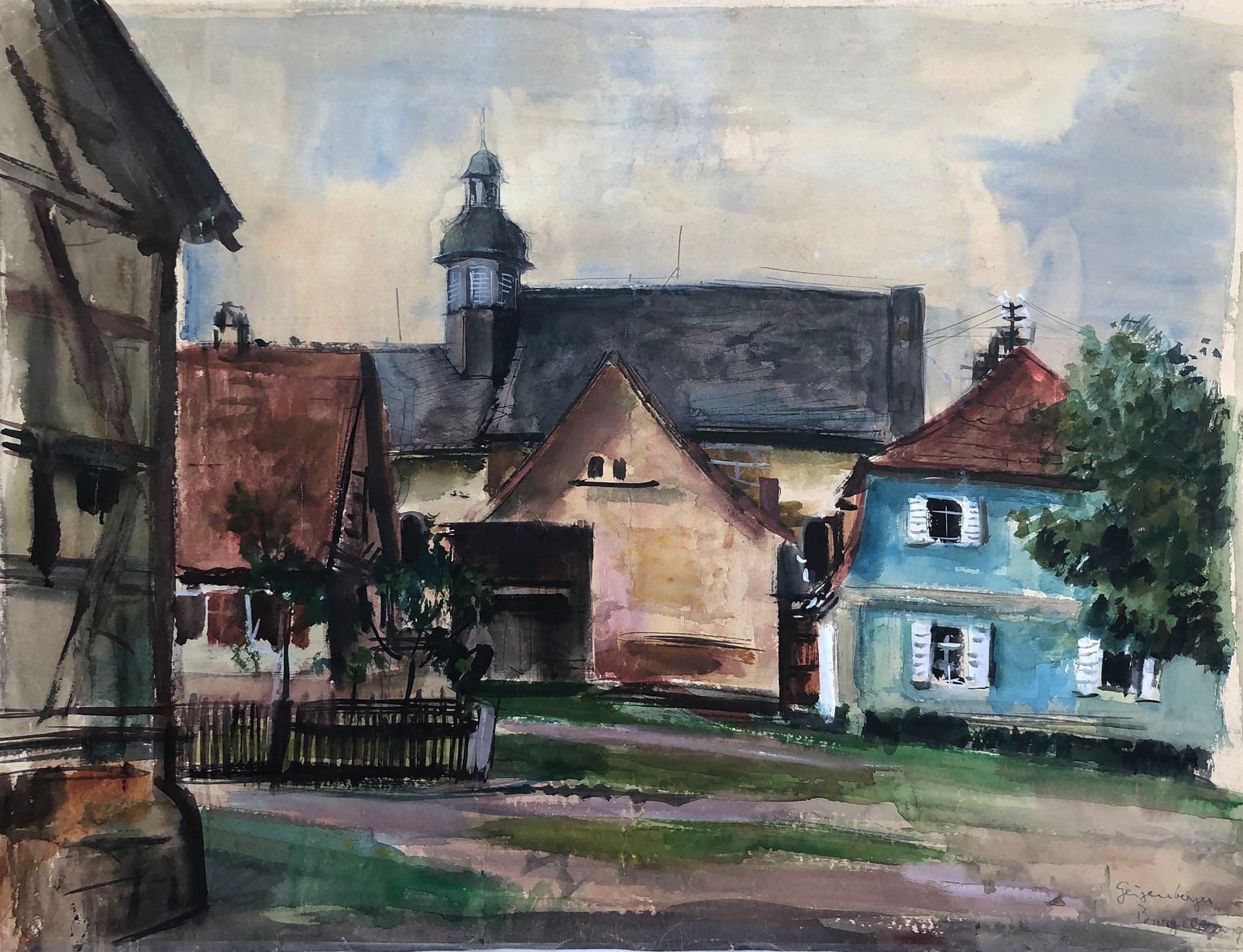
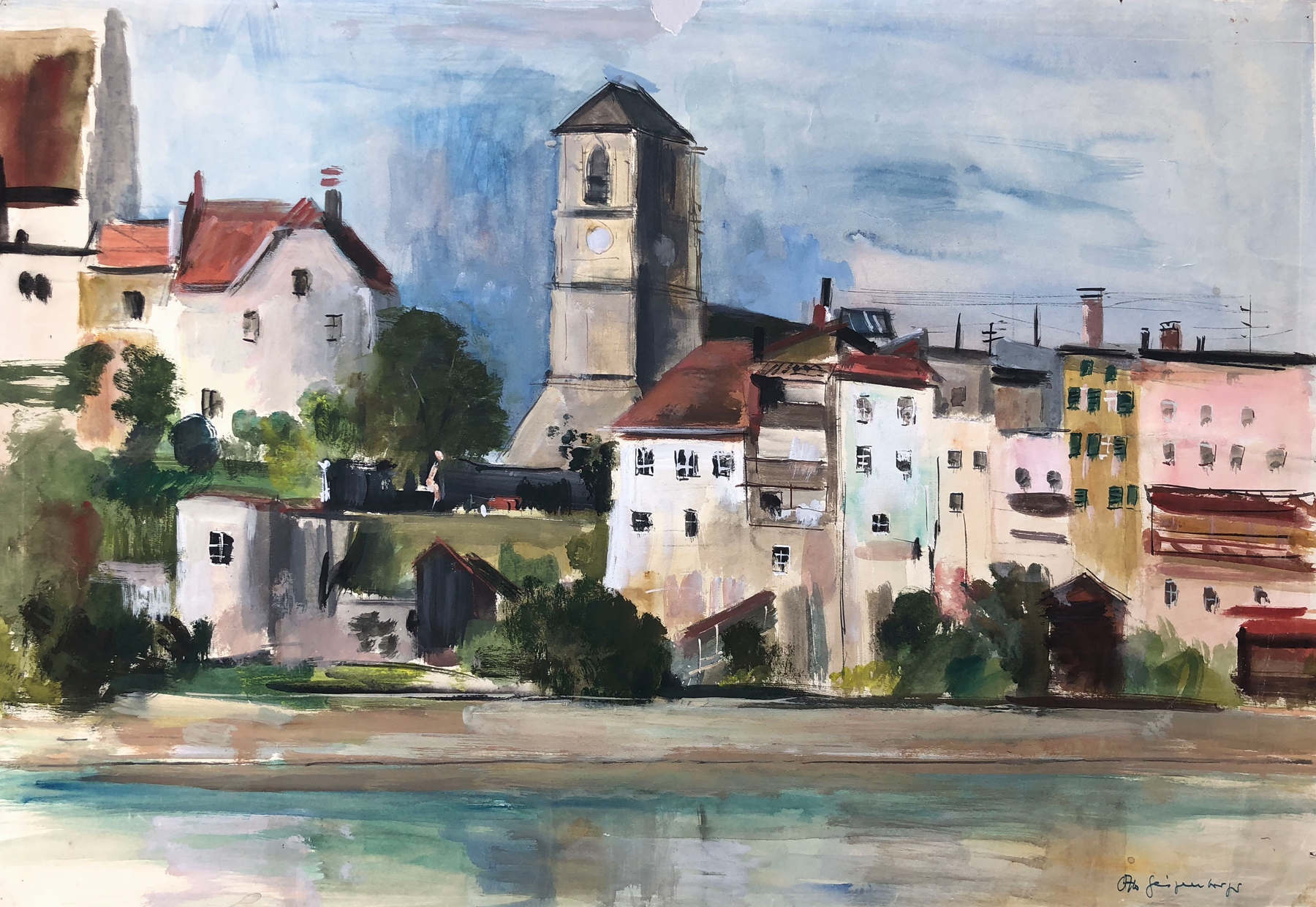
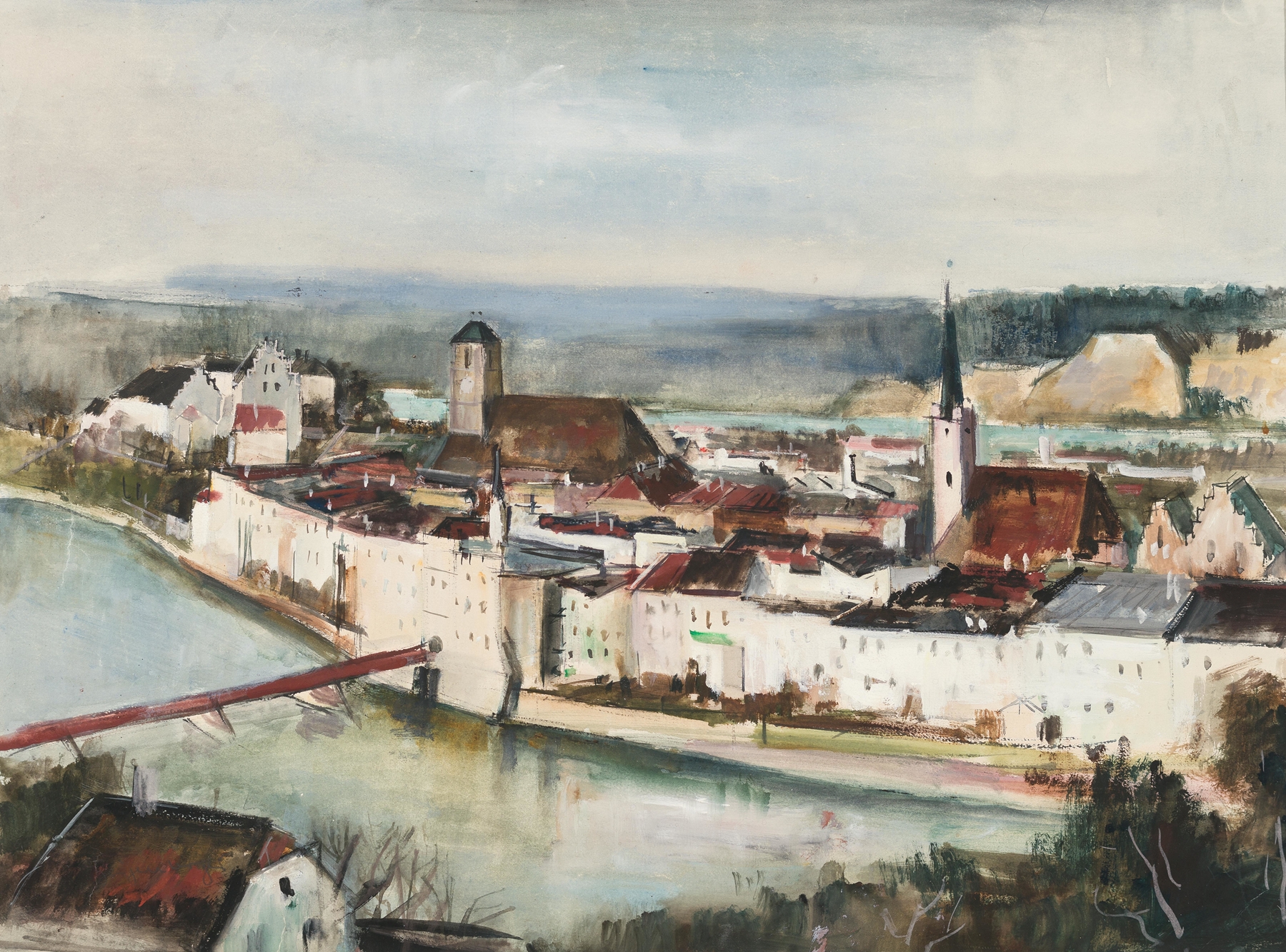
Who listens when art speaks of silence? In Volendam in Holland, the canvas captures a moment suspended in time, where stillness is both profound and awe-inspiring. Look to the left, where the quiet ripples of water mirror the soft hues of a dawning sky. The gentle brushstrokes conjure a sense of calm, inviting your gaze to linger on the quaint fishing boats, their muted colors harmonizing with the environment. Notice how the light dances across the water’s surface, illuminating the scene with a delicate glow that hints at the early morning sun.
The composition balances simplicity and depth, inviting a contemplative mood that resonates with the viewer. Beneath the serene surface lies a subtle narrative of life’s enduring cycles. The boats, poised like silent sentinels, speak to the hard labor and quiet resilience of the fishermen, while the foggy horizon suggests both mystery and hope. The palette, dominated by soft blues and earthy tones, creates a tranquil yet poignant contrast to the unyielding passage of time—an ode to both beauty and transience.
Each detail, from the texture of the water to the silhouette of the village, beckons introspection and appreciation. In 1932, Otto Geigenberger was immersed in the post-World War I landscape, navigating the complexities of artistic expression in a time of transition. Living in Germany, he sought refuge in the idyllic settings of the Netherlands, capturing the essence of everyday life. This work embodies a moment of stillness amidst the shifting currents of his era, reflecting not only his personal journey but also the broader quest for peace in a world recovering from turmoil.