Landschaft mit Kirche — History & Analysis
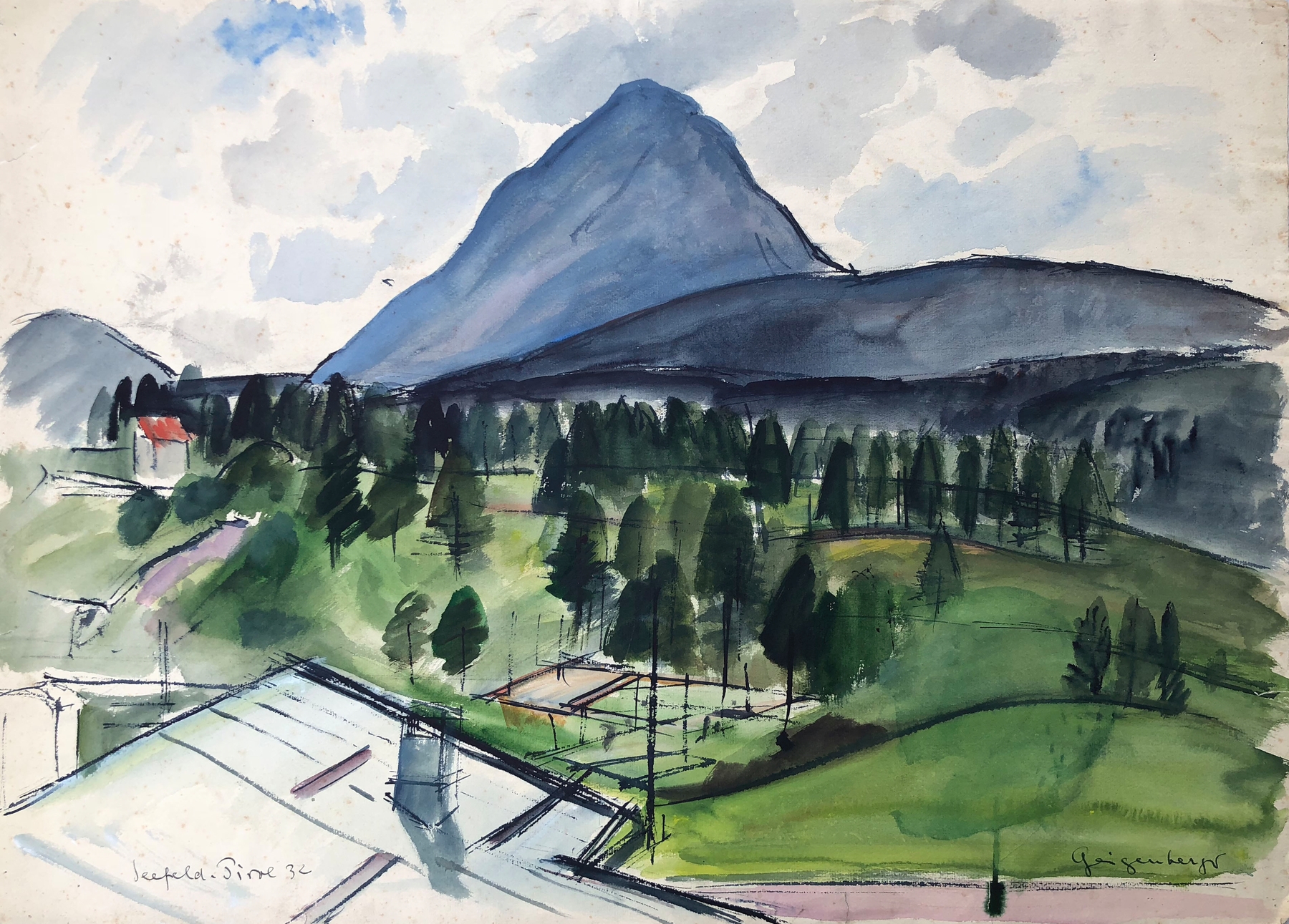
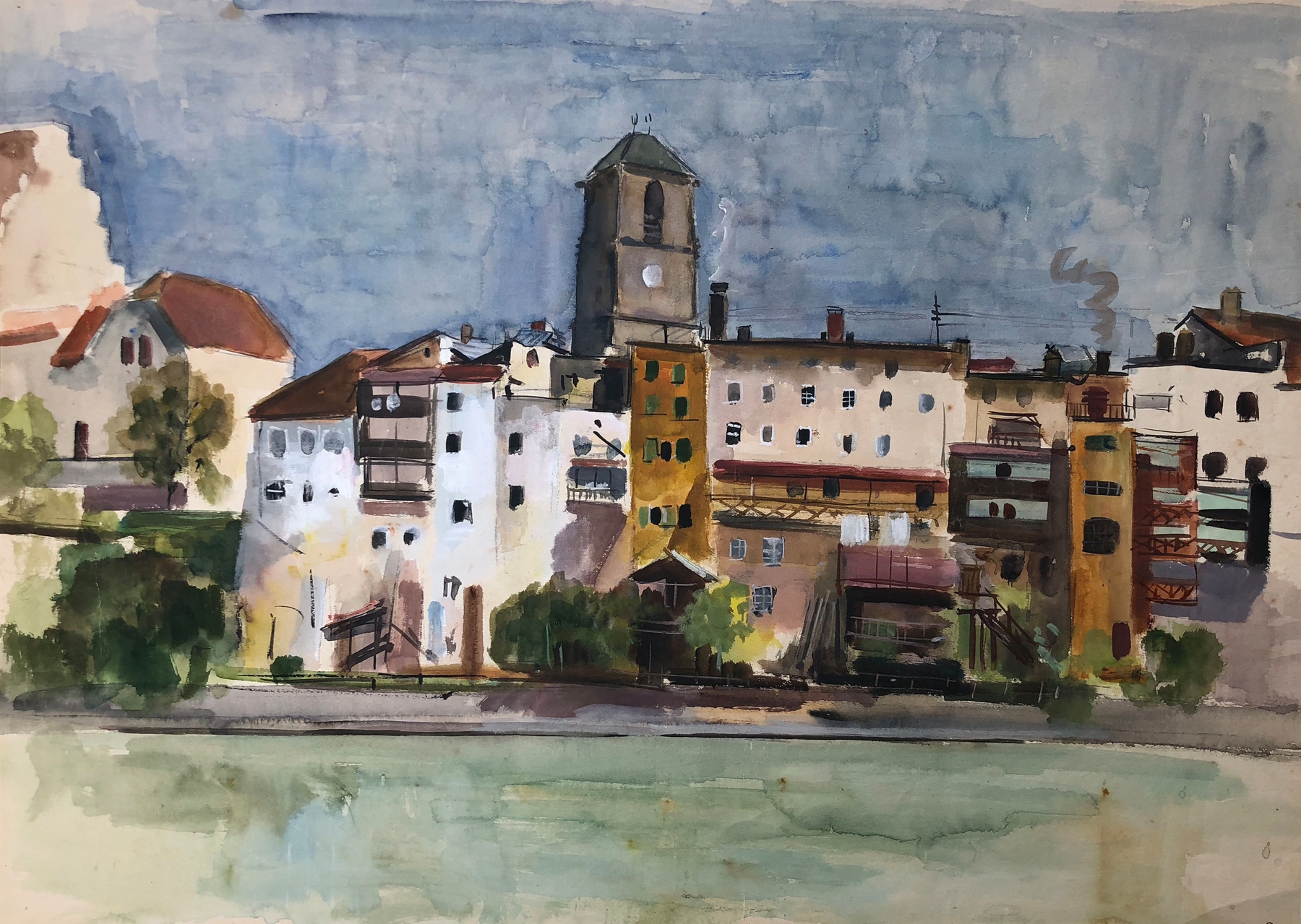
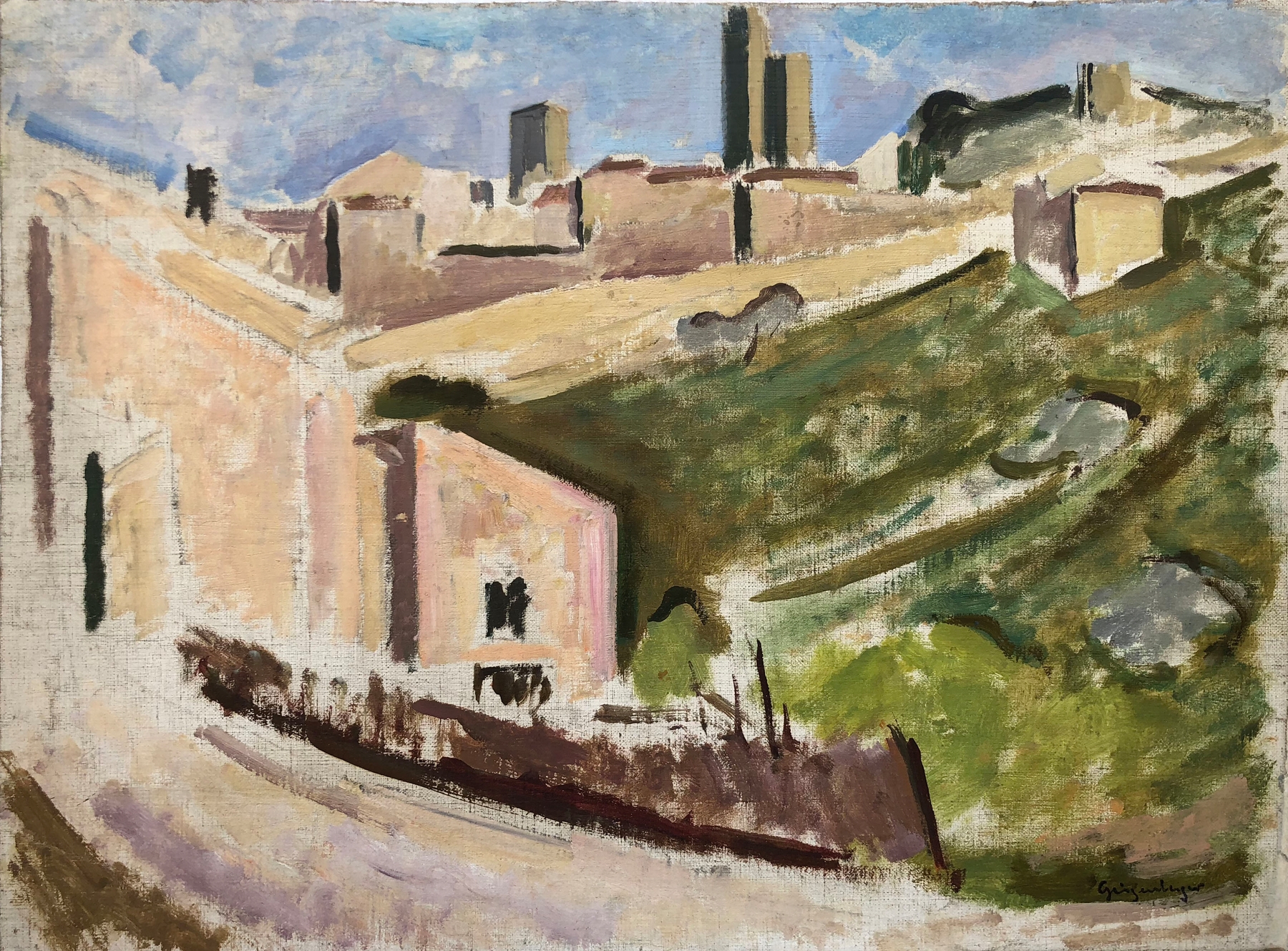
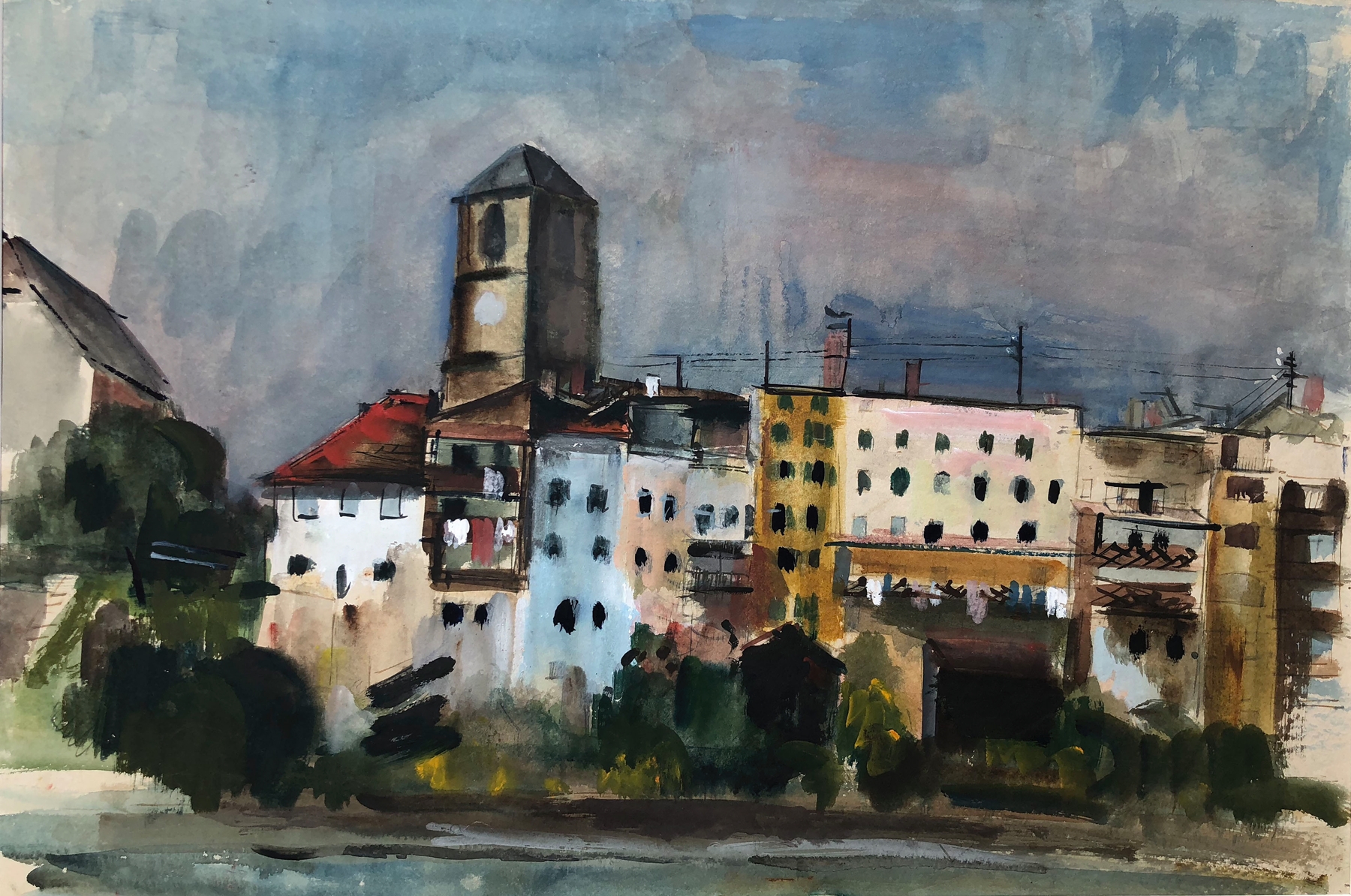
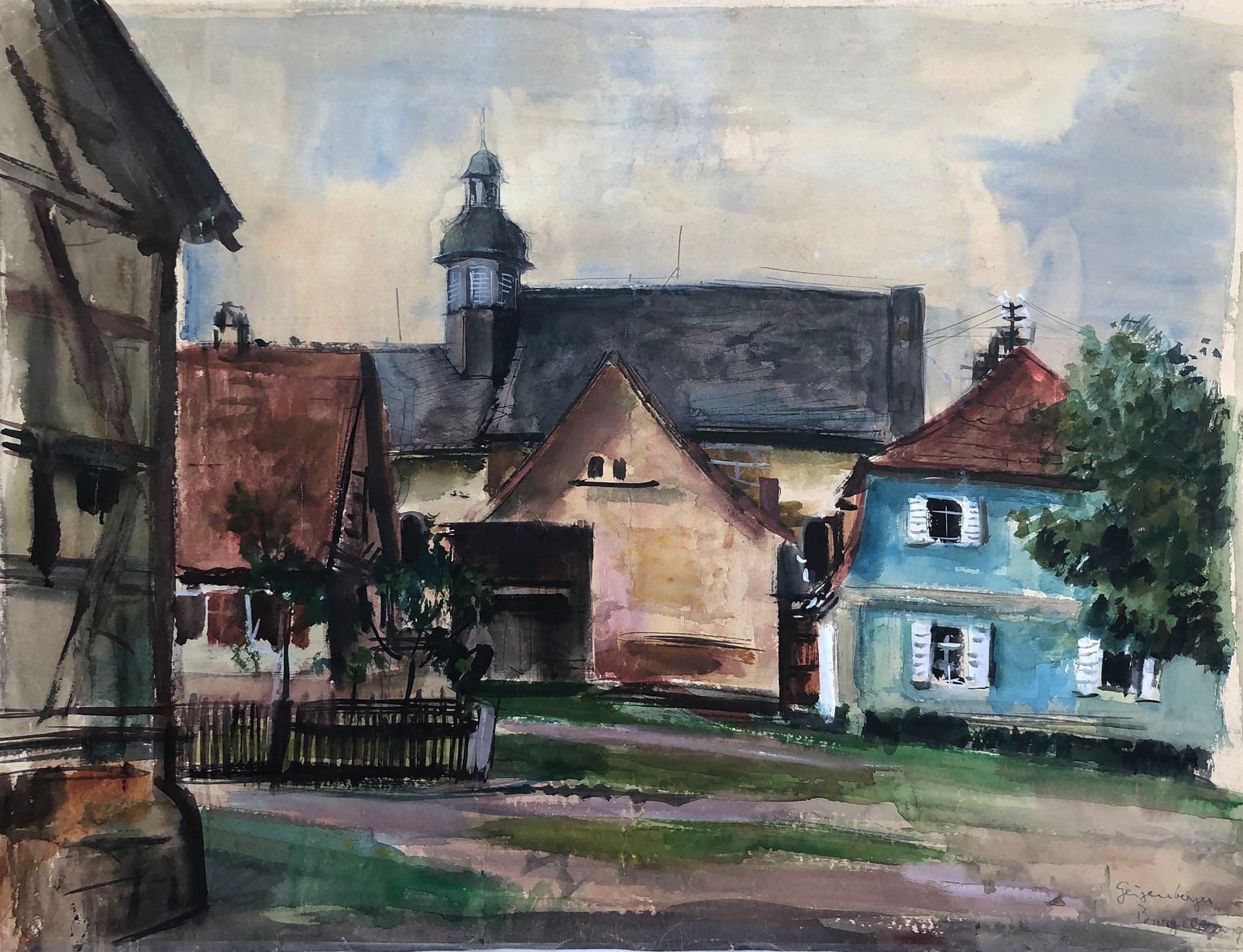
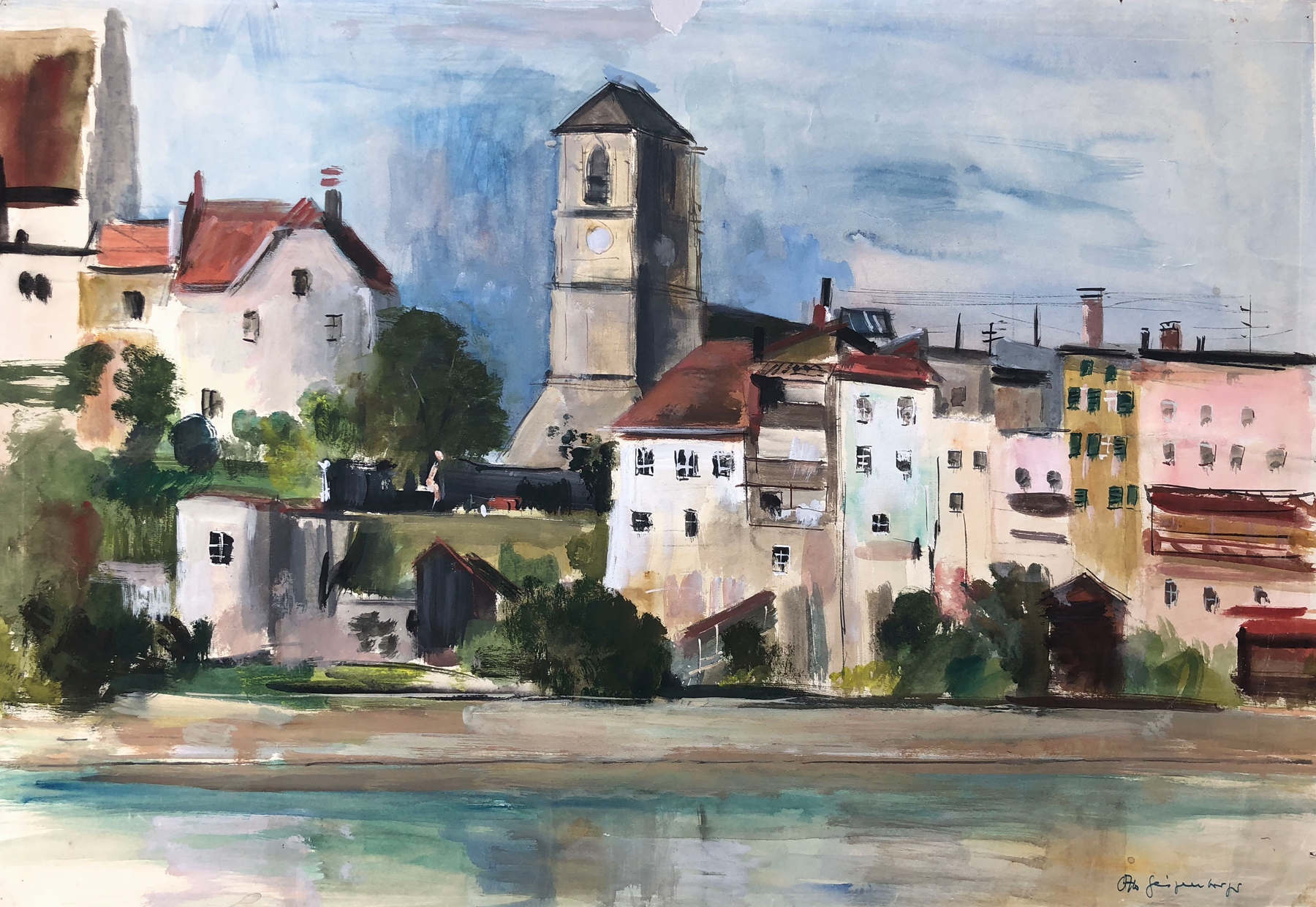
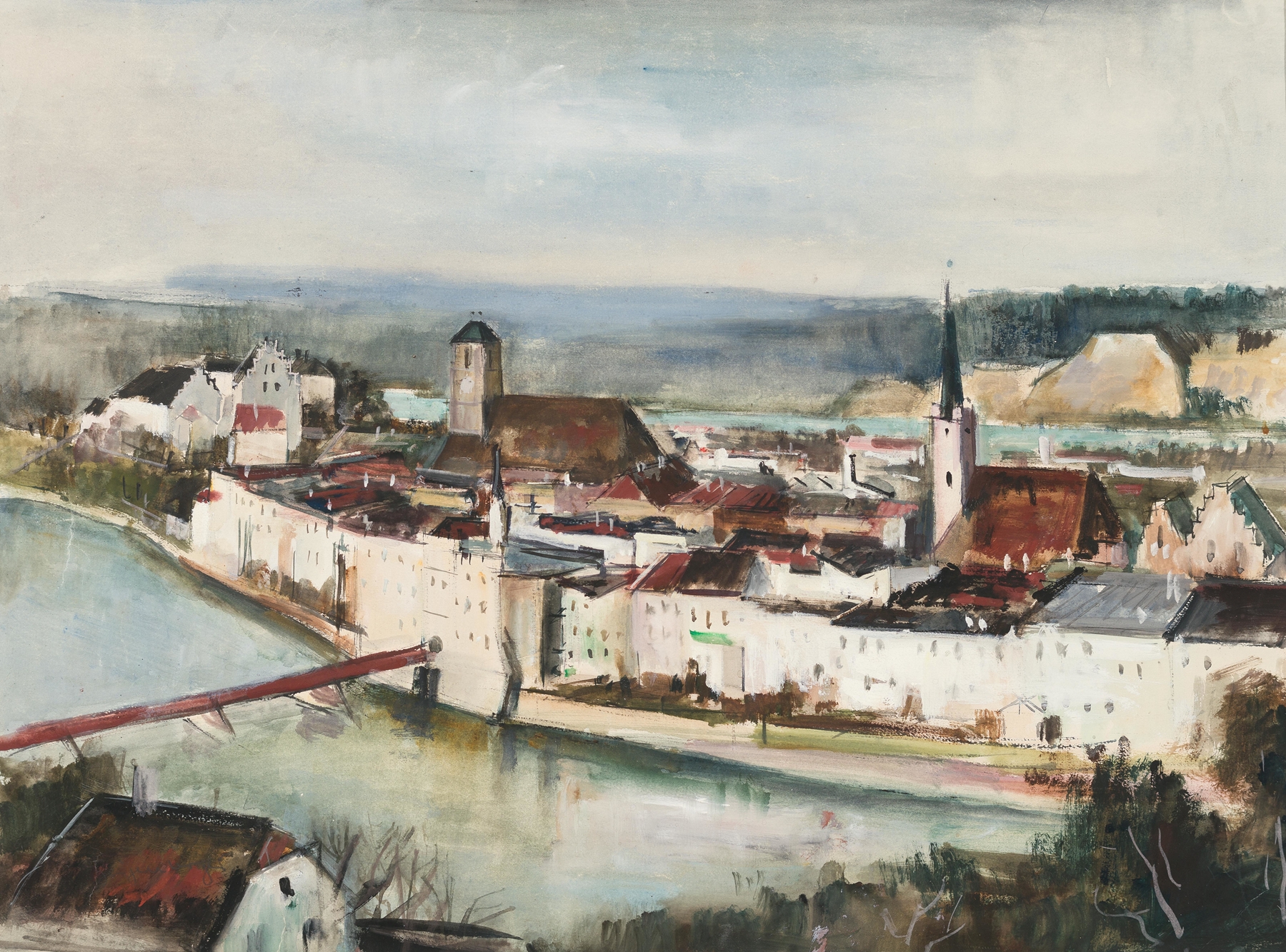
“To paint is to remember what time wants us to forget.” In the stillness of a landscape, moments of beauty whisper the secrets of existence, inviting contemplation and awe. Look to the horizon, where the church steeple punctuates the soft, rolling hills. The gentle brushwork captures a serene sky, layered with soft pastels that evoke a sense of tranquility. Each stroke reveals the artist's hand, creating a harmonious blend of texture and color that draws the viewer deeper into the scene.
Notice how the interplay of light and shadow dances across the landscape, breathing life into the fields below. The quaint church, standing resilient amidst nature's embrace, symbolizes a refuge, while the surrounding landscape reflects both solitude and harmony. Subtle variations in color highlight the lush greenery, contrasting with the muted earth tones of the path leading to the church. This suggests a journey — both literal and metaphorical — that resonates with those seeking solace in their own lives.
The overall composition evokes a deep sense of longing and the fleeting nature of beauty, urging the viewer to pause and reflect. Otto Geigenberger painted this work during a time when the world was grappling with the aftermath of upheaval. Although the exact date remains unclear, his landscapes emerged in the early to mid-20th century, a period marked by tremendous change in both society and the art world. Amidst this backdrop, Geigenberger sought to capture the serenity of untouched landscapes, offering viewers a glimpse into the profound beauty that persists beyond life's chaos.