Starting Out After Rail — History & Analysis
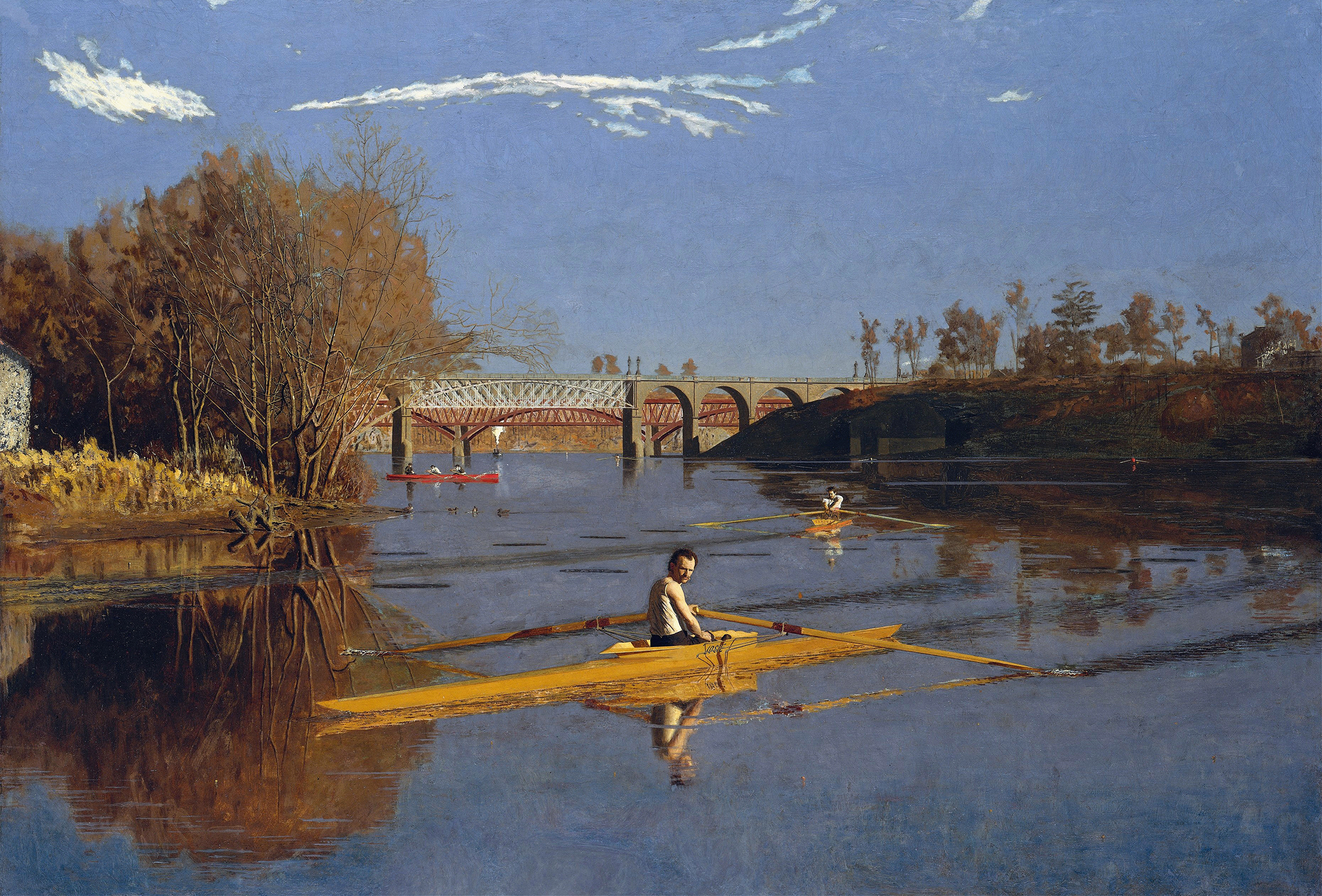
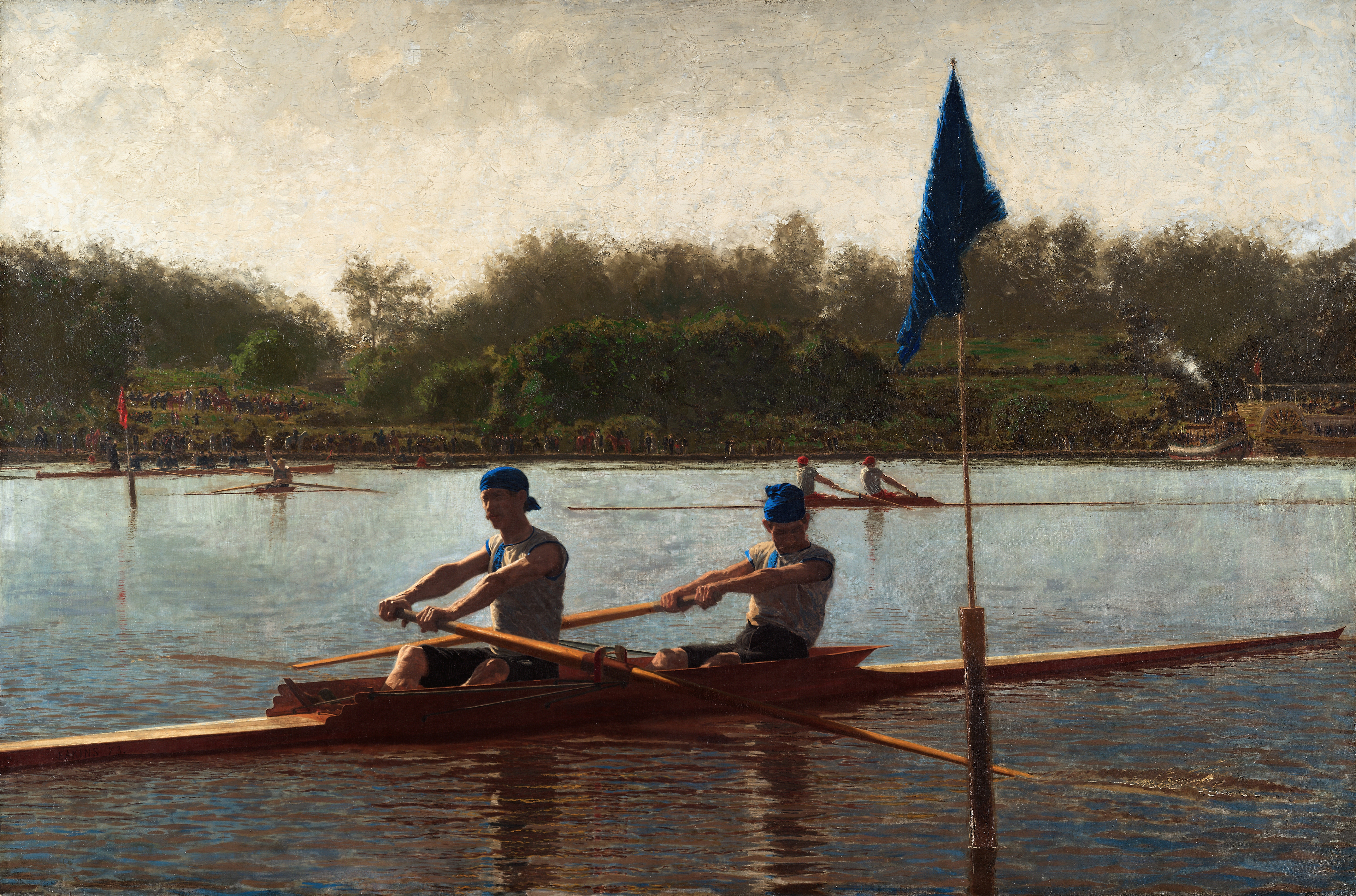
What if silence could speak through light? In Thomas Eakins' Starting Out After Rail, nostalgia hangs thick in the air, inviting us to ponder the unspoken stories of the past. The interplay of shadow and illumination evokes a yearning for times gone by, where every detail feels like a whisper from another era. Focus on the central figure, a young man clad in a simple outfit, standing with one foot poised on the rail. Notice how the soft, golden light bathes him, casting gentle shadows that speak of both hope and uncertainty.
The strong diagonal lines of the rails draw the eye toward the horizon, creating an illusion of movement. The muted color palette of earthy browns and soft greens enhances the atmosphere of quiet contemplation, while the meticulous attention to natural form reveals Eakins' commitment to realism. Within this tranquil moment lies a powerful tension between anticipation and hesitation. The figure’s stance suggests a desire to embark on a journey, yet his gaze lingers on the path behind him, hinting at a reluctance to leave the familiar. The rail, a symbol of progress and change, serves as a reminder of the choices that lie ahead, encapsulating the bittersweet nature of new beginnings.
Each element in the composition resonates with themes of growing up and the weight of memories, inviting viewers to reflect on their own transitions. Painted in 1874, Eakins created Starting Out After Rail during a pivotal period in American art, marked by a shift towards realism and a focus on everyday subjects. This work emerged while Eakins was establishing his reputation in Philadelphia, where he sought to capture the human experience with unmatched fidelity. As society grappled with modernization, his painting reflects both the optimism of the future and a deep connection to the past, embodying the very spirit of his time.