Study of Trees — History & Analysis
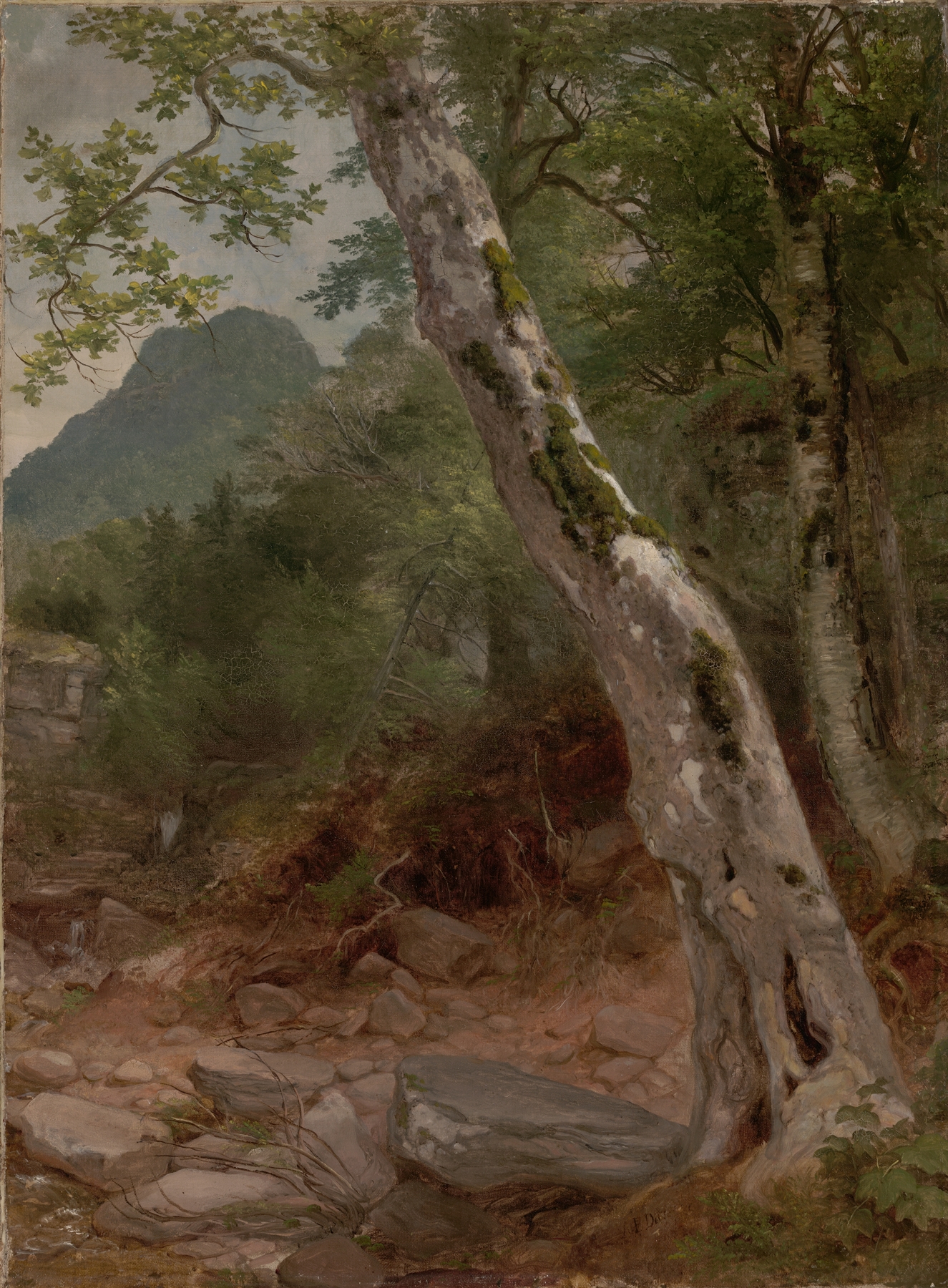
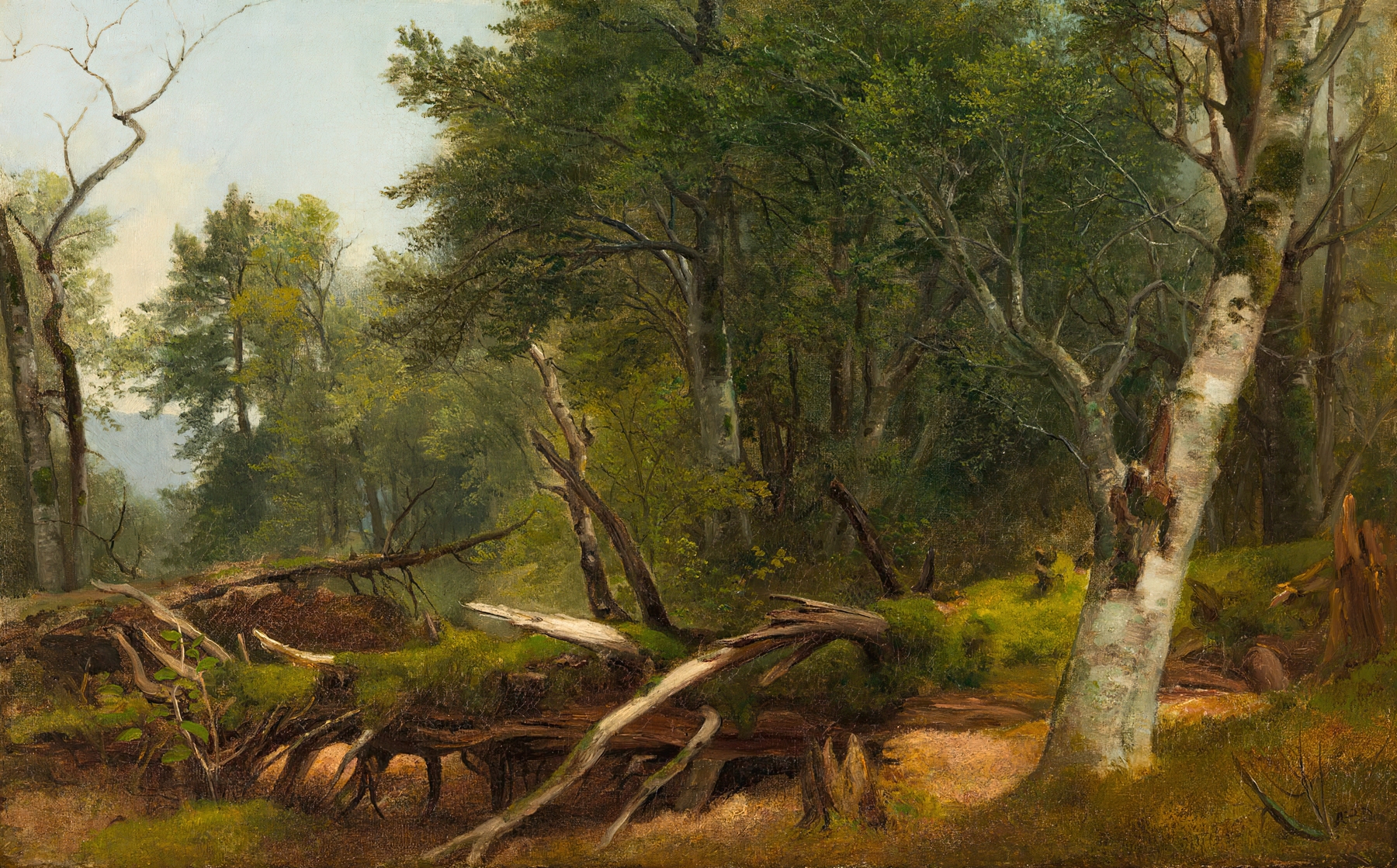
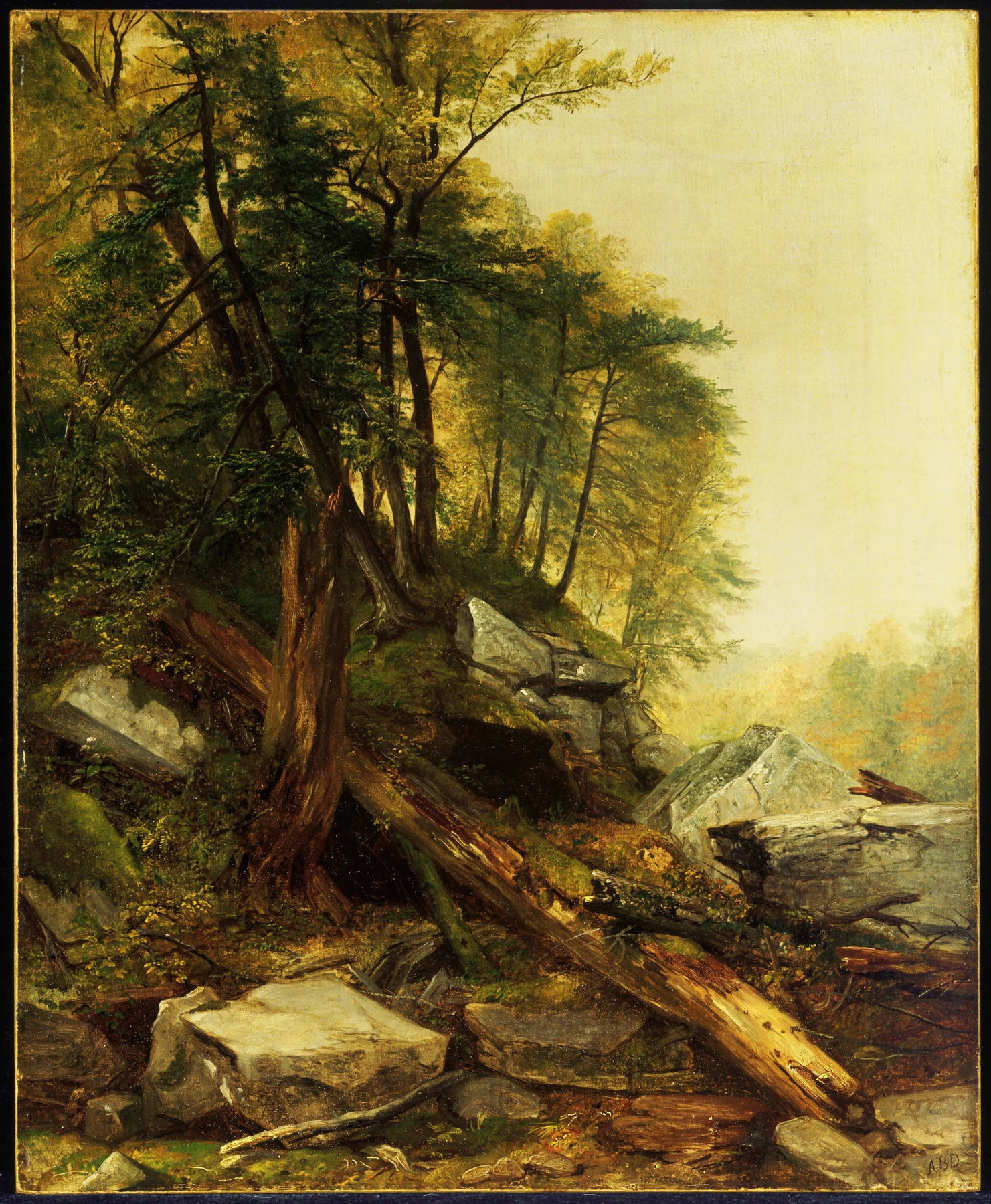
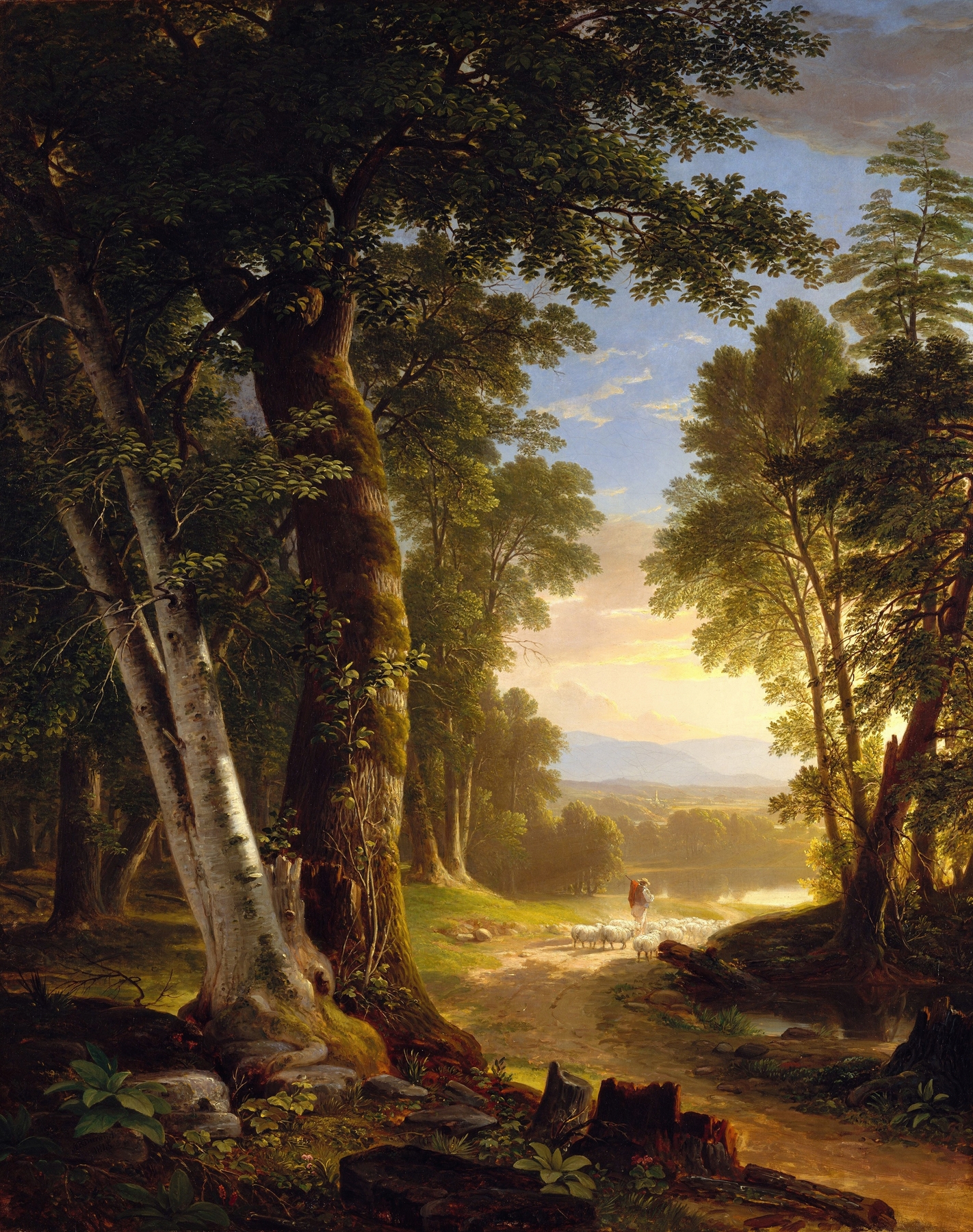
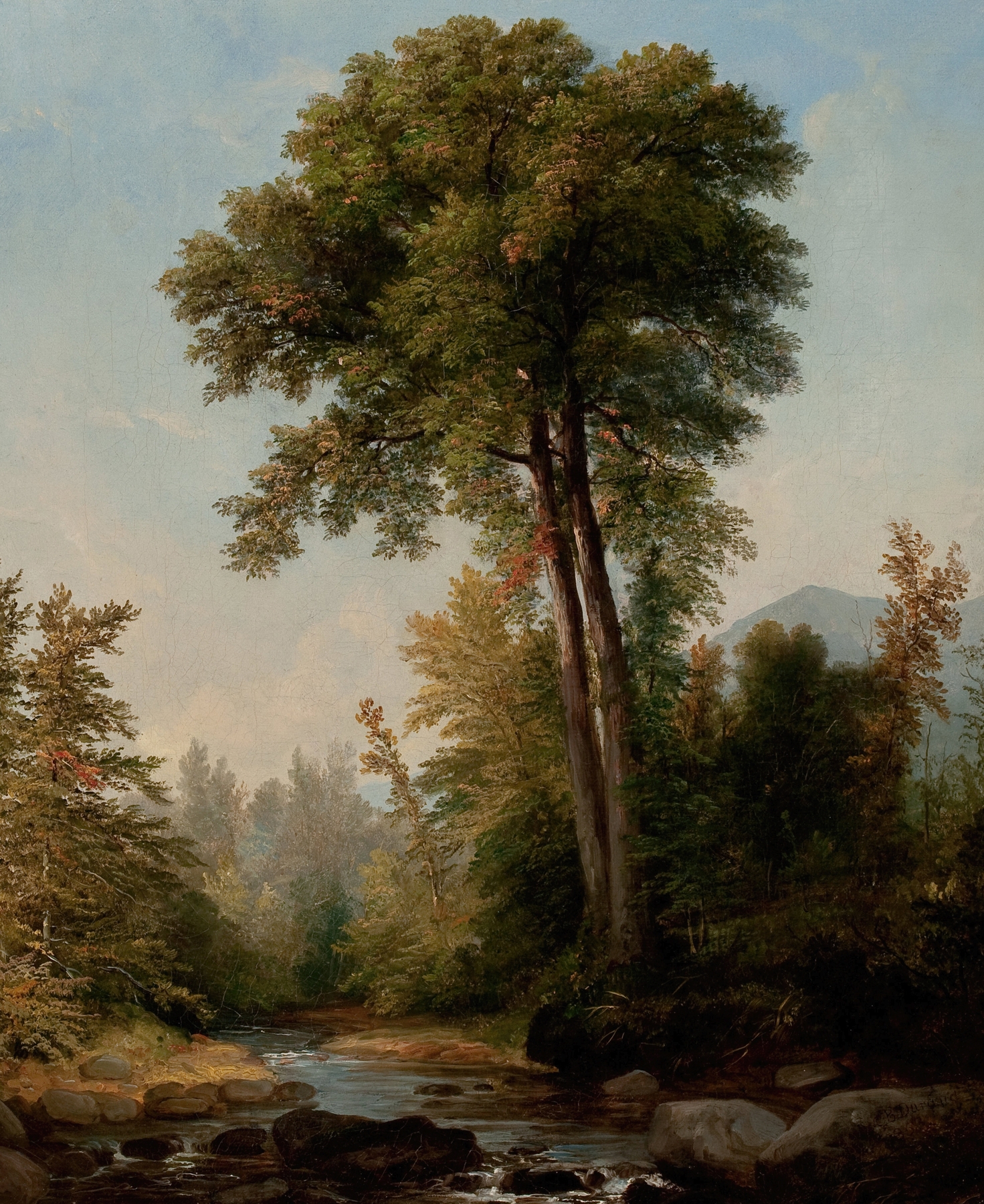
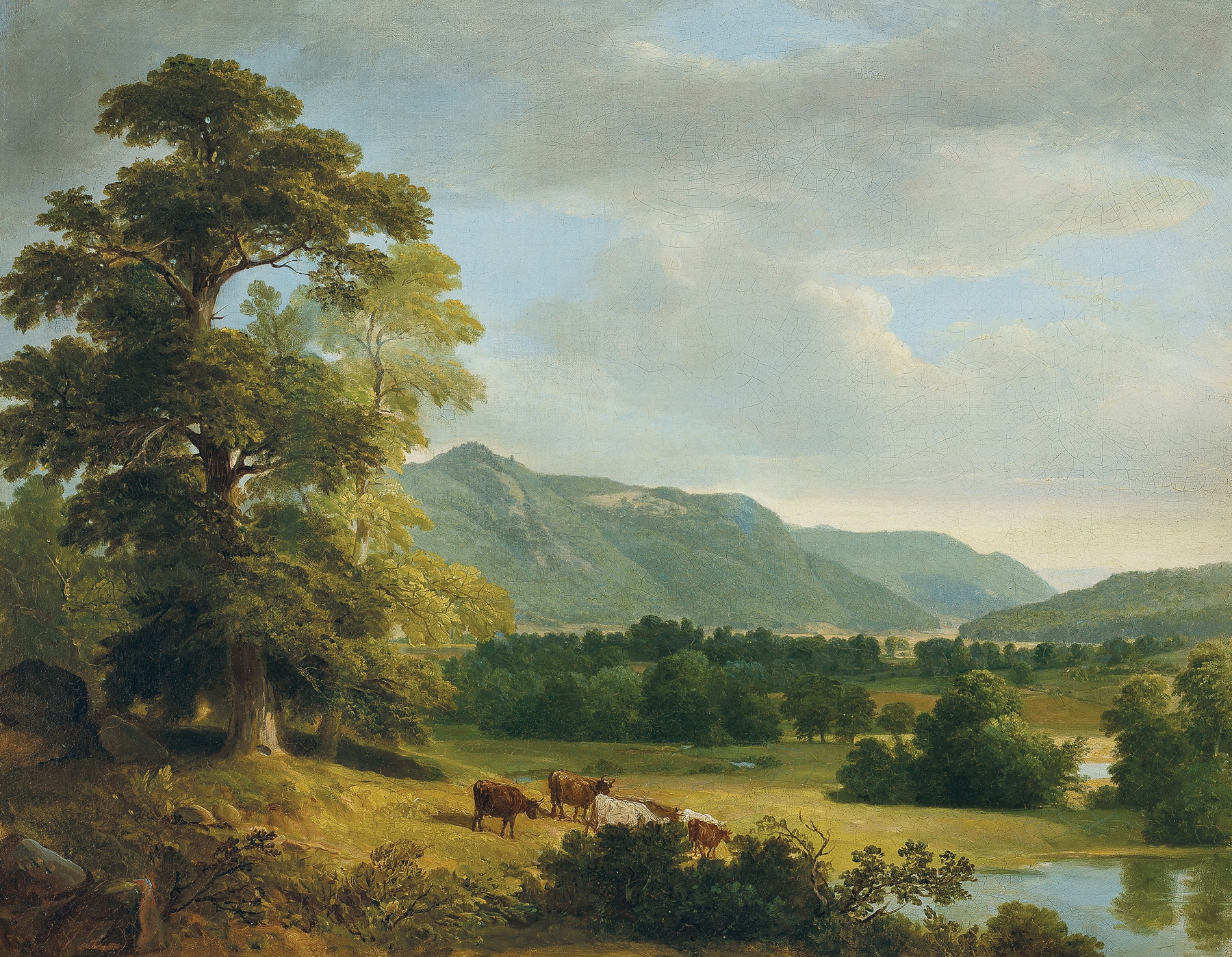
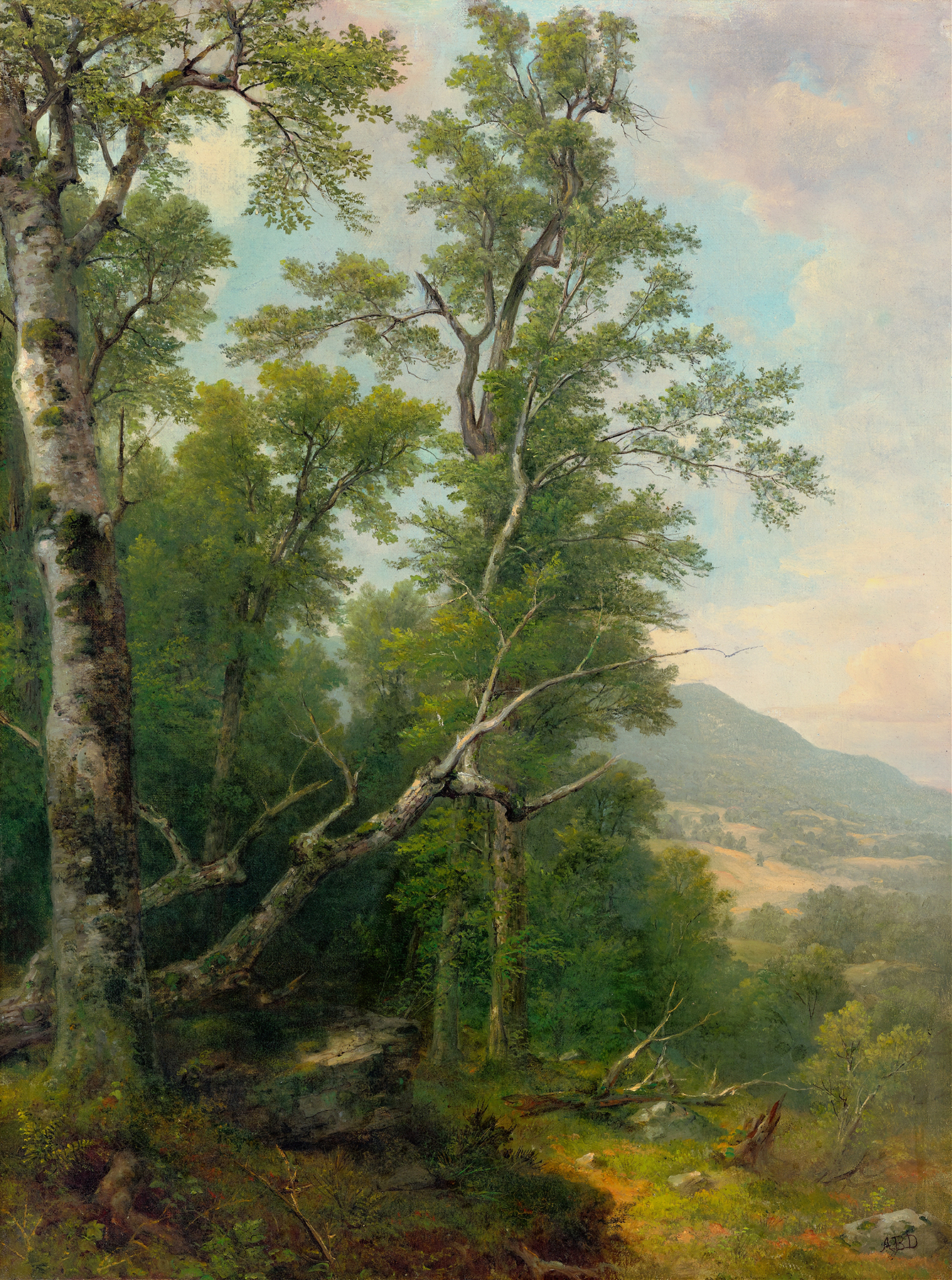
Could a single brushstroke hold eternity? In Study of Trees, Asher Brown Durand captures not merely the essence of nature but the artist's deep obsession with the sublime beauty found in the world around him. Look to the center of the canvas, where a towering tree rises majestically, its bark rich with texture and intricate details. Notice how the interplay of light and shadow dances across the leaves, creating a sense of depth that invites the viewer into its embrace.
The artist employs a palette of greens and browns, harmonizing them to evoke a feeling of serenity, while the delicate strokes convey a reverence for the subject that transcends ordinary observation. Within the foliage, there lies an emotional tension, an echo of nature's resilience and fragility. The gnarled branches hint at the passage of time, whispering stories of seasons past, while the vibrant leaves suggest life still pulsating within. This contrast between permanence and transience encapsulates the artist’s fascination, transforming a simple study into a profound meditation on existence and memory.
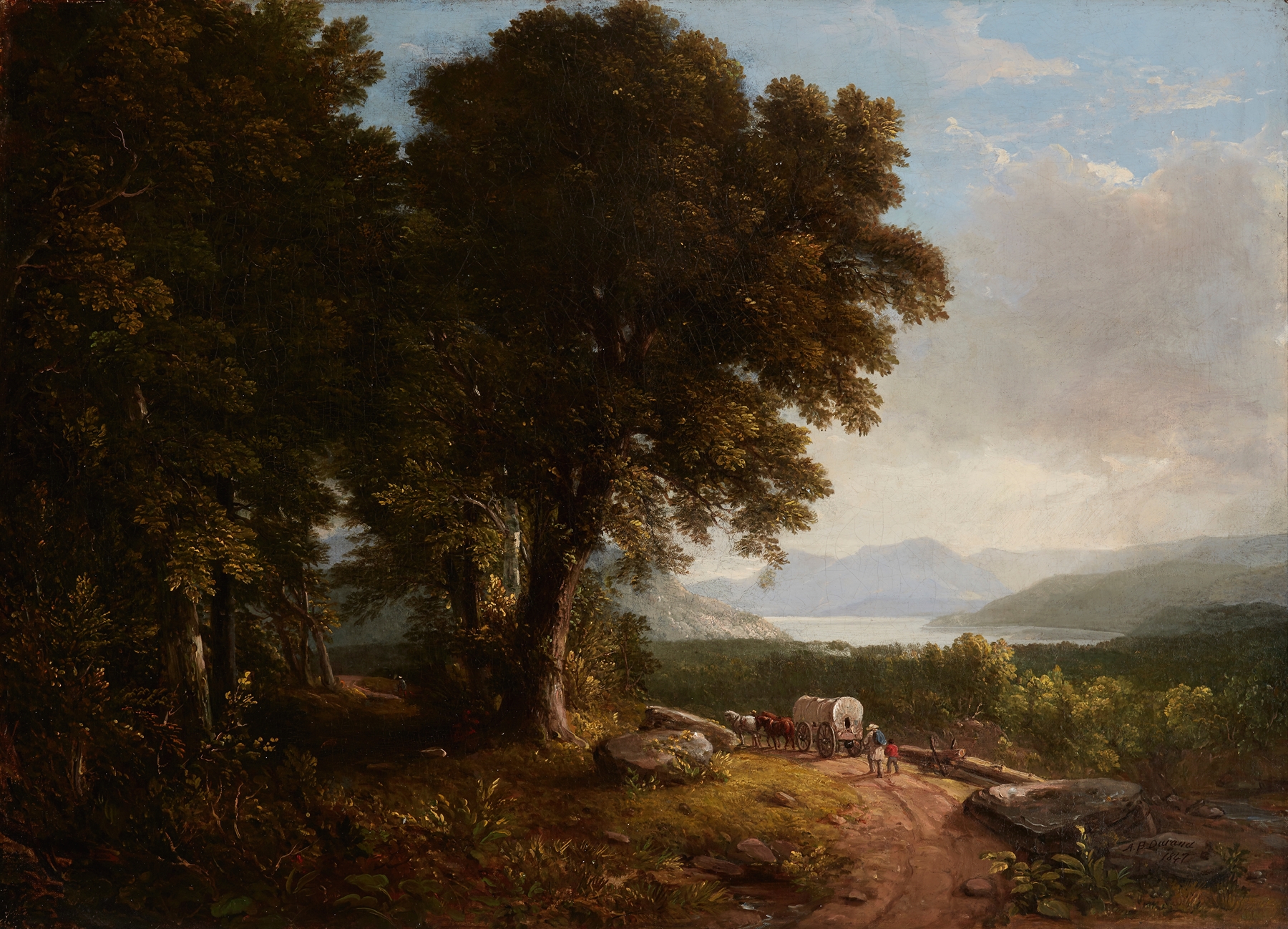
In 1850, Durand painted this piece while immersed in the Hudson River School movement, which embraced the American landscape as a subject worthy of high art. During this period, he was experiencing personal growth and artistic maturity, having shifted from the influence of Romanticism towards a more detailed, naturalistic approach. The world was witnessing a burgeoning interest in the American wilderness, and Durand's dedication to capturing its beauty shaped the landscape painting that would define a generation.