The Birches Of The Catskills — History & Analysis
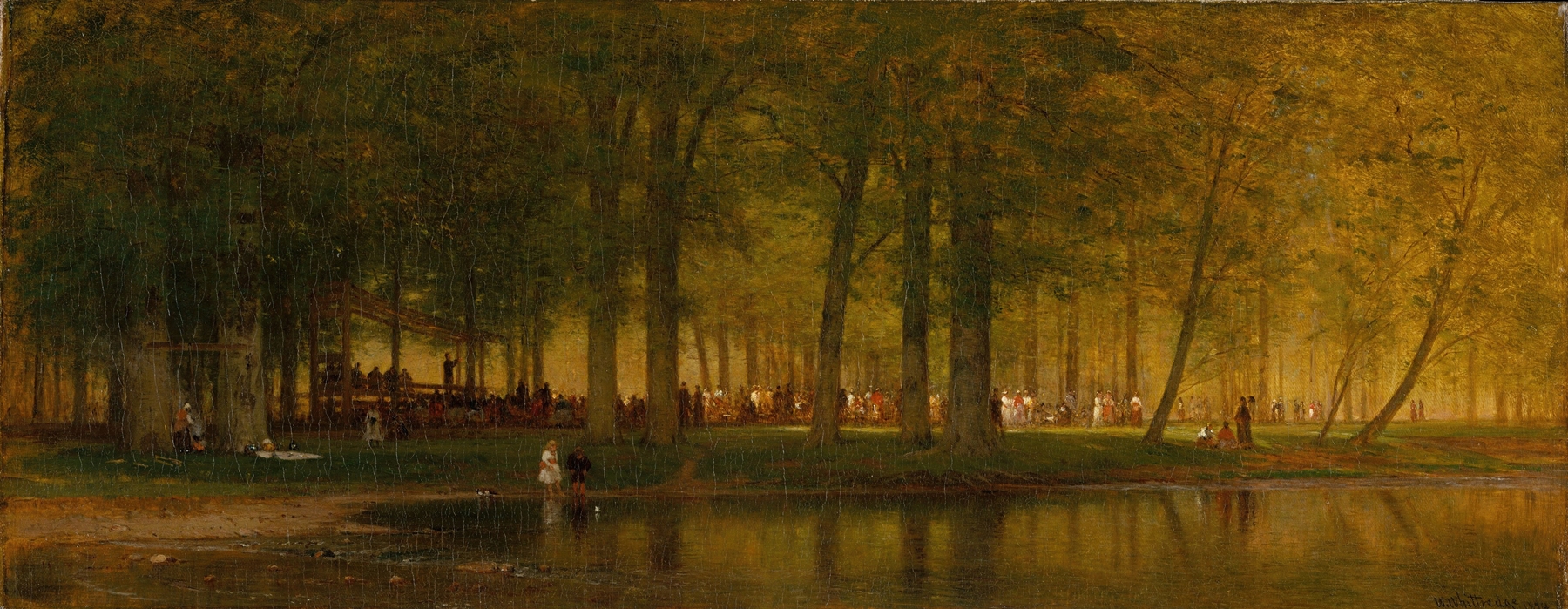
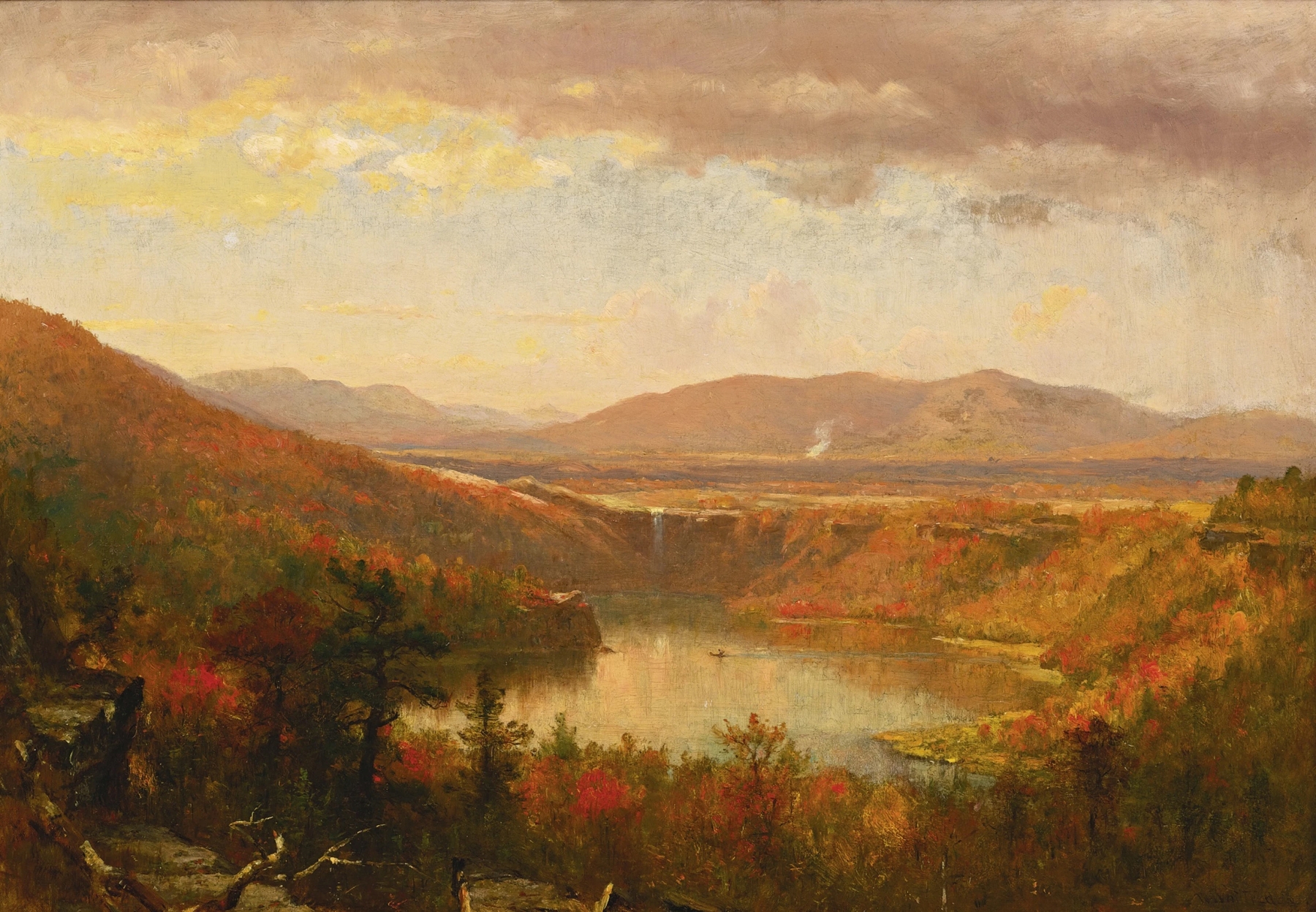
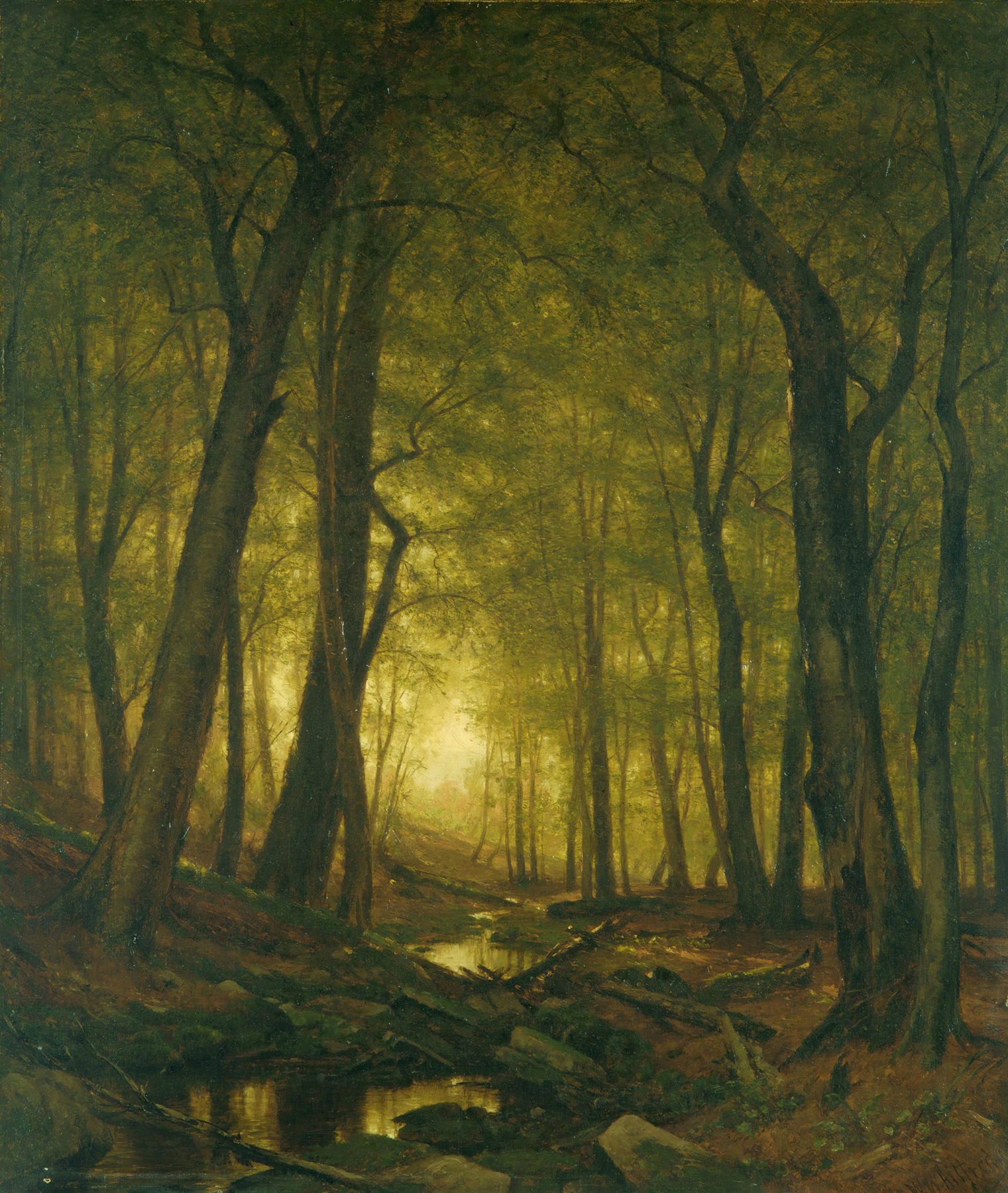
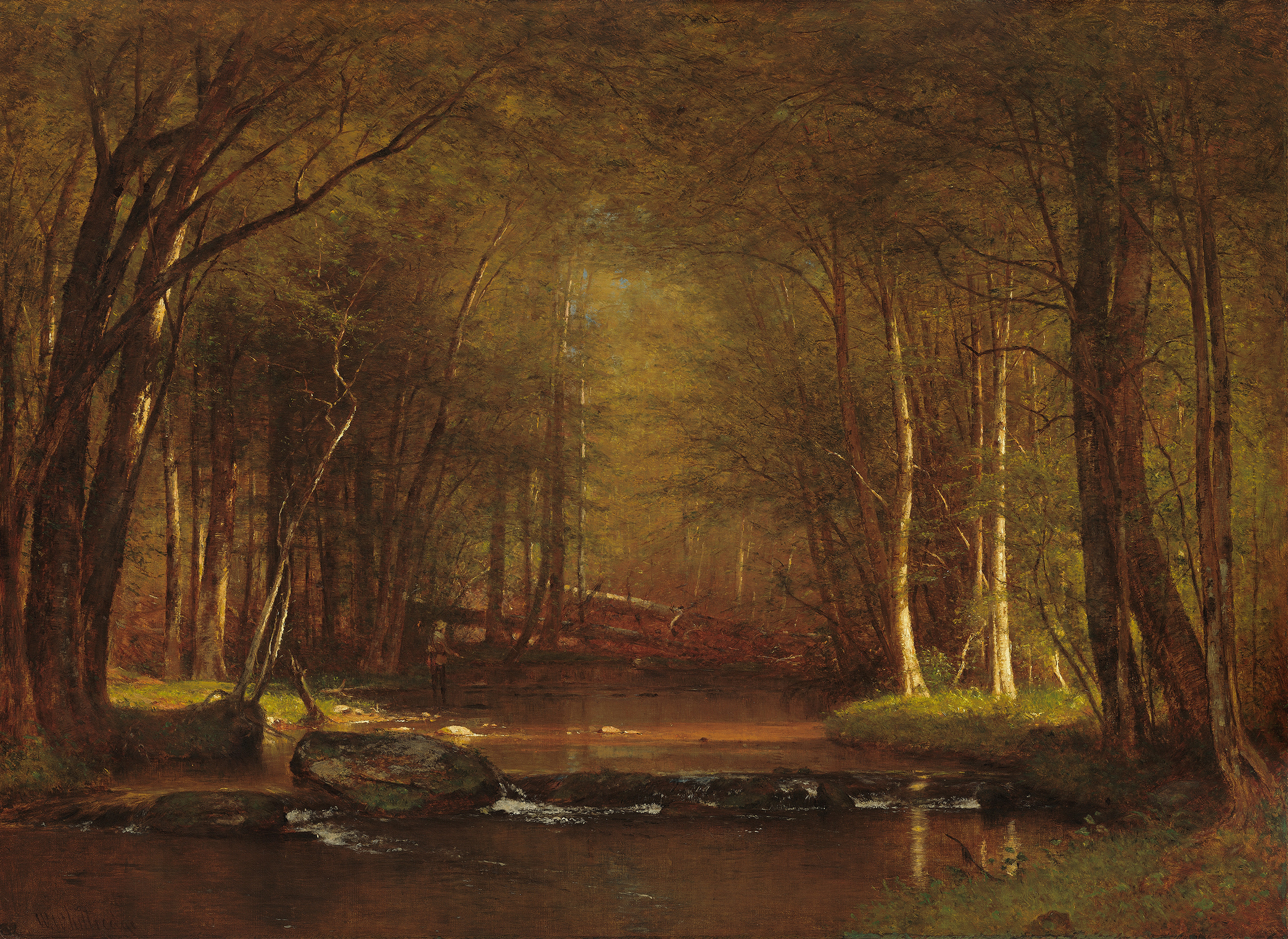
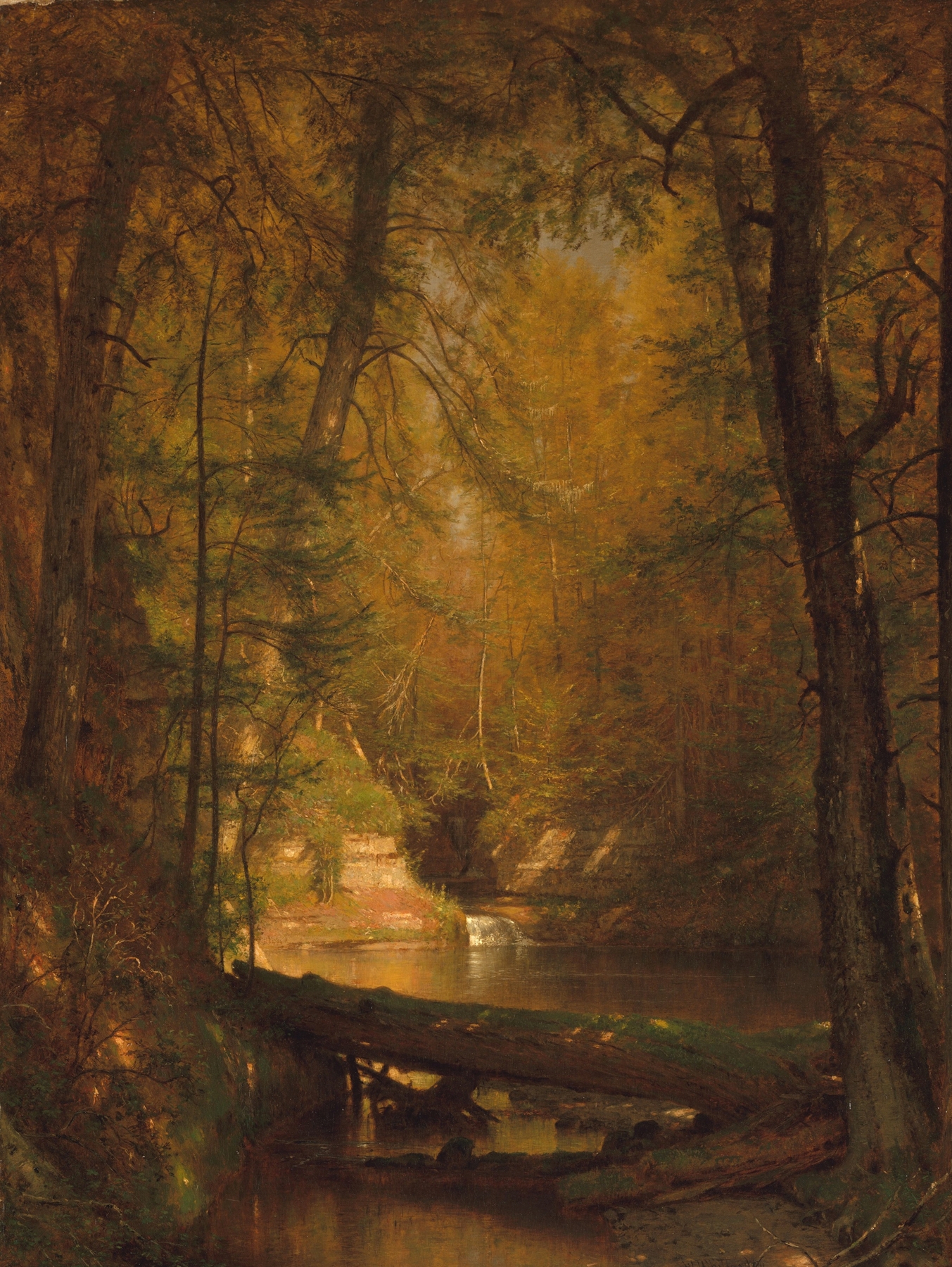
What if beauty was never meant to be finished? In The Birches Of The Catskills, time itself seems to linger in the air, encapsulating a moment of pure tranquility. Look to the left at the delicate birch trees, their white bark standing stark against the verdant greens of the surrounding foliage. The gentle play of light filters through the leaves, casting dappled shadows across the forest floor, creating a sense of depth and movement as if the trees are whispering ancient secrets to one another.
The soft hues of blues and greens are expertly blended, inviting the viewer into a world where nature reigns supreme, and every detail is rendered with meticulous care. The contrast between the rigid birch trunks and the fluidity of the nearby stream symbolizes the passage of time, a gentle reminder of life’s impermanence. Each branch and blade of grass seems to hold a story, urging us to slow down and appreciate the beauty around us.
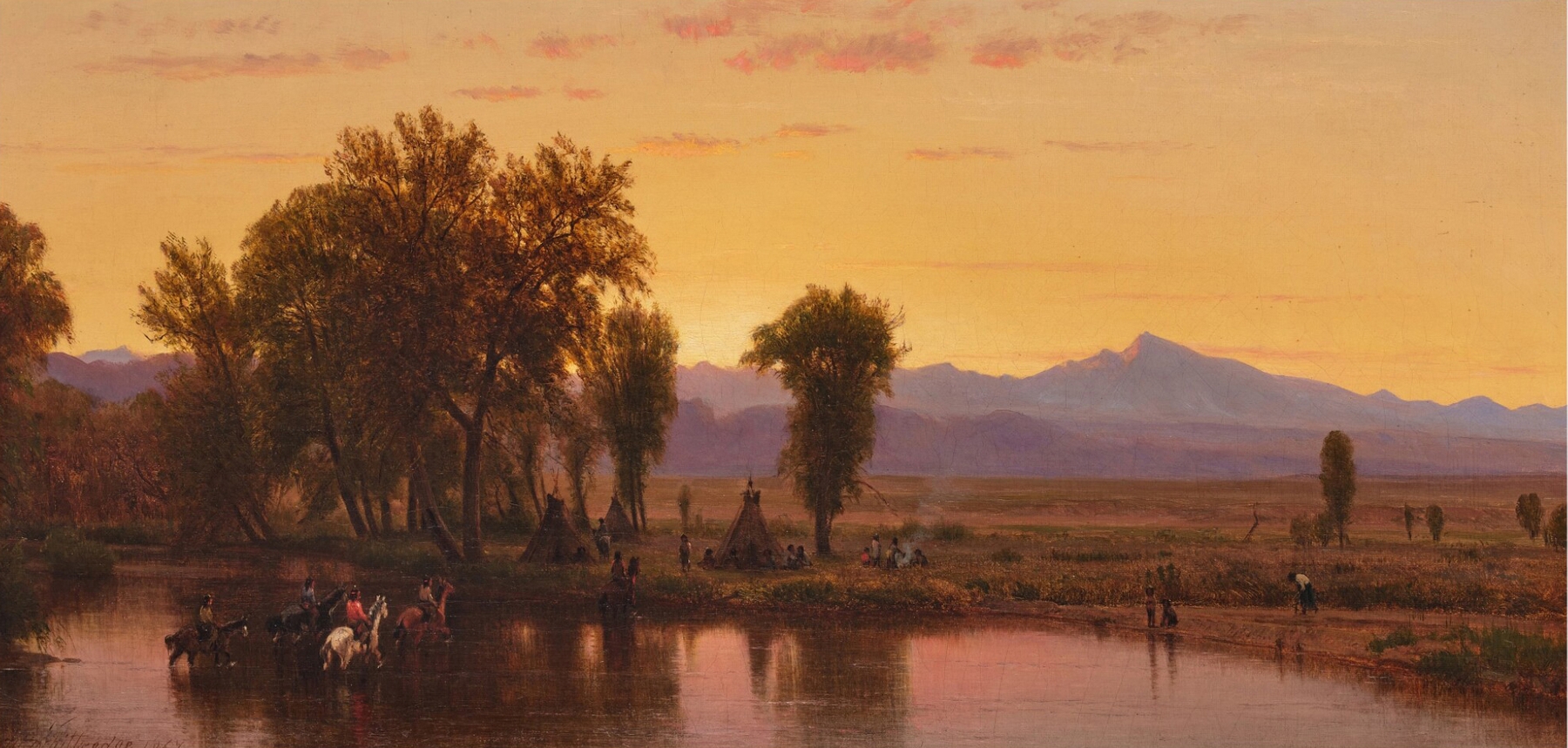
The painting successfully evokes a sense of nostalgia, prompting reflections on our own relationship with nature and the fleeting moments that shape our existence. In 1875, Worthington Whittredge was immersed in the Hudson River School movement, painting The Birches Of The Catskills during a time when American artists were increasingly drawn to the natural landscapes of their homeland. This period marked a burgeoning appreciation for the American wilderness, as Whittredge sought to capture the sublime beauty of the Catskills, reflecting both his personal journey and the broader ethos of an era that celebrated the untouched beauty of nature.