Landscape in the Harz Mountains — History & Analysis
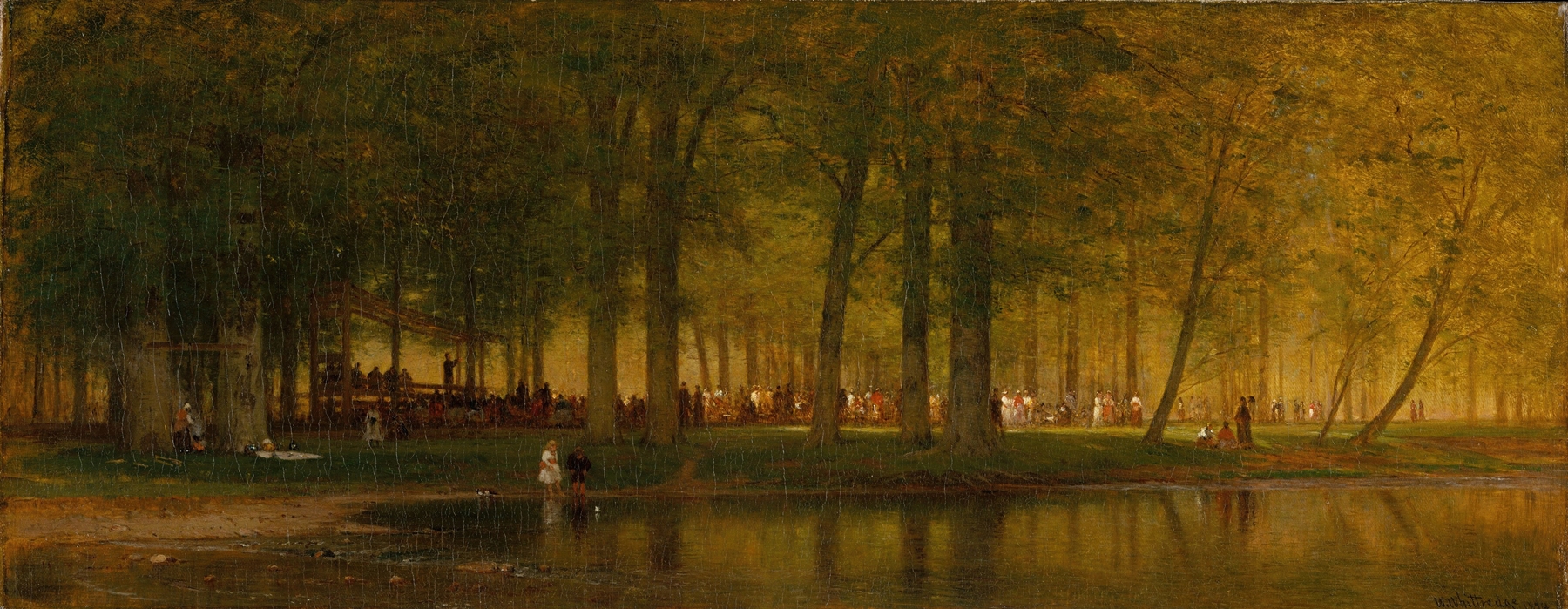
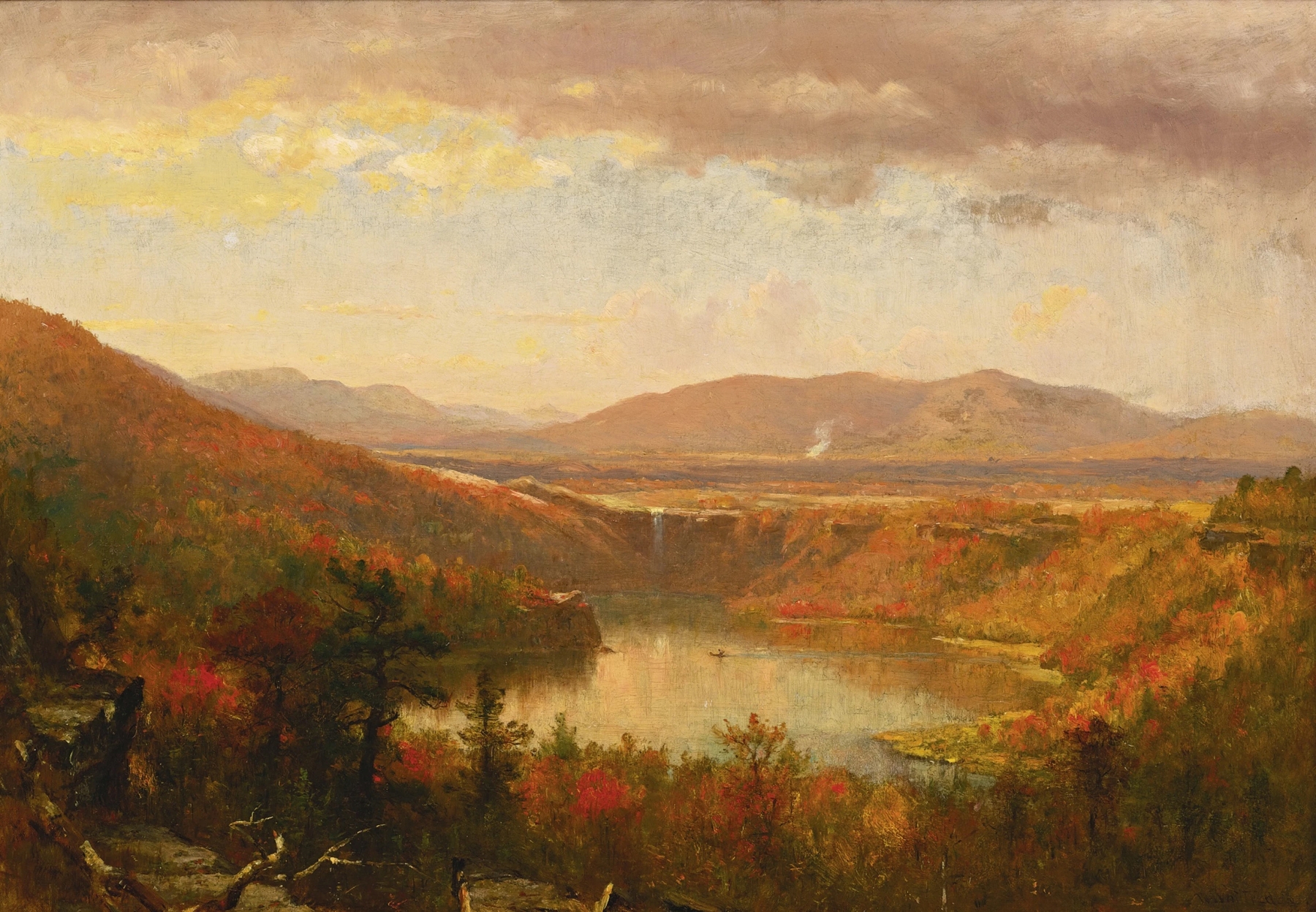
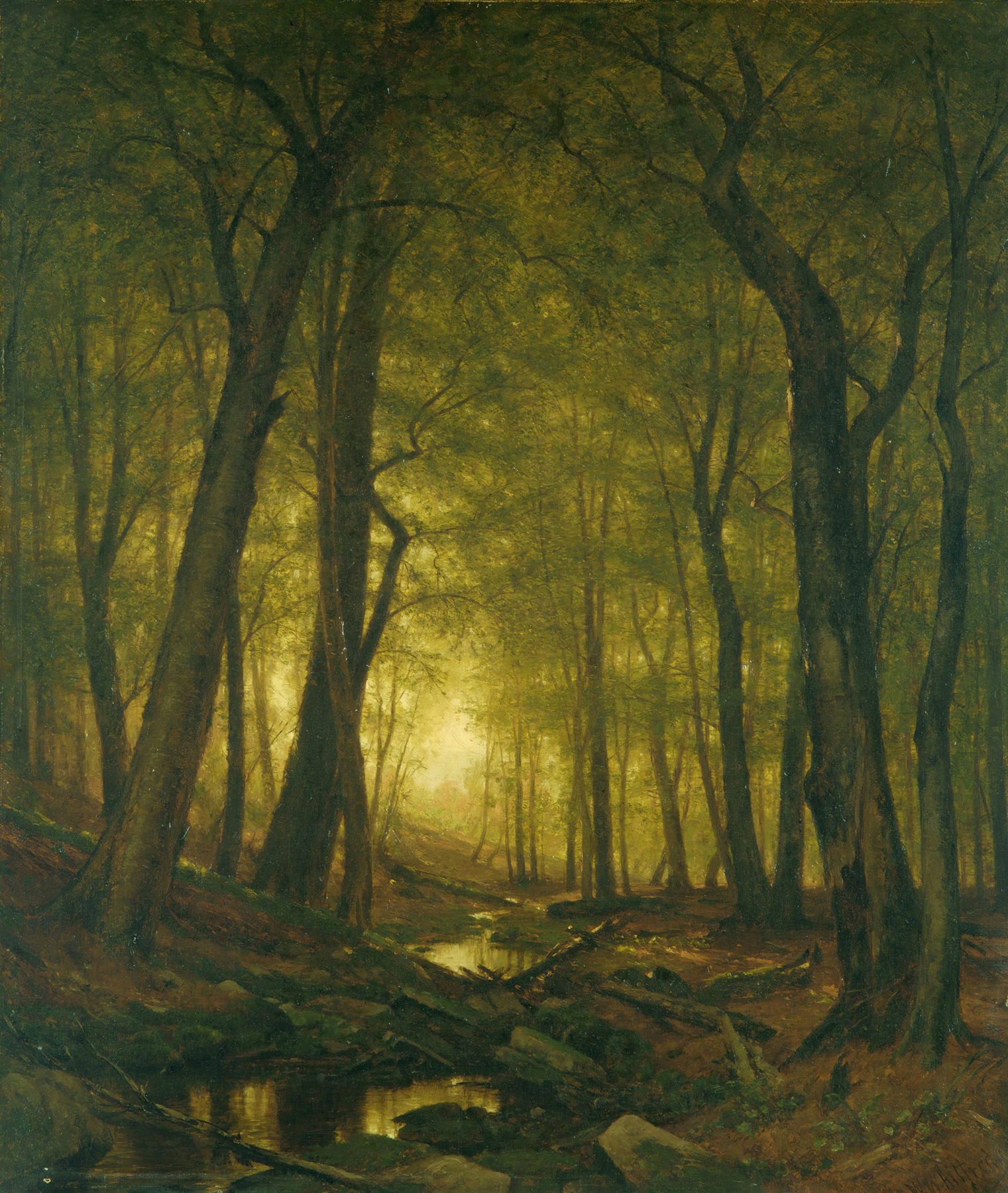
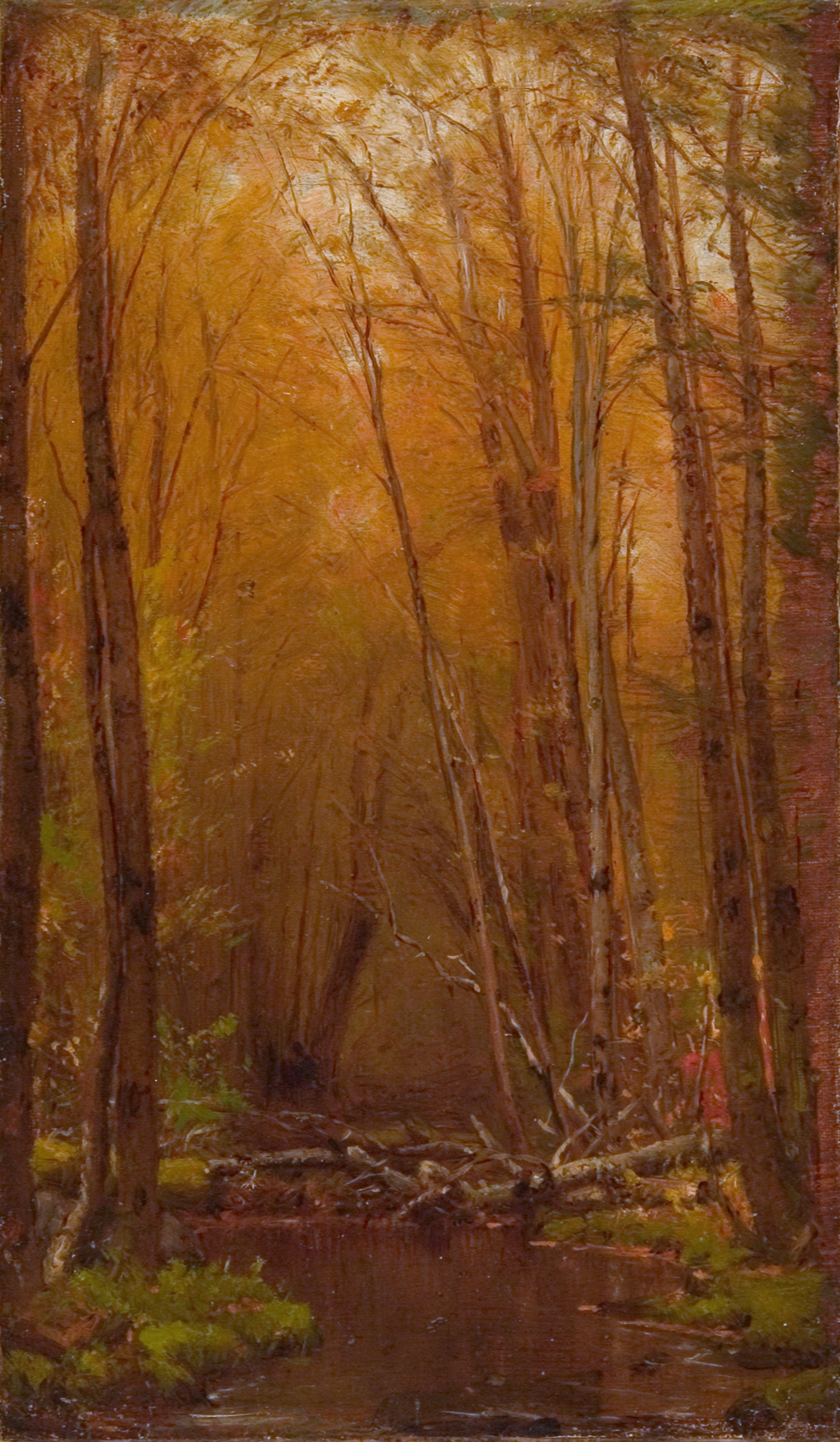
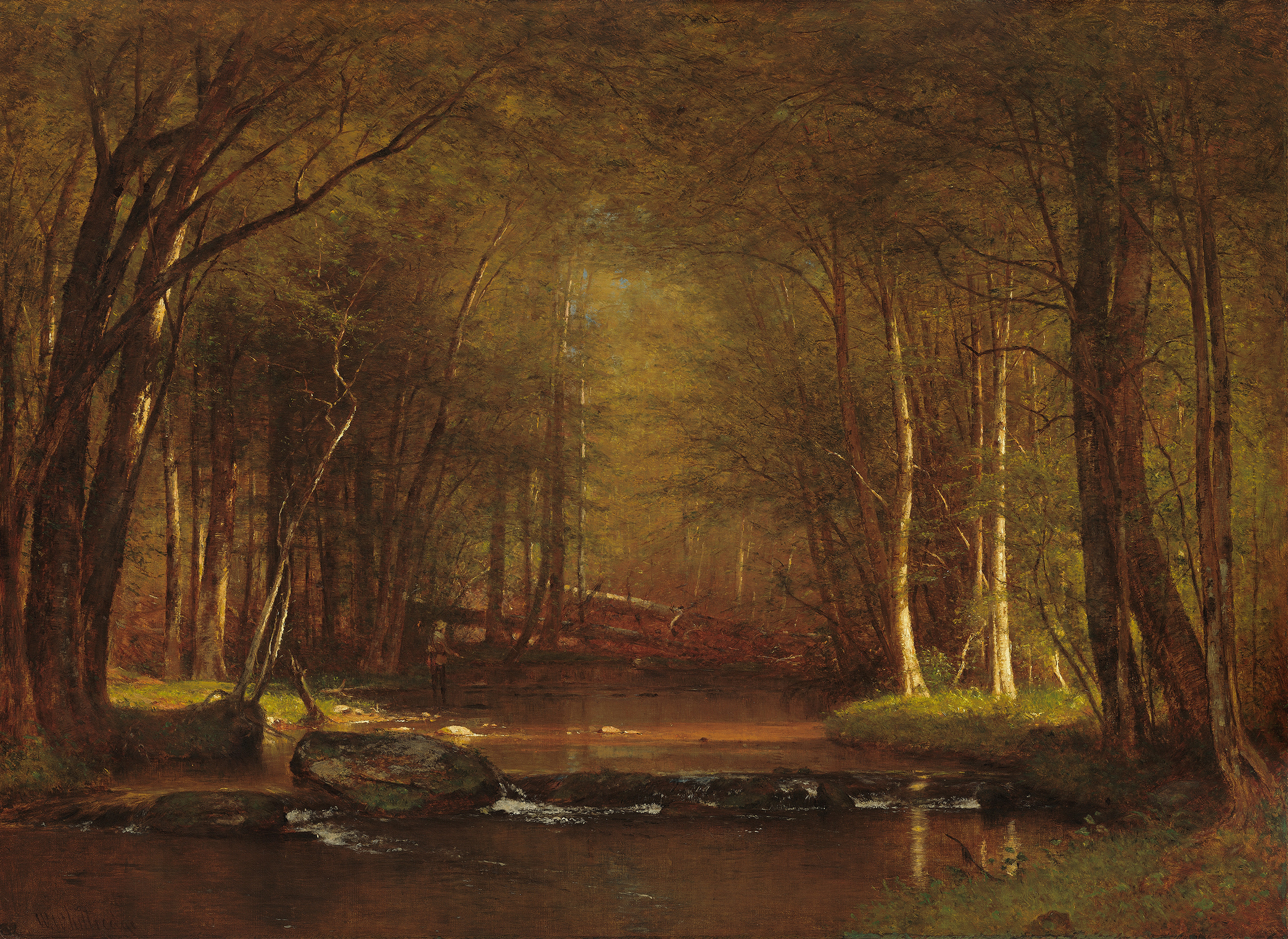
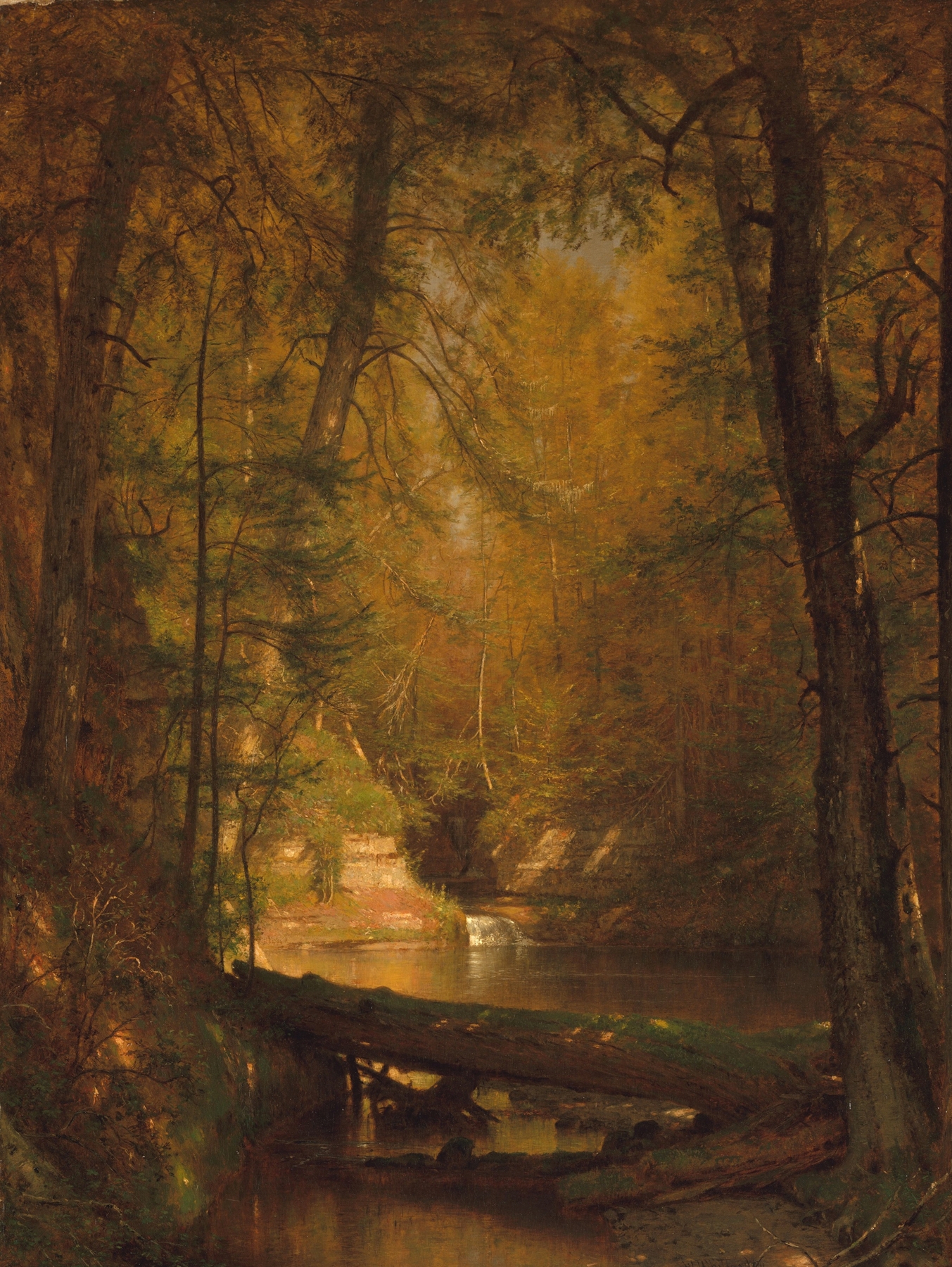
Is this a mirror — or a memory? In Landscape in the Harz Mountains, the brushstrokes invite us to ponder the thin veil between reality and reverie, beckoning us to step into a world where nature reigns supreme. Look to the foreground where the gentle curve of the stream flows harmoniously, flanked by a rich tapestry of greens and browns that captures the essence of the Harz Mountains. Notice how the soft light filters through the canopy, illuminating the vibrant foliage and casting delicate shadows that dance upon the water’s surface.
The careful layering of color creates depth, infusing the landscape with a sense of breathability and life that draws the eye deeper into its heart. Upon closer inspection, one might discern the contrast between the serene water and the imposing mountains that rise majestically in the background. This duality hints at a deeper emotional tension: the tranquility of the scene juxtaposed with the enormity of nature’s presence, reminding us of our own smallness. The colors evoke a sense of nostalgia, a longing for a connection with nature that transcends mere observation.
Each stroke whispers stories of the past, inviting us to linger and reflect. In 1854, during a period of burgeoning romanticism in art, the artist sought solace in the beauty of the natural world, painting this piece while grappling with his own identity as an artist. Living in a time when America was beginning to establish its own artistic voice, he captured the essence of the landscape, bridging personal experience with the collective yearning for communion with nature.