The Trout Pool — History & Analysis
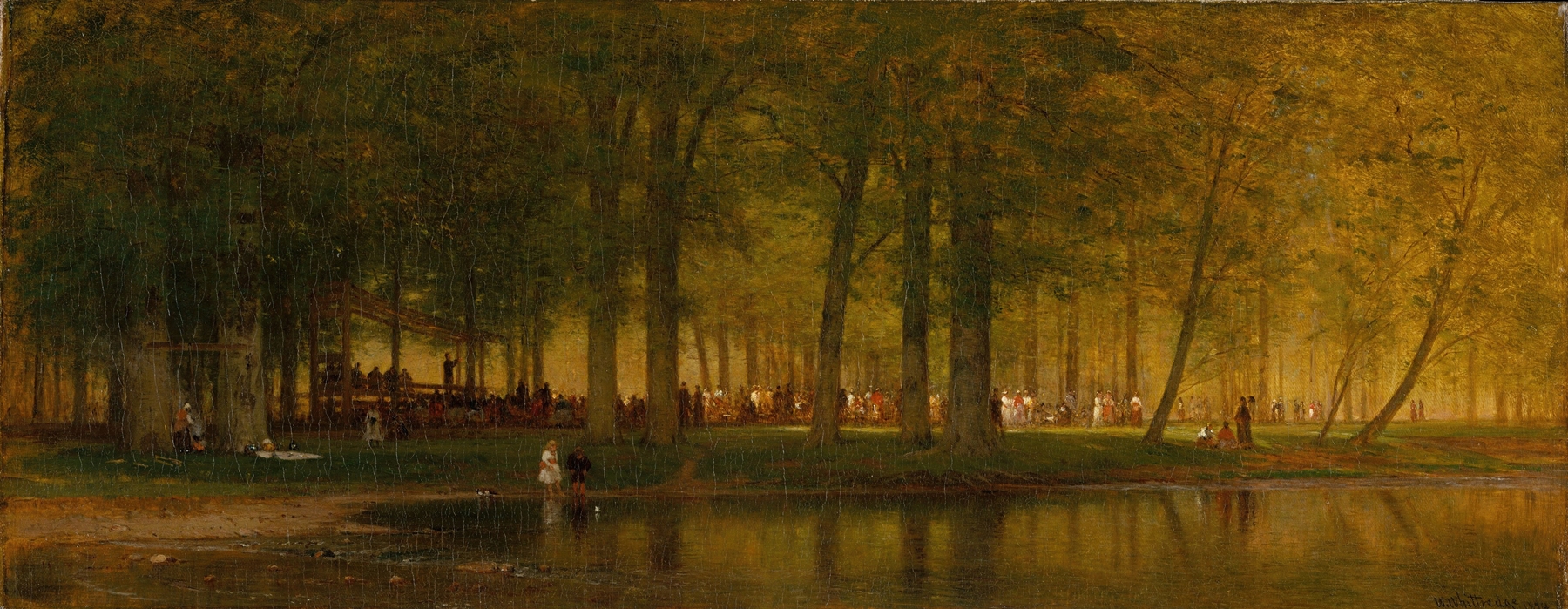
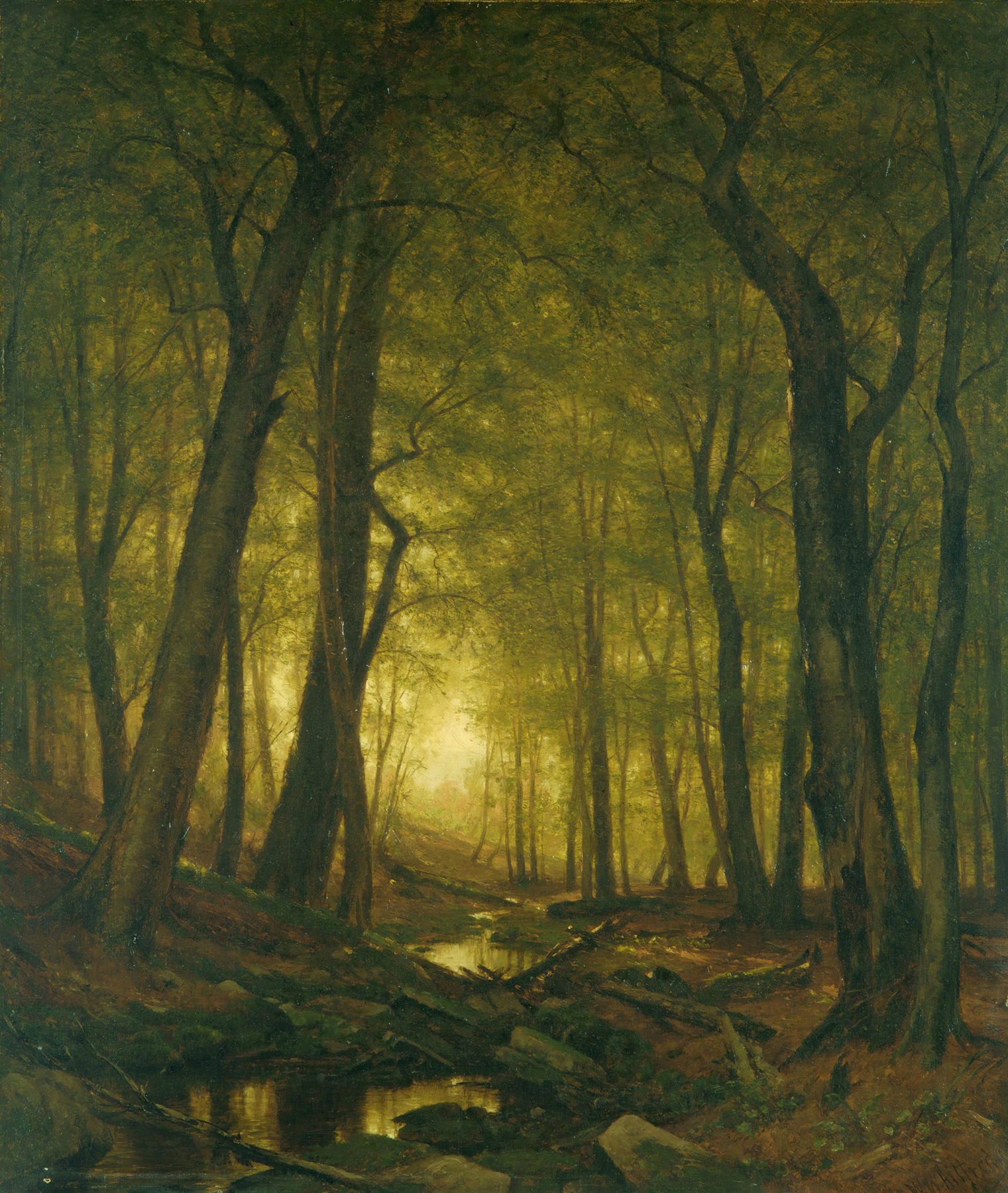
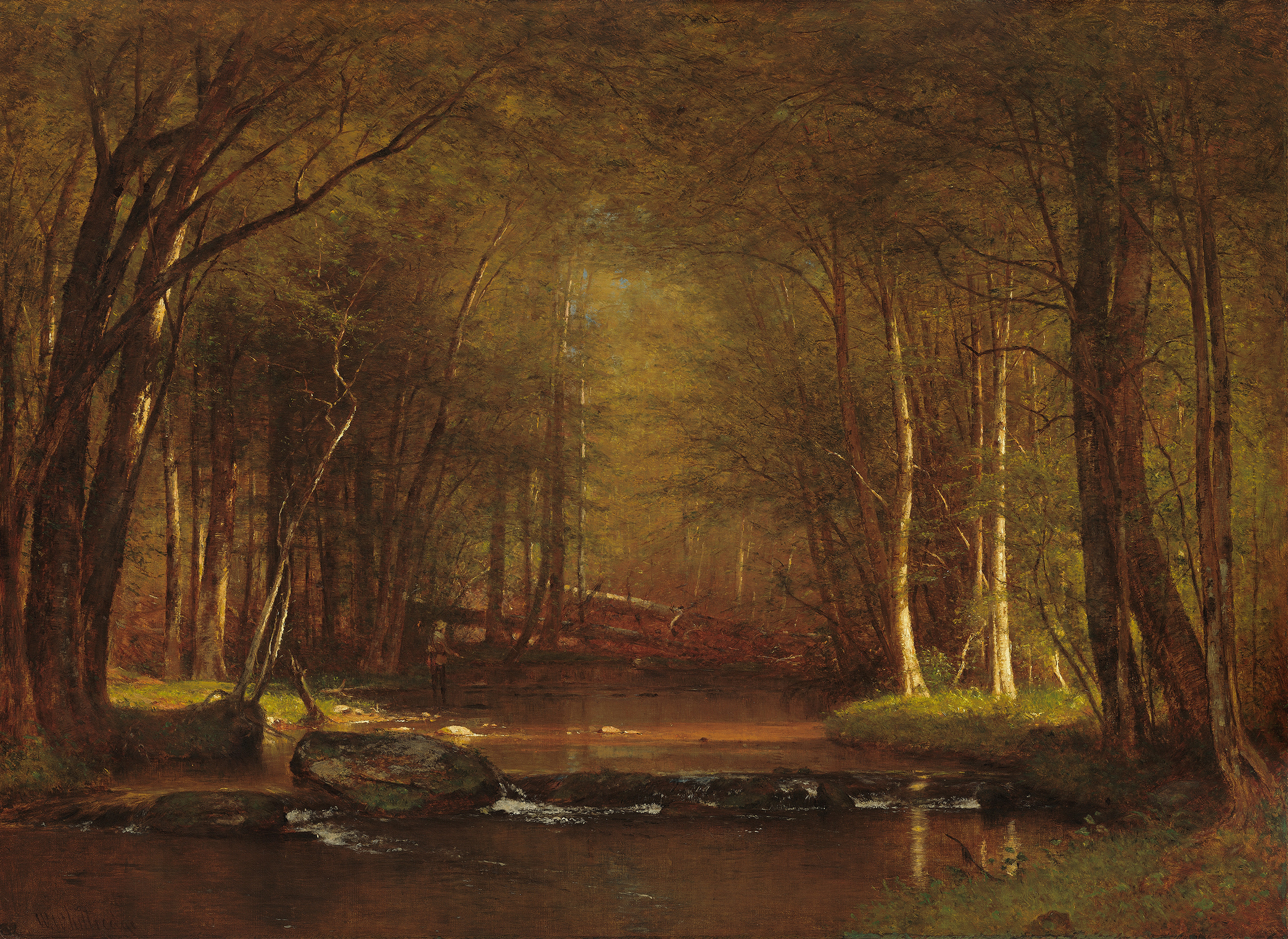
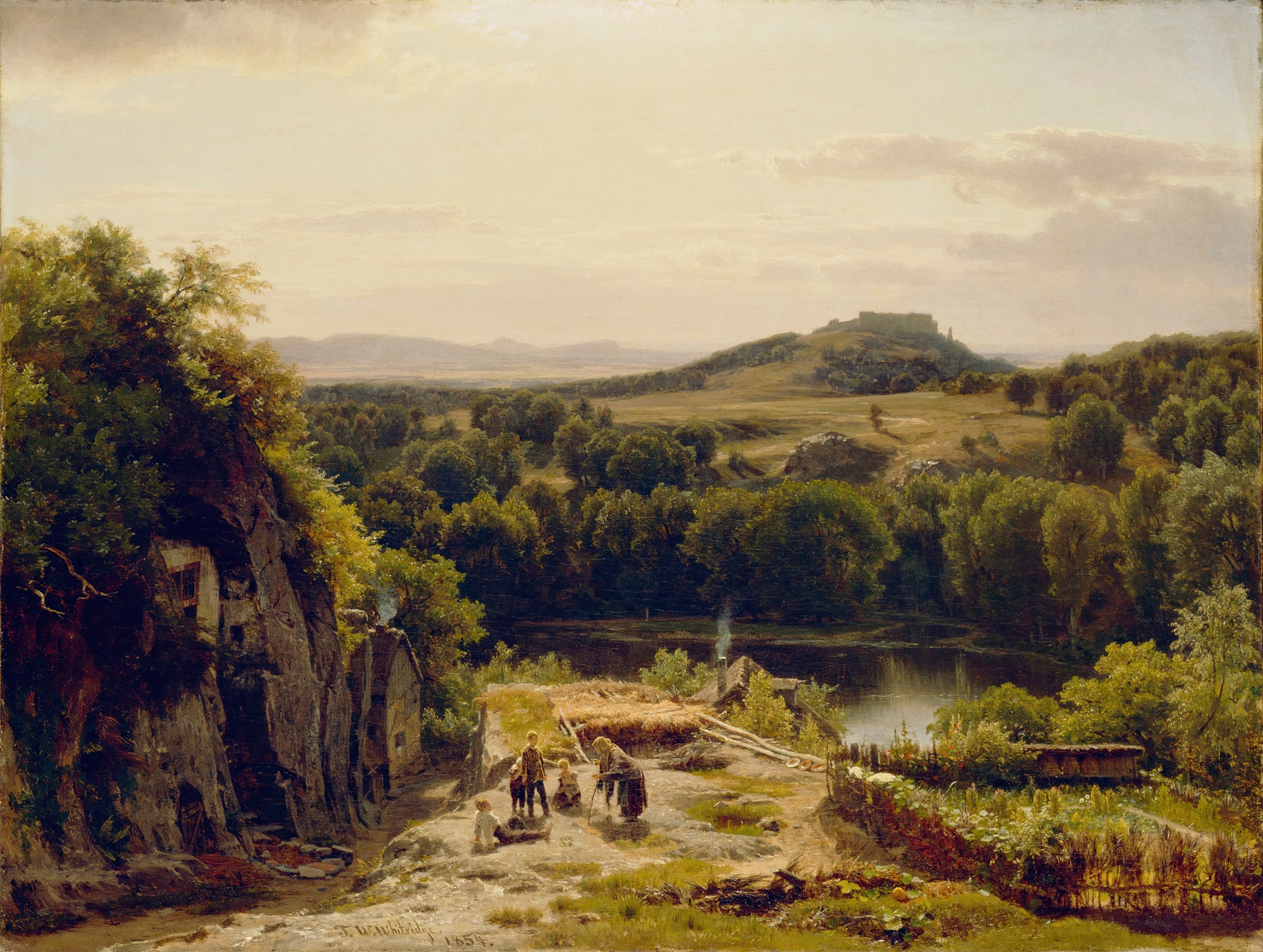
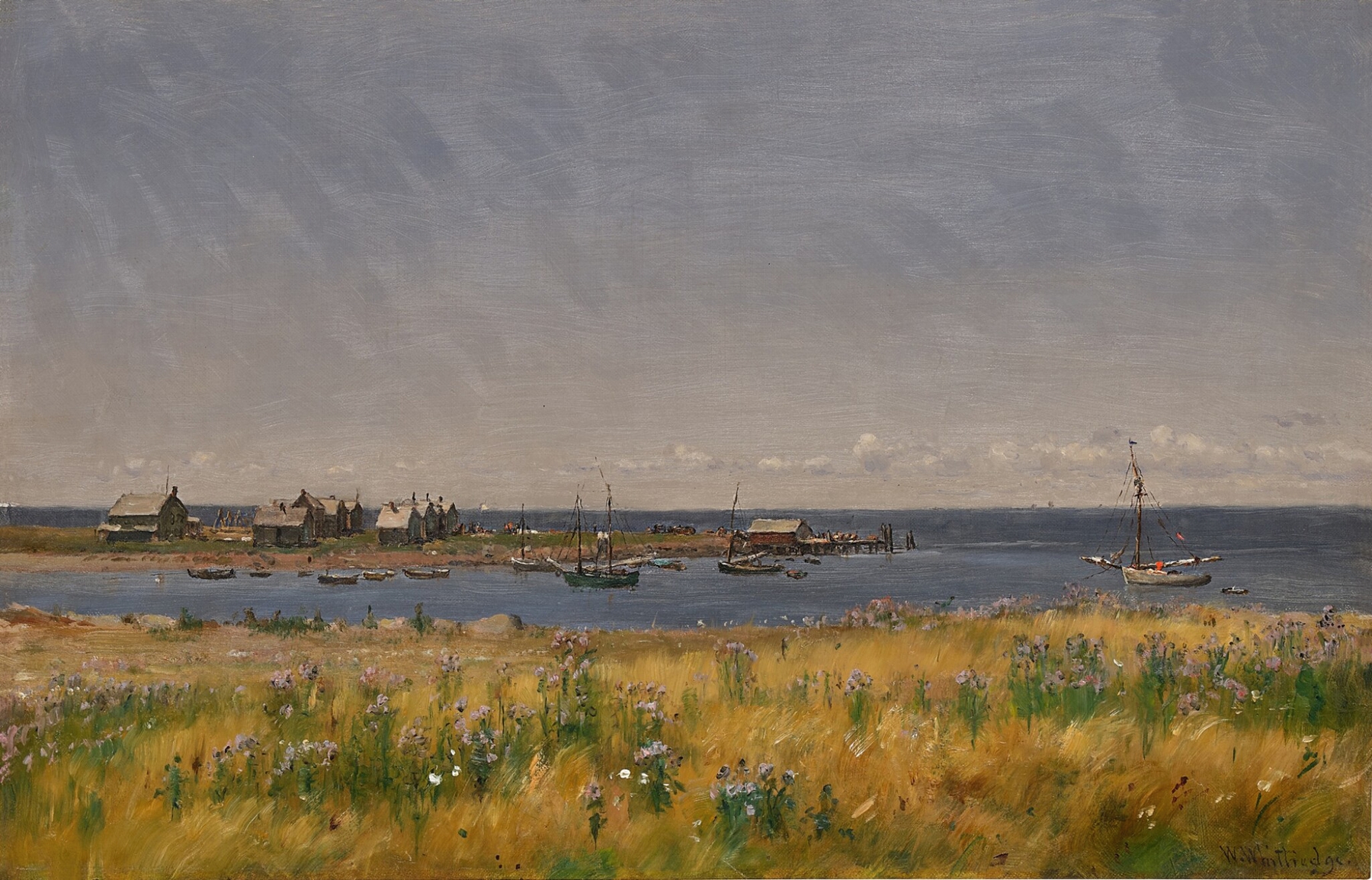
What if beauty was never meant to be finished? In The Trout Pool, the essence of nature is captured in a moment of obsession, a stillness that invites contemplation. Look to the left at the shimmering surface of the water, where dappled sunlight plays across the cool, reflective pool. The artist's meticulous brushwork draws your gaze to the intricate details of the surrounding foliage, vibrant greens mingling with soft earthy browns.
Notice how the composition leads your eye from the foreground, where a delicate trout is poised beneath the surface, to the serene backdrop of trees, their leaves rustling with the faintest whisper of wind. The light dances, bringing depth and life to each element, creating a harmony that feels both intimate and vast. As you delve deeper, consider the contrasts present within the scene: the static tranquility of the water juxtaposed with the vibrant life teeming within it; the play of light symbolizing fleeting moments of joy against the stillness of nature. Each brushstroke not only conveys the physical beauty of the landscape but also evokes a sense of longing, an obsession with capturing an ephemeral moment.
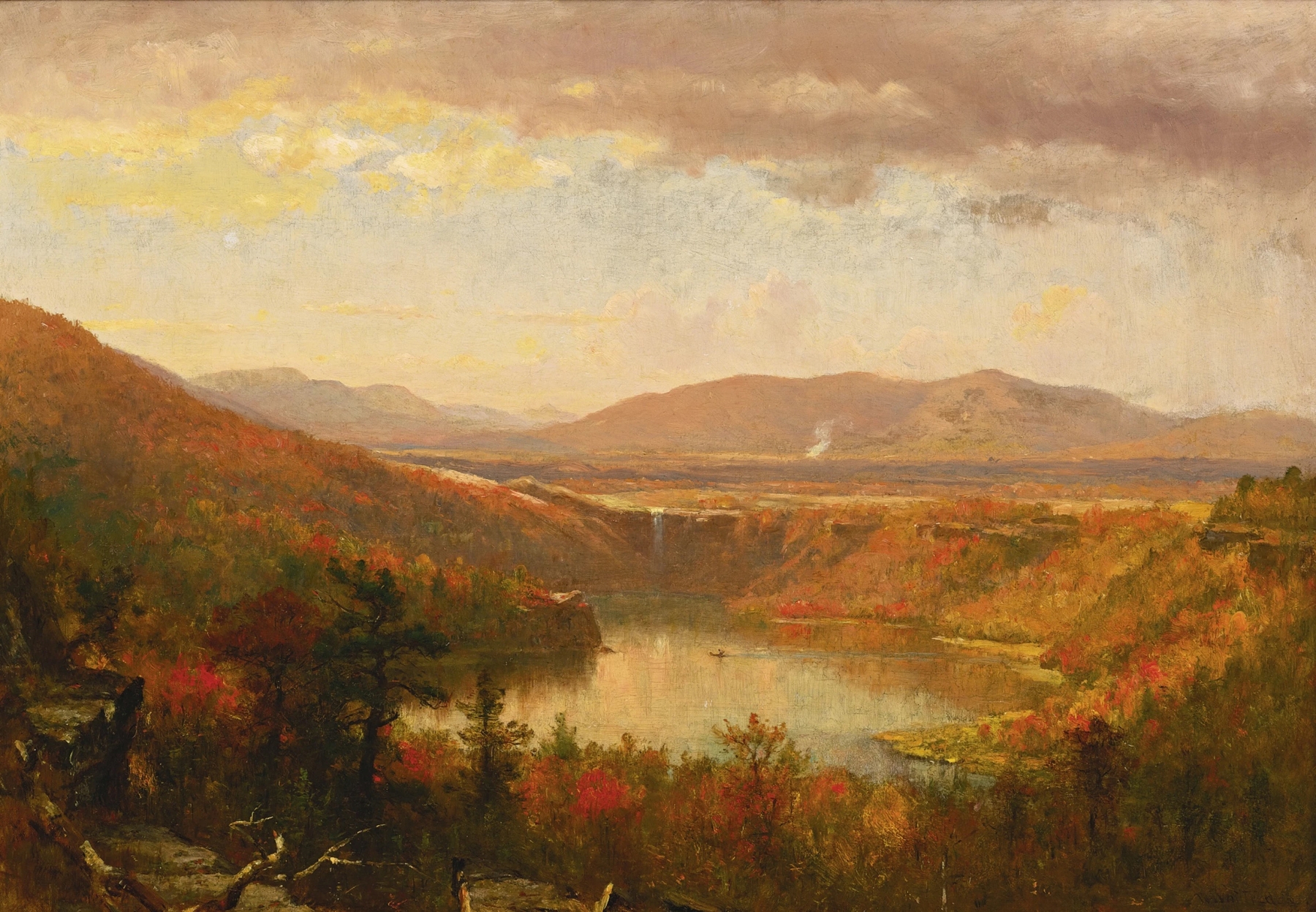
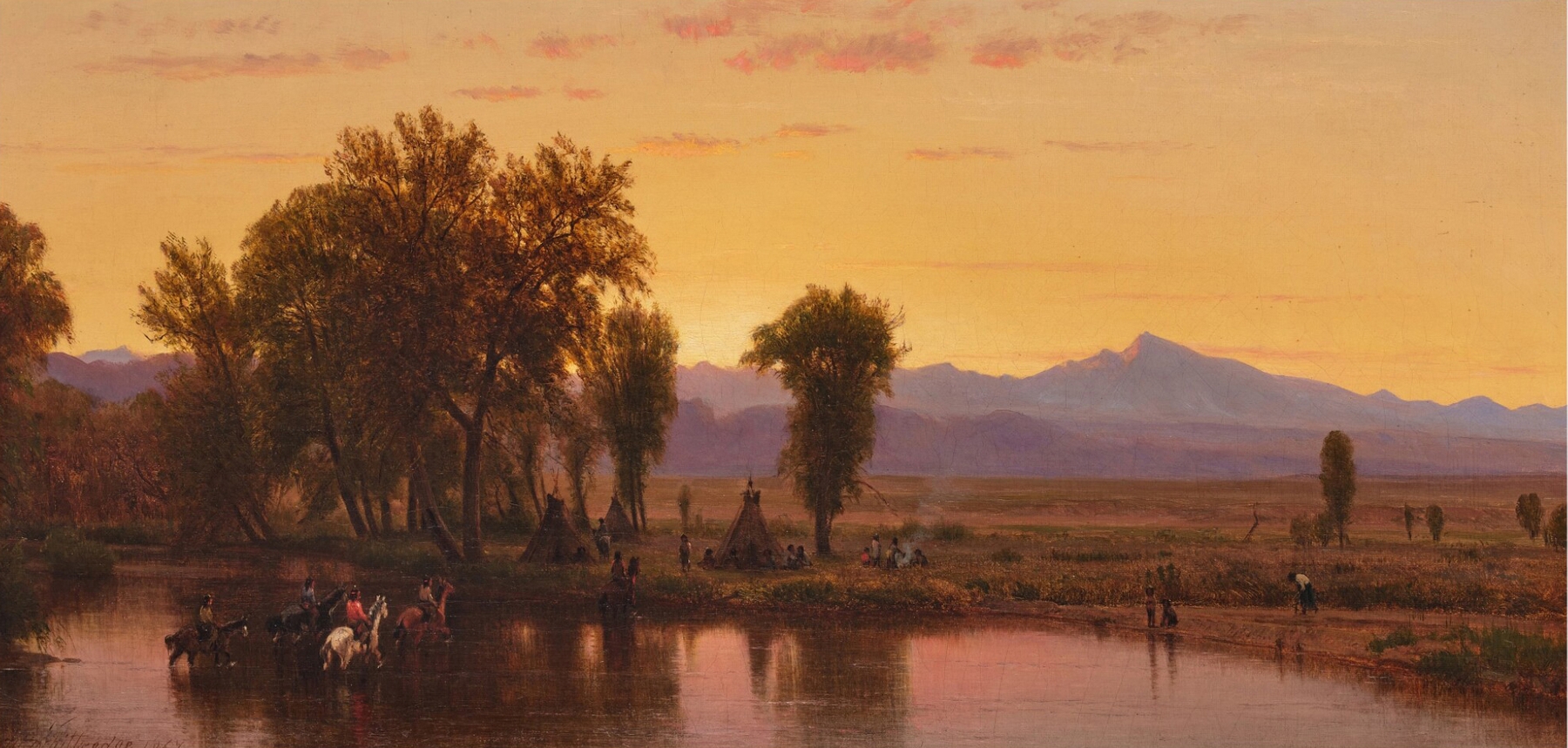
The trout, hidden yet present, represents the delicate balance between visibility and concealment, urging the viewer to reflect on what lies beneath the surface. In 1870, while creating this work, the artist found himself deeply immersed in the Hudson River School movement, which celebrated the grandeur of American landscapes. Whittredge was exploring the rich scenery of the American Northeast, drawing from his experiences to convey both realism and emotion in his paintings. This period of his life was marked by a growing recognition as an artist, with his work reflecting the broader cultural appreciation for the beauty of the American wilderness.