The Camp Meeting — History & Analysis
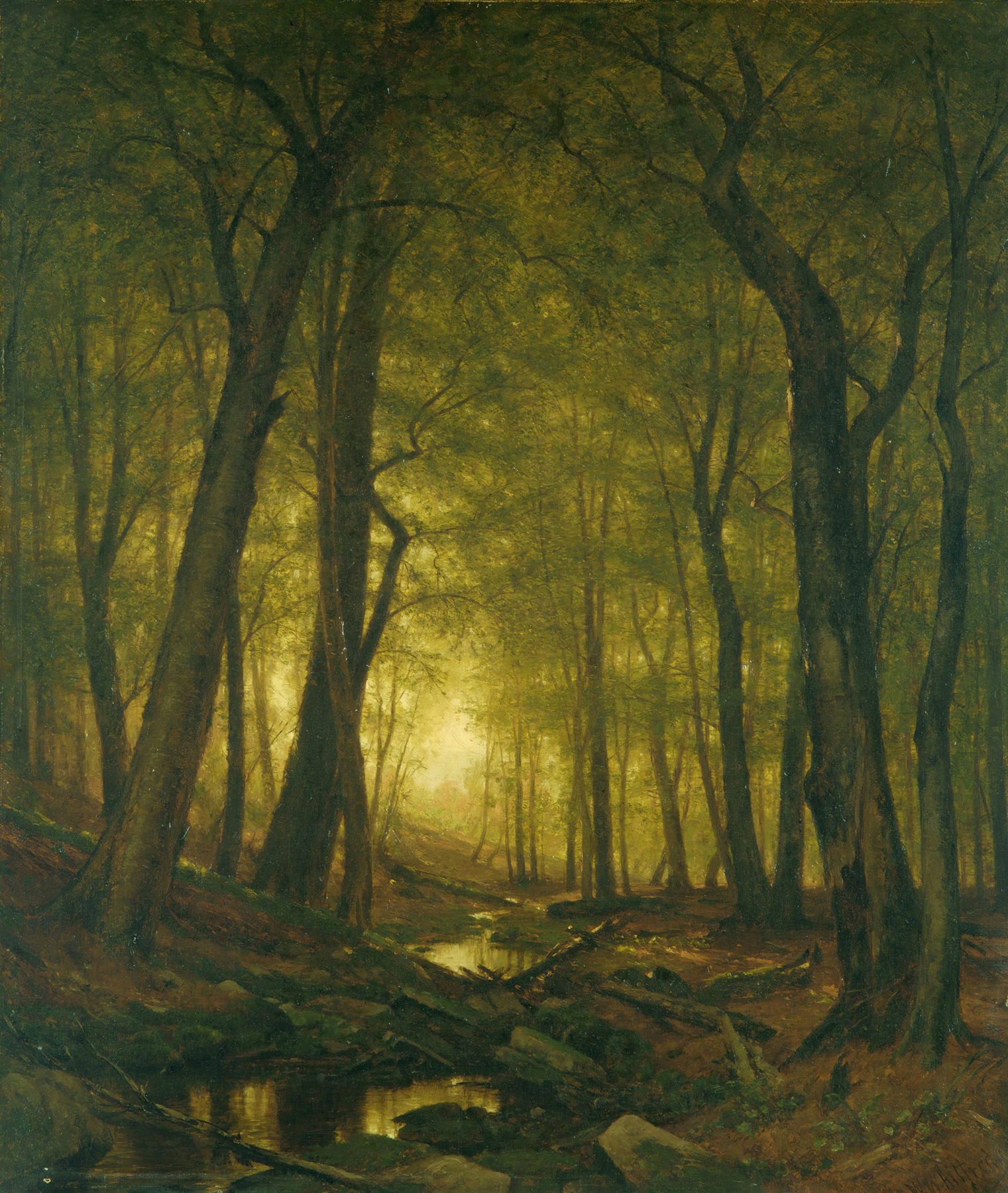
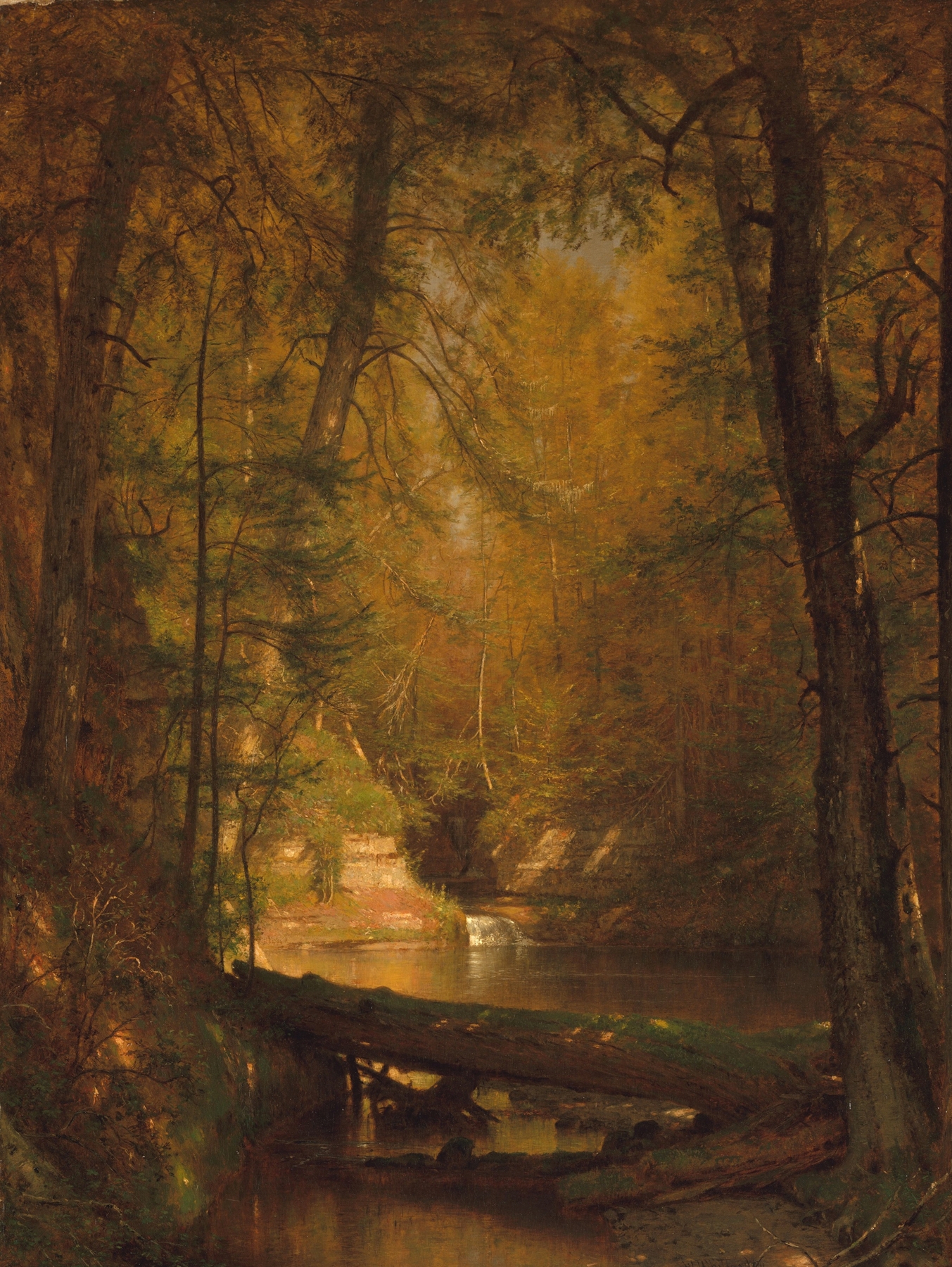
A vibrant congregation gathers in the dappled sunlight, their faces illuminated by a shared sense of purpose and wonder. The air is thick with anticipation, as fervent voices rise in a harmonious crescendo, melding with the gentle rustle of leaves. In this sacred moment, the outside world fades, leaving only the intimate communion of faith and nature. Look to the left at the striking contrast between the deep greens of the trees and the warm, glowing hues of the figures dressed in modest attire.
Notice how the sunlight filters through the branches, casting golden flecks upon the assembly while enveloping them in a serene embrace. The composition draws the eye toward the central preacher, whose outstretched arms and fervent expression embody the call to spirituality and connection. Delve deeper into the emotional landscape—there’s a palpable tension between joy and reverence, underscored by the varying responses of the attendees. Some express exuberance, while others stand in quiet contemplation, suggesting a spectrum of personal faith experiences.
This diversity is mirrored in the rich textures and colors of the painting, which echo the complexity of belief as they blend into one harmonious scene. In 1874, while living in the United States, Whittredge created this piece amidst a flourishing era of American landscape painting and religious revivalism. Capturing the spirit of a camp meeting, a popular social and religious gathering at the time, he sought to reflect the profound connection between nature and spirituality. This work stands as a testament to his mastery of light and composition, as well as the cultural currents shaping his artistic vision.