The Bonaventure Pine — History & Analysis
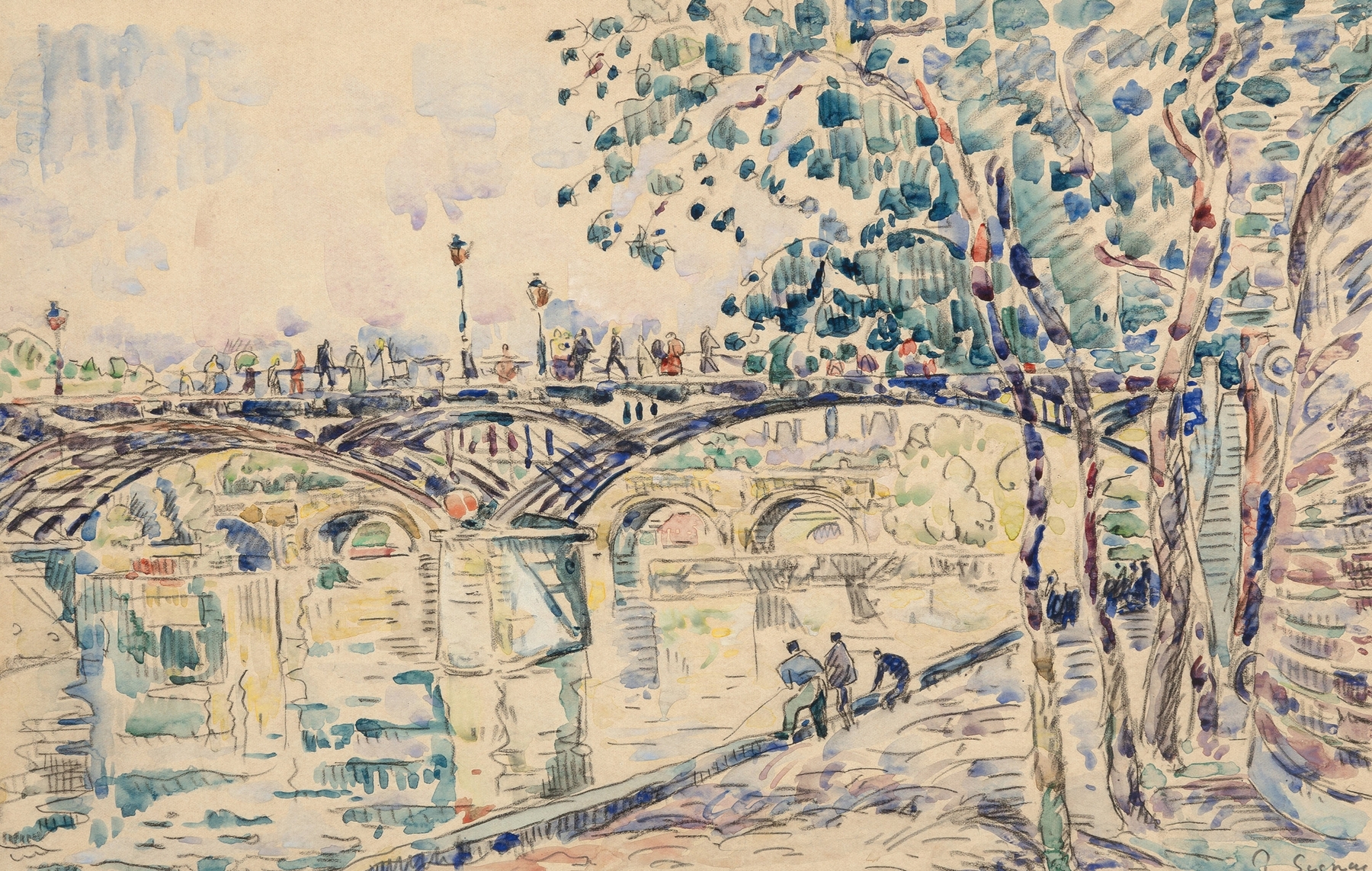
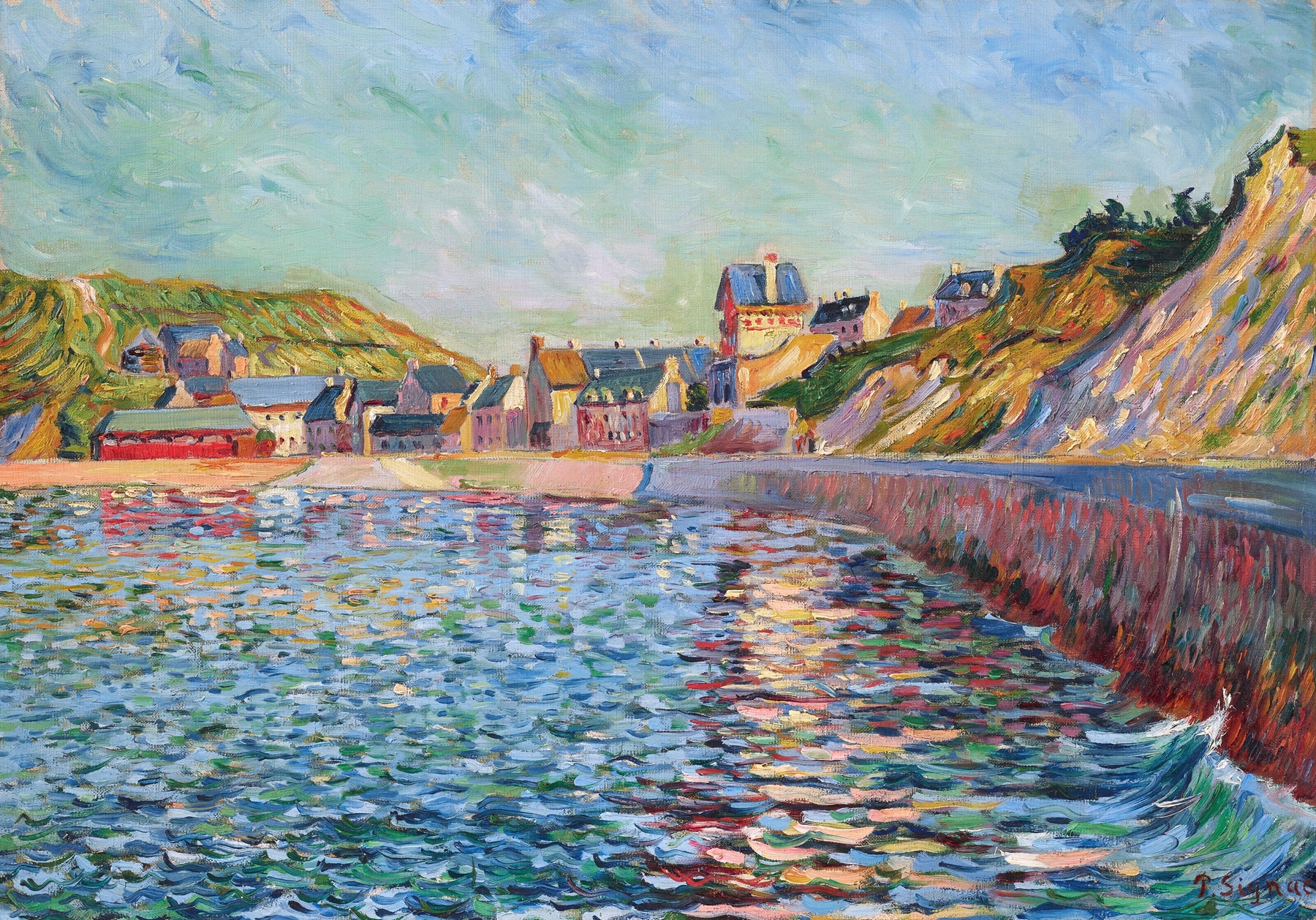
Can beauty exist without sorrow? In The Bonaventure Pine, the interplay of light and color offers a poignant reflection on nature’s transient splendor, hinting at the layers of emotion beneath its surface. Look to the left at the towering pine, its graceful form stretching skyward, a sentinel against a backdrop of vibrant hues. The dappled sunlight dances through the branches, illuminating the greens and yellows that pulse with life.
Notice how the brush strokes, infused with Signac’s distinctive pointillism, create a shimmering effect that brings the foliage alive, inviting you to trace the contours of each leaf and branch with your gaze. Yet, beneath this picturesque scene lies a sense of solitude. The starkness of the blue sky contrasts sharply with the earthiness of the pine, suggesting the isolation of natural beauty amidst a vast wilderness. The interplay of light reveals shadows that seem to whisper stories of longing, making one ponder the fleeting nature of life and the weight of existence carried by such majesty.
In 1893, during a period of vibrant experimentation within the Impressionist movement, the artist found himself captivated by the colors and forms of his native landscape. Living in France, Signac embraced the techniques of divisionism, bridging the gap between the natural world and emotional expression. This painting emerged not only as a representation of the Bonaventure Pine but also as an exploration of the deep connections between beauty and the melancholy that often accompanies it.