The Corvette ‘Galathea’ in a Storm in the North Sea — History & Analysis
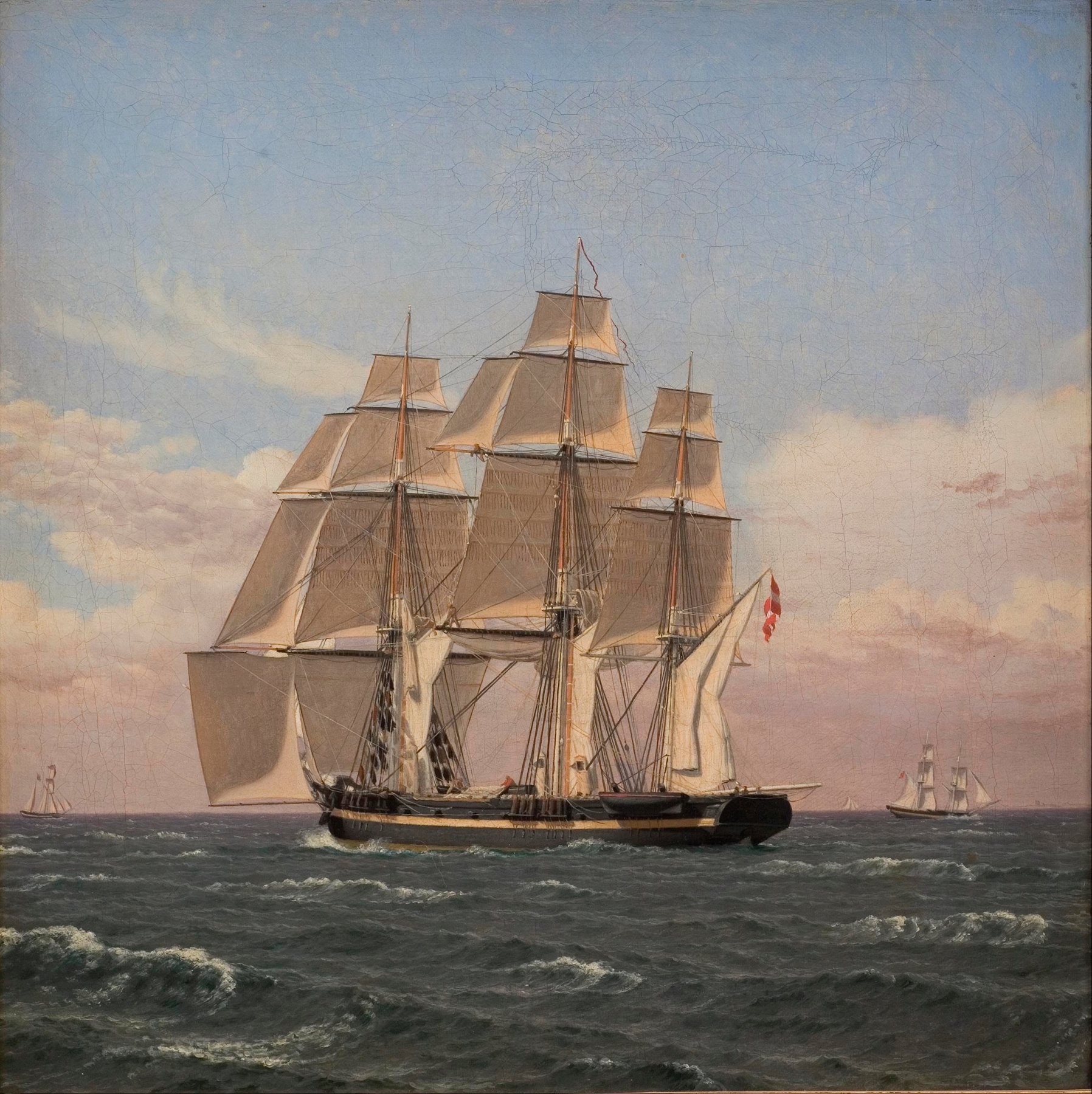
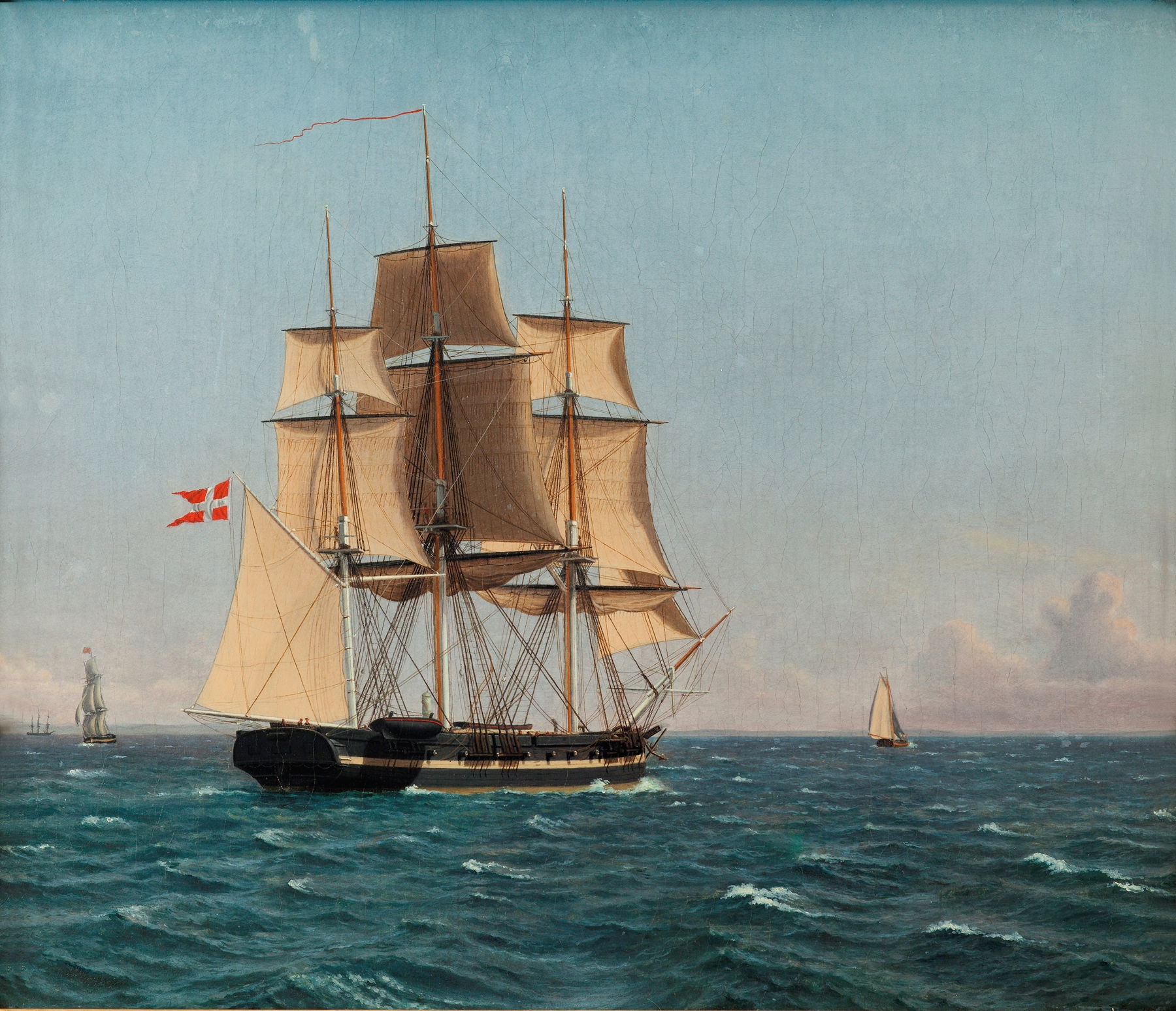
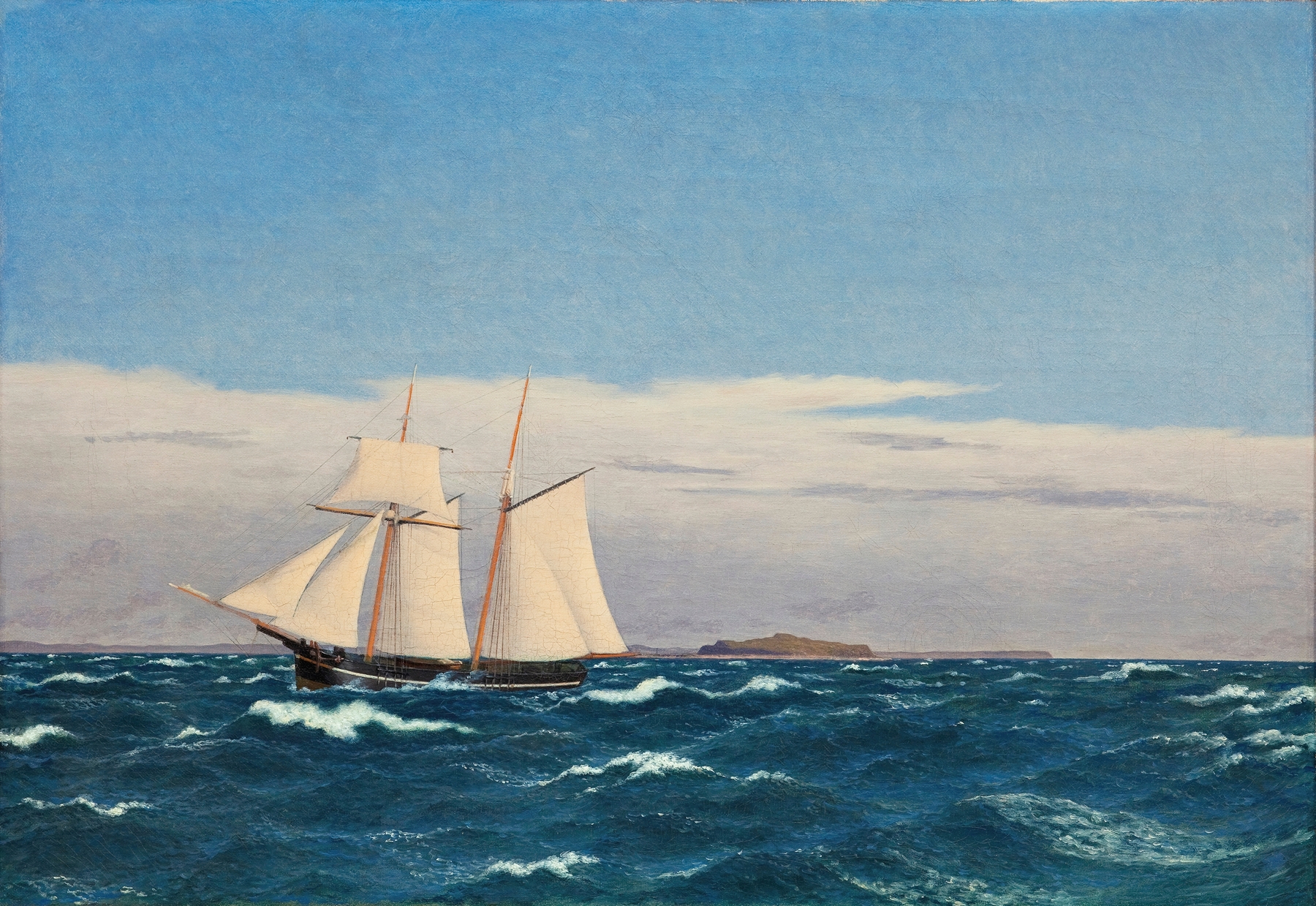
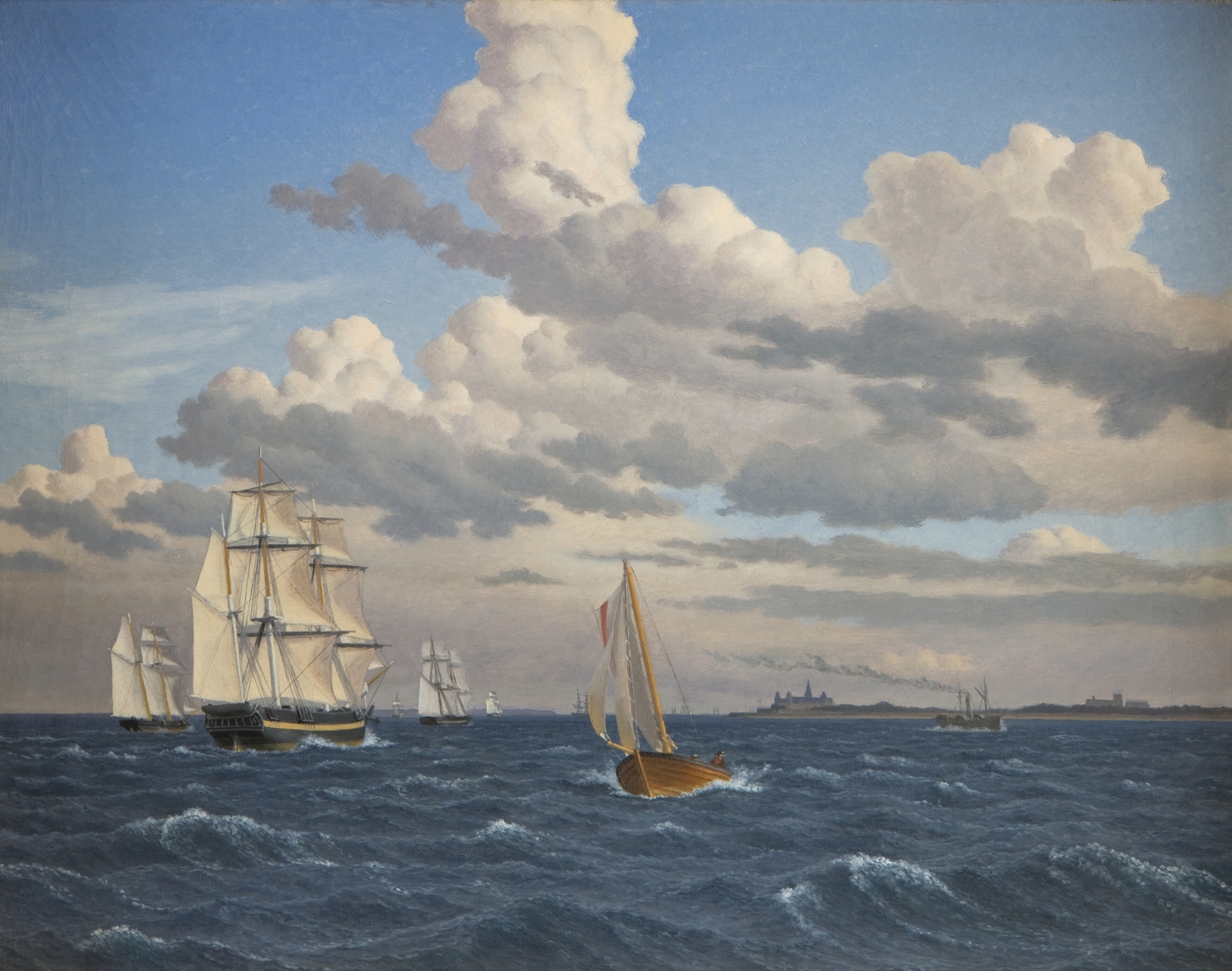
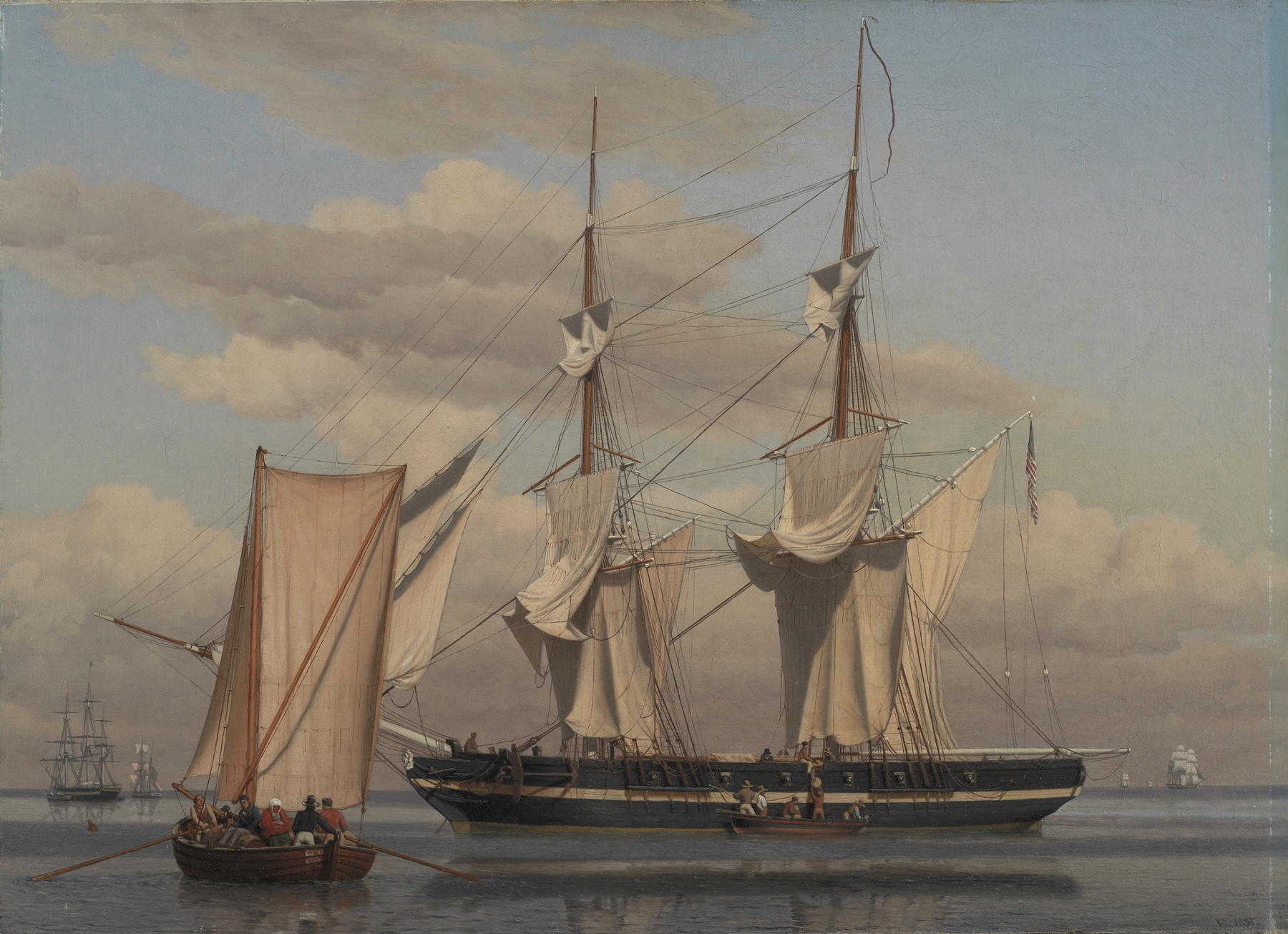
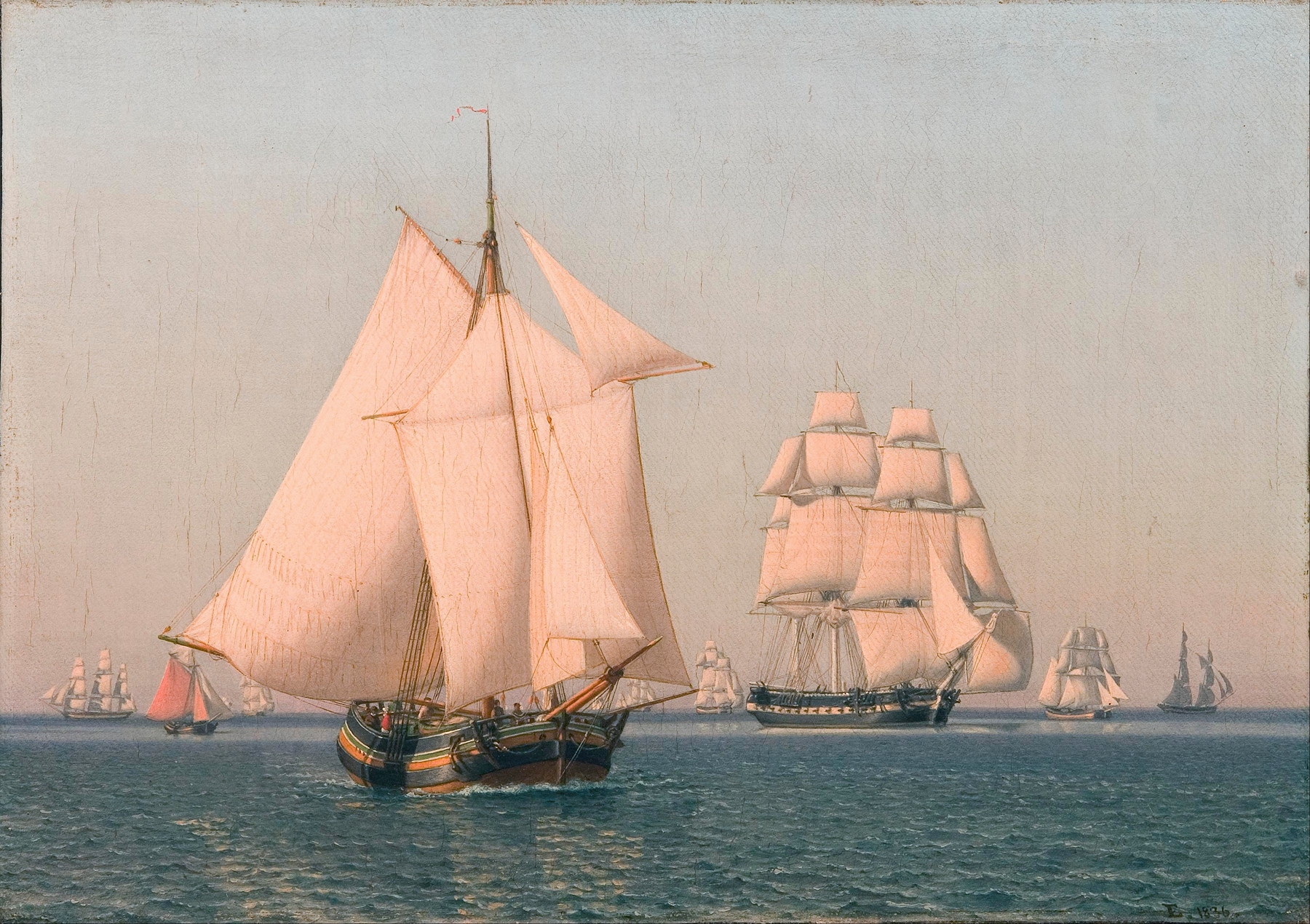
“Sometimes beauty is just pain, disguised in gold.” The tumultuous waves and dark skies may seem mere elements of nature’s fury, yet they reveal deeper truths about resilience and vulnerability. In this moment, a vessel braves the storm, testing the limits of its strength against the relentless power of the sea. Focus on the vessel at the painting's center, its sails taut against the wind, while the waves crash around it with chaotic energy. Notice how the artist plays with the contrast between the dark, moody palette of grays and greens and the lighter, fragile streaks of white in the foam. The dynamic brushwork conveys movement, while the sharp angles of the ship’s hull add a sense of urgency to the scene.
This careful orchestration draws the viewer’s eye immediately to the Corvette, an emblem of hope amid turmoil. Beneath the surface lies a poignant tension between man and nature. The ship stands as a testament to human ambition, yet it is dwarfed by the overwhelming forces of the storm. Examine the distant horizon; it teeters between chaos and calm, suggesting the fragility of existence. The dark clouds loom heavily, evoking feelings of foreboding, while the light breaking through hints at the possibility of salvation.
It’s a dance of despair and hope, revealing the duality of beauty and struggle. In 1839, Eckersberg created this work while residing in Denmark, a period marked by a burgeoning interest in realism and maritime themes. The artist was deeply influenced by the Romantic movement, which emphasized the sublime aspects of nature. During this time, maritime paintings were becoming increasingly popular, reflecting both national pride and the era’s fascination with the sea. This painting encapsulates not only the artist’s mastery but also the complex relationship between humanity and the unpredictable world around them.