The corvette Najaden under sail — History & Analysis
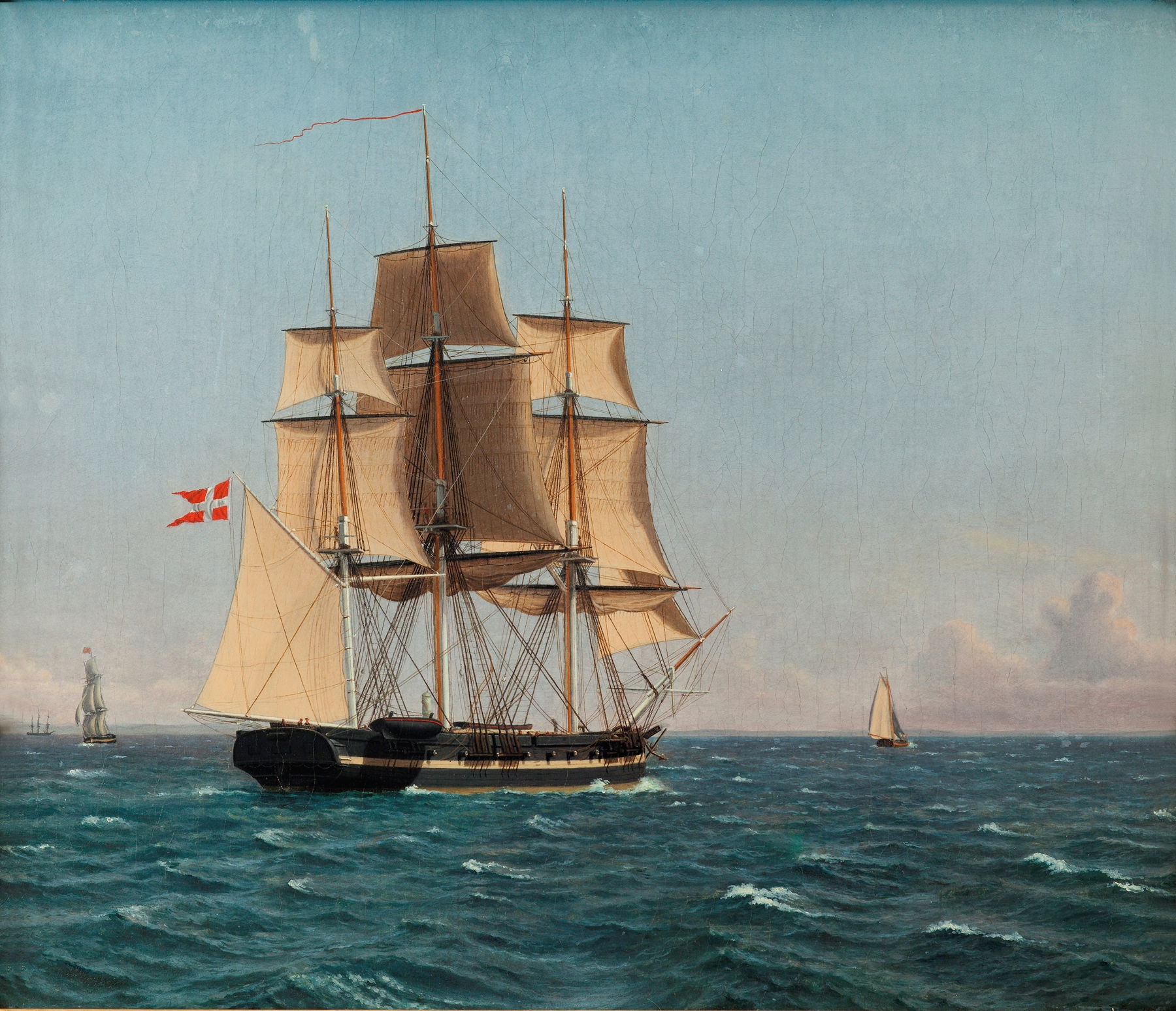
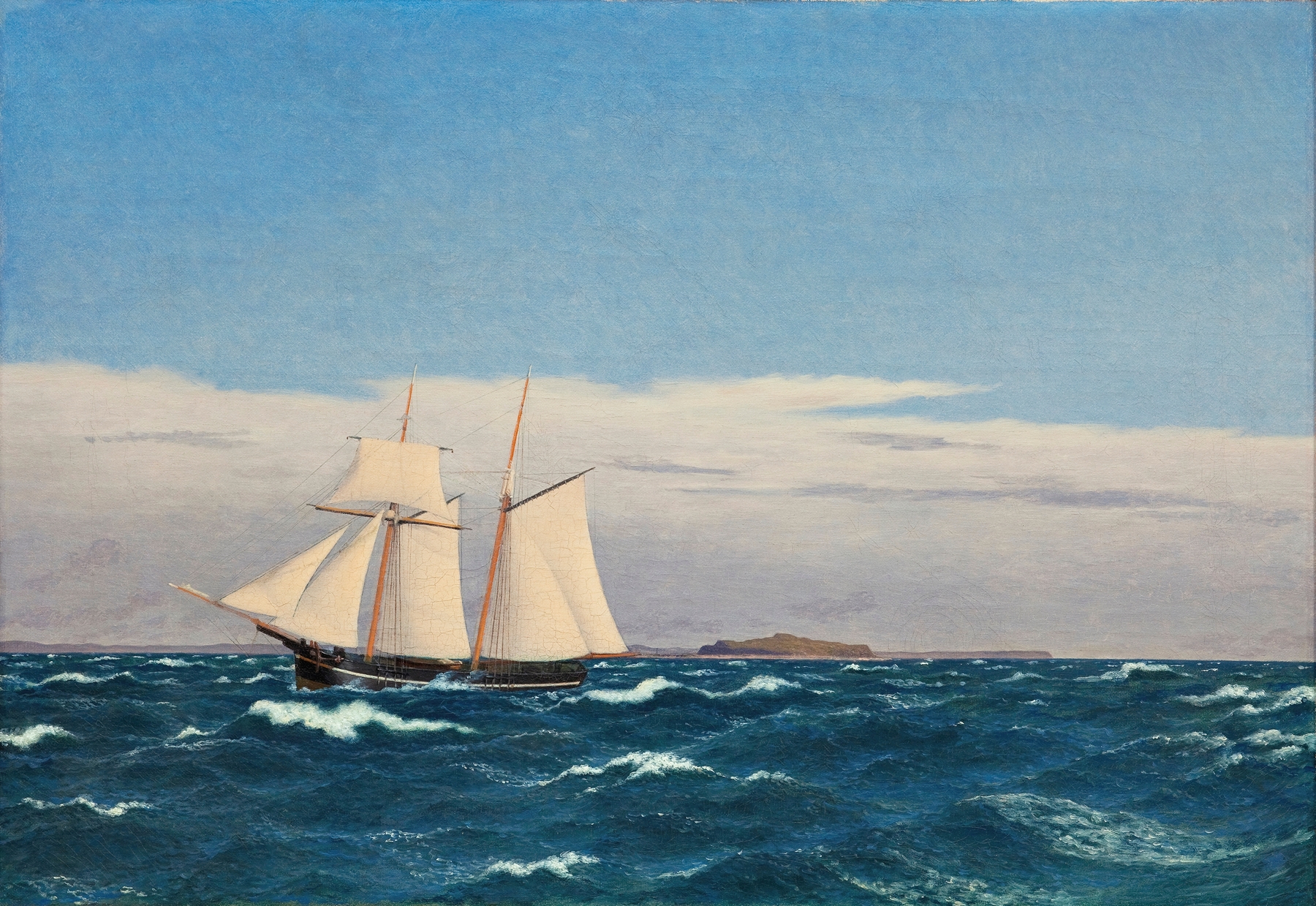
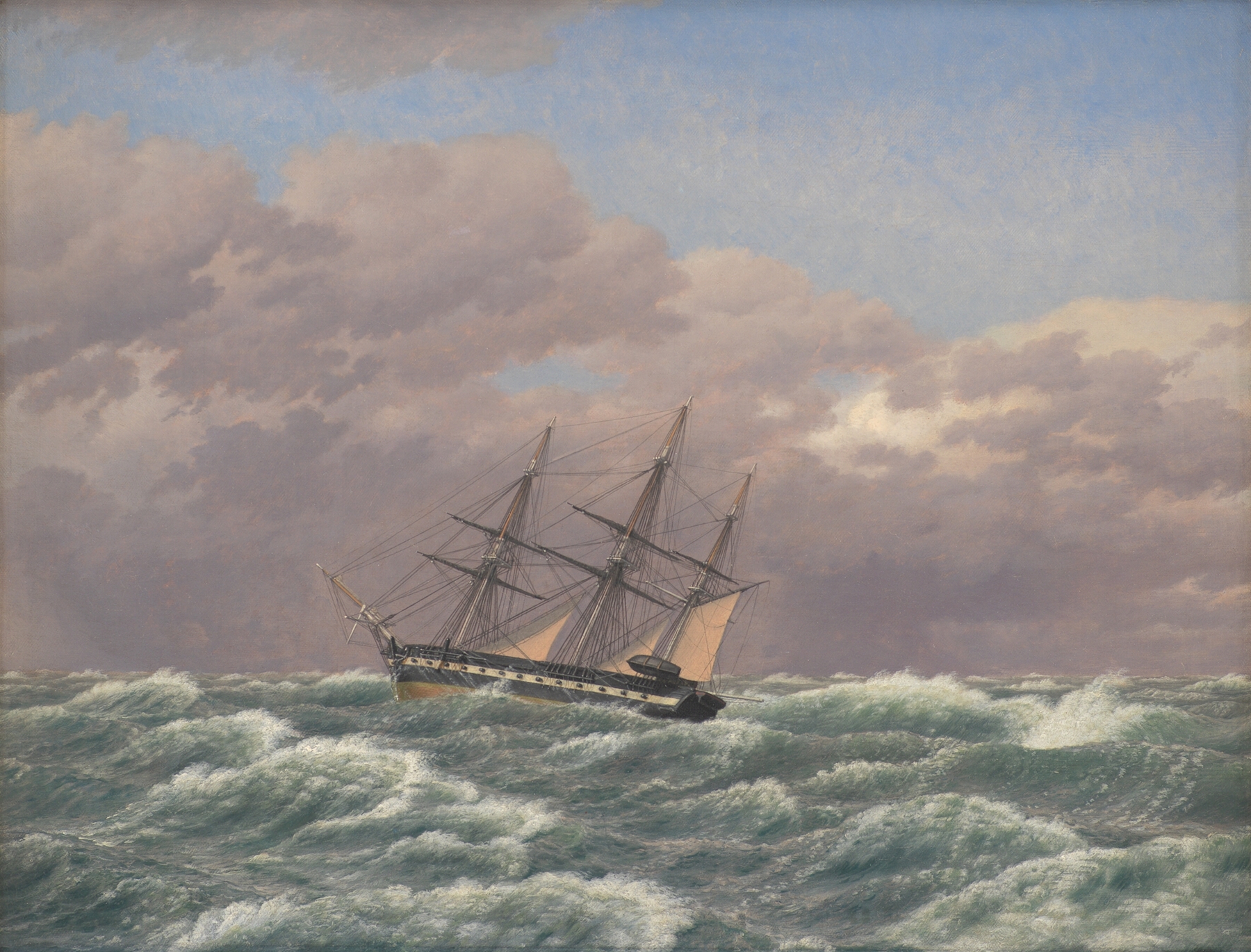
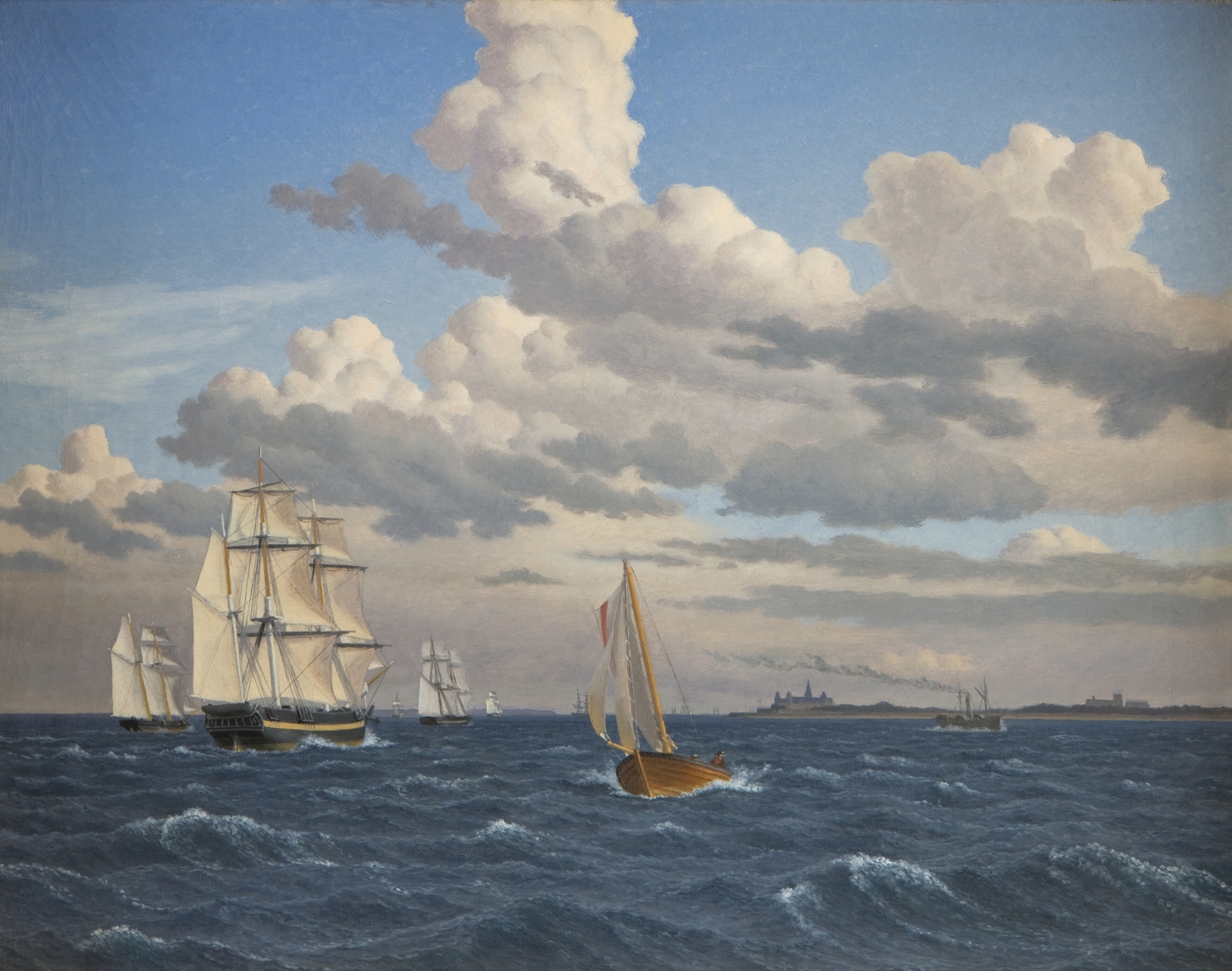
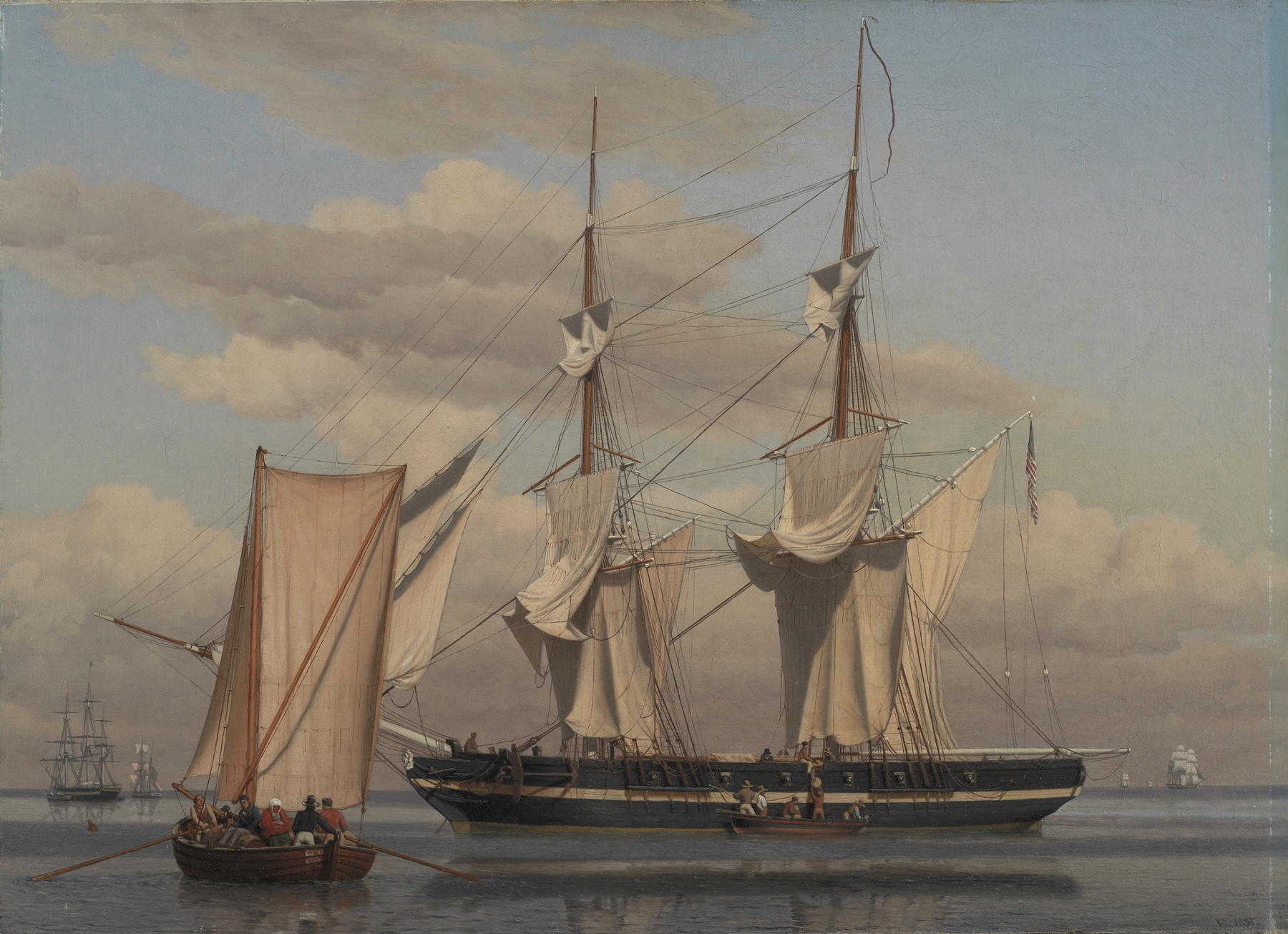
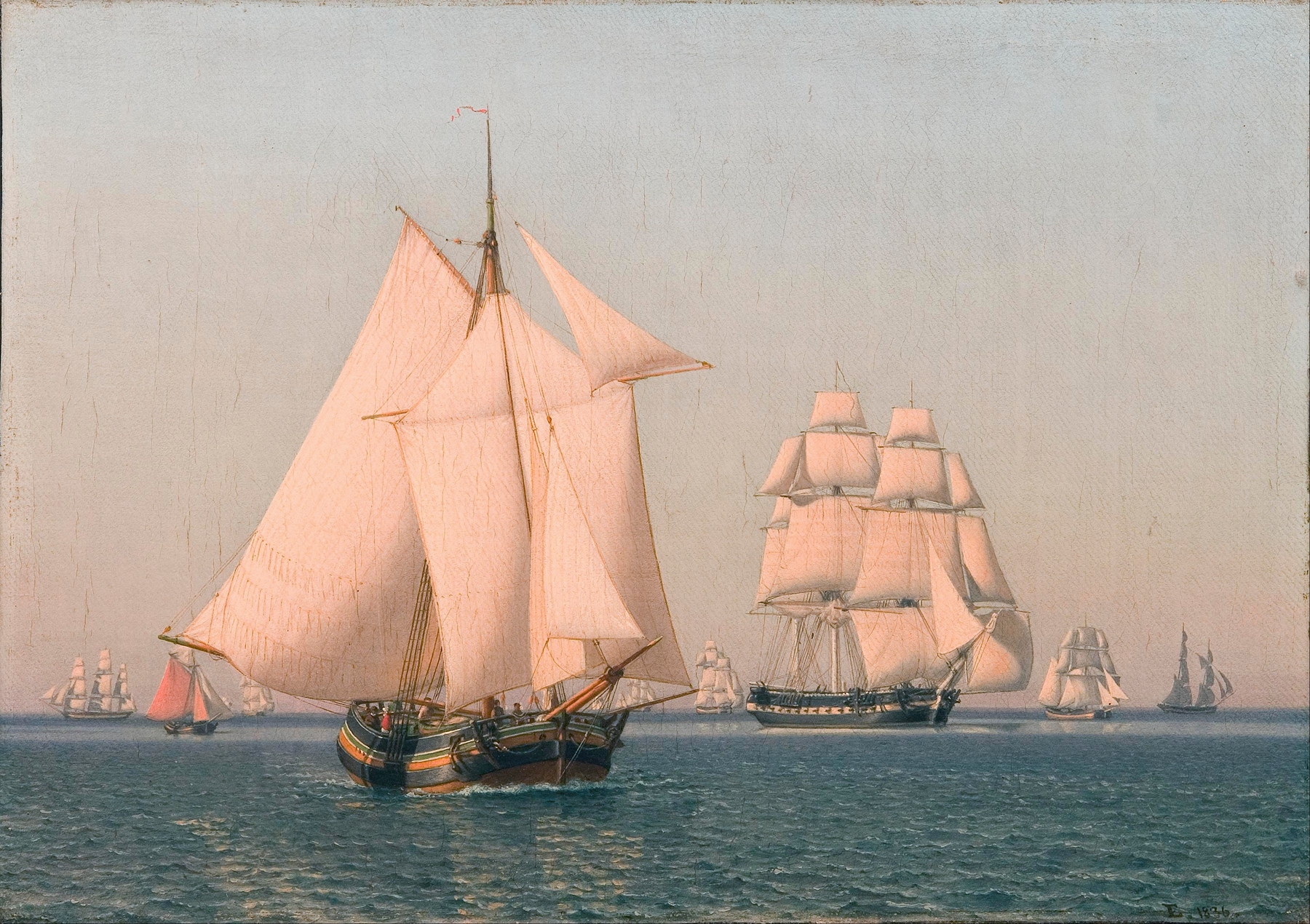
“The canvas doesn’t lie — it simply waits.” In the serene embrace of water and wind, longing finds its voice in the quiet majesty of a ship, poised for adventure. The journey beckons, yet the vessel remains anchored in the viewer's gaze, suspended between the familiar and the unknown. Look to the left, where the sails swell against an infinite blue sky, capturing the light in a dance of whites and soft grays. The corvette Najaden, proud and resolute, becomes the focal point, its elegant lines contrasting with the raw energy of the ocean. Notice how the subtle brushstrokes create a shimmering reflection on the water's surface, infusing movement and life into the stillness of the frame.
The artist’s precise technique allows the viewer to feel the wind's caress, as the craft seems almost to leap forth from the canvas. Beneath the surface, there lies a deeper resonance of yearning and exploration. The ship, a symbol of ambition and adventure, embodies the tension between the desire to venture into the vast unknown and the comfort of home. This duality is mirrored in the calmness of the water, which hints at both tranquility and the potential for turbulence, suggesting that every journey is fraught with uncertainty, yet rich with promise.
The interplay of light and shadow further emphasizes this emotional contrast, capturing a moment both fleeting and eternal. In 1833, Eckersberg painted this remarkable work while he was in Denmark, at a time when Romanticism was gaining momentum in European art. The artist, known for his detailed landscapes and marine scenes, explored themes of nature’s beauty and human aspiration. Eckersberg's focus on the maritime realm reflected the cultural pride of Denmark, a nation with a rich seafaring history, positioning The corvette Najaden under sail as a testament to both artistic innovation and national identity.