The Corvette Najaden under Sail — History & Analysis
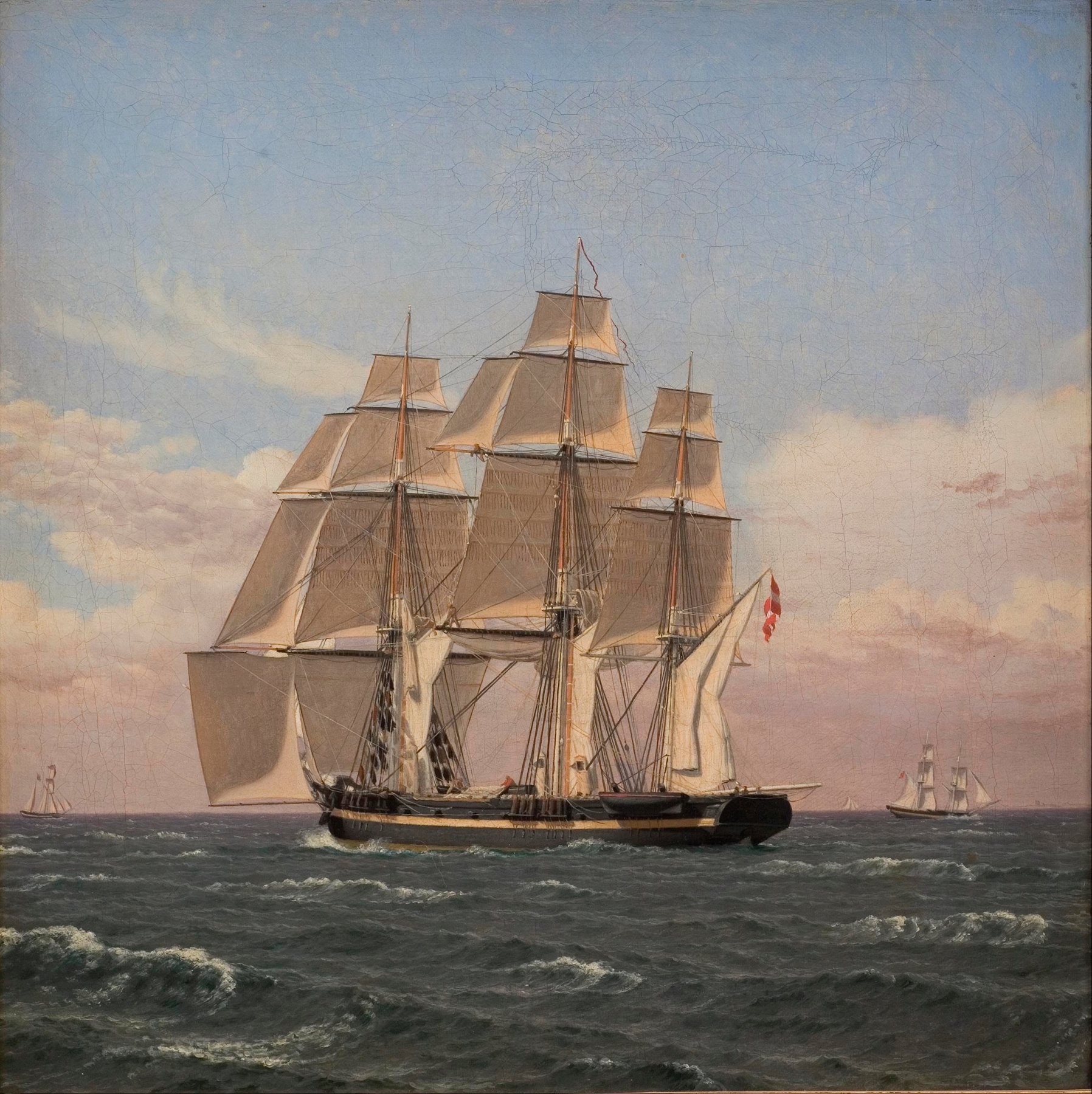
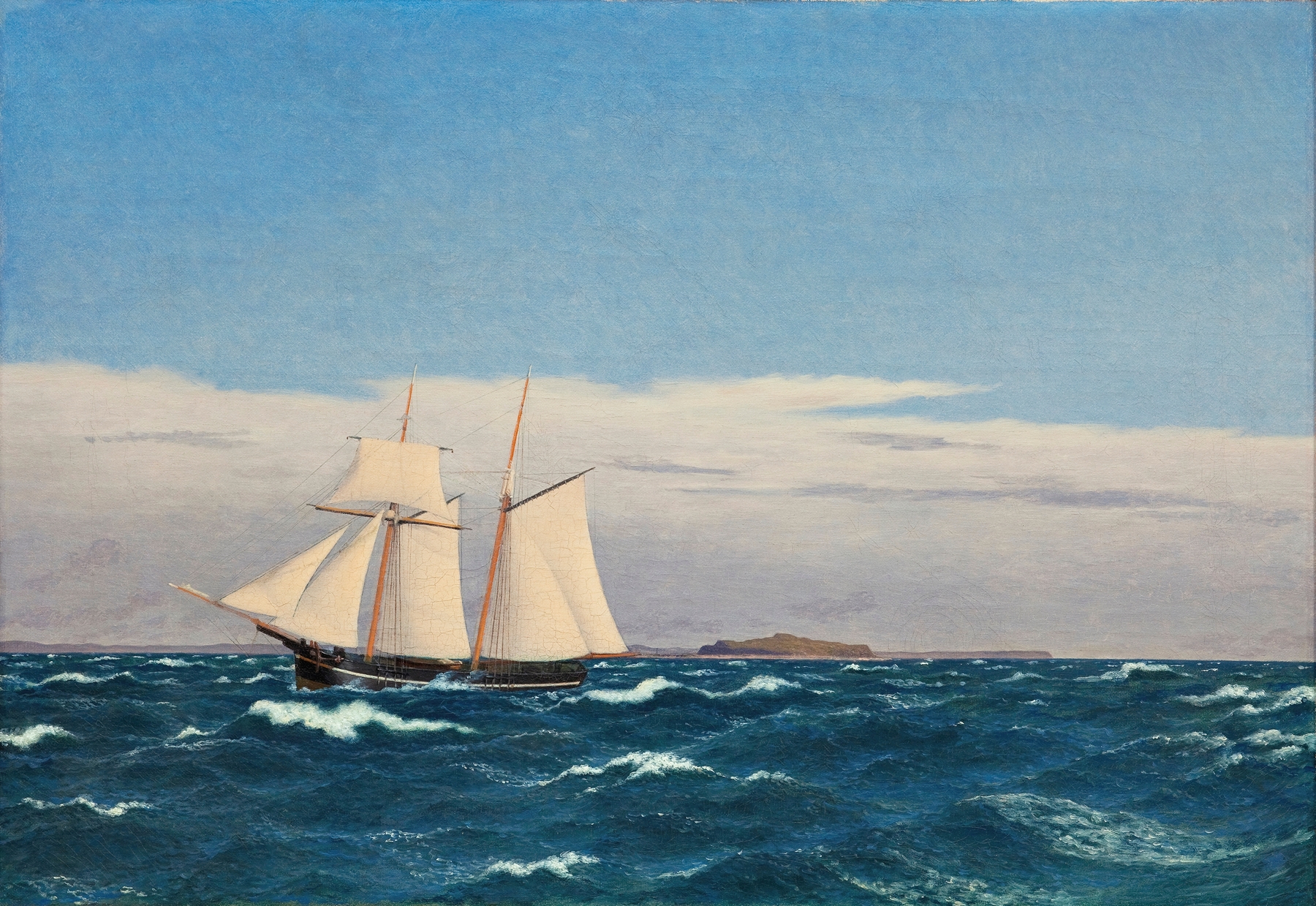
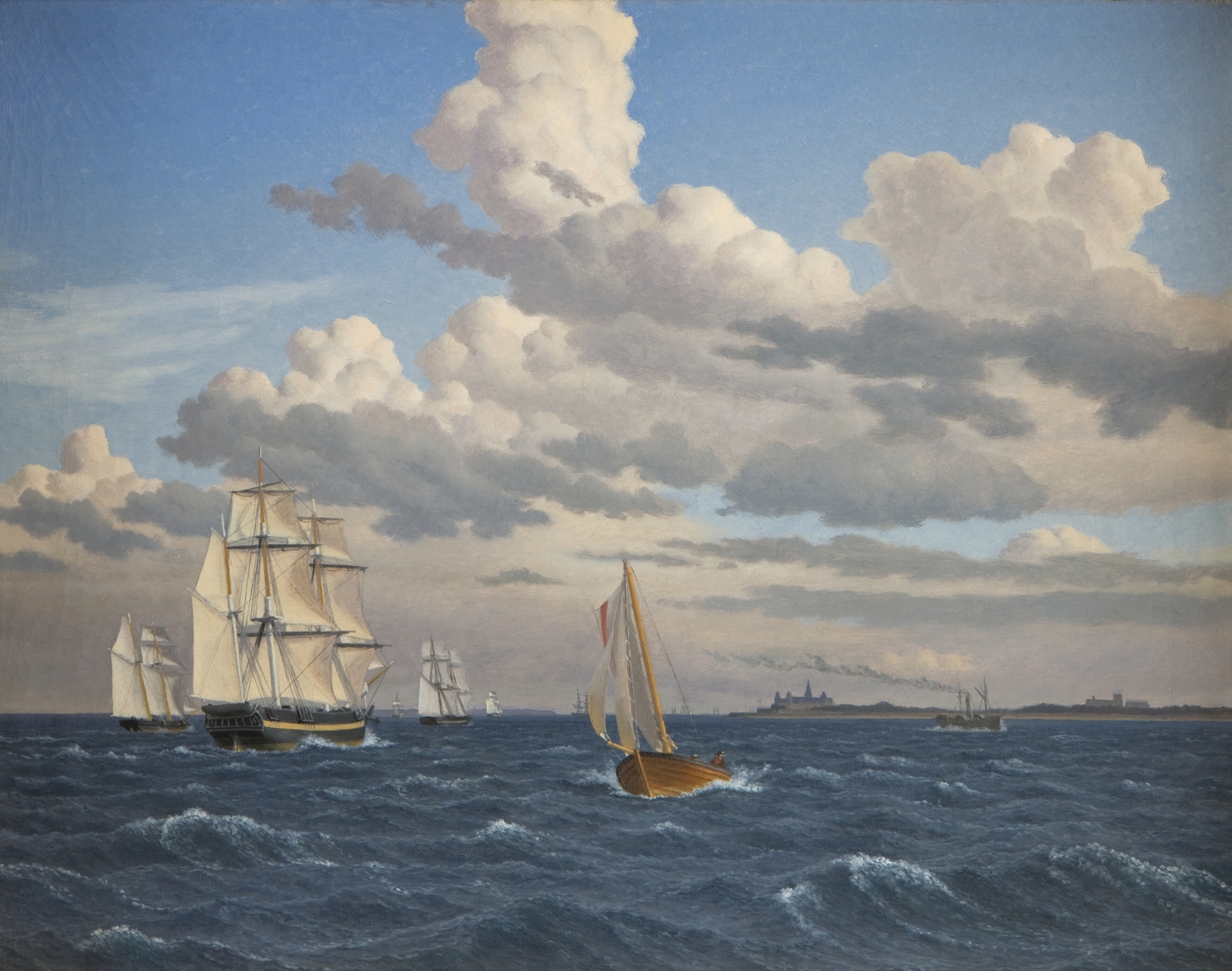
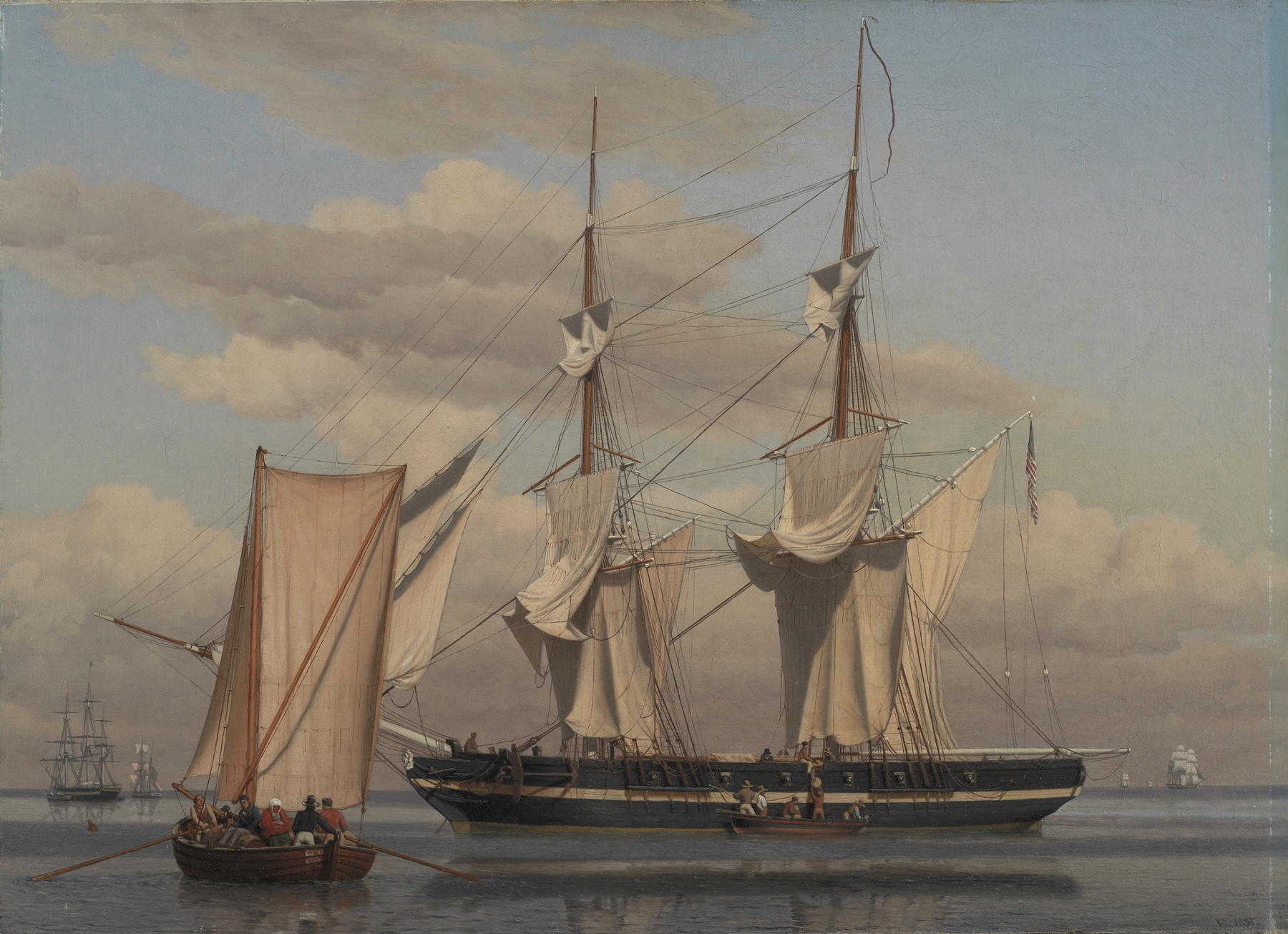
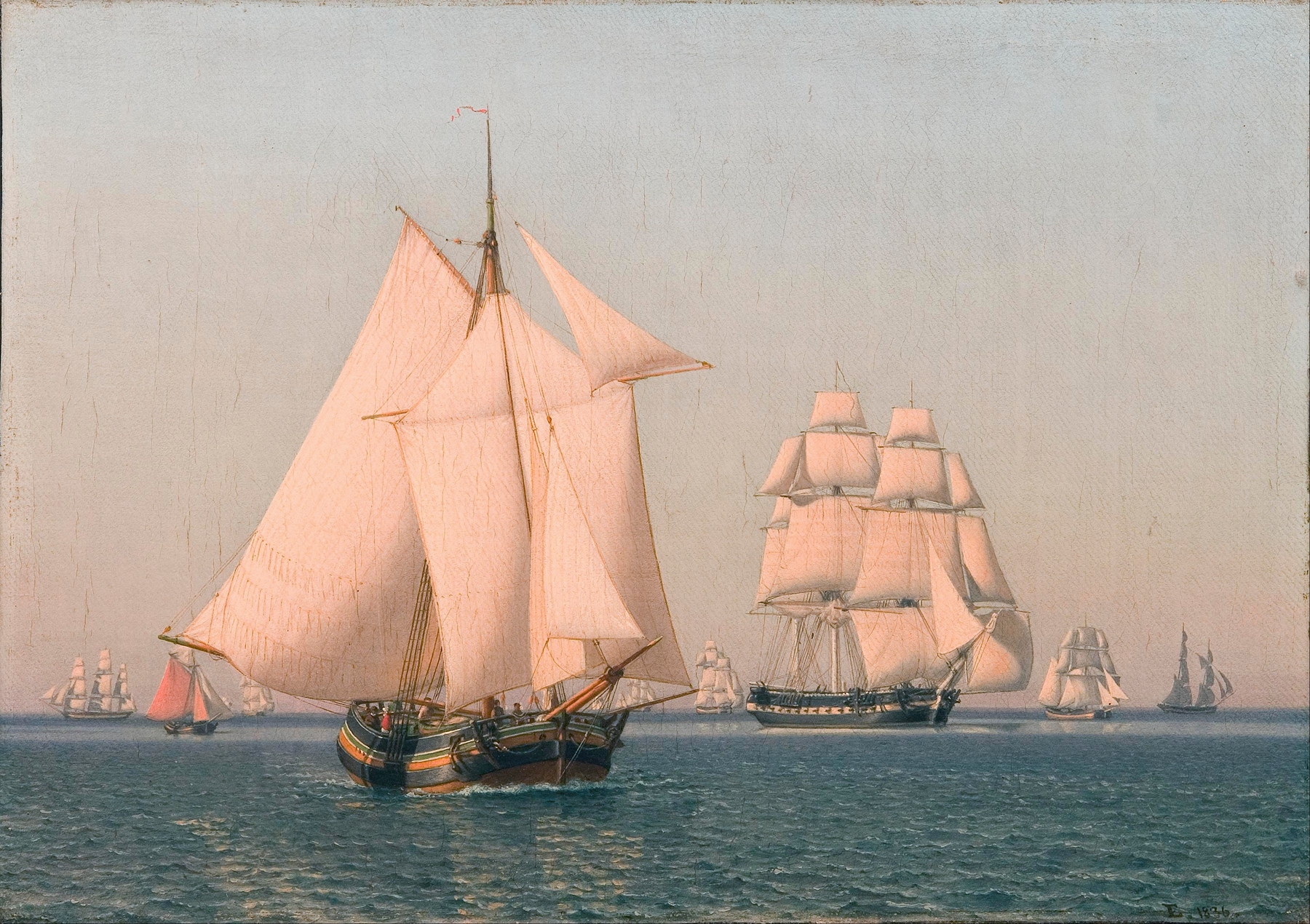
Could beauty survive in a century of chaos? The essence of rebirth glimmers through the sails of a magnificent vessel, defying the turbulent tides of time. Look to the left at the Corvette Najaden, its sails billowing against a backdrop of expansive skies. The artist’s meticulous brushwork captures the delicate play of light dancing upon the ocean's surface, where deep blues and vibrant whites merge into a harmonious embrace.
The ship stands proud and resolute, commanding attention through its intricate details, from the rigging to the subtle reflections in the water, creating a sense of movement and life. As you delve deeper, notice the contrast between the ship's crafted form and the untamed nature surrounding it. The interplay of light suggests not just a maritime journey but a narrative of resilience and exploration amid uncertainty. The vibrant colors convey a sense of hope, a vision of renewal that resonates with the heart’s desire for stability in a world marked by upheaval.
The ephemeral beauty of the scene invites introspection, challenging the viewer to ponder the fragility of existence. Created in 1834, this work emerged during a period of transition in Europe, where the tides of Romanticism and neoclassicism stirred the art world. Eckersberg, often hailed as the father of Danish painting, was in his early years, looking to capture not just the physical beauty of the world but also its deeper meanings. At this time, he was exploring the interplay between nature and man-made environments, pushing boundaries that defined the era’s artistic dialogues.